
How to Repurpose Content Into a Podcast, According to HubSpot’s Podcast Expert
2019 will be remembered as a Teutonic shift in the world of podcasting.
Nowadays, over 51% of the United States have listened to at least one podcast.
Additionally, in 2019, over $650M was spent on podcast advertising, and Spotify, Google, and VC’s are now investing hundreds of millions into podcasting.
All of this money and attention has lots of readers asking how their brand can take advantage of the audio boom by starting their own podcast.
In many ways, it’s a lot easier for folks who subscribe to the philosophy of Inbound Marketing to start a podcast because you’re likely to have lots of existing content. In this post, we want to help marketers leverage their existing content and turn it into a branded podcast.
But first — when does it even make sense to convert your content into a podcast, and when should you hold off?
When does it make sense to convert content into a podcast?
If you’re looking to leverage existing content you ultimately have two main channels to focus on — video, or your blog.
The first thing you need to do is audit your existing content to get a sense for your most popular topics. At this point, don’t worry about whether the content format should be blog posts, videos, ebooks, or social posts. Instead, just focus on what topics and content are resonating the most with your audience.
Once you’ve identified a few core topics that are most relevant to your brand, you’ll have an easier time brainstorming podcast show ideas.
Additionally, this is obvious but needs to be said — a podcast is more than one episode. When thinking about starting a podcast from scratch or using existing content, you need to have enough content to justify multiple episodes. If you’re struggling to think of more than 2-3 episodes, it’s likely the content is too narrow.
A branded podcast can either be a limited run season, or ongoing where episodes are released regularly in perpetuity. Seasonal shows work well when you have a limited amount of content around a certain topic. Ongoing shows, on the other hand, tend to be easier to produce when you have an endless stream of updates, such as news or reviews.
One method isn’t necessarily better than another — you should select seasonal or ongoing based on the goals of your podcast and the type of content you produce.
How to Convert Video Content into a Podcast
Here at HubSpot, we have an enormous library of video content but only a small portion of it works for converting into a podcast. Here’s what excludes our video content from becoming a podcast:
- Bad Audio: Hands down the number one biggest issue for converting video content into a podcast. Sometimes videos are recorded with lapel mics that pick up lots of t-shirt scratches, and can sometimes make people sound like they’re recording from a fishbowl.
- Referencing Visuals: Often explainer videos, product overviews, and educational lessons reference visuals that appearing in the video. Videos that make use of visual aids are generally not a good fit for podcasts because the people obviously will not see what the presenter is referring to.
- Too Short: Podcasts tend to be longer-form content than video or blogs. Many videos that companies produce are relatively short, ~2 minutes. For someone looking to listen to your podcast, this may not be substantial enough in terms of the information covered.
So what videos do work for converting to a podcast? One of the best examples we have is our show, Agency Unfiltered.
The show began as a web-series of interviews that didn’t use any visual aids in the conversations. Listeners were reaching out to the show’s host, Kevin, asking if it could be converted into a podcast so they could listen on their commute or at home. So we took the audio (high-quality) and turned it into a podcast.
Kevin Dynn told me, “One of the biggest pieces of feedback we had for Agency Unfiltered was to release it as a podcast. What we found is that partners wanted the audio content available to be downloaded and listened to on their commutes.”
Dynn added, “For us, it was a piece of cake to do. We already had titles, descriptions, the intro and outro snippets, and the full audio files. And thus far, the process has been easy and the results have been very encouraging.”
Within a few weeks, the podcast layered a whole new group of listeners on top of those who watched the videos. In fact, on one of the recent videos, we saw a 70% uplift in people engaging with the content simply by turning it into a podcast.
It’s important to note — we have not seen podcast downloads cannibalize video views.
Making the video series available as a podcast has simply added value to the audience because it allows people to engage with the content however, and whenever, they want.
Alternatively, if you don’t have a video series, blog content can serve as an excellent jumping-off point for planning and creating a podcast. Let’s explore that option, next.
How to Convert Blog Content Into a Podcast
Here at HubSpot, we highly encourage marketers to think about their content from a pillar-cluster model. This model is incredibly helpful, both for SEO and for organizing your content in a way that’s helpful for readers. The great thing about the pillar cluster model for blogging is it aligns well with the seasonal approach to podcasting.
First, try thinking about your overall topic cluster as a season of the show, with each individual blog post being a distinct episode. Following this path, it makes it much easier to plan a season’s worth of content that all deals with a similar theme or topic without being repetitive.
Like video, only a small portion of blog content will work for turning into a podcast. Here is a quick way to exclude content that’s not a good fit:
- Listicles and Roundups: No one wants to hear you read a list of things they can’t click on.
- Articles that Rely on Visuals: There are exceptions to this rule, but for the most part, if the post is highly visual it’s unlikely to be a good fit for a podcast episode.
Once you decide what topics your show will cover, and which blog posts will serve as a good jumping-off point for episodes, you can finally go through the process of recording.
When recording, it’s important to remember your episodes should never just be a host reading an article. Writing for people listening is much different than writing for people reading. If you don’t update your content to be audio-first it will sound stiff, boring, and inauthentic.
To help you write scripts for a podcast you need to have all of the parts of a successful podcast episode. Check out The Anatomy of a Perfect Podcast Episode for help on how to create a great podcast episode.
How to Combine Text and Video to Create a Podcast
At HubSpot, we are combining the video and blog approach in the upcoming season of the Skill Up podcast. Each season is based around a topic cluster we have identified as valuable based on blog content and keyword search volume. This helps us plan seasons, as well as specific episodes. SEO research also helps us with episode titling and episode descriptions.
In terms of production, we’re using snippets of audio from our videos in order to leverage existing interviews. We will also be using a single narrator each season who will guide listeners through the content. Using a host will also make it easier to add flair to an existing interview without having to re-record the conversations.
Overall, we’re leveraging all the content we have but keeping a tight focus on making it enjoyable for podcast listeners specifically.
Advice for Repurposing Existing Content into a Podcasts
When repurposing content for podcasts, remember to always ask yourself — would I listen to this? Ultimately, if your audio content isn’t good enough for the creator to listen to it, then you shouldn’t be making it. You need to first and foremost think about your listener and make sure you’re providing them with excellent content.
You can use your existing content as a jumping-off point for creating a show. The last question is simple: What’s stopping you from starting now?

What Is Market Share & How Do You Calculate It?
Growing up, I used to play “grocery store” with my sister. We’d go into our pantry, take out all the food, and set up a grocery store in our living room. I would typically “buy” goldfish.
You might be thinking, “What does this have to do with market share?”
Well, let’s say that I bought 10 bags of goldfish from various “companies” that my sister, mom, and dad owned. If three of those bags were my sister’s goldfish, that would mean that she had a 30% market share of my goldfish.
Put simply, that is market share. But how does that impact marketers?
As marketers, it’s important to understand market share so you know how your company ranks against competitors and can develop new marketing strategies to reach more potential customers.
Below, let’s review market share – what it is, how it’s calculated, and why it’s important.
What is Market Share?
Market share is the percentage of an industry’s sales that a particular company owns. In other words, it’s a company’s total sales in relation to the industry.
Typically, it’s calculated over a period of time, dividing it into yearly or quarterly sales, and separated by national and regional levels.
Market share gives a company an idea of its revenue compared to the overall industry and its competitors.
Once you calculate your market share, you can begin strategizing how to increase your overall revenue.
Below are a few strategies your company can use to expand your market share:
1. Lower prices.
A great way to compete in your industry is to offer low prices. This is the low-hanging fruit of expanding your market share because consumers typically look for lower cost products. However, it’s also important to note being the “cheap” option isn’t the right move for every brand.
2. Innovate new products and features.
Companies that are innovating and bringing new technology to the table, often increase their market share. Once those companies have brought on new customers, they can work on customer loyalty and build a relationship with their consumers.
3. Appeal to new demographics.
Your marketing team should market launch campaigns for new products and features you introduce. Additionally, the marketing team needs to figure out how to reach a larger portion of the market. That might mean running promotions, discounts, or sales to attract new customers.
4. Delight your customers.
One of the best ways to grow your market share is to work on your customer relationships, so you can retain current customers.
Interestingly, one of the top marketing strategies is to delight current customers, so you can attract new ones.
5. Branding awareness.
Branding awareness and national marketing play a large role in capturing market share. It’s important to get your name out there so customers know who you are. Becoming a household name and the preferred brand in an industry will help increase your market share.
Generally, larger companies have the highest market share because they can provide products and services more efficiently and effectively.
But, why is this so important? Below, let’s figure out what impact market share can have on your company.
For example, with growing industries — which have a growing available market share — companies can still increase their sales even if they are losing market share.
On the other hand, with discretionary income industries, such as travel or non-essential goods like entertainment and leisure, the economy can have a major impact on market share. Sales and margins can vary depending on the time of year, meaning competition is at all-time high.
The high competition often leads to risky strategies. For instance, companies might be willing to lose money temporarily in order to force competitors out of the industry and gain more of the market share. Once they have more market share, they can raise prices.
Like I mentioned above, though, it’s possible to have too much market share. Government antitrust laws prevent businesses from getting too big.
Whether your company is just starting out or is well-established, it’s important to understand market share and how it impacts your marketing tactics.

Audience Targeting: What It Is and Why You Need It
Do you ever feel like your favorite companies just get you sometimes?
For instance, I really enjoy how Netflix has different Twitter and Instagram accounts dedicated to their popular categories like Netflix Is A Joke (Comedy) and Strong Black Lead (African American audiences).
Netflix’s comedy account is my favorite — it incorporates memes and updates about new stand-up specials, comedy series, and employs user-generated content (UGC) to engage with Netflix followers. And I think it’s hilarious.

These social media accounts demonstrate that Netflix knows its audiences to the point where they can target them based on themes and market accordingly.
Ultimately, it’s a fantastic way to integrate audience targeting in social media and engage their micro-audiences.
Here, let’s explore what audience targeting is, and how you can use it in your own marketing strategy.
What is audience targeting?
Audience targeting is the method of separating consumers into segments based on interests or demographic data. Marketers should use audience targeting to formulate campaigns that will align directly with their consumers’ lifestyles.
Helpful demographics to consider would be age, average income, interests, location, and gender. Other considerations that can be helpful are psychographics — values and motivations that impact a consumer’s buyer’s journey.
To reach the right people for lead generation, you can use audience targeting, which ensures you’re using your marketing resources and time in the right places, and for the right people.
Another benefit? You won’t have to waste ad spend on audiences that won’t deliver high ROI.
When segmenting your audience, think of the type of audience you want to reach for a particular campaign or product, and which demographics you need to focus on.
Initially, you’ll want to refer to your existing buyer persona(s). However, it’s important to note that your existing buyer personas aren’t always the same as the audience you’re trying to target for a specific campaign or product.
For instance, think about the possible buyer persona of one of your favorite companies. For the sake of this example, let’s use LinkedIn. Their buyer persona is probably a professional adult, aged 22-40, looking to expand their network and advance their career.
Now that you know a bit more about audience targeting, let’s dive into a couple more tips to keep in mind.
Audience Targeting Tips
1. Look at your analytics to learn more about your target audience(s).
Did you know that Google Analytics has a section that lets you know the interests of your website visitors? This section breaks down what your users are into by category. For instance, it can tell you whether your audience is made up of travel buffs, cooking enthusiasts, or music lovers.
Once you’ve explored your analytics, you can tailor your content for specific demographics. For instance, you might notice a large majority of your core website visitors are music lovers — can you bake the concept of music into some of your marketing materials, even if your product or service is unrelated? Alternatively, should you try putting ads on Spotify or Apple Music?
Of course, it’s equally important you keep the goal of your campaign in-mind. If you’re trying to increase brand awareness, you might want to create content that aligns with the interests of a broader group of people and limit the amount you hyper-target groups.
2. Engage with audiences by conducting focus groups.
If you’re feeling stuck regarding how to target the interests of your audiences, and research isn’t working, it’s time to engage with your customers. One way you can figure out how to market to them is by asking them!
Reaching out in an Instagram poll or a marketing email gives the power to your customer. Additionally, you might try holding focus groups to ensure your marketing campaign is truly targeted to the right demographics before you officially launch.
3. Create useful content on social media to appeal to your target audience.
Your content should be something your audience can use. If you find that your audience engages well with certain types of content, be sure to think about that when planning out your content calendar.
For instance, if you’ve found that Instagram is where you have the most engagement, the platform should be a primary focus of your marketing efforts. Here, you’re targeting interests by meeting audiences where they prefer.
Posts about discounts, upcoming launches, and re-posting favorable reviews are all ways to use social media to create useful content.
If you’re interested in learning about how you can create targeted content, take a look at Smart Targeting: The Better Way to Reach Audiences & Customers.
Alternatively, if you’re interested in diving deeper into targeting specific audiences on certain platforms, you might check out:
- How to Use Facebook’s ‘Custom Audiences’ Feature for More Strategic Ad Targeting
- How to Run LinkedIn Ad Campaigns: A Beginner’s Guide
- A Step-by-Step Guide to Advertising on Instagram
4. A/B test your targeting to ensure it’s impactful.
If you’re new to A/B testing, it’s a good one to add to your arsenal of marketing techniques. This is because it’s a way to test your content before actually pushing it out there, and helps mitigate risk. A/B testing is an experiment that splits your audience into two groups, A and B, who will participate in a test run of your content and provide useful feedback that can help you improve your marketing content before officially launching it.
For instance, if you have a variation of tweets for your product launch and want to know which tweet will perform better, you can set up an A/B test to help you choose. This technique ultimately ensures you’re reaching your goals with targeting, and helps you keep note of which marketing messages that are better for your audience.
For a more comprehensive look at A/B testing and how they can help you target your audience, click here.
5. Run one creative ad, but personalize for various audiences.
Here’s a cool way to diversify content: run personalized ads. If you have an ad that’s pretty general, see how you can alter it slightly for various audiences. Mixing the messages can be an easy way to ensure your audiences feel targeted.
Let’s say you’re posting an ad on LinkedIn about a product launch. You have the ad for marketers queued up and ready to go. But can your product impact sales people and customer service reps as well, and can you switch up the language to reflect that?
Alternatively, if you send out newsletters or marketing emails, you might try diversifying similar content to appeal directly to a certain audience. Starting out an ad with, “Hey, HR Managers …” goes a long way.
Targeting audiences is important, especially in the digital age.
When you target audiences, remember to keep your buyer persona in mind. They should be at the heart of targeted ads and content, so your marketing materials can drive a high ROI for your business.

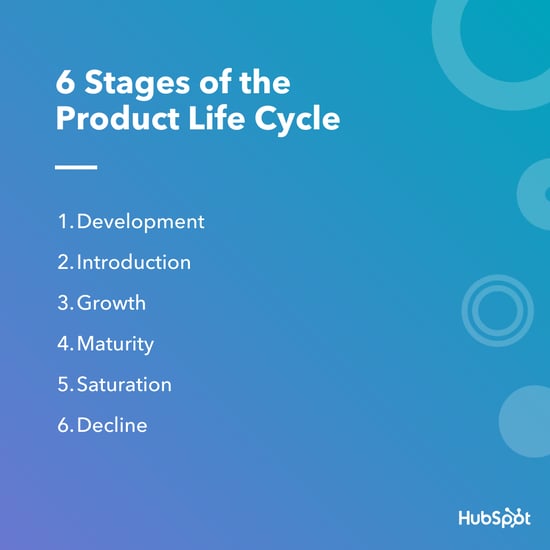
The 6 Stages of the Product Life Cycle
When I was 12 years old, I used to look through my older cousin’s CD collection, a little confused.
I didn’t understand the need to have CDs when I could go on my iTunes and listen to all my favorite songs. Then, when I was in middle school, I got my first hand-me-down iPod shuffle.
This is a great example of the product life cycle (PLC) in action. CDs were in the decline stage while the iPod was in the growth stage – more on the stages below.
Overall, the concept of the product life cycle is to help businesses make decisions on how to mature and grow in the marketplace.
As marketers, it’s important to understand how your marketing tactics and strategies will change depending on the stage your company is in.
For example, a brand new product will market differently than a well-established, mature product. On the one hand, the marketing will focus on raising awareness and on the other it’ll focus on maintaining awareness.
Below, let’s review the product life cycle — from learning about what it is, what the stages are, and looking at real-life examples.
1. Development
The development stage of the product life cycle is the research phase before a product is introduced to the marketplace. This is when companies bring in investors, develop prototypes, test product effectiveness, and strategize their launch. Due to the nature of this stage, companies spend a lot of money without bringing in any revenue because the product isn’t being sold yet.
This stage can last for a long time, depending on the complexity of the product, how new it is, and the competition. For a completely new product, the development stage is hard because the first pioneer of a product is usually not as successful as later iterations.
2. Introduction
The introduction stage is when a product is first launched in the marketplace. This is when marketing teams begin building product awareness and reaching out to potential customers. Typically, when a product is introduced, sales are low and demand builds slowly.
Usually, this phase is focused on advertising and marketing campaigns. Companies build their brand, work on testing distribution channels, and try to educate potential customers about the product. If those tactics are successful, the product goes into the next stage — growth.
3. Growth
During the growth stage, consumers have accepted the product in the market and customers are beginning to truly buy-in. That means demand and profits are growing, hopefully at a steadily rapid pace.
The growth stage is when the market for the product is expanding and competition begins developing. Potential competitors see success and want in. During this phase, marketing campaigns often shift from getting customers to buy-in to the product to establishing a brand presence so consumers choose them over developing competitors.
Additionally, as companies grow, they’ll begin to open new distributions channels and add more features and support services.
4. Maturity
The maturity stage is when the sales begin to level off from the rapid growth period. At this point, companies begin to reduce their prices so they can stay competitive amongst growing competition.
This is the phase where a company begins to become more efficient and learns from the mistakes made in the introduction and growth stages. Marketing campaigns are typically focused on differentiation rather than awareness. This means that product features might be enhanced, prices might be lowered, and distribution becomes more intensive.
During the maturity stage, products begin to enter the most profitable stage. The cost of production declines while the sales are increasing.
5. Saturation
During the product saturation stage, competitors have begun to take a portion of the market and products will experience neither growth nor decline in sales.
Typically, this is the point when most consumers are using a product, but there are many competing companies. At this point, you want your product to become the brand preference so you don’t start to enter the decline stage.
Again, marketers need to focus on differentiation in features, brand awareness, price, and customer service. The competition reaches its apex at this stage.
6. Decline
Unfortunately, if your product doesn’t become the preferred brand in a marketplace, you’ll typically experience a decline. Sales will decrease during the heightened competition and are hard to overcome.
Additionally, consumers might lose interest in your product as time goes on, just like the CD example I mentioned earlier.
If a company is at this stage, they’ll either discontinue their product, sell their company, or innovate and iterate on their product in some way.
To extend the product life cycle, successful companies can implement new advertising strategies, reduce their price, add new features to their increase value proposition, explore new markets, or adjust brand packaging.
The best companies will usually have products at several points in the product life cycle at any given time.
Example of a Product Life Cycle
Similar to the CD example above, let’s follow the product life cycle of the typewriter:
- Development: Before the first commercial typewriter was introduced to the market, the overall idea had been developed for centuries, beginning in 1575.
- Introduction: In the late 1800s, the first commercial typewriters were introduced.
- Growth: The typewriter became a quickly indispensable tool for all forms of writing, becoming widely used in offices, businesses, and private homes.
- Maturity: Typewriters were in the maturity phase for nearly 80 years, because this was the preferred product for typing communications up until the 1980s.
- Saturation: During the saturation stage, typewriters began to face fierce competition with computers in the 1990s.
- Decline: Overall, the typewriter couldn’t withstand the competition of new emerging technologies and eventually the product was discontinued.
However, not all products need to face the decline stage. Companies can extend the product life cycle with new iterations and stay afloat as long as they have several products at various points of the product life cycle.
Whether you’re developing a brand new product or working with a mature, well-established brand, you can use the product life cycle stages as a guide for your marketing campaigns.

Social Media Demographics for Marketers in 2020
We get it, fellow marketers —sometimes, you just need the numbers.
The new year means a lot of things: new life changes, new opportunities, chances to change lives, and, for marketers, new campaigns to plan.
The juggernaut known as social media only gets bigger with every new year, and because of that, demographics shift with it. And, ultimately, keeping on top of important numbers before your social media campaigns can help you with ROI in the long run.
Here, we’ve compiled the state of social media demographics, optimized with the most important data you need to know about your audience and shaping your personas for 2020, including everything from Instagram to TikTok.
- Facebook has over 2 billion users. (We Are Social)
- Facebook users are 74% female and 62% male. (We Are Social)
- The most popular age range of Facebook users is 18–29, at 81%. (The Rainmaker Blog)
- 75% of Facebook’s users are located in urban areas. (The Rainmaker Blog)
- 96% of Facebook users access the site via mobile devices. (Statista)
- 269 million of Facebook’s users are in India. (Statista)
- College graduates make up for 77% of Facebook’s adult users. (The Rainmaker Blog)
- The median income of most Facebook users is between $30,000-$49,000. (The Rainmaker Blog)
- Instagram’s users are 39% female and 30% male. (The Rainmaker Blog)
- The most popular age range of Instagrammers is 13-17, at 72%. (The Rainmaker Blog)
- Most of Instagram’s users are located in urban areas, at 42%. (The Rainmaker Blog)
- Instagram has 600 million daily active users. (The Rainmaker Blog)
- Instagram has over 1 billion monthly active users. (Instagram)
- 500 million active users interact with Instagram Stories. (Instagram)
- 42% of Instgram’s users are college graduates. (The Rainmaker Blog)
- 60% of users say they discover new products on Instagram. (Instagram)
- Twitter has over 330 monthly active users. (Statista)
- The U.S. is the country with the most Twitter users, at 48 million. (Statista)
- Twitter users are 24% male and 21% female. (Statista)
- According to Twitter’s internal data, Twitter is the #1 platform for discovery. (Twitter for Business)
- 32% of Twitter users have a median income of $75,000. (The Rainmaker Blog)
- 27% of Twitter users are between 30-49. (The Rainmaker Blog)
- There are 29% of Twitter users living in urban areas. (The Rainmaker Blog)

Snapchat
- Snapchat reports that 38% of its audience are exclusive to the app in comparison to Facebook or Instagram. (Snapchat for Business)
- Snapchat has 210 million daily active users. (Snapchat for Business)
- 24% of social media users have Snapchat. (Pew Research Center)
- 73% of 18-24 year olds use Snapchat. (Pew Research Center)
- 46% of US adults visit Snapchat multiple times a day. (Pew Research Center)
TikTok
- TikTok is available in over 150 markets in 75 languages. (App Ape Lab)
- There are 500 million monthly active TikTok users. (App Ape Lab)
- TikTok users are 55% male and 44% female. (App Ape Lab)
- The most popular age group of TikTok users are teens, with 21% male teenagers and 18% female teenagers. (Business of Apps)
- In Asia, the #1 market for TikTok is Cambodia. (Business of Apps)
- Half of TikTok users are under the age of 34. (MarketingCharts)
- 37% of adult TikTok users have a median income of over $100,000. (MarketingCharts)
- 41% of TikTok users are teens. (Oberlo)
YouTube
- 81% of US internet users aged 18-25 watch YouTube videos. (Statista)
- YouTube has two billion monthly logged in videos. (Statista)
- 15% of YouTube’s traffic comes from the U.S. (Alexa)
- 73% of adults watch YouTube videos. (Pew Research Center)

- LinkedIn has 660 million members. (We Are Social)
- The website is available in 24 different languages. (We Are Social)
- The region with the most users is Europe, with over 206 million. (We Are Social)
- LinkedIn has the fastest growing membership rate among 18-24-year-olds. (We Are Social)
- The largest age group on Reddit is 18-29 year olds, at 29%. (Statista)
- Reddit’s largest traffic by desktop users comes from the US, at 49%. (Statista)
- Reddit has over 1.2 billion monthly visits. (Statista)
- 15% of Reddit users are male, 8% of Reddit users are female. (Statista)
- Only 10% of females under 50 use Reddit. (Pew Research Center)
- 42% of Reddit users are college graduates. (Pew Research Center)
- Reddit users from the US make up 50% of its traffic. (Search Engine Journal)
- 70% of Redditors speak English. (Search Engine Journal)
Feel free to refer to this list periodically as you’re working through your editorial calendars and audits for the new year. As this time of year calls for a fresh slate, the research behind your next incredible campaign has to be fresh, as well. Happy planning!


How to Make a Dramatic Career Shift, According to a Freelancer Who Made $3 Million
For many of us, New Years Resolutions likely include less social media, more time with friends, or a renewed focus on health and wellness (which is probably why my gym is packed throughout the month of January … ).
And, as it turns out, there’s another popular New Years Resolution for many people in 2020 — a career shift.
In fact, a new study from Fiverr and YouGov shows over half of American workers (59%) want to make changes to their careers in the new year.
Among other things, these changes include location shifts, industry shifts, the ability to work remote, or a desire to pursue a passion.
If you’re one of the 6 out of ten interested in a career shift, you’re in luck. Here, we’ve interviewed top Fiverr freelancer Charmaine Pocek — who’s made over $3 million on Fiverr helping people with career moves — to determine her five tips for drastically changing your career in 2020.
Tip #1: Think long and hard about what you’re passionate about.
“Our likes and dislikes change a lot over time, whether it’s the food we eat, the music we listen to, or even the people we choose to hang out with. That’s why before making a change, it’s always a good idea to reflect on what you feel strongly about in your life and career. Think about what you like to do outside of work. But, also, think about the things you like about your job and how those could transfer elsewhere.” Pocek advises.
She continues, “Do you travel a lot, does your company give you the opportunity to work remote, or do you get to pursue passion projects? Even if the company you work for or the work you do isn’t something you want to continue with, maybe there are aspects about it that you enjoy and want to hold onto.”
“It’s also important to have a clear and meaningful purpose that you find emotionally engaging. What do you really
need from your work? To make a difference? To become financially independent?”
“You should be able to answer these questions before pursuing a career change.”
Think you might be interested in marketing? Take a look at HubSpot’s Ultimate Guide to Marketing Jobs.
Tip #2: Meet people, network, and ask for help.
Pocek says, “After you’ve identified your passion and thought about what you really need from a job, it’s time to network, network, network. But it’s not always about going to meet-ups and expensive conferences. For instance, let’s say someone has decided they want to move into the world of photography. A great way of networking for them would be to direct message influencers they follow on Instagram, and ask them how they got started.”
Alternatively, if you’re interested in pursuing a career in marketing, Pocek advises, “Reach out to someone that works at your favorite company on Linkedin, or via email, and introduce yourself. In many cases, people will appreciate the extra effort you’ve put in to connect with them 1:1 and are more likely to be willing to share advice, tips, etc.”
Tip #3: Set small goals for yourself and reward yourself when you meet those goals.
Pocek suggests, “Let’s use the photography example from above. You may not be able to quit your job and travel the world taking photos just yet — but that said, if that’s what you’re looking to do, make an effort to travel more and take photos on the weekends. Whatever your end goal is, whether it’s to change the company you work for, increase your flexibility at work, or work remote more often, every time you muster up the confidence to ask your boss to work from home, or every time you send out your resume to a new company, reward yourself.”
Additionally, Pocek adds, “One thing I did for myself this year was to buy myself a Pandora bracelet. Throughout the year I have set small goals for myself and whenever I meet a goal, I will buy a charm for that bracelet. It might take me years to fill it up, but once I do I can tell you, it’ll be the most rewarding feeling.”
Tip #4: Don’t be afraid to step outside your comfort zone and just do it.
“You do or you do not. There is no try. Those words were spoken not by Socrates or Aristotle, but rather Yoda (or, really, George Lucas). Ultimately, this quote reminds me that you can prepare yourself all you want to make a change, but you’re not going to know how it will turn out until you just do it.”
“That’s always the hardest part. Whether you’re starting a new diet or writing a book, it’s always the first day, the first page that’s the hardest. But you did it. You committed and you need not try, you just have to do.”
Tip #5: Always remember why you wanted this change in the first place.
Pocek concludes, “I realized that something needed to change in my work-life / financial situation when my husband and I decided to adopt. We wanted to grow our family but didn’t have the means to do it. That’s when I started working on Fiverr helping people with their resumes. I remember this daily and am so grateful (and proud) of the family we became.”
“Remembering why you started something or opted for a certain change can revitalize your passion in what you’re doing, and save you when you’re feeling down. I work just as hard now as I did when I started working in this field, if not harder, to make sure this little family that we’ve built creates more memories that last a lifetime.”

12 Best Screen Recorders to Use for Collaboration
During my HubSpot on-boarding, marketing new hires had to watch recorded product demonstrations to learn the platform. These videos typically included a screen recording, webcam footage, and narrated audio to go along with it.
Those training videos were recorded using screen recording software, which can be used to record a portion or the entirety of your computer screen. These recordings often include audio and cursor movements.
For your team, screen recorders can be used for several reasons — from creating tutorials for your website to recording a recurring tech issue to sending your marketing team a quick note instead of an email.
Plus, we can’t forget about product demos and training videos that can be used by many departments on your team, from marketing to sales to customer service.
Below, let’s learn about the best free and paid screen recording options for your company — whether you work at a small business or enterprise company.
1. Camtasia
- Price: Individual, $249 one-time fee, install on two machines per user; Business, $199.20 – 240 depending on the size of your team
- Best for: Professional videos
Camtasia is a screen recording option for Mac and Windows users that are looking to create professional-looking videos such as webinars, explainer videos, or knowledge base videos.
With this software, you can record your screen and audio, add effects including text and transitions, and instantly upload your video to YouTube, Vimeo, or Screencast.
Additionally, this software offers features including music and audio from its royalty-free music and sound effects, catchy titles and annotations, quizzes for interactivity, and animated transitions.
The built-in video editing tool is what sets it apart from other screen recording software, giving this software the ability to create more put-together videos for your team.
2. SnagIt
- Price: Individual, $49.95 one-time fee, install on two machines per user; Business, $24.97 – 49.95 depending on the size of your team
- Best for: Visual instruction videos
With this option, your team can easily create instructional videos that are customizable.
Before you begin, you can choose to create a video from templates, images, or record a new video.
Once you capture the process, you can markup the screenshots or talk through the process and add in visual instructions including custom how-to guides or tutorials.
Additionally, SnagIt offers other customizable options. You can easily move objects around on your screen capture, rearrange buttons, or even delete and edit text.
Plus, the step tool allows you to quickly document a process and workflow with a series of numbers.
The customizable tools are built with step-by-step instructional videos in mind.
3. Droplr
- Price: Pro, $5.99/month per user; Enterprise and Teams, starting at $4.99/month per user
- Best for: Remote collaboration
Droplr is a screencast tool that is best used for remote collaboration.
When you capture a screenshot or record your screen, you can explain your thoughts by adding messages with the text field.
Additionally, there’s also a privacy feature so you can blur sensitive information to keep your content safe.
However, one of the best tools is that your videos can be branded, with customizable short links using your company domain, adding a company logo, and using your own branding images for professionalism.
Overall, the advanced annotation feature makes this a great option for remote teams to get their jobs done faster.
4. OneScreen
- Price: OneScreen Hype, $10/month; OneScreen Swap, $10/month; OneScreen Annotate, $100
- Best for: Collaboration and video conferencing
OneScreen is a browser-based video conferencing tool companies can use to collaborate, meet, train, or present.
One of its most basic capabilities is the screen sharing and recording function, so your team can record any meeting right in the browser, no download required.
Additionally, there are robust annotation and whiteboard tools your team can utilize.
While OneScreen works well with enterprise companies who need video conferencing hardware and software, it also offers more affordable software for smaller companies.
1. Loom
- Price: Basic Plan, free; Pro Plan, $8/month; Team and Company Plan, contact for pricing
- Best for: Work communication
Loom is one of the best screen recorders on the market for Mac, Windows, and iOS.
You can easily record your whole screen or a partial screen and narrate using your microphone. At HubSpot, we’ve been known to use it to disseminate information to our marketing team.
When you’re done recording, it offers easy editing capabilities, allowing you to trim the video or add a call-to-action (CTA) and custom thumbnail.
To share your video, you can instantly share with a link and even add a password for extra privacy. Loom’s easy-to-use platform and privacy features make it an excellent choice for workplace communication.
Overall, this is a great choice because it’s quick, easy to use, and offers everything you’d need.
2. Screencastify
- Price: Free; Unlimited, $49/year; Teams, contact for pricing
- Best for: Tutorial videos
Screencastify is a Google Chrome screen recorder that is best used for creating tutorial videos.
With its free version, you can easily record up to five minutes per video of your screen and webcam, add annotations, trim your videos, and export to Google Drive or publish to YouTube.
The paid versions offer some more bells and whistles, most notably the unlimited recording length, and priority support.
Other features include narration, offline recording, the ability to instantly share via Google Drive, and direct upload capabilities.
The easy annotations and customizable screen options make it an excellent choice for tutorial videos.
3. OBS Studio
- Price: Free
- Best for: Professional live streaming
Open Broadcaster Software (OBS) is a screen recording software mainly used for live streaming on platforms like Twitch and YouTube.
When you begin recording, you can choose what part of the screen you want to capture and will have access to an audio mixer. The audio mixer will allow for professional sound quality.
With OBS, you can record an unlimited amount of scenes, switching seamlessly with custom transitions.
Additionally, this software offers a streamlined settings panel so you have a variety of configuration options for your broadcast or recording.
The customizability makes it one of the best screen recorders.
4. RecordScreen.io
- Price: Free
- Best for: No frills videos
If you want an absolutely zero frills, easy-to-use option, RecordScreen.io is one of the best options.
All you need to do is go to the site and click Record. Then, you’ll choose whether to record the webcam and screen or just the screen.
When you’re finished, all you have to do is download the video.
5. Screencast-O-Matic
- Price: Free; Deluxe, $1.65/month billed yearly; Premier, $4/month billed yearly
- Best for: Quick tutorial videos
Screencast-O-Matic is another easy-to-use screen recorder that supports webcam and screen recordings.
With its free version, you can add stock music and captions to your recording, narrate from your microphone, and trim your video.
With the paid version, you’ll get more advanced animation and editing tools. For example, you can even draw on your screen while recording. Plus, you’ll have access to more music and overlay effects.
Additionally, one of the newest features is the stock library full of videos and images you can add to your recordings.
If you’re looking for a no-frills experience, the free version of Screencast-O-Matic is a great option. However, the paid options still offer advanced capabilities.
6. Bandicam
- Price: Free download or $39 one-time license fee
- Best for: Webinar recordings
Another lightweight screen recorder is Bandicam. This is a software for Windows users making it possible to capture anything on your PC screen as high-quality video.
With Bandicam, you can record webinars, games, meetings, or Skype calls. Then, you can even add narration after the video is recorded.
Additionally, features such as real-time drawing and branding make it a competitive option.
The high-definition recordings and customizable narration options make it great for webinar recordings.
An important thing to note is that the free version places a watermark on videos, so you’ll have to be a paid user to create branded videos.
7. CloudApp
- Price: Free; Pro, $9/month; Team, $8/user per month; Enterprise, contact for pricing
- Best for: Enterprise recording communication
CloudApp is a great option for the enterprise company in need of screen recording capabilities.
However, it still offers lightweight versions for smaller teams. With the free version, you can create short videos with annotations, GIFs, and basic editing capabilities.
Still, you’ll have to pay for the more robust enterprise tool. With paid versions, you’ll have access to custom branding, management, and support tools that the other plans don’t have.
Additionally, CloudApp offers analytics and insights into who views your content and from where.
These robust enterprise capabilities make it an excellent option for larger companies.
8. TinyTake
- Price: Basic, free; Standard, $29.95/year; Plus, $59.95/year; Jumbo, $99.95/year
- Best for: Annotated videos
TinyTake is another screen recording option for Windows and Mac users.
When you begin recording your screen, you can capture images, videos, and presentations. Additionally, you can add comments and annotations.
In fact, the annotation toolset is one of the most unique features. You can easily add text, highlight, draw arrows, or blur parts of your screen for privacy. This tool is a convenient way to annotate product reviews or demos.
To get the most out of this product, you’ll want to buy a paid version. The biggest difference in the free and paid versions is the recording limit and annotation capabilities.
Whether you need to record a message for your team, a product demo, or a webinar, you’ll have to use a screen recording software. While most easy-to-use, free options can be used for your needs, there are also more robust tools for larger companies.

What is Local Advertising and How Does it Work? [+ Examples]
A couple of years ago, I ran to every grocery store and convenience store in my area, looking for one specific thing.
I wasn’t going to rest until I found it, and it took months upon months of searching high and low, almost every week, until finally, my eyes settled on the slender, enticing beauty in front of me, right there in my local grocery store.
A bottle of Coke with my name on it.
Finally, I could indulge in a drink I don’t even prefer, just because my name was on it. This is the effect of the Share A Coke campaign: a global company taking steps to localize their efforts.
The great thing about this type of marketing, called local marketing, is that it favors small businesses. You don’t have to be the Coca-Cola Corporation to start a local marketing campaign and have it be effective.
Here, let’s explore what local marketing is, and how you can use it to maximize your own marketing efforts in 2020.
What is local marketing?
Local marketing is the strategy of targeting audiences close to the location of a business with messages reflecting the local market. A business wanting to use local slang or influencers to attract customers living nearby would benefit from local marketing.
The messages using this method relies on proximity. Local marketing materials engage with the communities to build a presence. Tactics like local influencers, advertisements, or hosting public events are all examples of local marketing.
Check out this Instagram post from beauty brand Frank Body. Frank is using local marketing by connecting their products to a cause specific to their home region, in Australia:
A post like this shows how local marketing can start small and then expand to the masses, by having the sale apply globally. This sale builds Frank’s reputation as a brand that cares about the local population.
Small businesses can benefit exponentially from local marketing, especially in building a loyal customer base by using local assets.
However, without an understanding of local audiences, you lose that foundation for how you can connect with a crucial part of your market.
For instance, let’s say you lead marketing efforts for a tech company, and after conducting market research, you’ve found that a common perception about your brand is that your laptops are of lower-quality than competitors.
To switch that perception, you might invite students, young professionals, and business owners in your area to perform important job functions on your laptops in-store, documenting opinions. After, the participants share high praise on social media to their followers, tagging your brand. Using those posts, you have now created a user-generated marketing campaign.
This is how local marketing shows that focusing on locality and market research can resonate with a wide audience as a result.
Let’s look at some more ideas to crack into the world of local marketing.
Local Marketing Ideas
These ideas can be scaled to your business and its needs. Remember, you don’t always need millions of dollars to be effective, you just have to focus in the right areas. Use these examples as inspiration when shaping your campaign.
1. Support a cause.
Does your brand want to lead a cause marketing campaign? This can be woven into local marketing. Conduct market research on social issues important to your target audience, like Smirnoff did with inclusivity.
Through research, Smirnoff found that 12% of millennials identified as transgender or gender non-conforming. To show their support, the company created a campaign called, “We’re Open.”
This London-based campaign took action to help marginalized groups safely at night by enlisting the help of volunteers with the help of Westminster Council. By taking action in a specific location with a specific community, Smirnoff solidified their stance on a global issue and took action to support it.
2. Personalize your efforts.
One of the key aspects of local marketing is how personalized it can be. Like the “Share a Coke” campaign, personalized messages can make consumers feel special. Coca-Cola isn’t the only global brand making local strides.
Have you ever seen the location-based mugs in Starbucks? The colorful mugs usually come with the city you’re nearest to printed on them, or with popular landmarks that define the area. It’s a fun way to be proud of where you’re from or collect a souvenir on vacation.
This interactive “Mug Map” on Starbucks’s website shows how the massive coffee company uses their global resources to keep local marketing a prominent feature of their brand. You don’t have to look far to feel included.
Personalized marketing doesn’t have to be super expensive, though, either. If you’re a B2B company, think about how customers in Perth, Australia can benefit from an Australia Day promotion.
3. Get focused on demographics.
Let’s say you want to tap into a certain group within your total audience. Activia wanted to do the same, and started conversations about the well-being of women after recognizing that typically, women are their own worst critic.
They jumpstarted this campaign with a video that showed interviews with American women talking about their connection to well-being, and specifically targeted women in the U.S. between the ages of 25 and 55.
By doing this, Activia started a conversation in a demographic that makes up a large portion of its target audience. They also improved the perception of their brand in this demographic globally by focusing on experiences to which other women can relate.
4. Host local events.
Similar to the tech company example (above), grocery store Lidl found, after market research, that the public perception of their brand was centered around low-quality food. In order to change that, they invited food specialists based in London to a private farmers market in a popular area.
The result of this was high praise on social media about the high-quality of Lidl food at competitive prices. The brand used some of the praise on social media on banners in their store, sparking a domino effect of praise and brand awareness in the London area.
By holding community-specific events, you can ignite the interest of customers in a certain area and invite them to explore your brand. A public demo of products would be a great way for a small B2B company to build a positive reputation.
So now that you have a couple of ideas of how local marketing can look, you’re probably wondering how much this is all going to cost you. Let’s explore that next.
How much does local advertising cost?
It probably doesn’t come as a surprise that the cost of ads fluctuates depending on your goal. Even so, there are handy benchmarks to point to when considering online ad costs. Here are a few of them for the most popular ad platforms, based in CPM (cost per impressions), unless otherwise noted.
- Google Ads: $2.32 per click
- Facebook: $1.72
- LinkedIn: $2
- Instagram: $5
- Snapchat: $2.95
- Microsoft Ads: $1.54 per click
Online advertising can cost thousands per month for small businesses, so make sure your decisions are informed when you make them. Ad costs can also change based on location, and that’s where location targeting comes in.
Location targeting allows you to pick and choose certain geographic locations to advertise in. This can tie in directly with local marketing. If you only want ads to appear in a certain city, region, state, country, or continent, you can.
What’s helpful about location targeting is that you can set up ads that are most beneficial to certain audiences to make sure you’ll have a more impactful ROI. Most ad platforms have the option for location targeting, so be sure to look for that when considering ad space.
Additionally, when you buy ad space, track your analytics so you can measure performance.
When it comes to ad tracking, HubSpot has an ad tracking platform within the CRM. It does the heavy lifting of data collection for you and measures the ROI of your campaigns, allowing you to sync real-time results with the rest of the campaign.
Advertising online can be a tricky business, and if you’re just starting out with the possibility, we have a complete guide available with everything you need to know about it.
Next time I share a Coke with someone, I’ll think about the market research Coca-Cola most likely conducted to figure out how many bottles of certain names to send to specific regions.
How will you use local marketing to impact your business?

8 Examples of Influencer Marketing on TikTok
Since TikTok launched in 2017, marketers have been trying to wrap their minds around the odd-ball video platform. Now, many are realizing that the key to brand awareness might involve sponsoring influencer content on the app.
Why does this strategy make sense? There are a few great reasons why influencer marketing can be beneficial on a new or niche app like TikTok.
First of all, rather than spending weeks or months analyzing the app and its audiences to determine what content will be interesting, you can work with an influencer who has a decent following, videos with high engagements, and a visible track record of reaching the TikTok audience.
Additionally, this strategy also might limit the time and resources needed to create your own videos. Rather than trying to figure out how the app works, fiddling endlessly with all its features and launching a bunch of videos that don’t gain any traction, you can work with an influencer who will already have a large, engaged audience and can create quality content for you.
If you don’t have the funds to pay an influencer, co-marketing and creating TikTok content with a user or brand that has a greater following than yours will help your audiences learn about the person or brand you’re co-marketing with, while their audience can learn more about you.
When it comes to most social media channels, influencer marketing, sponsored content, or co-marketing can be an incredibly beneficial way to spread awareness about your brand to a new platform.
Even though influencer marketing and sponsored content might seem like a great idea, you still might not be sure of where to start when it comes to finding and identifying people or companies to work with — especially on a new platform like TikTok.
While you’ll obviously want to look at a user’s follower numbers, total likes, and the comments and like-counts on individual videos, you should also look at their content to see if it’s interesting, good quality, in line with your brand, and — most importantly — attention-grabbing. You also might want to look at any past sponsored campaigns that an influencer account has posted to see how they creatively work in the product, brand, or person they’re sponsored by.
Once you start working or co-marketing with TikTok creators, you might also want to bring some unique TikTok video ideas to the table that will intrigue the user’s audience while appropriately highlighting your brand.
To help you identify great ideas for sponsored content and what you should be looking for in a TikTok influencer, I’ve compiled a list of eight sponsored TikTok videos that you can learn from.
8 Sponsored TiKTok Campaigns
1. Mucinex
One of the biggest influencer campaigns on TikTok so far has been Mucinex, which recently worked with a handful of creators to promote its product in the time between Halloween and flu season.
In the various videos, influencers wake up looking like goofy zombies. Then, then grab Mucinex. After that, the videos cut to the influencers looking fabulous and dressed for the club. The idea is that Mucinex can help you recover in time for a weekend party, even if you feel like death.
In one example of the Mucinex videos, OurFire, an account with over 2.4 million followers that follows two siblings, shows the sister and brother de-zombifying themselves before a party.
This is an excellent example of how a brand can leverage a number of influencers and an interesting holiday theme to create a viral campaign that could touch many different audiences at once. While your company might not be able to leverage multiple big influencers at the same time, you might still want to take a note from Mucinex and work with multiple affordable creators with wide-ranging audiences.
For example, if a number of lower-level thought leaders or influencers are somewhat affordable and align well with your campaign, consider working with multiple people instead of paying for just one big influencer. By doing this, you could get even more content created that discusses your product, and reach multiple different audiences associated with each influencer or thought leader.
2. Target and Vera Bradley
In a recent back-to-school themed TikTok video, influencer Victoria Bachlet presents a montage of video clips that show her visiting Target, buying Vera Bradley self-care products, and using them at home as she prepped for a new year of school.
The video was aimed at spreading brand awareness for both Target and the Vera Bradley X Venues self-care product collection.
Bachlet, who has 2.9 million TikTok followers, often uses her TikTok as a vlog where she gives viewers a look into her daily life. She often posts about romance, parties, self-care, and many other topics that teen or young-adult women can relate to.
Because Target markets itself to a variety of age groups and is a business that a lot of young people enjoy shopping at, this influencer choice and video aligns well with their audience. While viewers might be able to relate to a back-to-school Target trip, they might also be interested to find out about the new Vera Bradley products being sold there.
Although the video caption clearly says the post is an ad, it still feels like it was made by the influencer herself. This makes the video natural and more like an endorsement rather than a native ad.
The strategy of showing a customer or influencer’s shopping experience could also work for smaller businesses on TikTok or other video-friendly social media platforms.
For example, you could have an influencer or frequent customer in your area or industry film themselves using your products or walking around in your physical store. This type of video will highlight all the great products you have to offer while showing audiences that relatable people like themselves shop for your products. Then you could adapt and edit this video content for TikTok or other platforms, like Instagram or YouTube.
3. Too Faced
To spread awareness for Too Faced’s new Damn Girl Mascara, the cosmetics brand sponsored a video from top TikTok user Kristen Hancher. In the video, Hancher, a vlogger with more than 23 million TikTok followers, sings into the camera with no eye makeup on. The video then cuts to her singing with Too Faced mascara on as she flashes the mascara bottle in front of the camera.
Although TikTok videos are often too short for full how-to’s and tutorials, Hancher and TooFaced have leveraged the same effect by showing a musical before-and-after video instead. This is a great example of how brands can creatively embrace short-form videos on this platform.
This video also quickly grabs the viewer’s attention, which is absolutely vital on an app like TikTok where you can simply swipe to another video in your feed if certain content doesn’t immediately interest you.
Aside from TikTok, Internet users and most social platforms are also getting more and more fast-paced. Because of this, being able to create short videos that quickly highlight your product’s value proposition could be incredibly beneficial and essential to your future marketing strategies.
Even if you don’t want to use TikTok for social media marketing, creating video content that immediately grabs the viewer’s attention can be beneficial on most of today’s big platforms. Looking at TikTok posts like the one above will give you good inspiration of how to show off your product as quickly and intriguingly as possible.
4. Blinger and Wicked Cool Toys
In a recent sponsored video, TikTok influencer Jasmine Gonzalez takes her brother’s shoes, decorates them with her Wicked Cool Toys’ Blinger kit, and gives them back to her excitedly happy brother.
The Blinger promotion is another example of how a brand and TikTok creator have found a short-form alternative to a how-to video or tutorial. Instead of showing the process of decorating the shoes, Gonzalez’s video shows a before-and-after of the shoes, as well as the pure candid joy of her little brother as he gets the shoes back.
Gonzalez’s TikTok video is both fun and pleasant, which makes Blinger and the idea of shoe decoration pretty memorable. Similarly to a more traditional commercial, the video also demonstrates how every-day people, such as Gonzelez’s brother, might enjoy items that are decorated with the kit.
5. Run Around
Recently Run Around, a smartphone game that requires your character to run in a full circle without hitting any obstacles, leveraged a gaming influencer, Candice867, for sponsored content. In the TikTok video, Candice simply records her screen and her voice as she plays the game:
The video-game content seen above is not unnatural to this particular influencer’s channel. In fact, all of her TikTok posts are simply videos of her playing mobile games.
While this video will likely be seen by Candice’s video game-oriented followers, this is also a great piece of sponsored content because it shows prospective users exactly what the game is like and how it’s played. If the game looks fun, viewers might be quick to go there app store and find it.
Like the other videos on this list, the content attempts to gain attention by simply showing how its product works as quickly as possible.
When it comes to TikTok promotions, it’s clearly more beneficial to be more upfront about what your product does as quickly as possible, rather than posting content which beats around the bush and doesn’t show off your value proposition immediately.
6. Just Dance 2019
In another video game-oriented post, an influencer named Jelina posted a sponsored duet video with a character from Just Dance 2019. During the duet, the influencer follows the same dance steps as the character on the right of the video.
For those who are familiar with Just Dance games, each edition of the game allows you to follow the dance steps of cartoon characters to the sounds of popular music. The games can also record you dancing next to the characters dancing so you can see how close your steps were to their own.
With TikTok’s Duet feature, which allows you to see two videos back-to-back, Jelina, the influencer, nearly mimics the playback experience that you can get when you’re playing the Just Dance games.
Like the Run Around example above, this video allows you to see exactly how Just Dance is played while watching an influencer dance up against one of the characters in the game. This is a fun video for the influencer’s audience as they can see how close her moves are to the characters, but it also reminds viewers of how fun the game can be to play. If viewers haven’t played a Just Dance game in the past, a video demonstration like Jelina’s might spark their interest in it.
7. Freal
To promote its smoothies and milkshakes, Freal sponsored a funny video from the HaueterFamily, a TikTok account that follows an every-day family.
In the video skit, a boy tells his mom that something is wrong with his brother. When the mother, filming the video, goes outside, she sees that her son is “hangry.” The video cuts to her bringing her sons to the convenience store, where they feed Freal to the son with “hanger.”
This video is so memorable because it comedically shows how Freal is both tasty and helps eliminate the mood-related pain point of hanger: anger related to hunger.
If you can’t do a how-to or mini-tutorial on TikTok or another short-form video app, you could take a note from Freal by sponsoring a funny, yet relatable, skit about your product. While this content doesn’t prove that Freal is better than other products, it still makes the food brand stick in the viewer’s mind well after they’ve watched the content.
8. Red Bull
in a recent video from a TikTok user Keeoh, the smaller-scale influencer with nearly five thousand followers makes viewers think he’s going to perform a magic trick with Red Bull. He taps a Red Bull can with a spoon, opens it and pours the drink into a travel mug. Then, he flips the mug upside down to reveal that there’s no Red Bull inside it.
Just as you think that the drink’s disappeared, Keeoh’s friend pops up from behind the table with his shirt covered in Red Bull. It then becomes humorously obvious that the influencer was actually pouring the drink into his mouth and not the mug.
This Red Bull magic trick video is simple, pretty funny, and doesn’t seem like it was hard to make. Still, because of its humor, it’s pretty memorable. Although the content doesn’t show you why Red Bull is a great product, you still might remember the brand due to the entertainment factor,
Additionally, if a younger person sees an influencer they follow doing tricks or skits featuring Red Bull, they might be more interested in the product or think that the influencer is endorsing it because they also enjoy the product.
Lastly, this is also a great example of how you can leverage a smaller scale influencer to create somewhat affordable content. While the video is short, memorable, and spreads awareness of Red Bull to the influencer’s audience, it doesn’t look like it was a high-budget piece of content for the company or the influencer.
What makes a successful TikTok influencer campaign?
If you’re interested in leveraging influencers on TikTok or another social platform, keep these ideas in mind as you vet them and work with them to create interesting content:
- Look for influencers who have a strong sense of what great content is on their platform: You should also check out an influencer’s video comments, like-counts, and followers to see if they have established a following.
- Vet influencers that might have a similar audience: This might make their endorsements of you feel more natural and less like an ad. A great example of this is how Run Around sponsored content from a mobile gamer with a high TikTok following.
- Brainstorm ideas that align well with the influencer’s content and as well as your brand’s goals: If the influencer doesn’t have any ideas in mind, pitch content that quickly grabs attention from fast-paced social media audiences and concisely explains why your product matters to them.
Still trying to wrap your mind around this whole TikTok thing? We’ve got plenty of blog posts to help you catch up on the app’s short history, learn how to use the app, get inspiration from successful brand accounts, and find the stats you need.

5 Examples of Sensory Branding in Retail
When I was in middle school, the coolest place to shop was Abercrombie & Fitch. I loved going in and picking out my favorite jeans and hoodies. The issue was that my mom — who I depended on to drive me to the mall — couldn’t stand going into the store. Why? Long story short, she referred to her experiences at the Abercrombie store as “sensory overload”.
Now, I don’t know if you’ve been in an Abercrombie & Fitch store before, but it’s quite dark due to their dim lighting. They also spray their identifiable and unique perfumes and colognes everywhere — on, above, below, and around all of their clothing. Lastly, they play really loud music.
As a 14-year-old, none of this bothered me. In fact, all of these factors — which are actually examples of Abercrombie’s sensory branding at work — made me feel more mature, older, and (most definitely) cooler than I was. The mood lighting, smell, and the music made me — a member of their target audience — want to become and remain a loyal Abercrombie customer.
Not only that, but, if I closed my eyes and walked into one of their stores, I’d immediately know I was at Abercrombie based on the smell and music alone. Or if I was unable to hear, I’d know I was in an Abercrombie store due to the dim lighting and the smell of the cologne and perfume floating around. The feeling I had as a customer was one I thoroughly enjoyed and sought out.
So, whether or not you agree with my view or my mom’s view of the store, it’s clear that Abercrombie & Fitch’s sensory branding efforts were effective and successful among their target audience.
Sensory branding has the potential to improve customer loyalty, strengthen brand advocacy, and make for a memorable experience for customers that keeps them coming back. It can help build a sense of trust and familiarity between customers and your brand as well as offer a feeling of comfort as they complete a transaction.
The Future of Retail: Sensory Branding
Sensory branding is a powerful tactic for businesses because it elicits a variety of meaningful and memorable responses from individuals. It plays a large role in your ability to become a brand that your consumers can’t forget — one that your customers and promoters recognize based on a sensory response they experience when they come in contact with your branding.
When your business incorporates sensory branding, your marketing efforts are bound to be more powerful and will be more likely to resonate on a deep level with the members of your target audience. (Did you know that studies have shown people can remember a scent with 65% accuracy after one year?)
How Sensory Branding Works
Sensory branding, via any of the five senses, often takes place at the beginning or middle of the buyer’s journey (similar to the Abercrombie & Fitch example above). However, it has become more common for businesses to create sensory branding experiences at the end of transactions, too.
Whether it’s a noise, vibration, or visual that customers experience at the end of a transaction, this type of sensory branding can provide a sense of comfort for the consumer and make them feel more confident in their purchase. For example, Visa created a sensory experience that happens when a customer’s transaction is finalized (which we’ll explain in more detail momentarily).
Next, to help you gain a better understanding of the ways you can successfully implement sensory branding in your marketing efforts, let’s look at five examples of businesses that did so successfully.
1. Sensory Branding by Visa
As mentioned above, Visa has started incorporating a sensory branding experience at the end of their users’ transactions. That’s because they’ve found that sound plays a part in how consumers make purchases.
Once a Visa cardholder uses their card and their transaction is officially complete, consumers hear a unique sound — one the company worked long and hard to perfect. When customers hear this sound, they know their purchase was finalized successfully and securely. This type of sensory branding provides comfort and consistency for Visa cardholders. The Visa Checkout sound fosters a feeling of trust and safety that consumers associate with the brand.
2. Sensory Branding by Singapore Airlines
Singapore Airlines’ branding targets multiple senses — specifically, scent and sight. The airline has a one-of-a-kind, refreshing, and subtle scent (rose, lavender, and citrus) worn by all flight attendants that’s also sprayed onto their towels and throughout other elements throughout services. This specific smell is one you’ll only experience while flying with the airline.
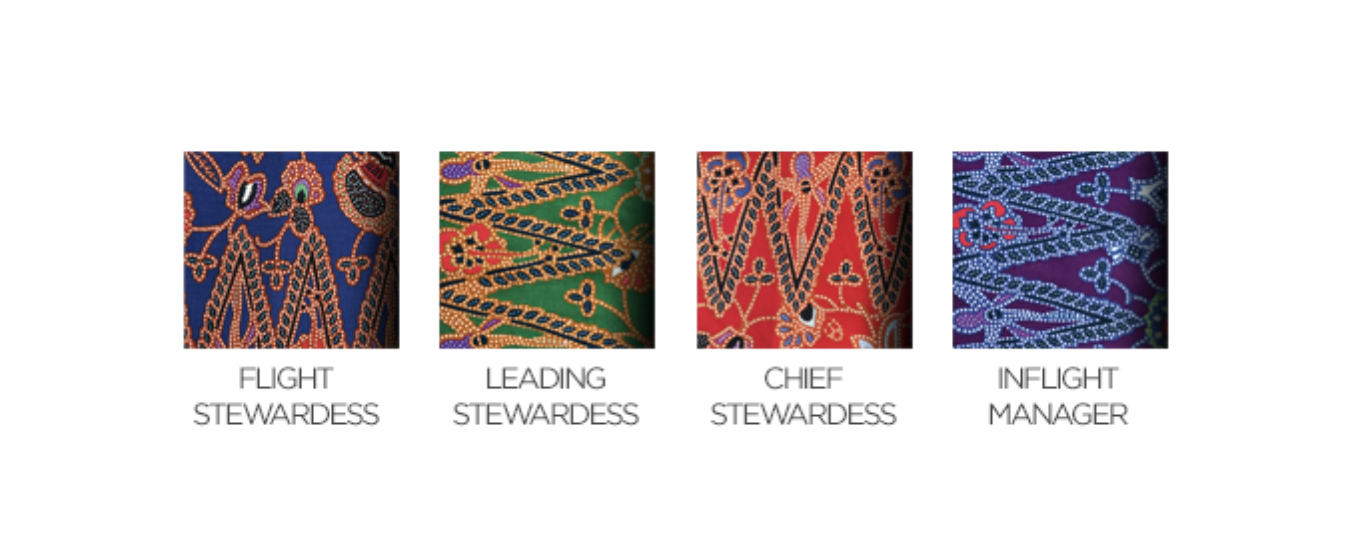
Additionally, the airline requires all flight attendants to wear “The Singapore Girl” uniform, in the color and pattern that matches their earned designation. These sensory branding examples are uniquely Singapore Airlines and add a professional, high-end, and consistent experience for the flyers who make up their target audience.
3. Sensory Branding by Apple
Apple taps into numerous senses at once with their branding. Their stores, for example, are all white, minimalist, and clean — this gives customers the feeling of a modern, sleek, and high-end tech company. Their packaging provides the same feeling through a similar look. In addition to sight and touch, Apple targets its customers through sound.
For example, when one of the hundreds of millions of iPhone users go to lock their iPhones, the devices all make the same, identifiable, and memorable noise.
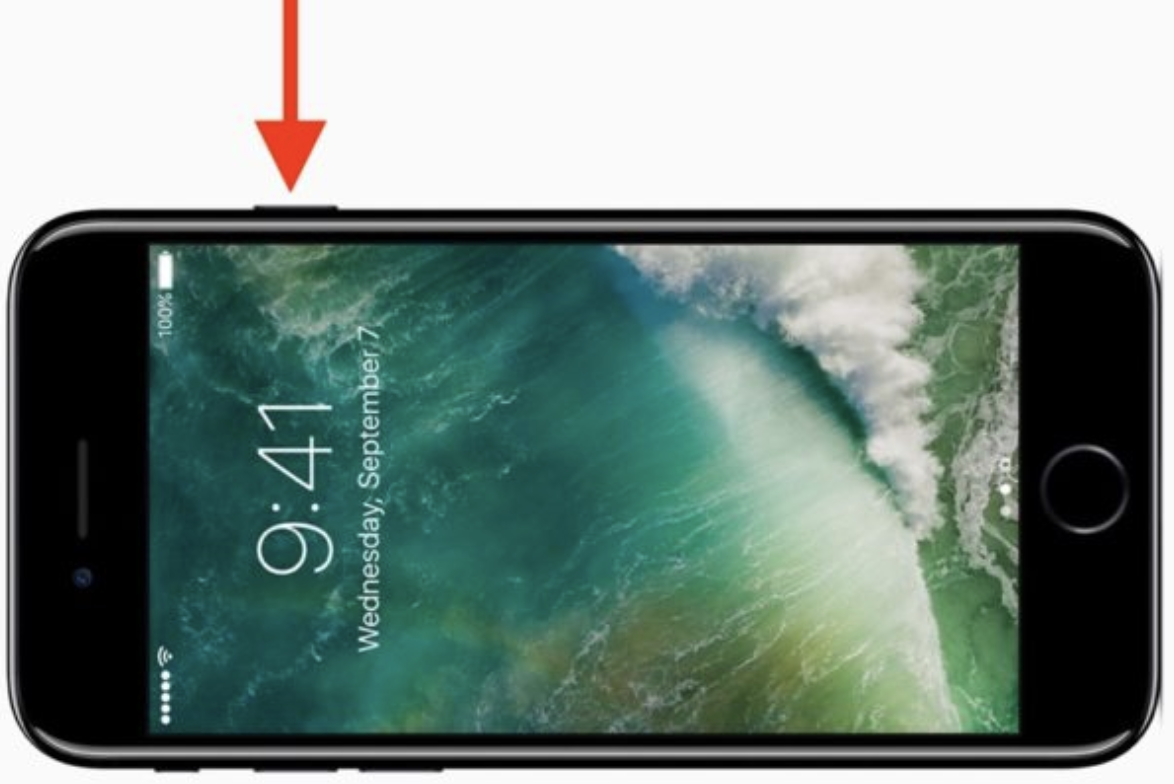
The lock noise sounds a bit like something is latching or clicking together, which contributes to users feeling as though they’re closing their phone securely. This sound is universal among all iPhones which provides a sense of consistency and familiarity.
4. Sensory Branding by Starbucks
The smell of fresh coffee in all Starbucks stores is known to be strong — that’s because every store is required to grind their unique coffee beans. This allows for the coffee aroma to float around the store and hit customers the moment they walk through the door.

Starbucks ensures the aroma is potent in its stores so that it elicits a sensory reaction from customers. The company does this even though it has been found that it’d be more cost-effective to grind and package the beans, and then send them to individual stores.
This would also allow the baristas more time to focus on other tasks. However, Starbucks knows its stores would no longer have the same aroma if they made this change. Instead, they go for the memorable, soothing, and consistent aroma their coffee beans provide for customers in stores across the globe to help boost customer loyalty and improve sales.
5. Sensory Branding by Mastercard
Mastercard is using sensory branding to create a new identity for consumers using their credit cards — the “sonic identity”, to be exact. Consumers hear the sonic sound when they complete a transaction. the sound is meant to symbolize the intersection of the red and yellow circles in Mastercard’s logo.
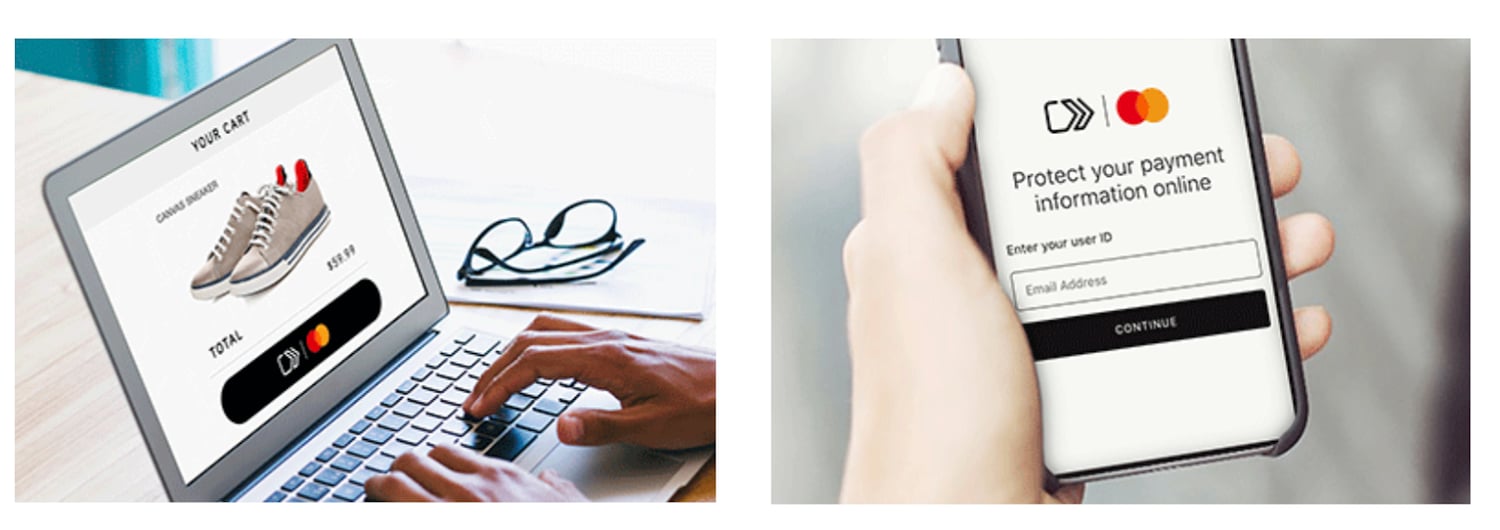
The sonic sound is a form of sensory branding that consumers hear while shopping with their Mastercards online, in stores, and while using voice search. The noise provides a sense of security and consistency — consumers know their transactions were successful due to the familiar sound. Additionally, although the sonic sound isn’t actually made by the circles in the Mastercard logo intersecting, it still provides an imaginary visual experience for customers, too.
Start Using Sensory Branding
Sensory branding has the ability to help you reach your target audience and customers in a way that no other form of marketing can. It has the power to help you boost loyalty and advocacy as well as increase revenue. So, look to the examples we reviewed for inspiration, and begin working on your sensory branding experience.
