Welcome to My Blog
20 Questions to Ask When Creating Buyer Personas [Free Template]
Knowing your customers is a crucial component of successful inbound marketing. Get started with buyer persona questions that can help you understand customers’ mindsets.
We’ve gathered 20 questions that can help you identify your audience. After you explore the answers, use this free buyer persona template to share your findings with the rest of your company.
Remember: you’ll need a content marketing strategy to reach your buyer personas. Find out how with HubSpot Academy’s free content marketing training resource page.
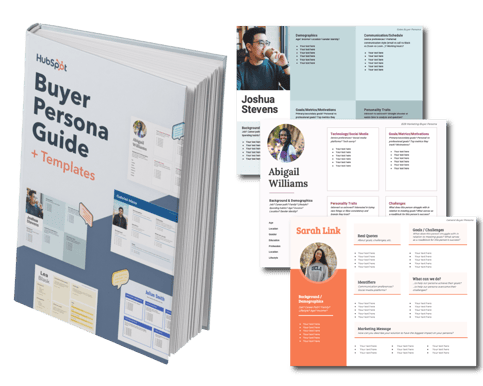
Download our free buyer persona template here to learn how to create buyer personas for your business.
Questions About Their Personal Background
1. Describe your personal demographics.
Collecting demographic information is a great place to begin drafting your personas. These questions paint a clearer, more personal picture of your customer.
Understand what communities they are a part of, and how those identities impact their interaction with your brand.
What to Look for in the Answer
Are they married? What’s their annual household income? Where do they live? What are their cultural and racial backgrounds? What is their gender identity? How old are they? Do they have children?
2. Describe your career path.
Having an idea of your client’s background tells you a lot about the type of information that they consume and the problems that they can face regarding their work. This can be especially helpful if you sell a B2B product.
What to Look for in the Answer
How did they end up where they are today? Has their career track been pretty traditional, or did they switch from another industry?
3. Describe your educational background.
Get specific here. “Boston University” is better than “liberal arts college.” Where a person went to school can impact their worldview. That includes both the size of the college, their major, and the location of the school.
What to Look for in the Answer
What level of education did they complete? Which schools did they attend, and what did they study?
Questions About Their Company
4. What is the size of your company?
Keep an eye out for specific details about the company. The size of a business impacts how many people use your product, as well as the way they use your offering. Understanding the amount of revenue can help you set appropriate pricing.
Knowing details about your persona’s company, like the number of employees, will help you when you’re building the fields for your landing page forms.
What to Look for in the Answer
How many people work at the company? How much revenue does the company generate? How many customers does the company serve?
5. In which industry or industries does your company work?
The answer to this question isn’t the department in which your buyer persona works. Your buyer persona’s industry is the type of service they deliver to their clients, and knowing this can help you measure your business’s impact in the markets you’re targeting.
Depending on the challenges your buyer persona faces, it might also be worth getting information on the industries your client’s business serves, not just the actual service they provide.
For example, if your buyer persona provides renewable energy plans for hospitals. They are in the environmental services industry for education and medical customers.
What to Look for in the Answer
What sector do potential buyers work in? Are they in a broad industry like healthcare or insurance? Are they in a more niche market?
Questions About Their Role
6. What is your job role? Your title?
The importance of your buyer persona’s job depends on the product or service you’re selling.
If you’re a B2C company, you may simply consider this information as another way to better understand the nuances of your persona’s life.
If you’re a B2B company, this piece of information becomes more crucial. Is your persona at a managerial or director level, and well versed in the intricacies of your industry? They’ll need less education than someone at an introductory level, who may need to loop in other decision-makers before making purchasing decisions.
What to Look for in the Answer
How long have they had this role and title? Are they an individual contributor, or do they manage other people?
7. To whom do you report? Who reports to you?
If you have a B2B offering, knowing your buyers’ seniority levels is especially important. This information can help your sales team understand who prospects might be.
For B2C companies, your users’ seniority level can give you insight into their lifestyles. Do people spend most of their time in the office? Are they often in meetings? That will impact when and where they use your product.
What to Look for in the Answer
How senior is your buyer? How many people work for them? Where are they in the larger organization?
8. Which skills are required to do your job?
If they were hiring someone to replace them and had to write a job description of what’s required, what would it say? Understanding your buyer’s skillsets can help you understand the level of training they need when using your product.
Or perhaps, your product is intended to supplement a skill they lack. Knowing where their strengths are can help you focus your product development efforts.
What to Look for in the Answer
What are the ideal skills for this job, and how good is your persona at each of them? Where did they learn these skills? Did they learn them on the job, at a previous job, or by taking a course?
9. What does a typical day look like?
This should include both the tasks they do for their job, as well as what happens during the day outside their job. Knowing your personas’ schedules can help you understand when they use your offering. That holds true for both B2B and B2C products.
What to Look for in the Answer
For their time in the office, look for the following.
- What time do they get to work and what time do they leave?
- What do they do when they’re most productive?
- What’s their “busy work” look like?
For time spent outside of the office, take note of the following.
- Are they spending more time at work or at home?
- Where would they rather be?
- What do they like to do for fun?
- Who are the people in their life that matter most?
- What kind of car do they drive?
- Which TV shows do they watch?
- Heck, what outfit are they wearing? Get personal here.
10. How is your job measured?
You should know what metrics will make your user successful, and what they might be worried about when it comes to “hitting their numbers.” This can help your marketing team identify which features to highlight.
What to Look for in the Answer
Which metric(s) is your persona responsible for? Which numbers or charts or waterfall graphs do they look at every day?
11. What knowledge and tools do you use in your job?
Understanding what products they love (and hate) to use can help you identify commonalities in your own product (and adjust your positioning accordingly). You can also understand how your product integrates with their pre-existing tech stack.
What to Look for in the Answer
Which applications and tools do buyers use every single day? Every week? How much do they like these existing tools?
Questions About Buyer Goals
12. What are you responsible for?
This goes beyond the metrics they’re measured on. Your team should know what their primary job responsibilities are. With this knowledge, you can better explain how your offering makes buyers’ lives easier.
You can also identify ways to help your persona achieve their goals and overcome their challenges.
What to Look for in the Answer
What’s their primary goal at work? What about their secondary goal? What are their daily responsibilities? Quarterly responsibilities? Annual responsabilities?
13. What are your biggest challenges?
You’re in business because you’re solving a problem for your target audience. How does that problem affect their day-to-day life? Go into detail, and focus on the nuances that illustrate how that problem makes them feel.
For example, let’s say your company sells personal tax software directly to consumers. One of your personas may be a first-time tax preparer. What are the pain points of first-time tax preparers? They’re probably intimidated by the prospect of doing their taxes by themselves for the first time, overwhelmed by a tax code they don’t understand, and confused about where to start. These pain points differ from those of a seasoned tax preparer.
Try coming up with real quotes to refer to these challenges. For example, “It’s been difficult getting company-wide adoption of new technologies in the past,” or “I don’t have time to train new employees on a million different databases and platforms.”
What to Look for in the Answer
What are the different challenges for demographics? How do pain points vary by seniority and experience level? How do these challenges affect their daily life?
14. What does it mean to be successful in your role?
Companies that take the time to understand what makes their personas successful will likely enjoy more effective communications from both the sales and marketing teams.
What to Look for in the Answer
What can you do to make your personas look good? What features of your product already help them achieve their goals?
Questions About How Buyers Learn
15. How do you learn new information for your job?
If you’re going to market and sell to these personas, you need to understand how they consume information. Dive into their required upskilling at work, as well as the professional development your buyer individual sought. Your goal should be to best understand their learning style.
What to Look for in the Answer
Do they go online, prefer to learn in person, or pick up newspapers and magazines? If they’re online learners, do they visit social networks? To Google? Which sources do they trust the most — friends, family, coworkers, or industry experts?
16. Which associations and social networks do you participate in?
You should already be investing time and resources in social media marketing. Identify the associations and social networks where your buyers spend their time. Then, you can prioritize which accounts to create and which conversations to participate in.
What to Look for in the Answer
What in-person or community-based gatherings do buyers attend? How are these gatherings promoted? What do they learn from these events?
What social media platforms do your buyers prefer? How much time do they spend on these platforms? What platform features do they actually use?
17. Which publications or blogs do you read?
To piece together a typical day in their life, figure out where they regularly go to stay informed. If you know how they prefer to gather information, you can make yourself present in those spots. The next step is to establish credibility in those communities.
What to Look for in the Answer
What magazines or news outlets do they read? Are there blogs they frequent? Which trusted thought leaders do they turn to?
Questions About Their Shopping Preferences
18. Describe a recent purchase.
You should understand your buyers’ evaluation process when making a purchase. How do they decide what they buy?
If you can anticipate the objections your persona will have, you can be prepared for them in the sales process. You will also be able to educate them in your marketing collateral to help allay fears right away.
What to Look for in the Answer
Why did you consider a purchase, what was the evaluation process, and how did you decide to purchase that product or service?
Is this their first time purchasing a product or service of your kind? If not, what caused them to switch products or services? What might make them reticent to buy from providers in your industry?
19. Do you use the internet to research vendors or products? If yes, how do you search for information?
These questions will help you determine which sources of information your buyer trusts. This can help you identify what type of reviews you would like to elicit. You can also plan your marketing collateral appropriately.
What to Look for in the Answer
Which avenues are they using to find new information? Do they search online, look at review websites, ask their friends and family, or do something else?
20. How do you prefer to interact with vendors?
You should know the best ways to get in touch with potential buyers. From there, you can understand how they want to interact with you — as well as how frequently. The experience of purchasing your product should align with your persona’s expectations.
What to Look for in the Answer
What should their sales experience feel like? Is it consultative? How much time do they expect to spend with a salesperson? Do they anticipate an in-person meeting, or would they rather conduct the sales process online or over the phone?
What’s next?
Once you’ve gone through this exercise and worked out any lingering questions about what makes your persona tick, browse through some stock imagery and find an actual picture to associate with your persona. Going through this exercise forces you to clarify an image of your target audience in your entire organization’s mind that will help keep your messaging consistent.
Another useful exercise is to practice being able to identify your buyer persona so you can tailor your communications. How will you know when you’re talking to this persona? Is it their job title?
Once you’ve established not only who your persona is, but also how you can identify them when you encounter one or another, your employees will be able to maintain a consistent voice that is still customized to each person they talk to.
Then, use our free, downloadable persona template to organize the information you’ve gathered about your persona. Share these slides with the rest of your company so everyone can benefit from the research you’ve done and develop an in-depth understanding of the person (or people) they’re targeting every day at work.
Want to learn about some of the best real buyer personas? Check out seven companies with awesome buyer personas.
![Blog - Buyer Persona Template [Updated]](https://no-cache.hubspot.com/cta/default/53/36f0bd21-f25e-4906-9451-b84452a7ab7d.png)


How to Determine Your A/B Testing Sample Size & Time Frame
Do you remember your first A/B test you ran? I do. (Nerdy, I know.)
I felt simultaneously thrilled and terrified because I knew I had to actually use some of what I learned in college for my job.
There were some aspects of A/B testing I still remembered — for instance, I knew you need a big enough sample size to run the test on, and you need to run the test long enough to get statistically significant results.
But … that’s pretty much it. I wasn’t sure how big was “big enough” for sample sizes and how long was “long enough” for test durations — and Googling it gave me a variety of answers my college statistics courses definitely didn’t prepare me for.
Turns out I wasn’t alone: Those are two of the most common A/B testing questions we get from customers. And the reason the typical answers from a Google search aren’t that helpful is because they’re talking about A/B testing in an ideal, theoretical, non-marketing world.
So, I figured I’d do the research to help answer this question for you in a practical way. At the end of this post, you should be able to know how to determine the right sample size and time frame for your next A/B test. Let’s dive in.

A/B Testing Sample Size & Time Frame
In theory, to determine a winner between Variation A and Variation B, you need to wait until you have enough results to see if there is a statistically significant difference between the two.
Depending on your company, sample size, and how you execute the A/B test, getting statistically significant results could happen in hours or days or weeks — and you’ve just got to stick it out until you get those results. In theory, you should not restrict the time in which you’re gathering results.
For many A/B tests, waiting is no problem. Testing headline copy on a landing page? It’s cool to wait a month for results. Same goes with blog CTA creative — you’d be going for the long-term lead generation play, anyway.
But certain aspects of marketing demand shorter timelines when it comes to A/B testing. Take email as an example. With email, waiting for an A/B test to conclude can be a problem, for several practical reasons:
1. Each email send has a finite audience.
Unlike a landing page (where you can continue to gather new audience members over time), once you send an email A/B test off, that’s it — you can’t “add” more people to that A/B test. So you’ve got to figure out how squeeze the most juice out of your emails.
This will usually require you to send an A/B test to the smallest portion of your list needed to get statistically significant results, pick a winner, and then send the winning variation on to the rest of the list.
2. Running an email marketing program means you’re juggling at least a few email sends per week. (In reality, probably way more than that.)
If you spend too much time collecting results, you could miss out on sending your next email — which could have worse effects than if you sent a non-statistically-significant winner email on to one segment of your database.
3. Email sends are often designed to be timely.
Your marketing emails are optimized to deliver at a certain time of day, whether your emails are supporting the timing of a new campaign launch and/or landing in your recipient’s inboxes at a time they’d love to receive it. So if you wait for your email to be fully statistically significant, you might miss out on being timely and relevant — which could defeat the purpose of your email send in the first place.
That’s why email A/B testing programs have a “timing” setting built in: At the end of that time frame, if neither result is statistically significant, one variation (which you choose ahead of time) will be sent to the rest of your list. That way, you can still run A/B tests in email, but you can also work around your email marketing scheduling demands and ensure people are always getting timely content.
So to run A/B tests in email while still optimizing your sends for the best results, you’ve got to take both sample size and timing into account.
Next up — how to actually figure out your sample size and timing using data.
How to Determine Sample Size for an A/B Test
Now, let’s dive into how to actually calculate the sample size and timing you need for your next A/B test.
For our purposes, we’re going to use email as our example to demonstrate how you’ll determine sample size and timing for an A/B test. However, it’s important to note — the steps in this list can be used for any A/B test, not just email.
Let’s dive in.
Like mentioned above, each A/B test you send can only be sent to a finite audience — so you need to figure out how to maximize the results from that A/B test. To do that, you need to figure out the smallest portion of your total list needed to get statistically significant results. Here’s how you calculate it.
1. Assess whether you have enough contacts in your list to A/B test a sample in the first place.
To A/B test a sample of your list, you need to have a decently large list size — at least 1,000 contacts. If you have fewer than that in your list, the proportion of your list that you need to A/B test to get statistically significant results gets larger and larger.
For example, to get statistically significant results from a small list, you might have to test 85% or 95% of your list. And the results of the people on your list who haven’t been tested yet will be so small that you might as well have just sent half of your list one email version, and the other half another, and then measured the difference.
Your results might not be statistically significant at the end of it all, but at least you’re gathering learnings while you grow your lists to have more than 1,000 contacts. (If you want more tips on growing your email list so you can hit that 1,000 contact threshold, check out this blog post.)
Note for HubSpot customers: 1,000 contacts is also our benchmark for running A/B tests on samples of email sends — if you have fewer than 1,000 contacts in your selected list, the A version of your test will automatically be sent to half of your list and the B will be sent to the other half.
2. Use a sample size calculator.
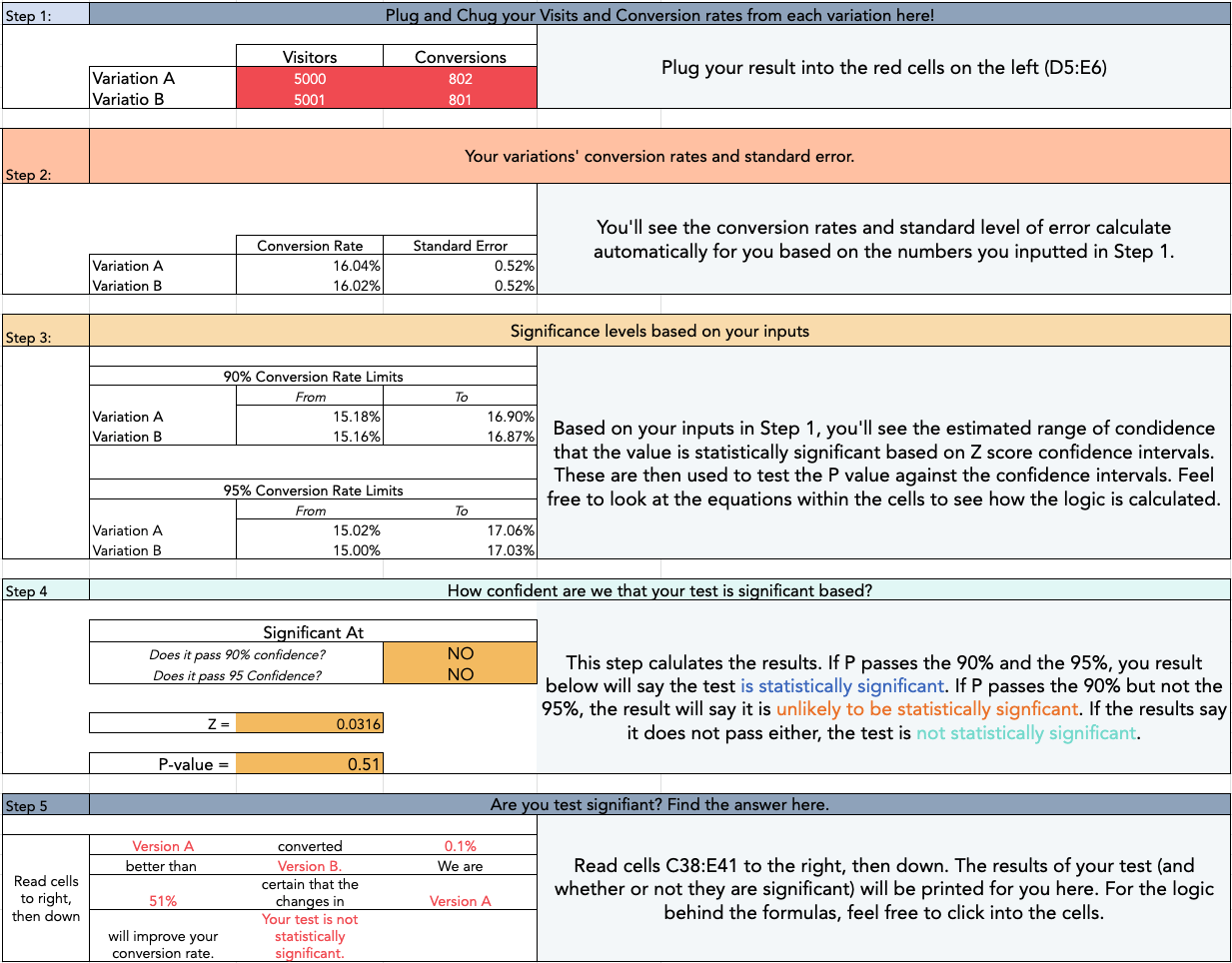
Next, you’ll want to find a sample size calculator — HubSpot’s A/B Testing Kit offers a good, free sample size calculator.
Here’s what it looks like when you download it:
3. Put in your email’s Confidence Level, Confidence Interval, and Population into the tool.
Yep, that’s a lot of statistics jargon. Here’s what these terms translate to in your email:
Population: Your sample represents a larger group of people. This larger group is called your population.
In email, your population is the typical number of people in your list who get emails delivered to them — not the number of people you sent emails to. To calculate population, I’d look at the past three to five emails you’ve sent to this list, and average the total number of delivered emails. (Use the average when calculating sample size, as the total number of delivered emails will fluctuate.)
Confidence Interval: You might have heard this called “margin of error.” Lots of surveys use this, including political polls. This is the range of results you can expect this A/B test to explain once it’s run with the full population.
For example, in your emails, if you have an interval of 5, and 60% of your sample opens your Variation, you can be sure that between 55% (60 minus 5) and 65% (60 plus 5) would have also opened that email. The bigger the interval you choose, the more certain you can be that the populations true actions have been accounted for in that interval. At the same time, large intervals will give you less definitive results. It’s a trade-off you’ll have to make in your emails.
For our purposes, it’s not worth getting too caught up in confidence intervals. When you’re just getting started with A/B tests, I’d recommend choosing a smaller interval (ex: around 5).
Confidence Level: This tells you how sure you can be that your sample results lie within the above confidence interval. The lower the percentage, the less sure you can be about the results. The higher the percentage, the more people you’ll need in your sample, too.
Note for HubSpot customers: The HubSpot Email A/B tool automatically uses the 85% confidence level to determine a winner. Since that option isn’t available in this tool, I’d suggest choosing 95%.
Email A/B Test Example:
Let’s pretend we’re sending our first A/B test. Our list has 1,000 people in it and has a 95% deliverability rate. We want to be 95% confident our winning email metrics fall within a 5-point interval of our population metrics.
Here’s what we’d put in the tool:
- Population: 950
- Confidence Level: 95%
- Confidence Interval: 5
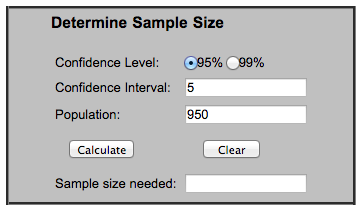
4. Click “Calculate” and your sample size will spit out.
Ta-da! The calculator will spit out your sample size.
In our example, our sample size is: 274.
This is the size one your variations needs to be. So for your email send, if you have one control and one variation, you’ll need to double this number. If you had a control and two variations, you’d triple it. (And so on.)
5. Depending on your email program, you may need to calculate the sample size’s percentage of the whole email.
HubSpot customers, I’m looking at you for this section. When you’re running an email A/B test, you’ll need to select the percentage of contacts to send the list to — not just the raw sample size.
To do that, you need to divide the number in your sample by the total number of contacts in your list. Here’s what that math looks like, using the example numbers above:
274 / 1,000 = 27.4%
This means that each sample (both your control AND your variation) needs to be sent to 27-28% of your audience — in other words, roughly a total of 55% of your total list.

And that’s it! You should be ready to select your sending time.
How to Choose the Right Timeframe for Your A/B Test
Again, for figuring out the right timeframe for your A/B test, we’ll use the example of email sends – but this information should still apply regardless of the type of A/B test you’re conducting.
However, your timeframe will vary depending on your business’ goals, as well. If you’d like to design a new landing page by Q2 2021 and it’s Q4 2020, you’ll likely want to finish your A/B test by January or February so you can use those results to build the winning page.
But, for our purposes, let’s return to the email send example: You have to figure out how long to run your email A/B test before sending a (winning) version on to the rest of your list.
Figuring out the timing aspect is a little less statistically driven, but you should definitely use past data to help you make better decisions. Here’s how you can do that.
If you don’t have timing restrictions on when to send the winning email to the rest of the list, head over to your analytics.
Figure out when your email opens/clicks (or whatever your success metrics are) starts to drop off. Look your past email sends to figure this out.
For example, what percentage of total clicks did you get in your first day? If you found that you get 70% of your clicks in the first 24 hours, and then 5% each day after that, it’d make sense to cap your email A/B testing timing window for 24 hours because it wouldn’t be worth delaying your results just to gather a little bit of extra data.
In this scenario, you would probably want to keep your timing window to 24 hours, and at the end of 24 hours, your email program should let you know if they can determine a statistically significant winner.
Then, it’s up to you what to do next. If you have a large enough sample size and found a statistically significant winner at the end of the testing time frame, many email marketing programs will automatically and immediately send the winning variation.
If you have a large enough sample size and there’s no statistically significant winner at the end of the testing time frame, email marketing tools might also allow you to automatically send a variation of your choice.
If you have a smaller sample size or are running a 50/50 A/B test, when to send the next email based on the initial email’s results is entirely up to you.
If you have time restrictions on when to send the winning email to the rest of the list, figure out how late you can send the winner without it being untimely or affecting other email sends.
For example, if you’ve sent an email out at 3 p.m. EST for a flash sale that ends at midnight EST, you wouldn’t want to determine an A/B test winner at 11 p.m. Instead, you’d want to send the email closer to 6 or 7 p.m. — that’ll give the people not involved in the A/B test enough time to act on your email.
And that’s pretty much it, folks. After doing these calculations and examining your data, you should be in a much better state to conduct successful A/B tests — ones that are statistically valid and help you move the needle on your goals.

10 YouTube Trends to Leverage in 2022 [Data + Expert Tips]
In 2020, I looked up more recipes than I ever have. Mostly Italian if you’re wondering.
I also spent a lot of time watching videos on YouTube, letting the autoplay feature take me down a rabbit hole of videos covering all kinds of topics.
![→ Free Templates: How to Use YouTube for Business [Download Now]](https://no-cache.hubspot.com/cta/default/53/b33cfd44-133a-49e3-a943-086c5679d485.png)
Most consumers were doing the same thing.
So, what should marketers expect on YouTube in 2021? Read on and find out.
Consumers want videos that reflect their daily life.
If 2020 showed marketers anything, it was the necessity for agility and authenticity.
Every marketer had to shift their priorities and deliver marketing collateral that reflected the time we were all living through.
YouTube data from July 2019 to July 2020 shows a 215% increase in daily uploads for content with “self-care” in the title. From the viewer’s side, TV screen watch time went up over 180% for videos relating to well-being, such as fitness, meditation, and yoga.
Now, in 2021, consumers are still seeking out content that reflects their current state of mind.
This isn’t to say that your brand should start a “30 Days of Yoga” series. It’s to highlight how closely tied current events are to the type of content we consume. If you stay in tune with how your audience is feeling and the type of content they’re seeking out, you can embed it into your YouTube strategy.
“Viewers really want content that not only educates them but also engages them. Our new style is putting big stock in the authenticity and personality of its presenters,” said Jamal Meneide, associate video producer/editor and on-screen talent for HubSpot’s YouTube Channel.
Brands must now pay attention to the social climate and general consumer feelings, and incorporate these elements into the content.
Not sure how to keep your finger on the pulse? Jump to this section to learn how to research YouTube trends.
Short-form video is growing in popularity.
In September 2020, YouTube launched “Shorts” in India, a new short-form video platform on YouTube. It’s now making Shorts available in the US, as of March 2021.
Similar to other short-form platforms, videos on Shorts are formatted vertically to be viewed on a phone. Although it’s still in beta, users can create 15-second clips, edit them with several tools and add music from YouTube’s music library.
According to a Search Engine Journal article, Shorts already gained steam, gaining over 3.5 billion daily views. But why would YouTube, a platform known for long-form content invest in this strategy? Meneide has a theory.
“YouTube is trying to compete with TikTok, which is evident in their play to introduce ‘Shorts.’ For a time, it felt like there was a pendulum swing toward really long, unedited content,” said Meneide.
“While this is still prevalent,” he adds, “it seems like we’ve swung back the other way with short to mid-length content really killing it. Viewers want easily consumable, entertaining content that won’t be as demanding on their time.”
This is an opportunity for brands to experiment with short-form content on YouTube and see what audiences are responding to.
One strategy is using Shorts to create teasers for your upcoming videos or create condensed, shareable versions of your long-form videos.
But long-form videos aren’t going anywhere.
Even with the push toward shorter videos, consumers still enjoy the traditional long-form approach.
In June 2020, YouTube reported that 46% of survey respondents said they were more likely to watch videos over 20 minutes long than they were six months ago.
Some YouTubers creators credit long-form video content for their engagement rates, and they’ve got data on their side.
A 2019 Pixability study found that branded videos over 10 minutes long had higher engagement than shorter videos.
But length won’t be enough to keep your audience’s attention.
“Driving music and animation also play a big part in building engagement. Whenever you see animation as a viewer, you know it’s either reinforcing a key concept or adding to a joke,” said Meneide.
“In either case, you’ve been delighted by that extra visual we decided to throw in. With music, we can shift the tone and mood of a video – from driving hip hop beats, to chill jazz.”
He adds that music creates a sonic bed for the viewer to situate themselves on, inviting the audience to lean in as you speed things up or sit back and relax as you slow things down.
“These kinds of stylistic and production choices are ones that many large channels on YouTube have decided to make,” Meneide said. “While content with a more ‘homemade’ feeling still crushes it, there is also an audience who wants to see well-produced, highly engaging content.”
Marketers will start leveraging audio ads.
In November 2020, YouTube introduced audio ads, a new way for brands to reach consumers.
It was a surprising announcement, given that the platform is known for video content. However, according to a Think With Google article, over two billion people go to YouTube for music.
The article also reported a 100% increase in watch time for live music performance between July 2019 and July 2020. This sets the stage for marketers to include YouTube as an ad platform for their audio content.
How To Research YouTube Trends
We’ve covered a few YouTube trends for 2021, but marketers need to know how to identify trends as they come.
“On the HubSpot YouTube team, we’re always looking at trends, which we corroborate with monthly search volume and keyword research to help define our content strategy,” Meneide said. “We want to serve our audience content that they’re looking for when they’re looking for it, and being sensitive to when a topic bubbles up is key to the process.”
Your first resource is Google Trends, a free online resource that is updated with real-time data on the popularity of certain topics and search terms on YouTube.
You can also rely on tools like VidIQ and TubeBuddy to determine which ideas are worth pursuing. A good rule of thumb, according to Meneide is asking what big “how” or “why” questions you can answer for your viewers.
Then, you have keyword research – this tells you what consumers are searching for and if it’s worth your time and resources.
For instance, let’s say your brand wants to cover the latest tech apps in your next video. You go to Google Keyword Planner and find out that it has a monthly search volume of about 100. This may indicate that while there is some interest, it’s not high enough to warrant a whole video.
It’s also important to look at the news and see what topics are trending. However, know the difference between something that’s just in the news cycle and a trend worth incorporating into your YouTube strategy.
One way to decipher between the two is asking, “How far does this reach, and will it matter in a few weeks or months?”
“Hopping onto news can be just as explosive for growth or your marketing strategy as trends, but makes it a bit harder when you’re always relying on the latest, ‘hottest’ news piece to inform your content strategy,” Meneide said. “By focusing on longtail trends, you can ride out a wave of sustained interest in a topic, rather than capturing what could potentially be a fleeting interest.”
As we navigate through this year, more trends will likely pop up and might inform your YouTube strategy. What’s most important is being flexible and knowing when something is worth exploring further.

The Top 5 B2C Marketing Trends of 2023 [New HubSpot Blog Data]
In 2022, 51% of B2C marketers plan to increase their marketing budget.
The question is where is that budget going? Will marketers reinvest in the same strategies or try new trends?![Download Now: Free State of Marketing Report [Updated for 2022]](https://no-cache.hubspot.com/cta/default/53/b0f73a5e-16e4-41fd-9511-8564efc560a7.png)
To understand what trends B2C marketers are leveraging in 2022, we surveyed 1,067 global marketing professionals working in B2B and B2C companies.
From influencer marketing to virtual events, there are so many efforts brands can focus on. Let’s see what our latest research says about what worked well for B2C marketers this year and where they plan to invest in 2022.
1. Short-form video will be a priority.
Short-form video took off in early 2020 and shows no signs of slowing down.
Back then, TikTok was the number one place to go for short-form content. Today, Instagram Reels and YouTube Shorts are also competing for users’ attention.
This is good news for brands, as the short-form video trend content offered the second-highest ROI for B2C marketers in 2021, behind influencer marketing.
Despite coming in second for ROI, it’s the trend marketers plan to invest in the most in 2022. Roughly 33% of B2C marketers already invest in short-form content, while one-third of those who haven’t will do so for the first time in 2022.
Why now? Well, short-form video is such a key feature in social media today. And according to the data, social media takes the lead in marketing investments for businesses.
That’s likely because three key goals B2C brands will have when running marketing campaigns in 2022, will be increasing brand awareness (49%), advertising products (44%). and increasing revenue (43%).
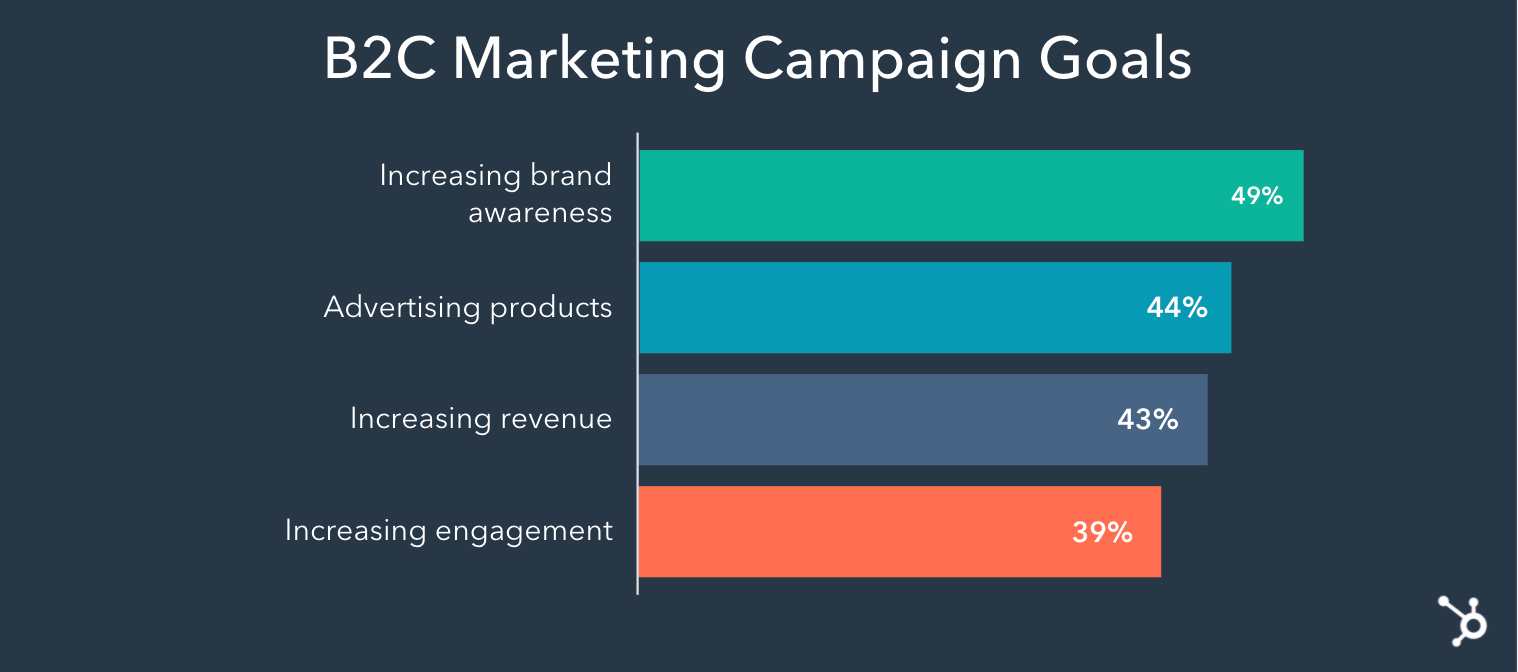
With social media, you can accomplish at least two out of three. Brand awareness was always the main benefit of using social media but things have evolved.
Today, with so many platforms offering in-app shopping experiences and advanced ad formats, brands can meet more of their marketing goals.
2. Influencer marketing will still be a key lead/revenue driver.
For most B2C marketers, the power of influencers is clear.
In 2022, 61% of B2C marketers surveyed in the study plan to leverage it. In fact, it’s the third-highest trend they plan to prioritize, behind short-form video content and inbound marketing.
This is because in 2021, it offered B2C brands the best returns. When asked to select their top ROI driver from a list of 27 tactics and strategies, 11% of B2C marketers chose influencer marketing.
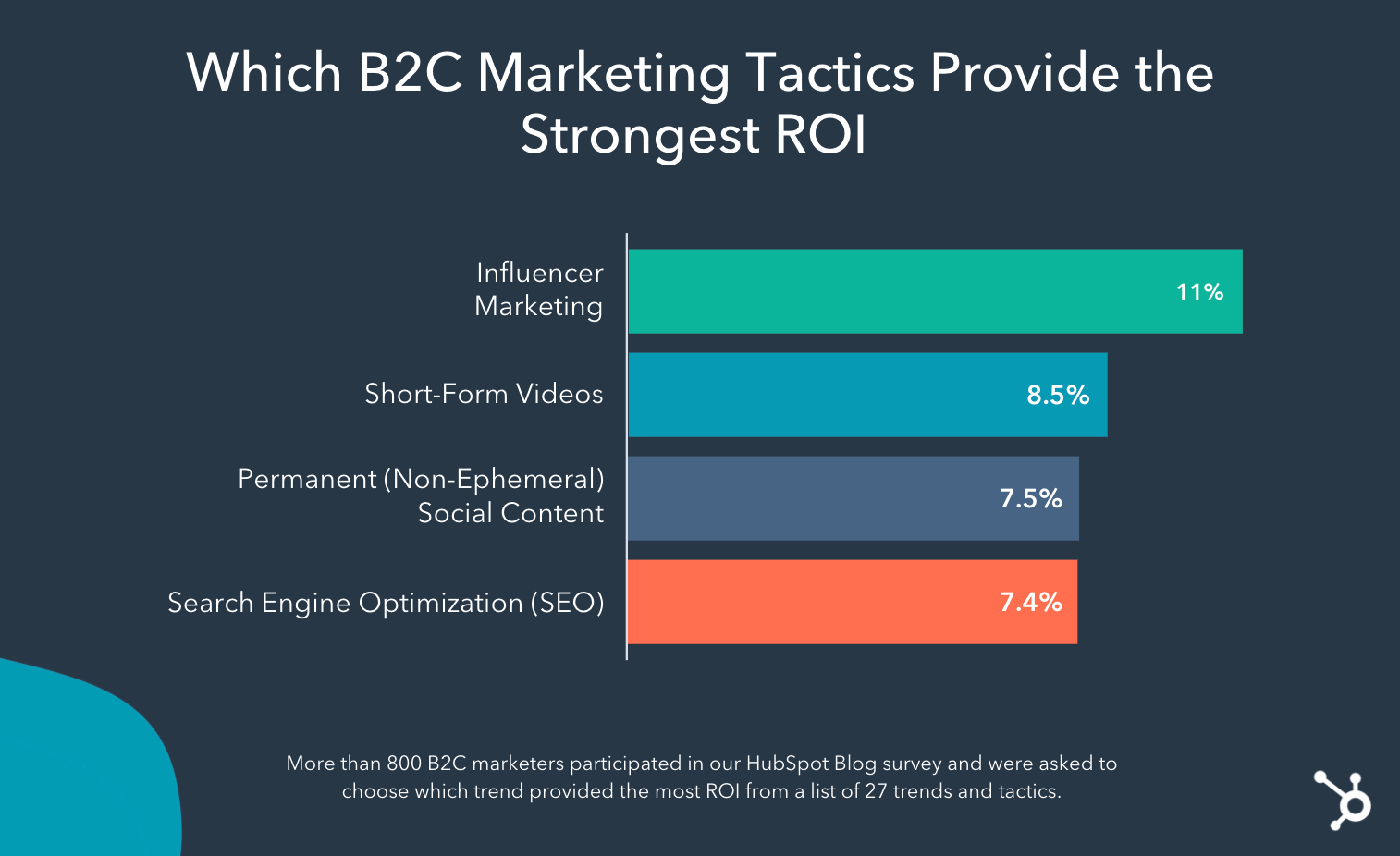
What might be different in the future is the type of influencer brands focus on. Historically, brands have focused on the biggest and most popular influencers to partner with.
However, some data suggest that micro-influencers with under 100K followers may be more effective.
While the verdict is still out on that, one thing is clear: Influencer marketing isn’t going anywhere.
3. Audio content will take a front seat.
Data suggests that video is the leader when it comes to content marketing. However, audio is slowly creeping up into the mix.
According to the survey, only 19.1% of B2C marketers use podcasts or other audio content in their marketing. Of those who do use it, 37.4% find it to be one of their most effective trends.
Even though adoption was seemingly low in 2021, the data suggests that more B2C marketers will add audio content to their marketing efforts in the new year.
Roughly 43% of B2C marketers plan to increase their investment in podcasts in 2022 while 38.4 plan to keep it the same. Another interesting fun fact is that this particular piece of data is virtually the same for B2B marketers.
This suggests that across all industries, brands recognize the power of audio content.
4. Social responsibility will be more important.
Now more than ever, consumers want and expect brands to be more transparent and take a stand on social media.
In fact, a 2020 Edelman Trust Barometer survey revealed that many consumers see trust as a leading factor in their purchasing decisions.
In the past two years, particularly in the height of the COVID-19 crisis and calls for social justice, consumers have started holding brands more accountable. In 2022, brands will be addressing that demand.
Currently, only a third of B2C marketers surveyed find social responsibility to be an effective marketing trend. Despite that fact, 45% plan to increase their investment in 2022.
5. Brands will continue to apply inbound marketing strategies.
Inbound marketing is all about meeting consumers where they are. Instead of marketing efforts that push messaging out to consumers, this focuses on attracting them toward you.
Behind short-form video, inbound marketing is the top trend marketers will invest in next year.
In fact, over 80% of marketers plan to keep the same budget or add more for this strategy.
This is done by following the “Attract, Delight, Engage” model that leverages content marketing, SEO, marketing automation, social media, and more to nurture consumers at every stage of the buyer’s journey.
There you have it – some of the top trends B2C marketers will invest in 2022. Between publishing regular video/audio content on social media and developing a strong inbound marketing strategy, marketers have a busy year ahead.
To keep up with the latest trends in marketing, stay tuned for more upcoming marketing strategy research posts, download the 2021 HubSpot Not Another State of Marketing report to learn what marketing professionals focused on this year.


The Top 10 Marketing Challenges Expected Globally in 2023 [HubSpot Data + Expert Tips]
Every marketer faces different challenges. And, ever since 2020, the ways we’ve had to pivot, adjust campaigns, and address challenges has been unlike anything many of us have had to do before.
And, even if you’ve somehow navigated the past three years without any surprising or tough marketing challenges, there’s likely at least one task, tactic, or strategy you’ve always wanted to improve upon.
Today, marketing is so fast-paced that it can be difficult to identify which areas you’ll want to develop to facilitate stronger growth in 2022 and beyond. For that reason, it’s important to pause for a moment and reflect on the biggest challenges marketers feel they’re facing this year.
Below, let’s review the current global marketing issues impacting the industry, according to data from HubSpot’s 2023 Marketing Industry Trends Report and marketing experts.
1. Generating Traffic and Leads
While this was the second biggest marketing challenge in 2022, it’s the top challenge marketers will focus on in 2023, with 19% of survey respondents saying it will be their biggest hurdle. As you might expect, generating traffic and leads is always top of mind with marketers. And, even if teams are doing well with these metrics, they’ll always want to improve them.
Why It’s a Challenge
John Lee, Head of Evangelism at Microsoft Advertising, believes that generating leads will be a particularly big challenge for marketers. He told me, “Getting quality traffic isn’t a challenge today, and likely won’t be tomorrow. There has been growth in search and content marketing in 2021. New channels continue to surface and show promise, too (TikTok or audio chat rooms anyone?).”
Lee adds, “‘Sea change’ is the phrase that comes to mind for the state of digital marketing today. Change in the realm of privacy, identity, and changes to cookies. Change in the form of lost data clarity (will cookie-based conversion tracking continue to work, GA4, access to search queries, etc.). And all of this sits within the context of change to how and where we work and economies in flux as the world continues to move through the pandemic.”
Fortunately, privacy changes don’t mean the end of generating leads — it simply means learning how to re-think strategy.
As Lee told me, “To weather this storm of change, marketers need to be vigilant in monitoring and understanding industry-wide acceptance of privacy protocols and updates to search, social, and display/native platforms (consumer-side and marketing/advertising-side). And last, but not least — lean into the power of peer support and networking for sharing best practices and learning.”
Additionally, marketers are struggling with producing enough demand for their content. And as the year’s progress and competition stiffens, this will only become truer. With so many options of platforms for marketers to publish their content and even more ways to promote it, it’s hard to know where to focus your efforts.
What You Can Do
When it comes to creating content that produces enough traffic and leads, marketers should ask themselves two questions: Are you truly creating high-quality content — the type of content people would pay for? And, do you know the type of content your audience actually wants?
For instance, when asked how they’d most like to learn about a product or service, 69% said they’d prefer to watch a short video over a text-based article, infographic, or ebook. This means, if most of your product-related content is in ebook format, you could be missing out on the majority of consumers who prefer video.
Additionally, the length of videos produced by businesses has increased (albeit more slowly than the increased creation rate of short video). While short-form video is still King/Queen, the number of videos in the 30-60 minute category grew 140% in 2021, compared to 2019 — suggesting that long-form video content is still a viable option for companies.
To ensure you’re creating content that resonates best with your audience, you’ll want to refer to analytics often. Use effective tools to properly track the types of content that perform best with your audience to generate more leads in 2022.
Additionally, once you know you’re creating the type of content your audience wants, the focus shifts to promoting it in a way that makes your audience take notice.
More than ever before, people are being flooded with content. Consumers don’t have to use a search engine to find answers. Instead, articles fill their news feed or buzz in their pocket via mobile notifications. To keep up, consider exploring alternate distribution methods — like social media or podcasting — to increase brand awareness.
Lastly, if you have the budget for online advertising, one example of a helpful distribution method is by promoting your content with HubSpot’s LinkedIn Ads Integration. Learn more about it here.
2. Hiring Top Talent
While “Hiring Top Talent” was low on the list of challenges faced by marketers in 2022, it’s expected to be the biggest challenge of 18% of marketers in 2023.
And, we’re not too surprised. Hiring talent with a great track record takes time, effort, and money — which many marketing teams do not have.
While hiring is a challenge marketing teams have faced throughout the past five years or so, concerns are continuing news of worker shortages and recruiters competing for applicants that have chosen to shift roles due to the global pandemic or management interests in mandatory office returns.
Why It’s a Challenge
Many companies are shifting more resources to inbound marketing, which means higher and higher demand for top marketing talent. But supply simply isn’t keeping up. From sourcing the right candidates to evaluating for the right skills, finding the perfect person could take months … or more.
What’s more, the type of marketing talent companies are looking for is changing, too. According to a report from LinkedIn, employers are seeking marketers with soft creative skill sets as well as hard technical skills. And the quick rate at which the demand for these jobs are rising has caused a marketing skills gap, “making it difficult to find candidates with the technical, creative, and business proficiencies needed to succeed in digital marketing.”
What You Can Do
In 2023, hiring talent could grow even more difficult — particularly as more companies deal with transitions back to office life, competitive hybrid perks, as well as salary budget limitations due to the shifting economy.
Stefanie Grieser, co-founder of Shine Bootcamp, a professional speaker accelerator for women, understands the challenge of hiring top talent.
She told me, “When I talk to high-growth companies or marketing agencies (and the marketers running those teams), I’ve found that hiring not only top talent, but diverse top talent is extremely challenging. In fact, I was just having a conversation with an agency owner who hires SEO and paid marketers, and he told me, ‘Hiring is still the biggest challenge we face.'”
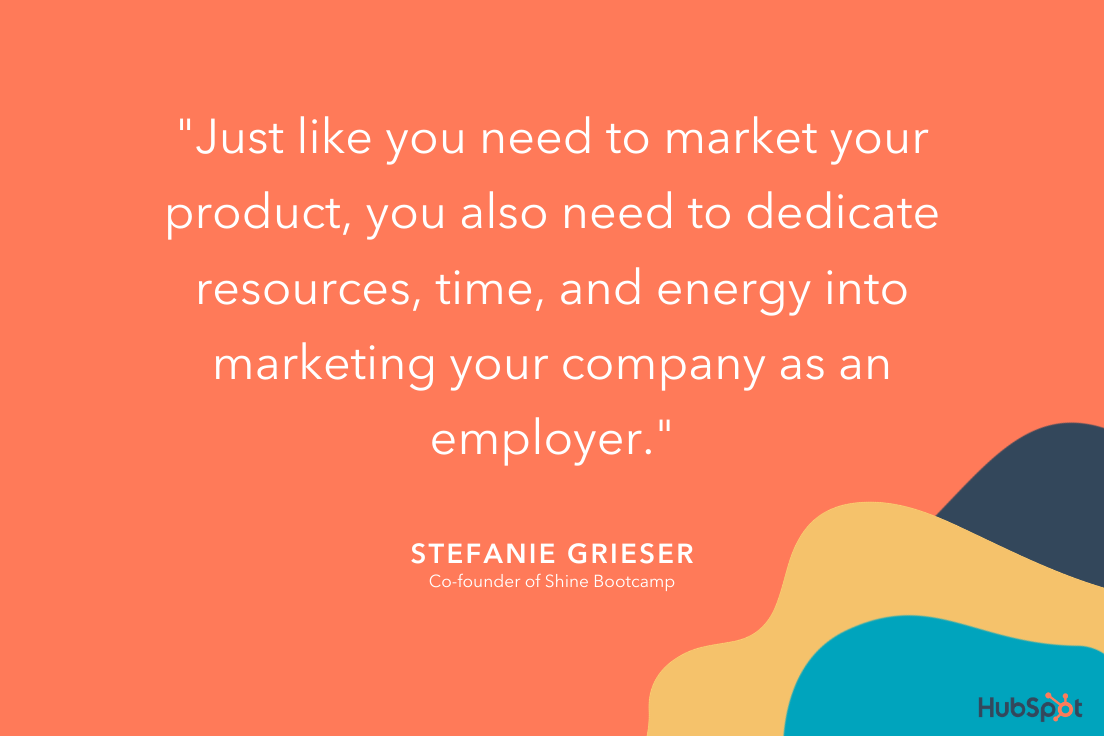
Fortunately, Grieser provided me with a few tips for employers to stand out from the crowd. She told me, “My suggestion here is for marketers to invest heavily in their employer brand for the long-term. Just like you need to market your product, you also need to dedicate resources, time and energy into marketing your company as an employer.”
 Grieser adds, “I would suggest Diversity Tech Co, Tech Ladies, and Girlboss as go-to resources to post jobs. These organizations are run by incredible individuals who really care about diversity, equity, inclusion and intersectionality. I’m also seeing niche communities and job boards pop up. For marketers specifically, I would post your open roles here: Dave Gerhardt Marketing Group, Hey Marketers, and Superpath (which is focused on content marketers specifically).”
While it might seem random to discuss employer branding in a post about marketing challenges, it isn’t — since it’s often the marketing team that cultivates a strong employer brand.
As Grieser points out, “Airbnb has an Engineering and Data Science blog, Intercom has an Instagram dedicated to their design team, and Dooly posts short, LinkedIn posts (see an example here) interviewing their fun team with a few fun hashtags #doolydreamteam and #meetadooligan.”
“Guess who leads this initiative? The marketing team. Think about how you and your team can showcase your work and your team’s work. I won’t try to assume that employer brand falls solely in your court, but as a marketer, you have natural skills that will lend themselves to marketing the company as whole.”
LinkedIn data shows that the number one reason candidates will consider or accept a job is career growth. This means that job listings and a company culture that offers employees a plan for growth will see the most interest from talent.
3. Marketing Plan Pivots
In 2020, we began learning the art of the pivot as many brands had to stop everything they had planned, observe the current state of everything, and navigate the bbest way forward. But, every time we think we get closer to a boring day in the marketing world, something evolves or changes that will cause us to need to pivot.
And, while some marketers are excited by the idea of working in a fast-paced, ever-evolving environment, it can get very tiring for others. That’s why we’re not shocked that 17% of marketers say that marketing strategy pivots will be the biggest challenge they face in the new year.
Why It’s a Challenge
While you might think pivoting during COVID-19 gave you all the skills needed to change course when its necessary, every unprecedented event that we aren’t expecting often poses new challenges (as those definitions suggest). When marketers don’t plan for the unexpected, they could risk their performance metrics, budget, or even their audience if they market to targets that are forward-thinking and find untrendy or out of touch brands uninteresting to them.
What You Can Do
At HubSpot, and many other companies with excellent marketing departments, our marketers always try to be one-step ahead of the potential result (or even a lack of results).
When creating a large campaign or implementing a big strategy, it’s important to ask yourself and your team, “What do we do if it doesn’t work?” or “How do we pivot if the world changes overnight?”
When it’s time to make that pivot, try to gather as much information as you can about your customers, audiences, and platforms to learn how everything has changed or evolved, and then use what you’ve learned to determine the best course of action. For example, when COVID-19 was declared an emergency, many of our marketers paused comms with audiences and notified them through emails or social posts that it was because we wanted to focus on offering the most helpful or valuable content unrelated to sales and revenue at that time. Then, while we were on pause, we met with each other and performed market research to help us put ourselves in the audience’s shoes and learn how we could best help them.
If you do pivot, learn from what worked effectively and what didn’t. This will help you in future scenarios where a pivot is necessary — even if the situation is totally different next time.
For more information and expert tips on how to change up your content plan in a rush, check out this helpful post.
4. Training Marketing Teams
In 2022, training top talent was the top challenge marketers were focused on. However, as more marketers now focus on recruiting and retaining greaat talent in this time of faster workplace movement, training seems to have fallen to number four.
However, this doesn’t mean training isn’t an important factor to pay attention to, especially if you have a growing workforce.
After all, even top-tier talent need to have paths to grow, challenge themselves, learn, and become even better at what they do.
If you’re a manager or marketing leader, you’ll need to take time to teach that employee how your company works. This could include voice and messaging training, helping them understand buyer personas, or getting them acclimated to the tech stack or processes you use.
Meanwhile, regardless of whether you’re a seasoned marketing team employee or new hire, you might wish your company had more opportunities for training, onboarding, or professional development that could allow you to excel and learn while also hitting your KPIs.
Why It’s a Challenge
Unfortunately, in the fast-paced world of marketing, it can be challenging for leaders to find the time to train while employees might not have the time or money to access professional development outside of their day-to-day tasks.
That’s why it’s not shocking that 30% of marketers say that team training was the biggest challenge of 2021 and 21% say it will continue to be the top challenge for marketing departments in 2022.
What You Can Do
The first step to solving this problem, regardless of whether you’re an individual contributor or manager, is reframing what “training” means to you. Remember that even the most top-tier, ROI-generating unicorn marketer will need time to get used to how your company works and grow as an employee and potential leader.
Ultimately, businesses should think of training and professional development offerings as indirect ROI generators. Ultimately, even the most top-tier, unicorn talent will need time to get used to how your company works.
On one end of the spectrum, companies and leadders can retain employees and save money on talent searches because of their offerings. Meanwhile, their talent will learn more, grow more, become even more competitive, and — most importantly — feel more fulfilled and supported in their role. Additionally, you don’t always have to hire instructors or take time out of your day to train. For example, you can:
- Encourage project managers or individual contributors looking for visibility to present experiments, strategies, or learnings at events, weekly meetings, or annual team conferences.
- Book an annual professional development day during a slow season where all employees are asked to take a free online course of their choosing and report back on how it went.
- Consider hosting quarterly or bi-annual new employee or new manager training days where newer hires and new managers can plan to go to in order to train with minimal impact on their quarterly projects.
- Create evergreen training videos, internal quizzes, or other resources that you can send to new or newly promoted employees on their first day.
- Have managers develop 100-Day Plans for new hires or those that transfer to their team which includes training assignments, resources to read through, and a contact list of people to meet or schedule training with.
On the other hand, if you’re an individual contributor, participating in your company’s professional development training and/or taking free or affordable courses online could help you negotiate a stronger role and salaries for yourself at your company or elsewhere.
If your company doesn’t offer training or reimbursement for it, check out this list of free courses.
5. Keeping Up With the Latest Trends
As you’ve seen, the world is always changing. Even aside from the things you’ve seen all over the news, a brief skim of any social media feed once weekly will show you how much trends change. In one day, we’ll open our TikTok feed and see constant clips filled with “Stranger Things” references all over the place. The next day, we’ve moved on to “CornTok” (a trend that involved us sharing videos with a remixed song sung by a boy who really loves corn).
Why It’s a Challenge
Essentially, no matter where you look, trends are constantly changing. And, if you’re publishing out of touch content that leverages very out of date or out of touch trends, your audiences might get bored and move on to a brand that feels more interesting to them.
Unfortunately, marketers might not always have the bandwidth or budget to lean into every trend out there. So, what are we supposed to do?
What You Can Do
Just like picking the right channels or social platforms that make the most sense for your brand, pay attention to the industries and trends that make the most sense for you to lean into, or brands that you know most of your target audience is leaning into. For example, one brand that perfectly leaned into “CornTok” was Rumba, which creatively published a TikTok of its products cleaning up — you guessed it — corn.
6. Facing Competition
In our 2023 survey, 16% of marketers cited their biggest challenge as “increasing competition from other brands.” And, that’s not shocking at all.
Business competition is a tale as old as time. And, even when you feel like you’re winning on one channel or another, competitors can come at any moment ready to outperform you. That’s why every platform, from social media to search engines, has gotten vastly more competitive over the past 10 years — and will only get more saturated with competition.
What You Can Do
The concerns of competition are obvious. Ultimately, they could take business or attention away from you and harm your revenue. Luckily, it doesn’t take a marketing genius to get ahead of them.
Start with a competitive analysis of all of your biggest competitors that you’re most likely to lose audiences or customers to.
Examine their websites, social media, search keyword profiles, and other channels and make a list of what they’re doing right that you can learn from, what they’re doing wrong that you’ll avoid, and the gaps in their strategy that you can take advantage of.
While we encourage you to highlight your unique perks and not copy the competition exactly, use your analysis results to think about the competitive selling points you can market and strategies you can use to innovate on what they’re missing.
7. Securing Your Budget
In 2023, 16% of marketers are concerned about securing. gaining, and keeping stakeholder support for their marketing budgets. And, although we aren’t surprised that a large chunk of marketers selected this concerm, we were a bit shocked that more marketers aren’t seeing this as top of mind given the current economic landscape.
Why It’s a Challenge
Securing a budget has always been a pressing challenge for marketing globally. And, while marketers seemed to be getting what they needed for budget in 2022, companies could be eager to shift back to pre-pandemic strategies of placing money into sales, facilities, and other departments in the future — especially if the U.S. or other countries enter a recession.
Often, getting and keeping more budget is easier said than done — especially for smaller organizations that aren’t working with sizable or flexible marketing spend. But the key to securing more money for your team might not be that complex. Here’s what you can do.
What You Can Do
The key to unlocking budget lies in being able to prove the ROI, of your marketing efforts (as we’ve noted above). Use your whole budget to demonstrate need, but also ensure you’re spending money on things that will provide high performance, like high-traffic, lead-gen, or revenue-generating projects or headcount.
According to our research, organizations that can calculate ROI are more likely to receive higher budgets.
Again, success with inbound marketing also plays a large role in driving higher budgets. Effective strategies obviously produce results and make a strong case for increasing your budget. But remember, inbound marketing is a long game. If you get off to a slow start, you shouldn’t back off — in fact, you might consider doubling down.
To learn more about how to understand and leverage marketing ROI, check out this simple guide.
8. Demonstrating ROI of Marketing Activities
While this item didn’t make our top challenge list this year, we still think it’s very important to highlight here and focus on in 2023, especially if your business is focused on spending budget wisely — or only on things that provide ROI.
And, in 2021. 28% of marketers saw it as their top challenge, while 21% of marketers expect to see this continue to be their biggest issue in 2022.
Measuring and gaining ROI continues to be a vital way for marketers to understand the effectiveness of each particular marketing campaign or piece of content. It also can be what decision-makers at your company rely on when determining if they’ll invest more in your project, deparment, or team headcount in the future.
Ultimately, proving ROI often goes hand-in-hand with making an argument to increase budget: No ROI tracking, no demonstrable ROI. No ROI, no budget.
Providing ROI often comes down to using effective analytics measurement tools. For instance, Beautiful.ai Director of Marketing Kim Giroux told me, “Marketers are constantly challenged to illustrate the ROI of their efforts and [this year] is no exception. Proving ROI doesn’t always have to mean extra work or effort though. In fact, certain technologies bake ROI into existing work processes.”
Giroux adds, “Take presentation software, for instance. Savvy marketers today can create and use pitch decks with built-in presentation analytics that offer real-time data — such as how much time was spent viewing individual slides. Armed with these insights, marketers can better gauge stakeholder interest, inform their strategies, and adjust their campaigns.”
Christina Mautz, CMO of Moz, believes measuring ROI comes down to redefining the marketing process as a whole. She told me, “My biggest challenge, and one all marketers face in providing ROI, is the prospect of meeting traditional KPIs in the modern workspace.”
Mautz says, “Instead of leads and trade show success, marketing wins are now largely digital: engaging prospects and generating more clicks, downloads, and page visits.”
CMO of Moz Christina Mautz says, “To better measure marketing progress, we have to redefine the marketing process, encouraging collaboration with sales and reaching KPIs together.”
“For example, statistics such as page visits per sale or rising higher in the search engine results page (SERP) give marketers and SEOs tangible evidence as to how their work is meeting their ROI. New buying patterns and a customer-centric world require a divergence from the old, but measuring ROI will look far different than it did before and some leaders may not understand how or why.”
When it comes to providing ROI, there’s a strong case to be made for dedicating time and resources to establishing links between marketing activities and sales results.
This means using both marketing software (like HubSpot) and a CRM solution (like HubSpot’s free CRM) and then tying them together to close the loop between your marketing and sales efforts with a service-level agreement (SLA). That way, you can directly see how many leads and customers are generated through your marketing activities.
Other Common Challenges
While our survey identified the biggest challenges in marketing, teams are still facing dozens of other challenges that are worth mentioning, but weren’t one of the top concerns. Here are just a few:
Website Management
In 2021, 64% of companies said they were investing in website upgrades. Meanwhile, 27% of survey participants said that managing their website was the top challenge in that year, with a chunk more saying they continued to rise to this challenge in 2022.
In 2023, website challenges aren’t going anywhere. If you have an online presence for your business, your website serves as a key place that consumers will go to when researching your brand.
There, they might find company information, marketing content, and other resources that nurture them into becoming a lead or buying your product. On the marketing end, your site can also be a tool that can help you drive search result and social media awareness when it is optimized and shared around the web.
Although managing a website is consistently a challenge to marketers, it seems to be growing less threatening. While website management was the third-biggest challenge facing marketers in 2021, it didn’t even make the Top Five Challenge list for 2022.
Chances are, your website’s performance is high on your list of priorities — particularly since website speed and performance plays a major role in your website’s SEO ranking. It’s an asset that works around the clock to draw in visitors, convert them, and help you hit your goals.
Issues with website management include a variety of different factors, from writing and optimizing the content to designing beautiful webpages. Here are a few things marketers can do to deal with this challenge.
What Can You Do?
First, try HubSpot’s free website grader to determine how your website stacks up on key metrics including SEO, mobile, and security performance — and how you can improve it.
If your primary challenge with managing a website has to do with the skills and resources you have available, you aren’t alone. This is especially true for small companies who don’t have all the talent in-house required to cover content, optimization, design, and back-end website management.
One solution? Hire freelancers and agency partners. To find freelancers, we recommend:
- Tapping into your personal and professional network by posting on LinkedIn, Facebook, and other social networks with a description of what you’re looking for.
- Browsing freelance writers and designers based on their portfolios and areas of interest.
- Browsing HubSpot’s Services Marketplace, which lists a wide variety of designers from partner companies and agencies we’ve deemed credible.
Overall, you can make website management easier on your team by hosting your website on a platform that integrates all your marketing channels like HubSpot’s CMS.
Social Media Marketing Challenges
In our survey, 16% of marketers said that their biggest challenge of 2023 will involve keeping up with the latest social media platforms, as well as their growing lists of new features.
And, with the constant evolution of how social media looks, feels, and functions comes a mess of other social media challenges that marketers are worried about, including — but certainly not limited to:
- Creating engaging content (which 22% of social media marketers cited)
- Gaining and keeping followers (22%)
- Reaching your target audiences (21%)
- Finding ideas for content (21%)
- Creating content that generates leads (20%)
Content Marketing Challenges
The content marketing world is vast and full of different strategies. And, each major tactic comes with its own challenge.
For example, if you’re a blogger or video creator, SEO and ranking on Google will likely be one of the biggest hurdles and opportunities your team will face because both blogs and videos are always competing for the covered first page of search results on Google.
Meanwhile, if you focus on multimedia, such as videos, podcasts, or design, views, view-time, and shareability could be key to nurturing a lead. And, as many marketers struggle with demonstrating ROI — your efforts will be no different. While bloggers could include a form, purchasing link, or landing page URL in their posts which are easier to track, you won’t always be able to easily determine the ROI of content that doesn’t allow URL embedding in it.
As a content marketer, it’s important to determine which goals are most important to your team and company’s growth and focus first on the challenges that will hinder reaching them.
Email Marketing Challenges
Over the last year, email marketers have run into all sorts of challenges, such as pandemic-related low engagement and Apple iOS 15‘s privacy protection policy impacting open tracking and open-rate based strategies.
But, by far, the biggest challenge email marketers will probably always face is gaining and retaining subscribers. In fact, our research found that 19% of marketers see email and social media list growth being a top challenge throughout the year.
If you identify with our participants, check out this post with more data on why consumers subscribe and unsubscribe from email.
Some of these challenges aren’t new.
If you’re a marketer who sees the same challenge year-over-year, it might be a barrier worth putting on your radar. However, some challenges can be industry-wide. Year-over-year challenges across the industry are incredibly important to note, regardless of whether they impact you or not.
Why? These challenges might not just be something you’re facing, but could also be faced by your competitors. If you can figure out how to navigate a reoccurring industry challenge effectively, you could have a leg up against the competition.
Way back in 2021, I surveyed over 120 marketers on our HubSpot Marketing Blog subscriber list to gauge the biggest challenges affecting the industry. Here’s a quick graph highlighting what they said.
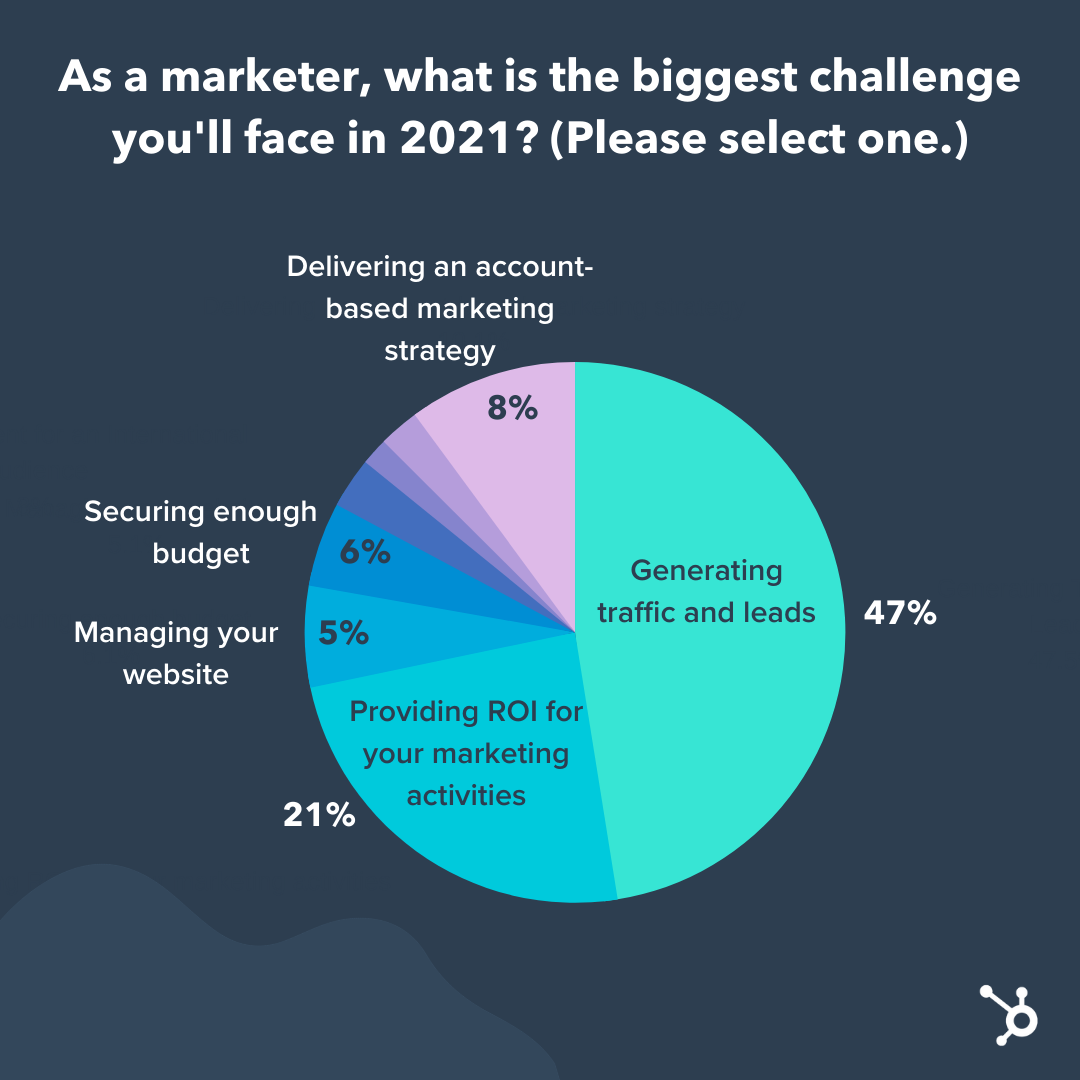 By far, “Generating traffic and leads” was marked by nearly half as the biggest challenge marketers are facing this year.
This challenge was followed by 21% who said “providing ROI for your marketing activities” was their biggest challenge.
“Delivering an account-based marketing strategy” (8%), “securing enough budget” (6%), and “managing your website” (5%) were the other three notable challenges marketers feel they’re facing in 2021.
It’s important to note, a few other marketers marked “targeting content for an international audience”, “training your team”, and “hiring top talent” as their top challenge … but these three challenges were marked by less than 3% of the respondent pool, so they’re less statistically significant.
Identifying Your Marketing Challenges
A thorough analysis of your marketing strategy and its current performance will help you discover where your biggest marketing opportunity lies. This will allow you to focus on improving the areas that need the most attention, so you can start making your marketing far more effective.
Another thing to keep in mind is that, sometimes, the best challenges to focus on could involve solving for the biggest pain points of your companies executives or leaders. And while the post above focuses on the challenges of general marketers at all levels, we also did a follow-up survey to learn about the key challenges and pain points director+ marketing leaders are facing daily. Check out this post, from our Act Like a Leader, Think Like a Leader blog series (fully launching Nov. 1), which includes tips from marketing execs and experts at companies like Microsoft, HubSpot, Help Scout, ZoomInfo, Sprout Social, and more.
Just interested in learning about general marketers? Be sure to check out our 2022 State of Marketing Report, which you can download for free below — or get our predictions for how marketing will change in the next year with the HubSpot Blog’s follow-up 2023 Marketing Trends Report.
Editor’s Note: This post was originally published in November 2012 and has been updated annually to include new, exclusive HubSpot data and expert insights.

The HubSpot Blog’s 2023 Marketing Strategy & Trends Report: Data from 1,200+ Global Marketers
If the last few years taught us anything, the real test of a marketer’s skill is how well they adapt to change.
In fact, in our most recent research, nearly 80% of marketers say their industry changed more in the past three years than in the last 50.
That also means consumer attitudes and preferences are changing just as quickly. And, it’s up to brands to keep up.
So, how can you succeed in a world where the unprecedented has become common?
To help you answer that and other burning questions, we surveyed 1,200+ global B2B and B2C marketers on their goals, challenges, and strategies.
Before we dive into the sections of our survey, let’s quickly discuss the biggest theme we found across the results.
Our Biggest Finding: Agile, Data-Driven Marketers Will Win 2023
Overall, the survey results pointed to two tactics that will be vital in keeping up the pace in the coming year:
1. Use deeper data to know the ins and outs of your audience.
Go beyond basic demographic information – it’s crucial to know their interests and hobbies, how they like to shop, where they consume media, the online communities they are part of, the challenges they face, and the social causes they care about.
2. Always plan to pivot.
From pandemics to political turmoil – and now a looming recession – the last few years have been a roller coaster for brands and consumers alike. Not only did over half of marketers pivot in 2021, 83% of those who pivoted changed course two to four times in one year.
We also found that 20% of marketers have already pivoted due to the potential recession. Chances are 2023 will continue to see shifts around this.
Ultimately, you need a plan for when things go off course. Will you increase your marketing budget? Will you cut down on marketing channels? How will you adapt your messaging to resonate with consumers’ evolving experiences? Most importantly, do you have the data you need to guide your decisions?
While the two tactics above reflect the broad findings in this report, let’s dive more specifically into the biggest strategic changes marketers expect to see in 2023 and how that’s changed from our last 2022 survey.
While we discussed some of these strategies an trends in our 2022 Report,
it’s worth noting that we’re seeing more emphasis on data-based decision-making, agile marketing, as well as social media brand-building (which often majorly contributes to the fast-paced tactics and pivots needed in the marketing industry each day). All in all, more marketers are speeding up processes and tactics to meet the digital, hyper-connected world we’re existing in today.
Below, we’ll discuss a few of these items in more depth. But, we’ll also continue to release more deep-dive data content to help you meet all of these changing strategies with success.
The top trends marketers are currently leveraging are short-form video, mobile-friendly web design, creating content that reflects their brand’s values, and using social media DMs for customer service. Not far behind are SEO, mobile messaging, influencer marketing, and selling products directly in social apps.
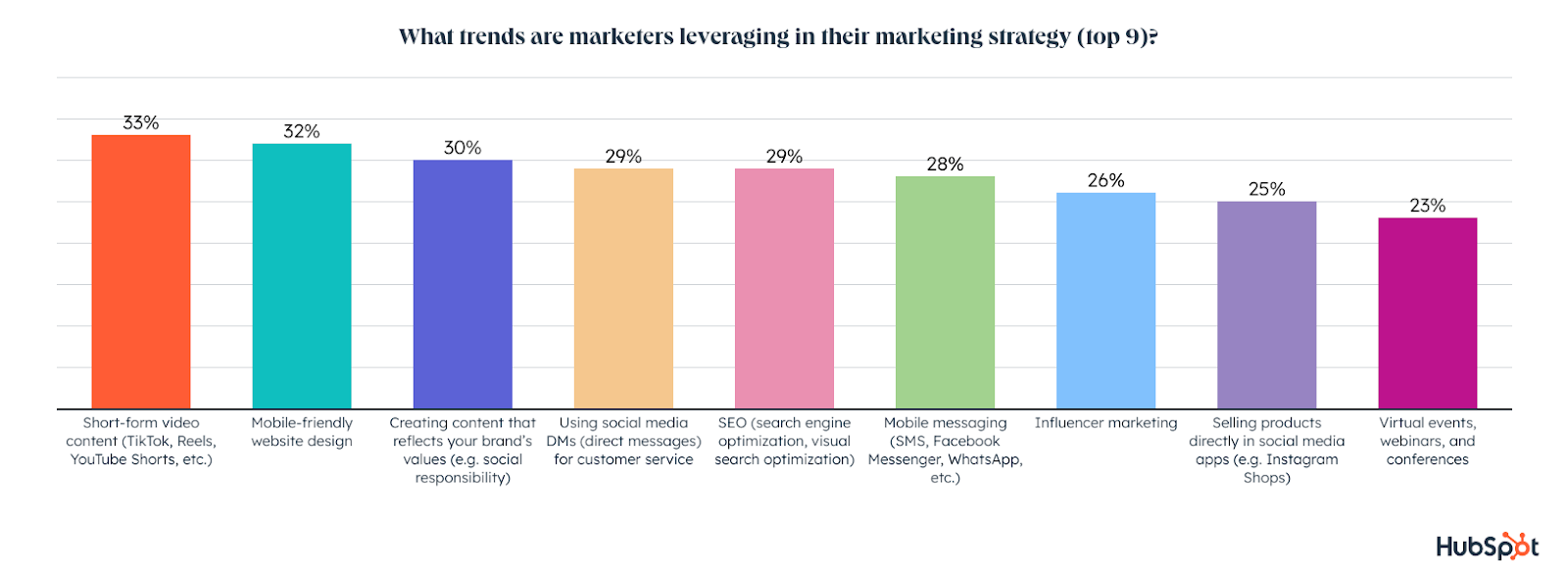
1. Short-form video will see the most growth in 2023
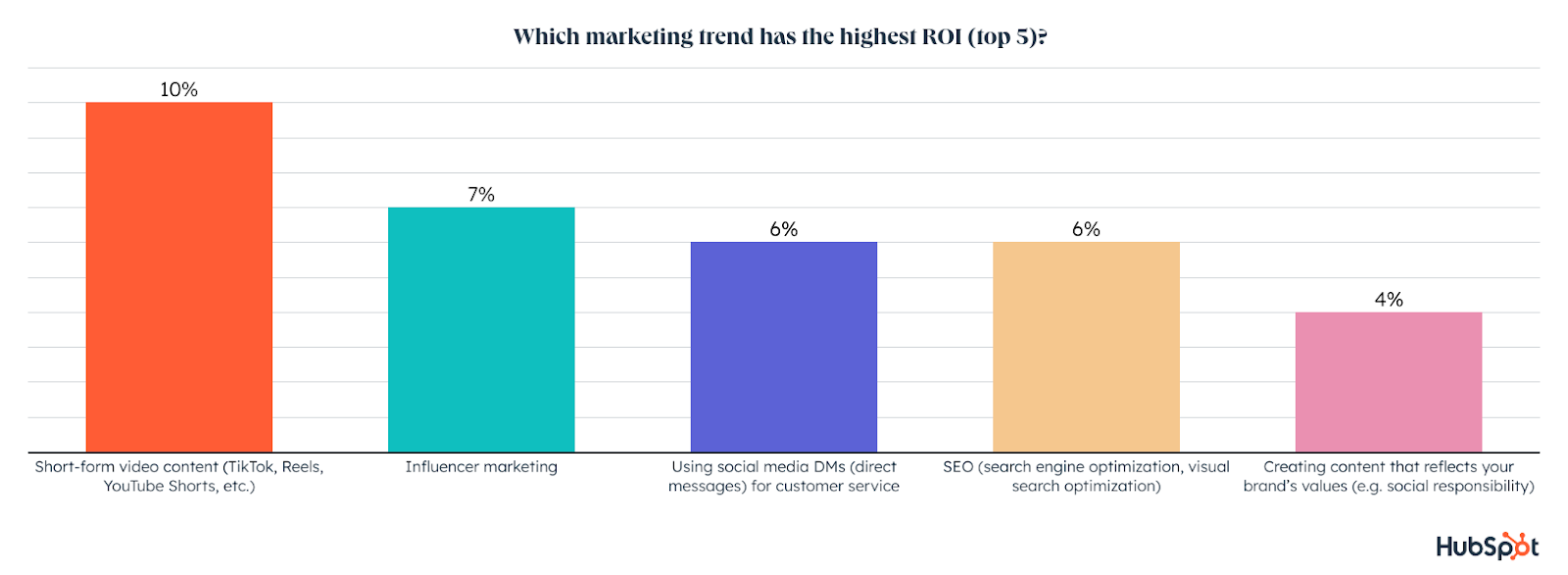
Not only is short-form video the most popular trend among marketers, with one-third using it, but it’s also the most effective and has the highest ROI.
On top of all that, short-form video will see the most growth of any trend in 2023, with marketers planning to invest more in it than any other trend.
90% of marketers using short-form video will increase or maintain their investment next year, and 21% of marketers plan to leverage short-form video for the first time in 2023, also the highest of any trend.
2. Influencer marketing will continue to grow its high ROI.
Over 1 in 4 marketers currently leverage influencer marketing and it offers the 2nd highest ROI of any trend. Luckily it can be leveraged with short-form video to take advantage of both of the highest ROI trends at the same time!
Influencer marketing will also see significant growth in 2023 with 17% of marketers planning to invest in it for the first time, the 2nd highest of any trend.
Influencer marketing also comes in second for the trend marketers plan to invest in more than any other in 2023 and 89% of marketers using it will increase or maintain their investment next year.
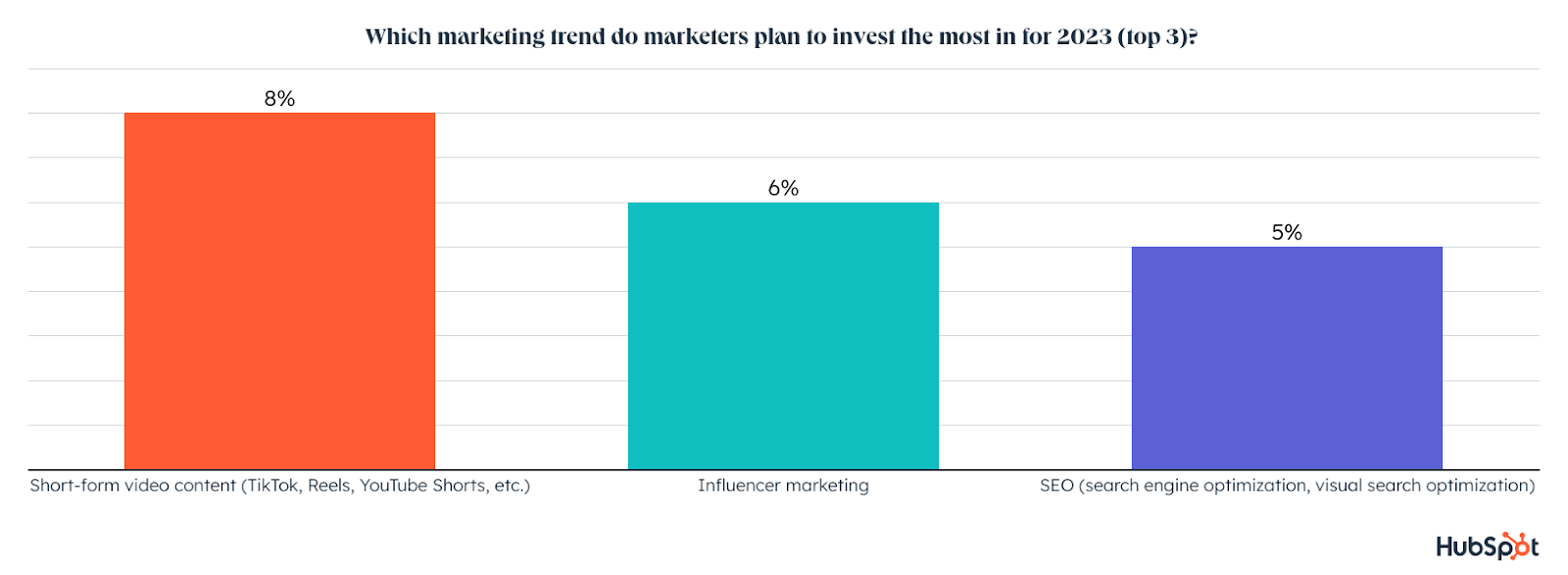
On top of all that, our consumer trends survey shows that 33% of Gen Zers have bought a product based on an influencer’s recommendation in the past three months. And when they’re making purchase decisions, Gen Z says influencer recommendations are more important than recs from their friends and family.
3. Branded social media DM tactics are growing.
Using social media DMs for customer service is relatively new, but already used by 29% of marketers. It has the 3rd highest ROI of any marketing trend and use will grow in 2023, with 15% of marketers planning to try it for the first time.
On top of that, 87% of marketers using social media DMs for customer service will increase or maintain their investment in 2023.
As social media apps like Instagram, Twitter, and Facebook continue developing their e-commerce capabilities, providing customer service through DMs will only become more crucial.
Our Consumer Trends survey also found that over 1 in 5 Gen Zers and nearly 25% of Millennials have contacted a brand on social media for customer service in the past three months.
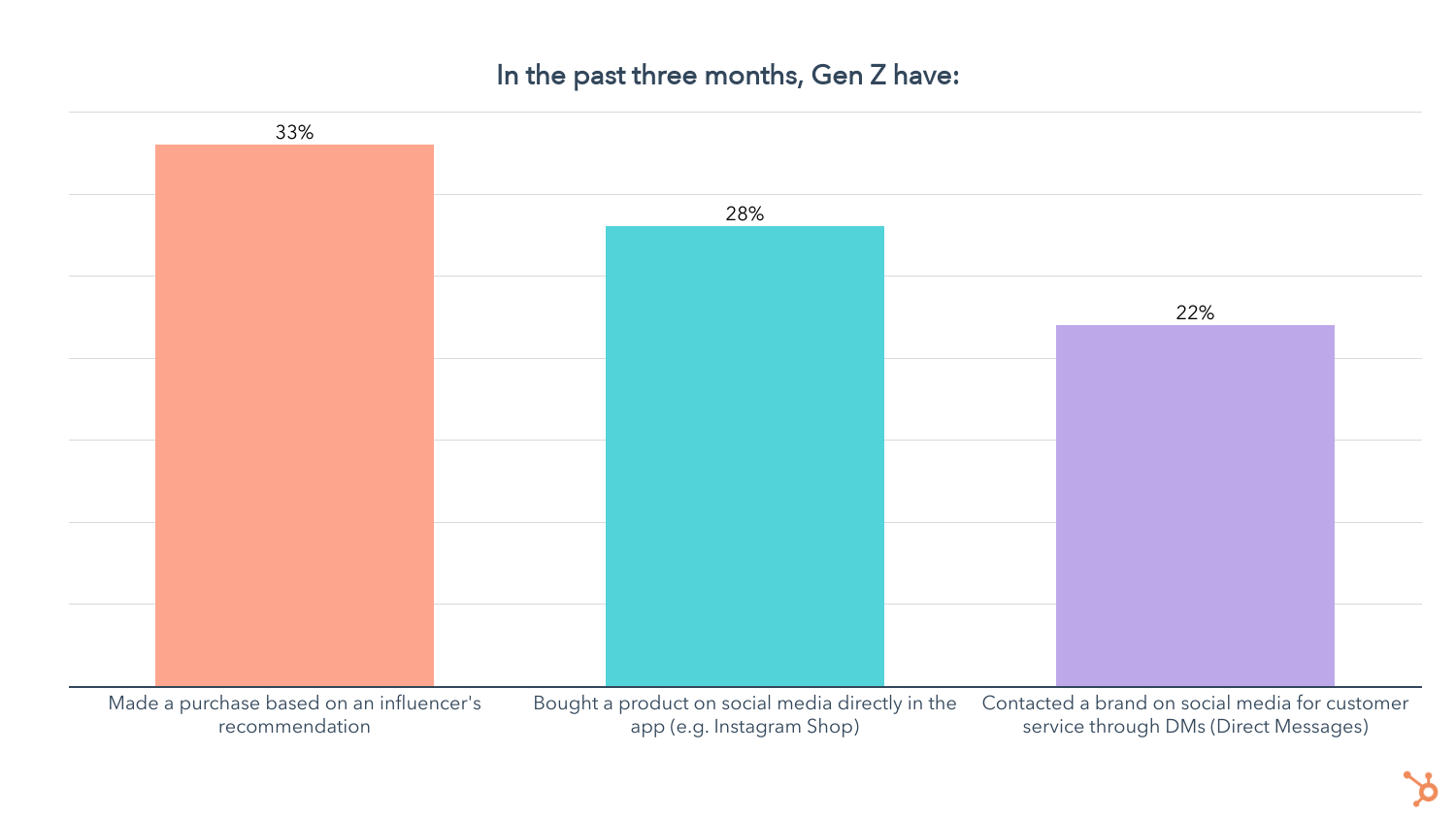
Using social media shopping tools is another growing, high ROI marketing trend that goes hand in hand with providing support through DMs, with almost 30% of Gen Z and Millennials having bought a product on social media in the past three months.
4. Website SEO continues to shine.
While not new, leveraging a blog with an effective SEO strategy continues to be a powerful tool, with 29% of marketers using a website to attract and convert leads.
Leveraging SEO ranks #4 in terms of ROI and effectiveness and 88% of those who use it will increase or maintain their investment in 2023.
When it comes to the trend marketers will invest the most money in for 2023, SEO ranks third behind short-form video and influencer marketing.

5. Marketers will continue to humanize their brands.
30% of marketers are currently creating content that reflects their brand’s values, making it the third most popular trend right now.
It has the 5th biggest ROI of any trend and will see growth in 2023. 16% of marketers plan to leverage content that reflects their brand’s values for the first time in 2023, and 89% of those already investing in it plan to increase or maintain their investment.
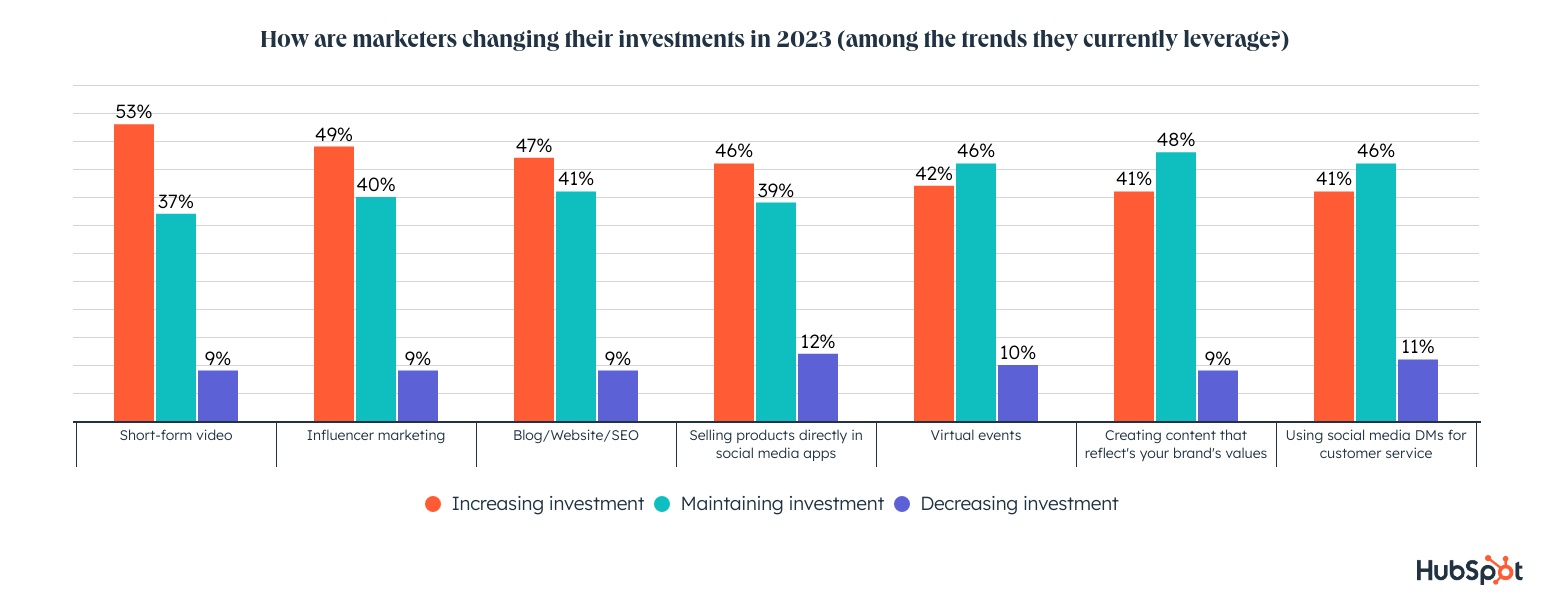
6. Marketers will benefit from data in 2023.
As we discussed above, we believe that data-driven marketers will win in 2023. After all, some of the biggest advantages marketers get from using data to inform their marketing strategy are that data helps them reach their target audience more effectively, create more effective marketing content, understand which marketing strategies are most effective, increase the ROI of their marketing efforts, and prove the value of their marketing and activities.
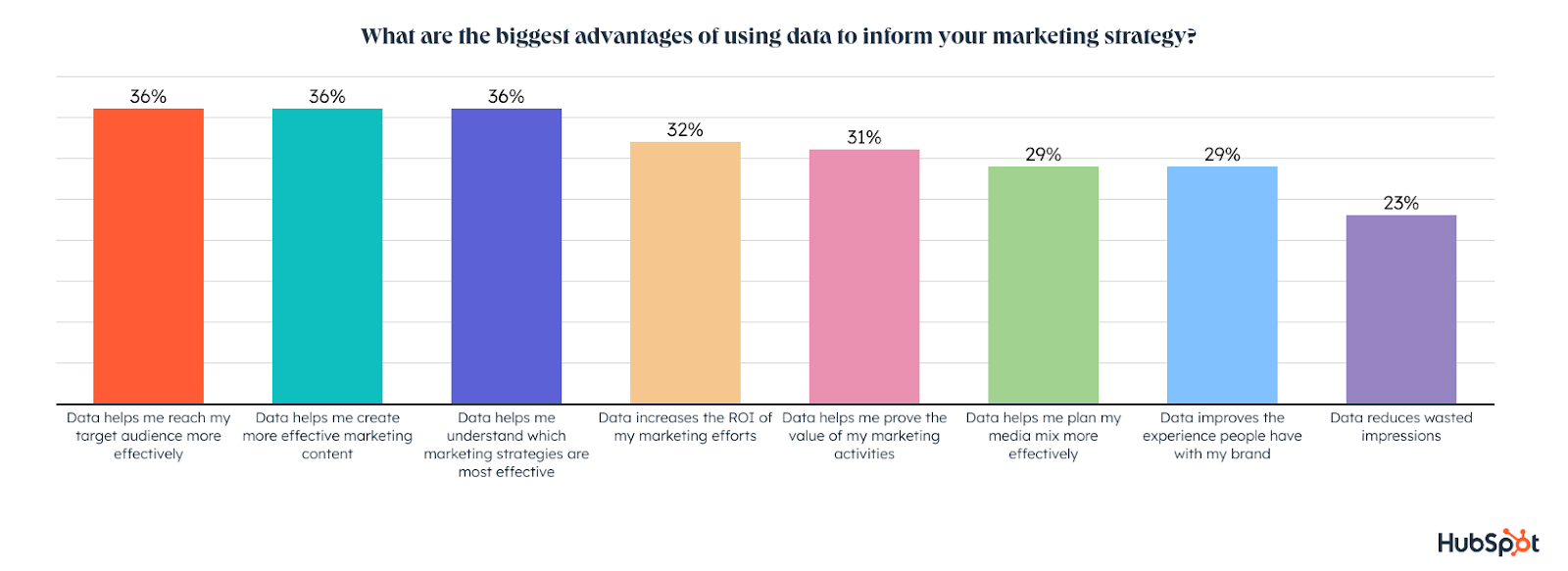
Which Marketing Trends Will Grow in 2023?
Short-form video, selling products directly in social apps, and influencer marketing will see the most first-time use by marketers in 2023.
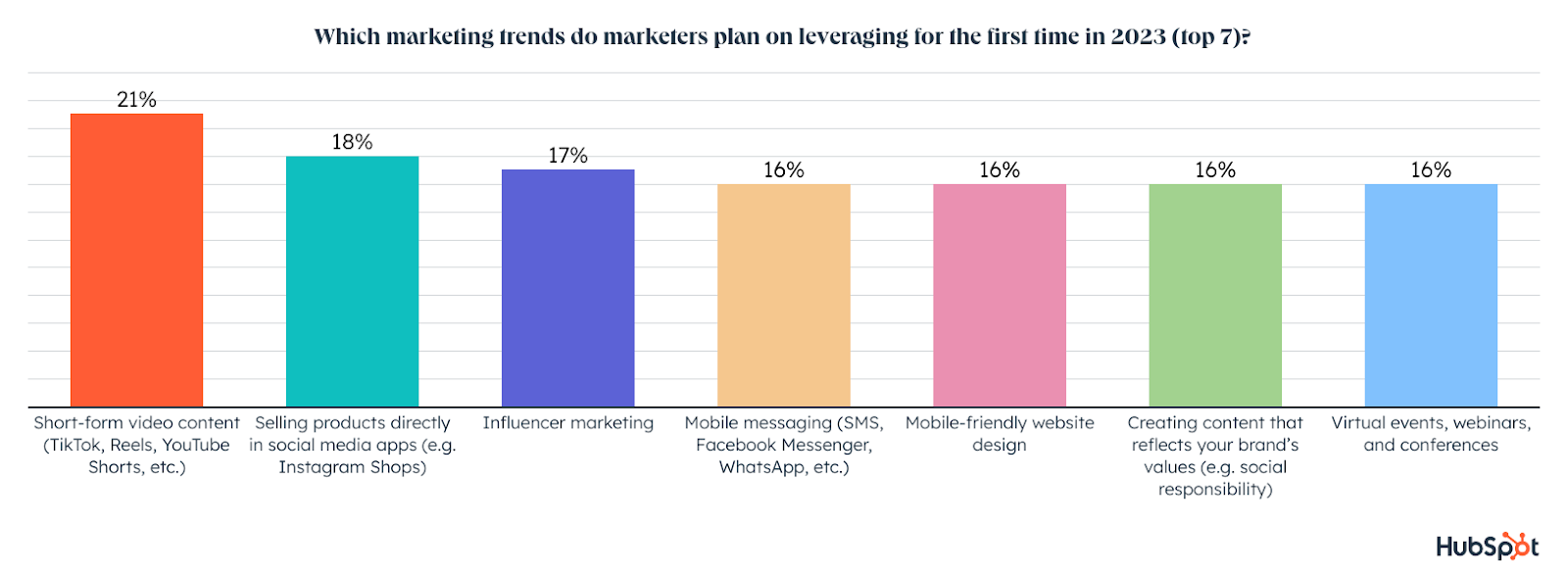
Which Trends Could Marketers Leave Behind?
Now let’s take a look at the trends marketers are going to stop leveraging in 2023.
One in three marketers plan to stop using NFTs and 29% plan to cut out marketing in the metaverse and audio chat rooms in 2023. Voice search optimization and VR/AR are also at the top of the list of trends marketers plan to stop using next year.
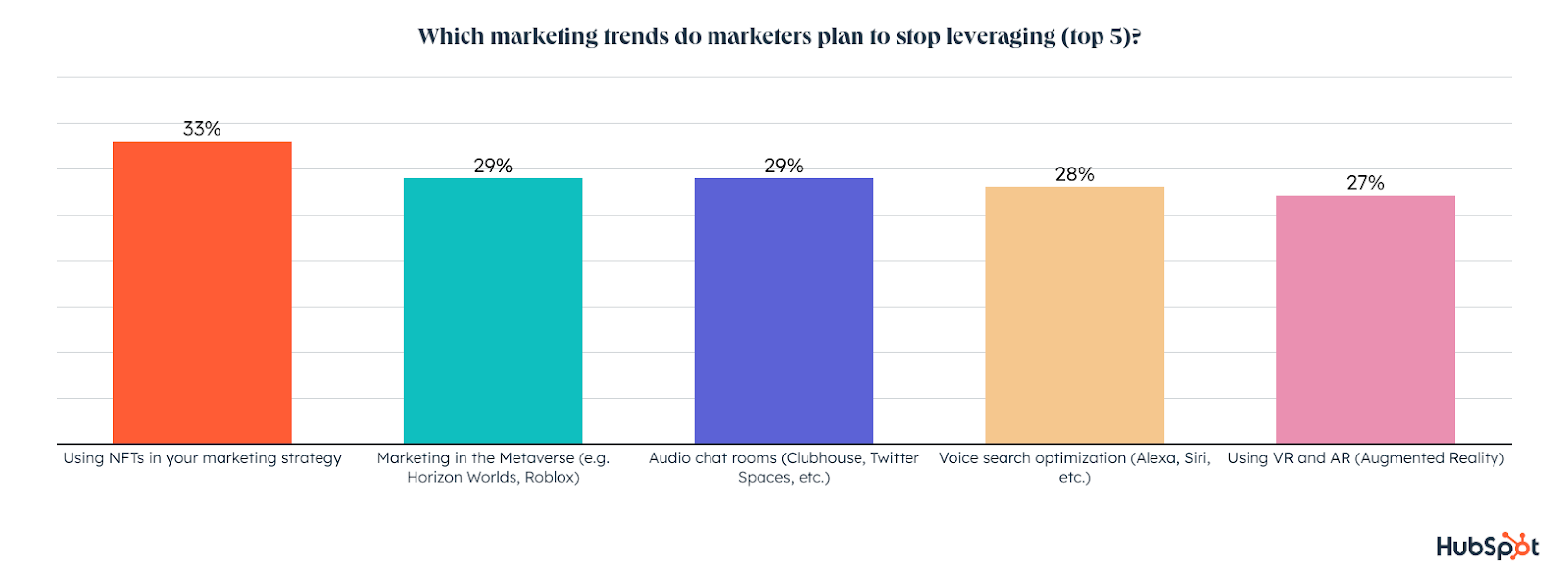
While that may seem bleak, there are plenty of marketers who plan on exploring these same trends for the first time in 2023:
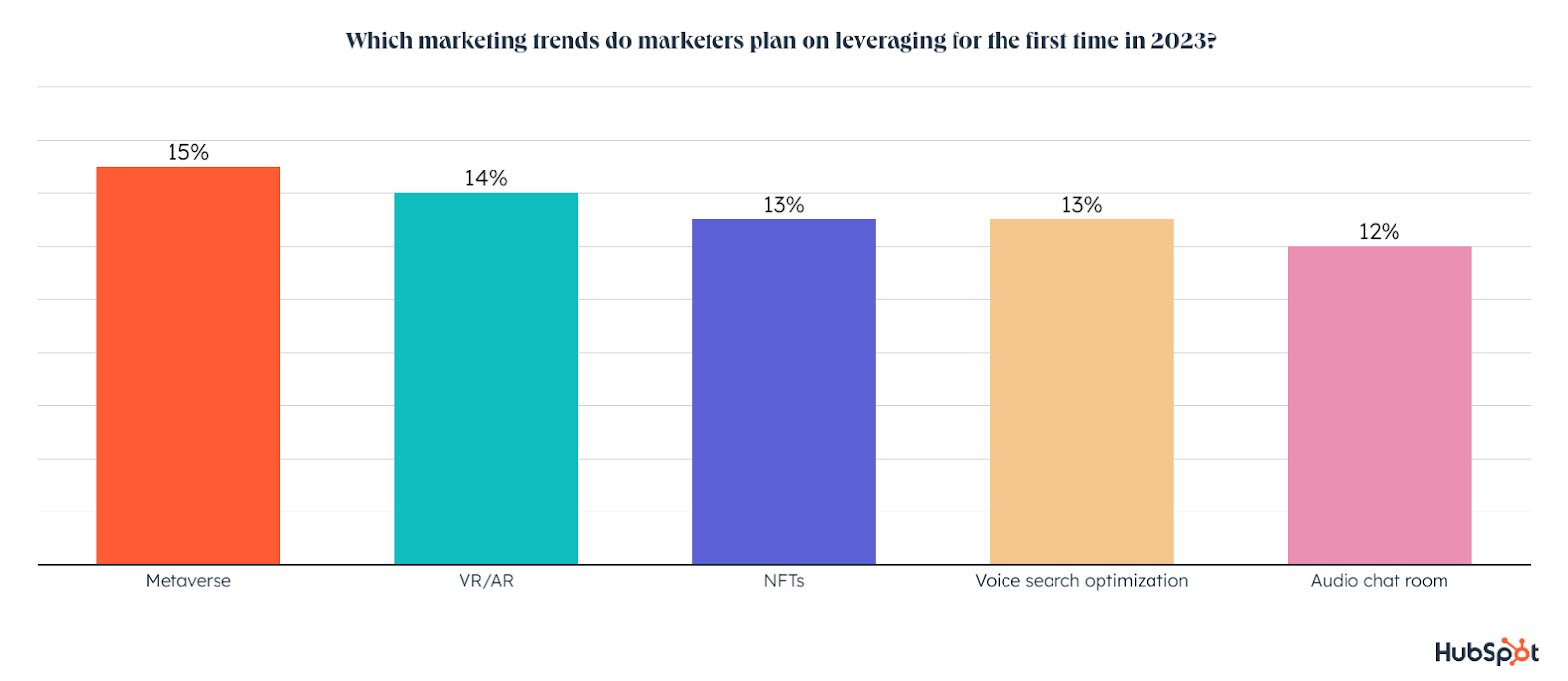
Next, let’s look into the top marketing channels for this year and 2023.
The Top 3 Marketing Channels of 2023
Marketers leverage an average of four different marketing channels in their role. Social media is used by over 42% of marketers, making it the #1 channel marketers are currently leveraging. It also has the highest ROI of any channel and will grow significantly in 2023. Additionally, one in four marketers say they use social media shopping tools.
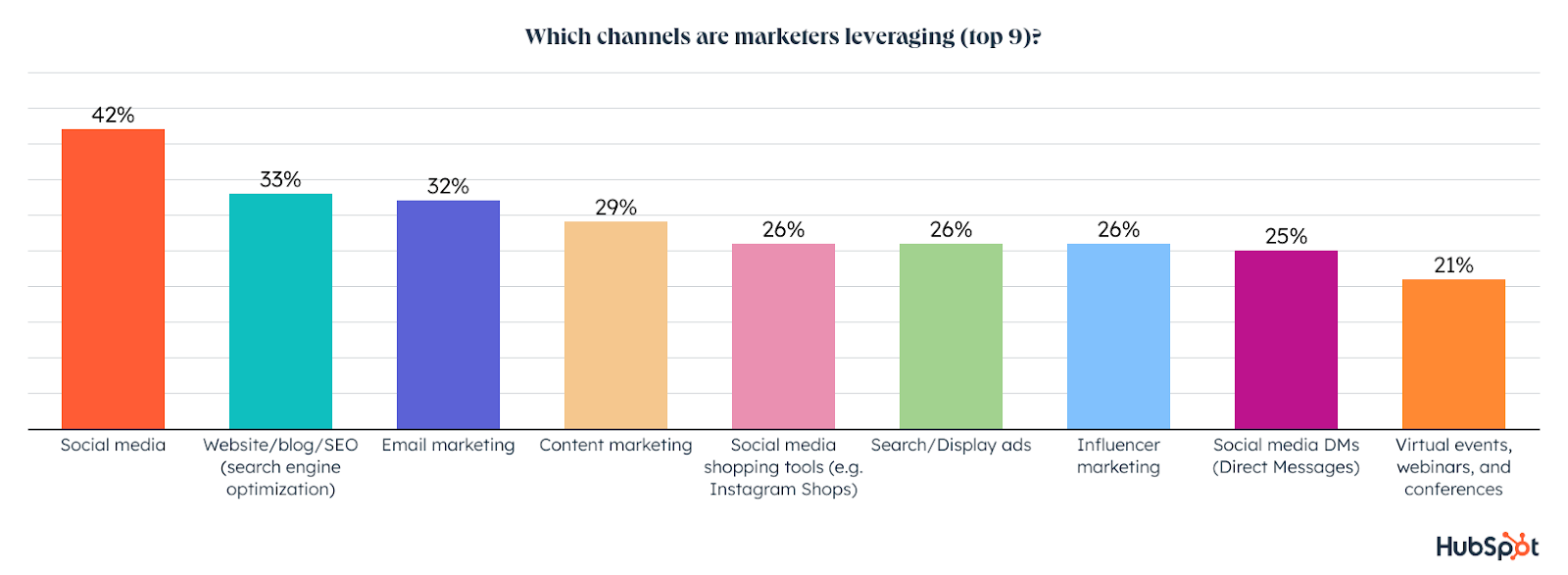
One in three marketers are leveraging their own blog or website, as well as SEO, to land on SERPs. Meanwhile, 32% use email marketing.
Blogs, social media shopping tools, and influencer marketing are neck and neck for the highest ROI of any marketing channel.
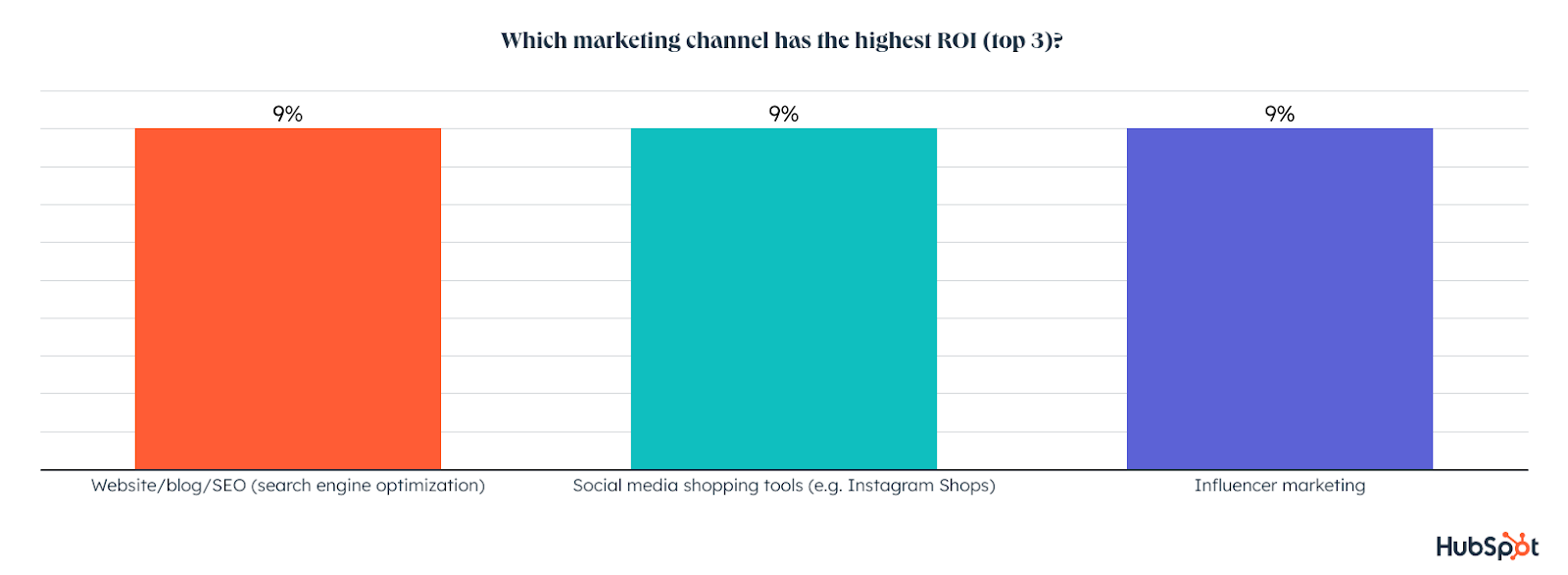
Since social media is far and above the top marketing channel, let’s dive into which social media platform is the most effective.
Marketers leverage an average of four social media platforms in their roles. Facebook is the most used social media platform, leveraged by 64% of marketers, followed by Instagram (58%), YouTube (57%), Twitter (43%), TikTok (42%), and LinkedIn (33%).
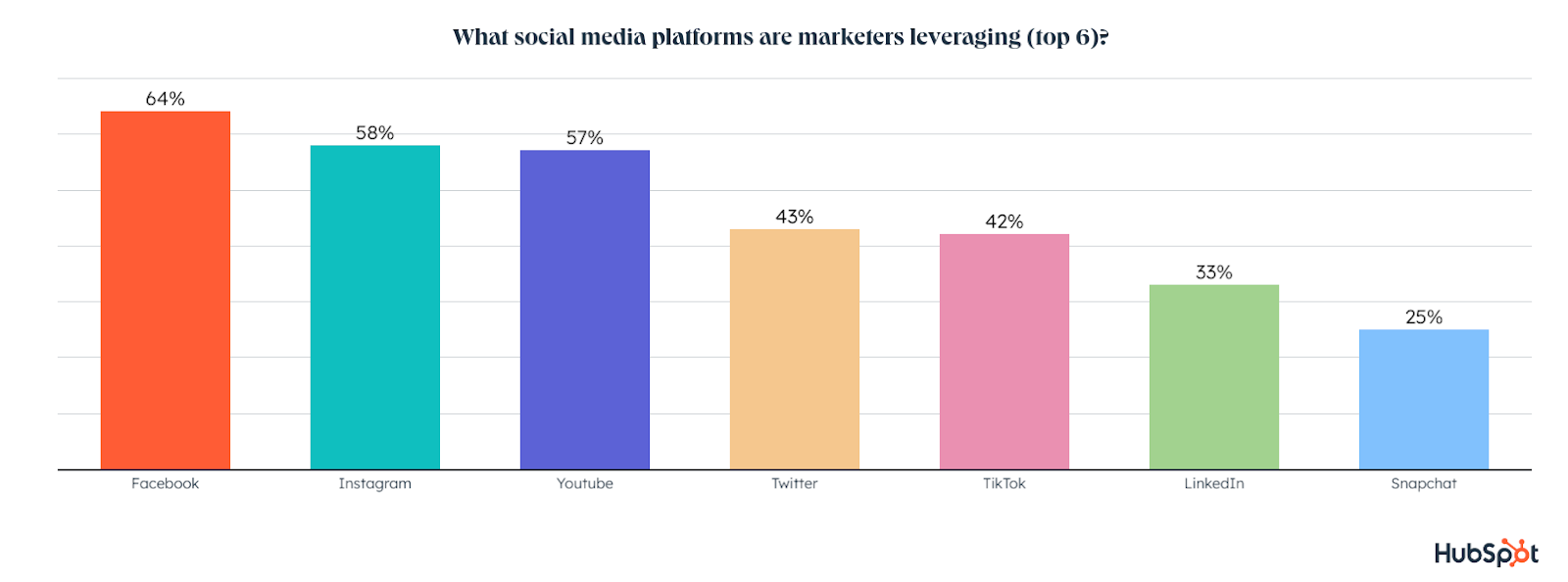
Now that we’ve looked at what both general and B2B marketers use most often, let’s take a look at each platform more in-depth (in order of their general-marketer popularity) and see how they stack up against one another.
1. Facebook leads in ROI, though other apps will see more growth
Facebook is not only the most used social media platform among marketers but also offers the highest ROI. Facebook is the channel marketers plan to invest the most in for 2023, higher than any other channel.
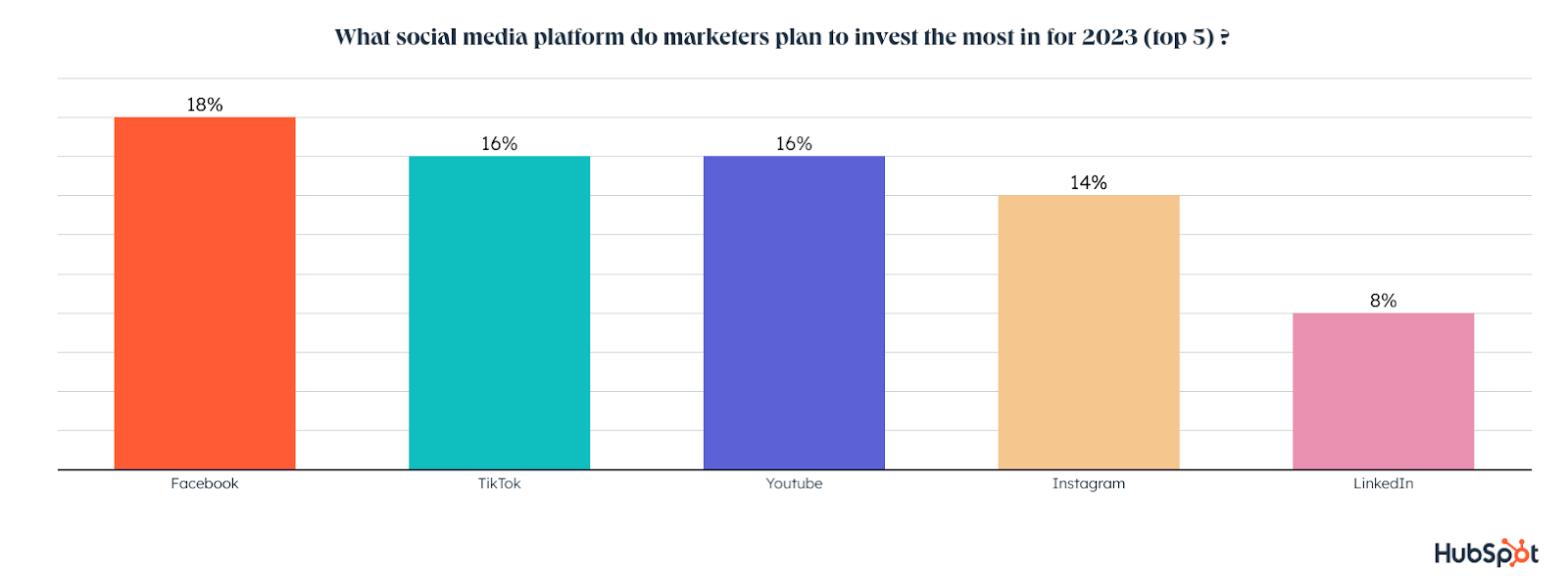
While nearly 25% of marketers plan to invest in Facebook for the first time in 2023, this growth is slower than other apps like YouTube, Instagram, TikTok, and Twitter will see next year.
2. YouTube will see the most growth of any platform in 2023
YouTube’s currently used by 57% of marketers and ties for 2nd in ROI with YouTube and TikTok.
YouTube will see the most growth of any platform in 2023, with 91% of those using it planning to increase or maintain their investment. At the same time, 29% of marketers plan to try YouTube for the first time, the highest of any social app.

3. Instagram is #2 for ROI and will see high first-time use in 2023
Instagram is used by 58% of all marketers, the 2nd highest of any platform. It also ties in 2nd for ROI with YouTube and TikTok and will see significant growth in 2023.
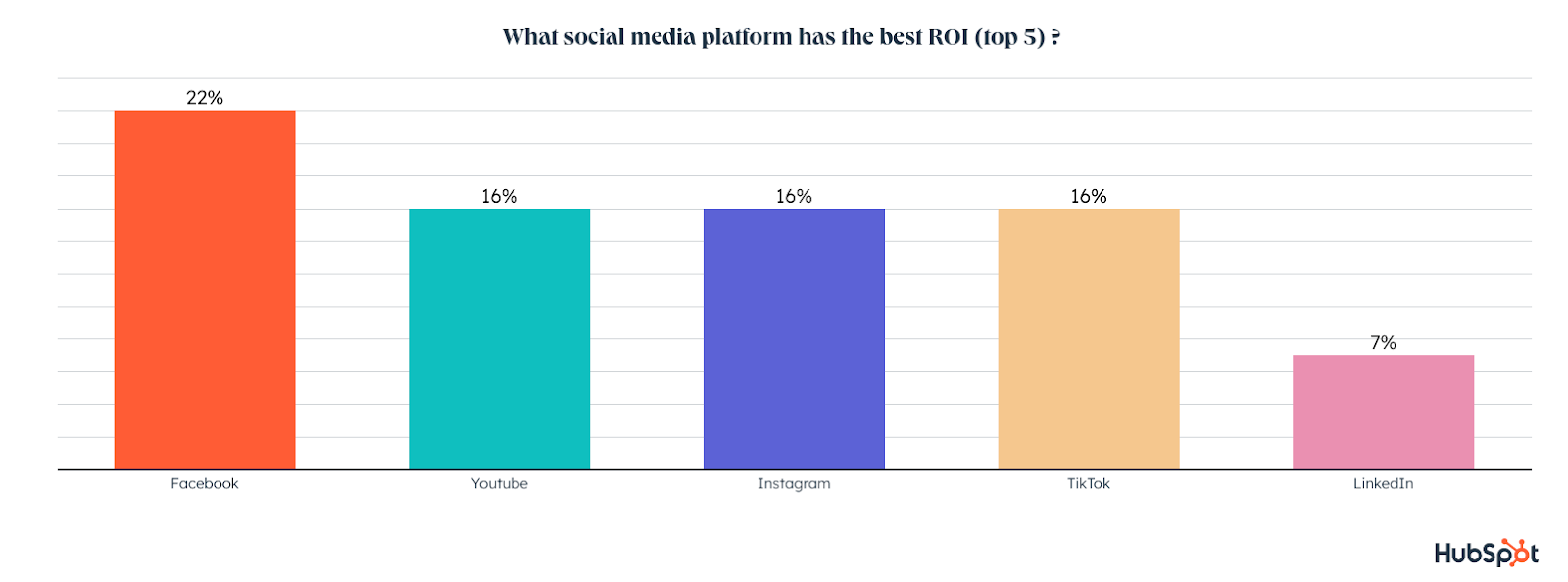
14% of marketers will invest more in Instagram than any other platform in 2023, and 29% of marketers plan to try Instagram for the first time next year.
4. Over half of marketers eye TikTok for future investments.
TikTok has quickly become much more than just a trendy social app which was once primarily used by Gen Z, and marketers are taking heavy notice.
TikTok is used by 42% of marketers and ties for 2nd with YouTube and Instagram as a top ROI-generating platform.
TikTok will only continue to see growing brand interest in 2023, with 56% of those using it planning to increase their investment next year, the highest increase of any social media app, while 34% plan to maintain their current investment.

On top of the points above, 26% of marketers plan to use TikTok for the first time in 2023, while 16% of marketers will invest more in the app than any other next year.
With TikTok, a solid B2C platform, seeing such high marketing growth, you might wonder how the top platforms compare when analyzing B2B and B2C markers. Let’s take a quick look.
B2B vs. B2C Social Media Marketing Data
In terms of which platforms they use, both B2B and B2C marketers look very similar, with the biggest difference being that B2B marketers are more likely to use LinkedIn:
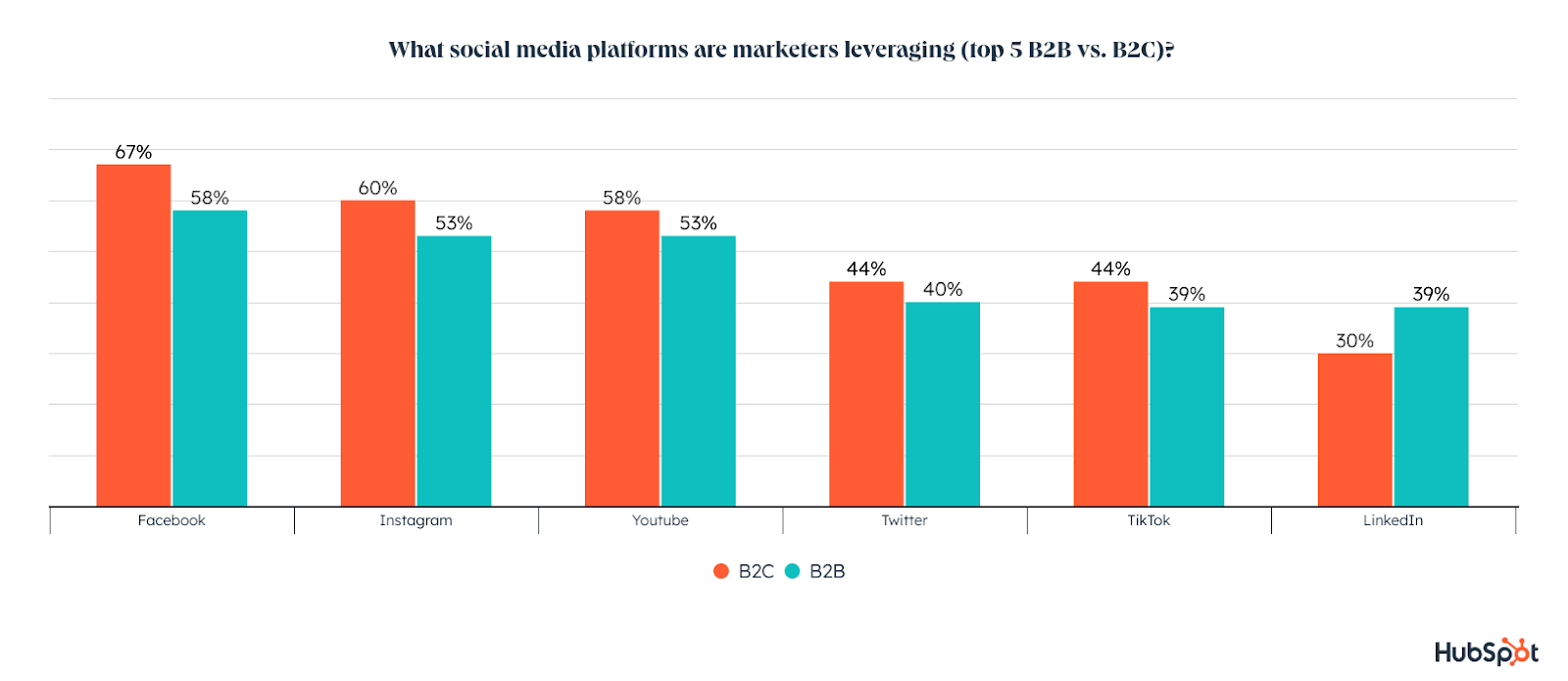
That might not be surprising, but does LinkedIn actually offer B2B marketers a better ROI than other platforms?
Just 14% of B2B marketers using LinkedIn say it gives them the highest ROI of any platform. That’s a lower percentage than Facebook, Instagram, and TikTok.
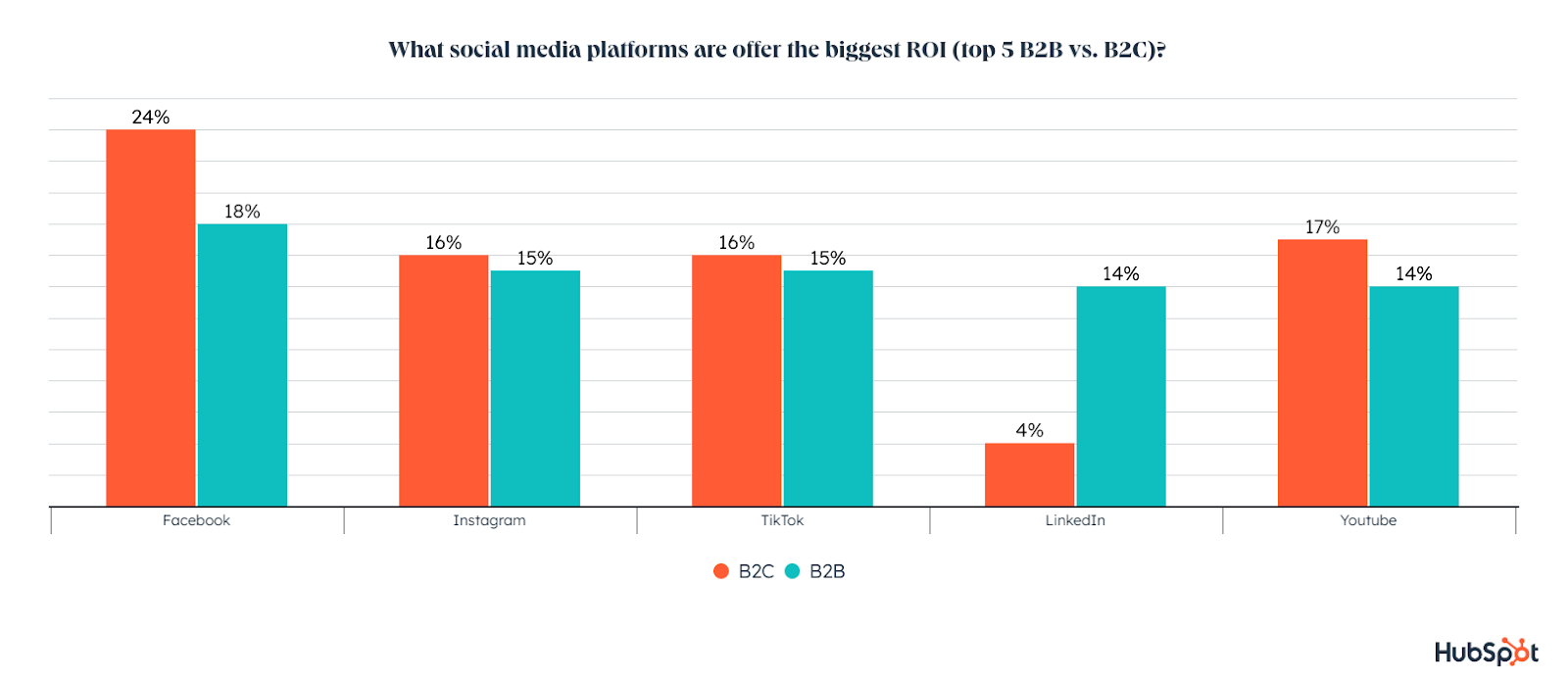
How Marketers Share Content on Social Media
Since marketers are using so many social media apps at once, you may be wondering if they are tailoring their content to each one, or just sharing the same content across the board.
It turns out that almost half of marketers re-post the same exact content across various social media platforms, while 35% tailor it to fit each app and 19% do a bit of both.
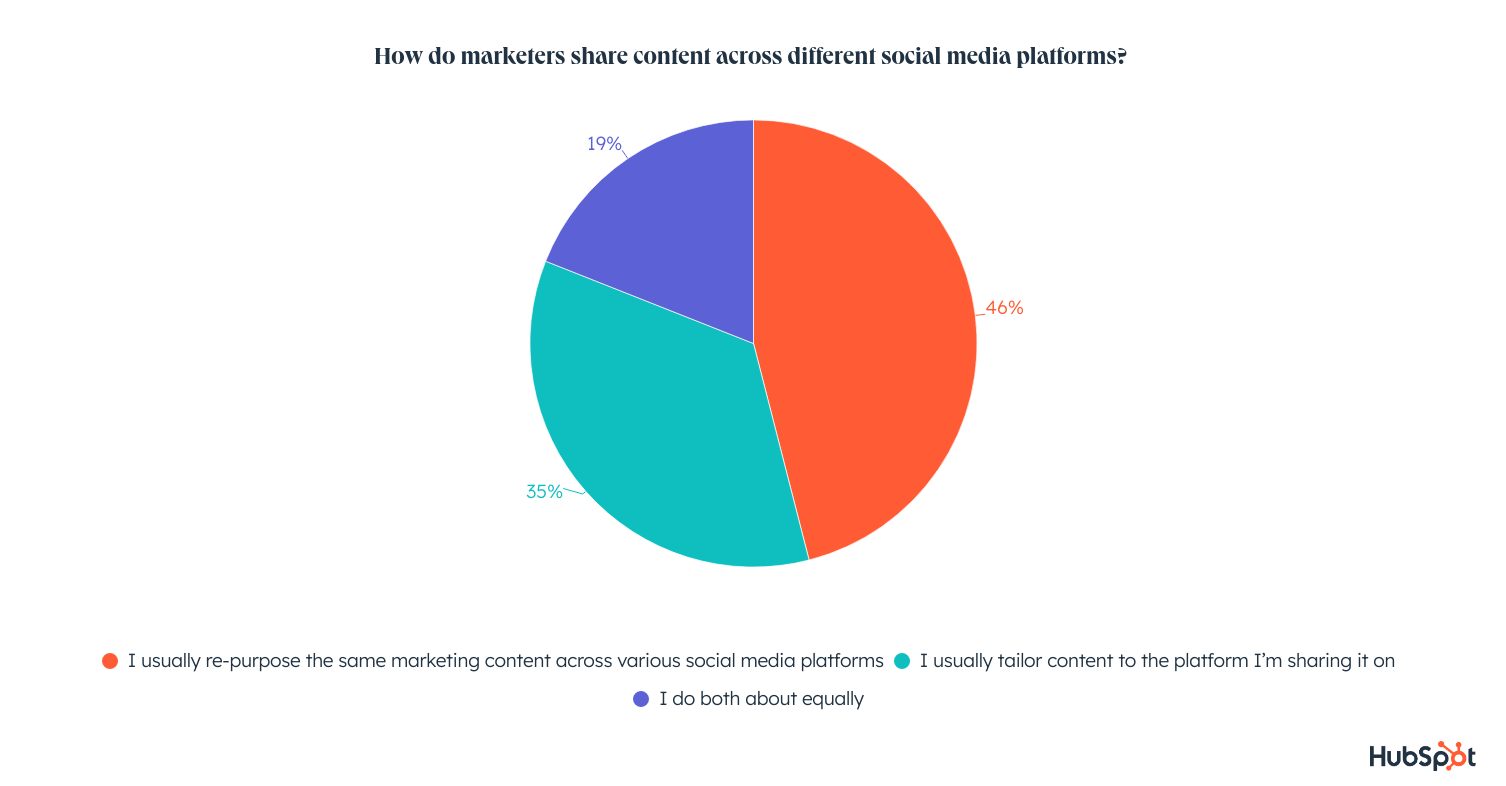
The Biggest Social Media Marketing Challenges
The top challenges social media marketers face are creating engaging content, gaining and keeping followers, reaching their target audience, finding ideas for new content, generating leads, keeping up with trends, and measuring ROI.
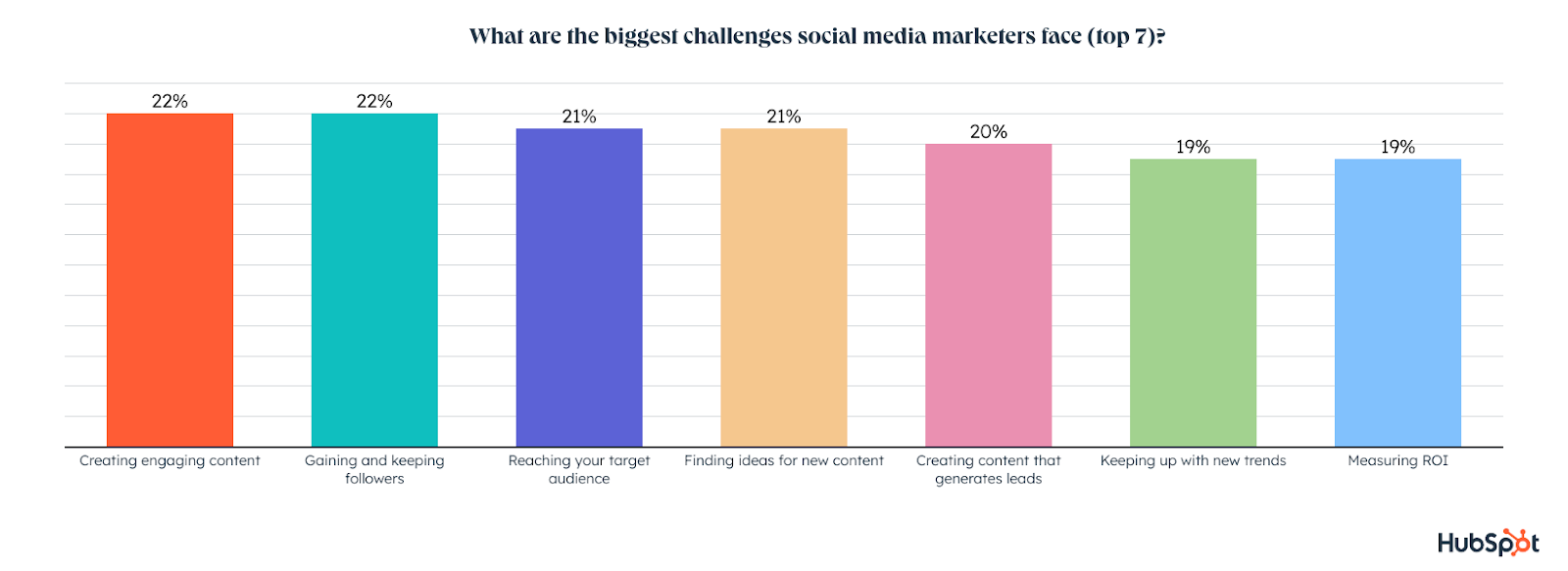
Now that we’ve talked all about the top trends, channels, and social platforms, we can take a look at which media formats marketers are most effective.
In the coming month, we’ll be diving deeper into these themes by surveying more global social media marketers about all the specifics related to their roles. Stay tuned as we’ll continue to publish findings from our additional research.
Which Media Formats are Marketers Leveraging?
Half of marketers are using videos, with 47% leveraging images, followed by 33% posting blogs articles, infographics (30%) and podcasts or other audio content (28%).
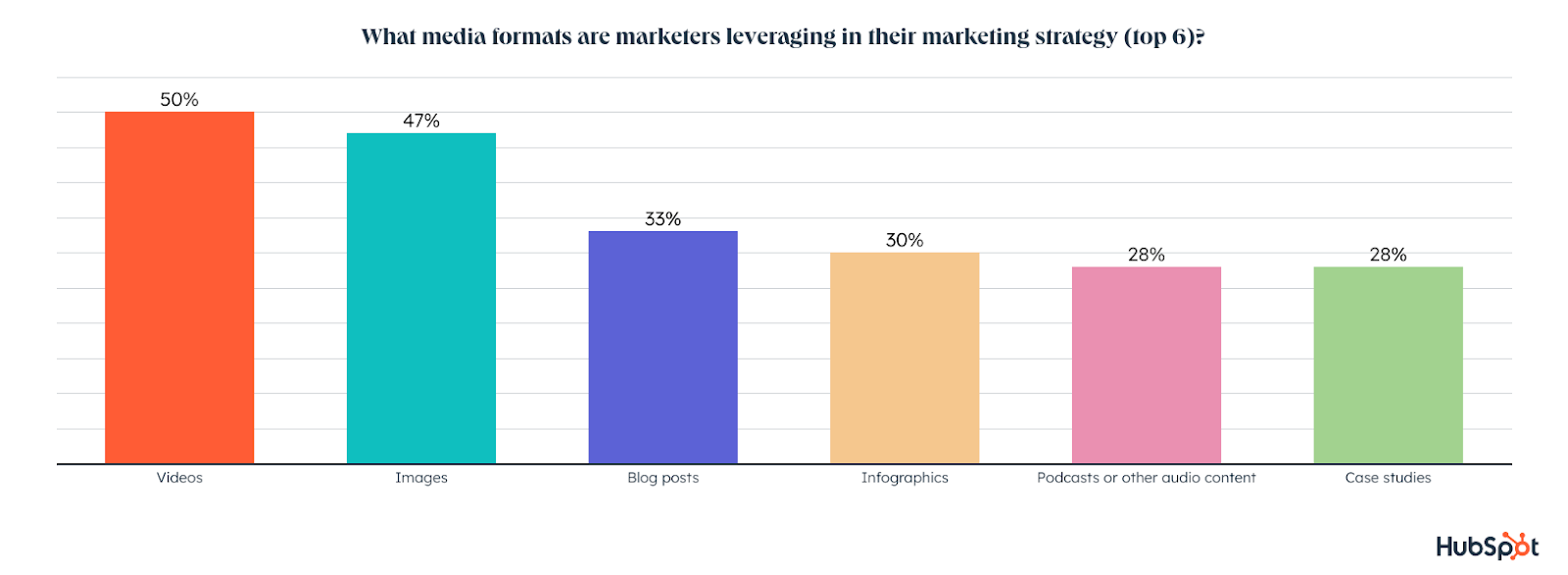
Video has the highest ROI of any media format by far, followed by images, blog posts, and podcasts or other audio content.
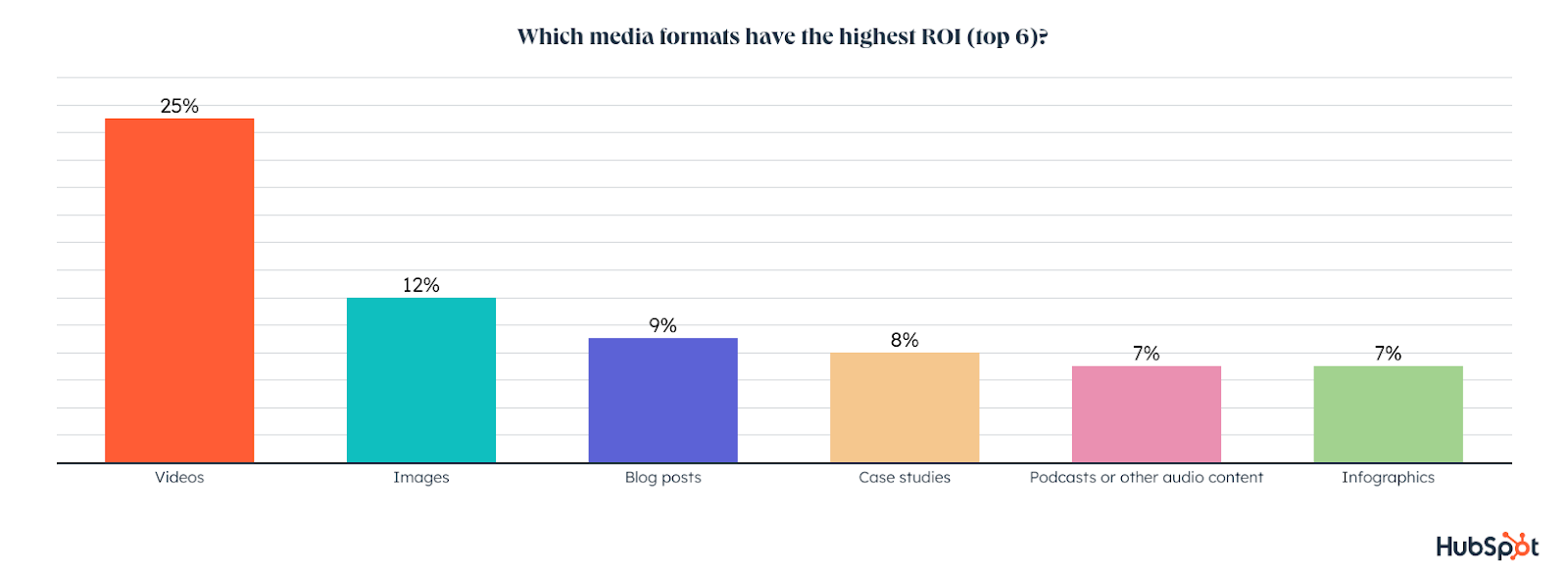
Use of video will grow significantly in 2023, with 24% of marketers planning to invest more in video than any other media format. Podcasts will see the 2nd highest investment, with 10% of marketers investing more in audio content than any other media format.
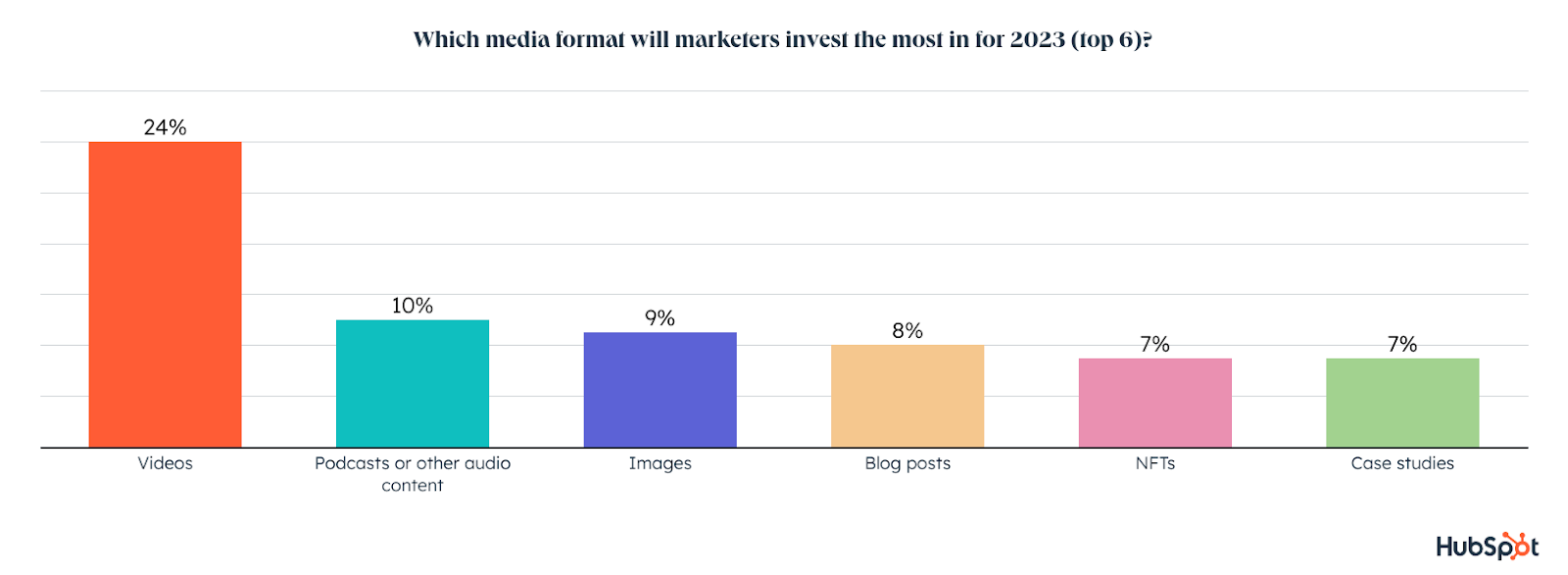
Video will also grow the most among first-time users in 2023, with 1 in 3 planning to try leveraging video next year. Images (29%), blog posts (26%), interview (25%), and podcasts (24%) will also see high first-time use among marketers in 2023.

You might also be wondering how often marketers publish content across these formats.
One-third of marketers publish content a few times a week, while another third publish daily. Just 13% of marketers put out content multiple times a day.
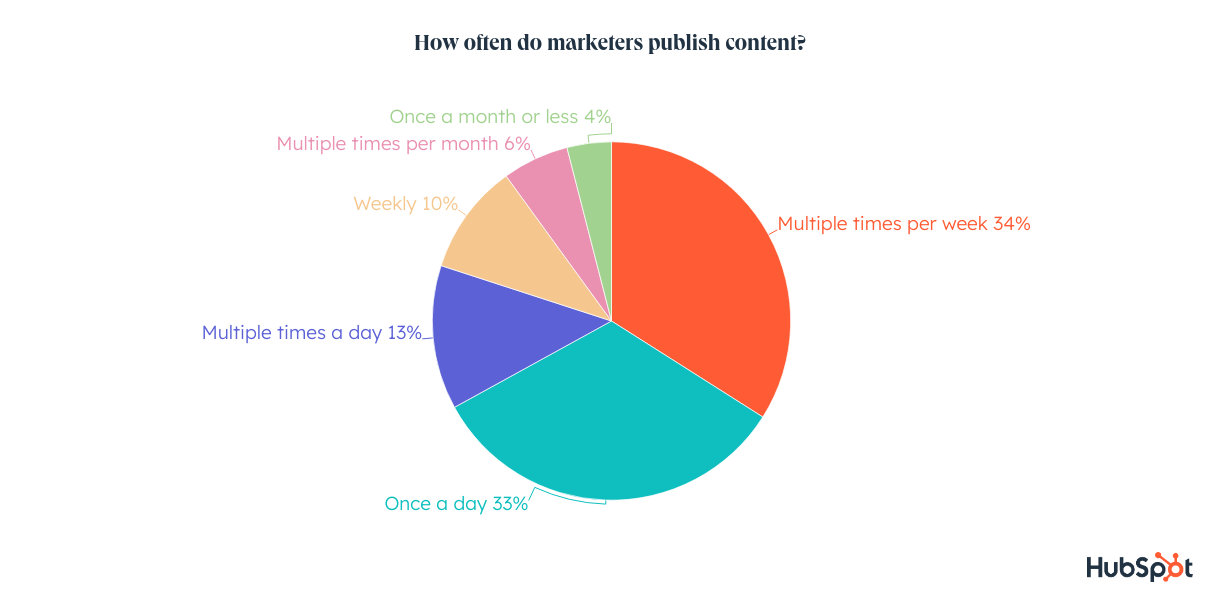
We also asked content marketers about the biggest challenges they face with their content strategy. Content marketers are currently struggling most with creating content that gets high levels of engagement, reaching their target audience, finding ideas for new content, creating content that generates leads, and creating content that attracts traffic to their website.
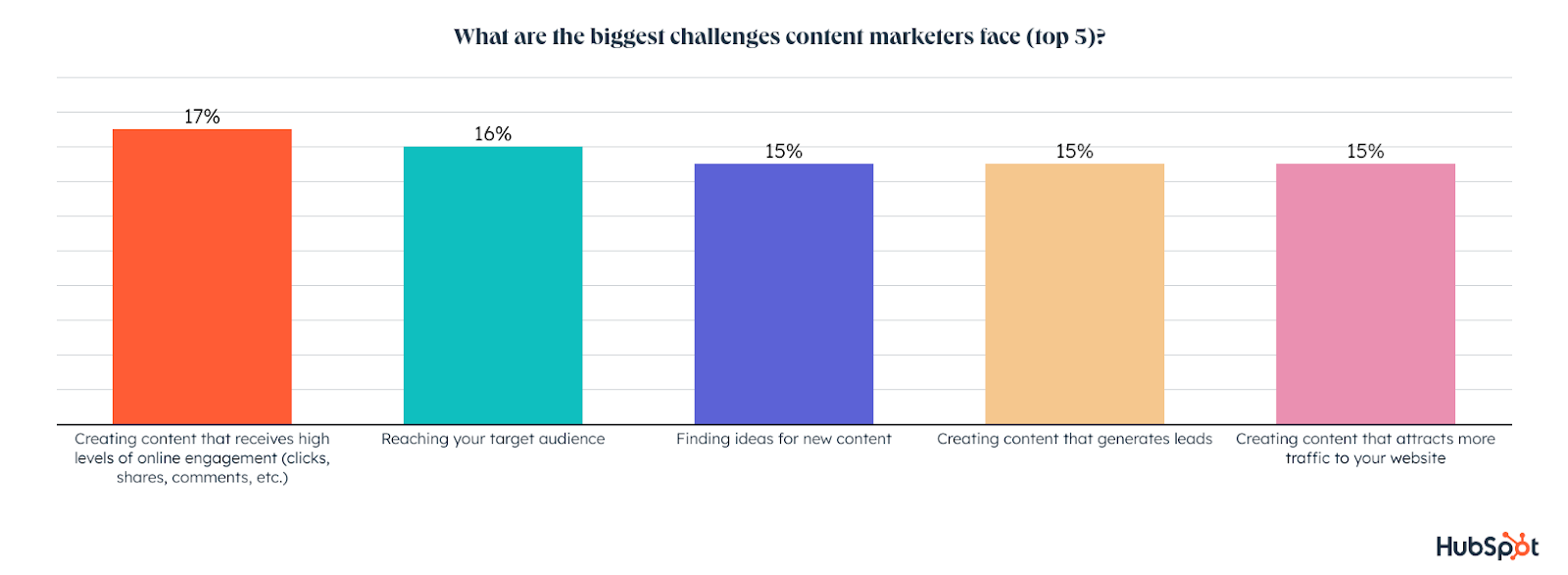
What are the Top Challenges Marketers Face?
The top challenges marketers are facing are generating traffic and leads, hiring top talent, pivoting their marketing strategy, training their team, keeping up with the latest trends, and increasing competition with other brands.
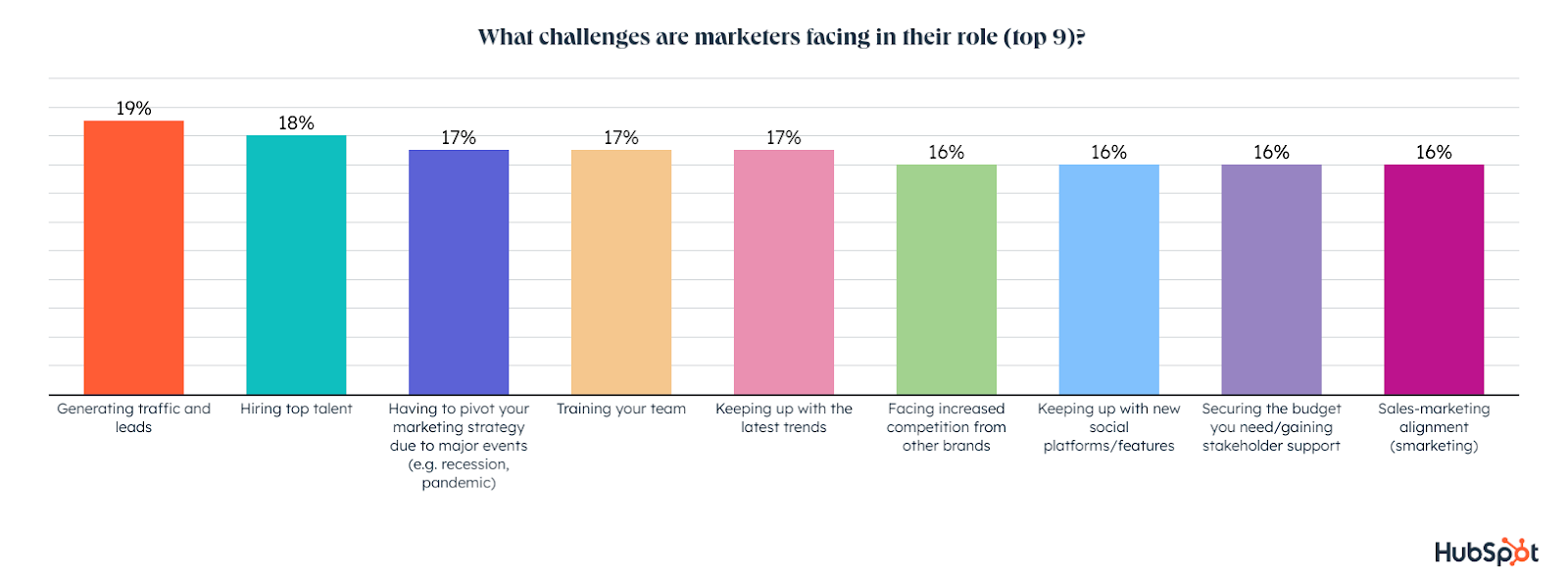
While we ran this survey in late 2022, these challenges are fairly consistent with what marketers cited in the research we did for our State of Marketing Report, which you can download for free here.
Of the challenges marketers face, those they struggle with most right now are:
- Updates to data privacy regulations,
- Growing a global audience,
- Using their CRM to its fullest potential
- Sales/marketing alignment
- A lack of high-quality data
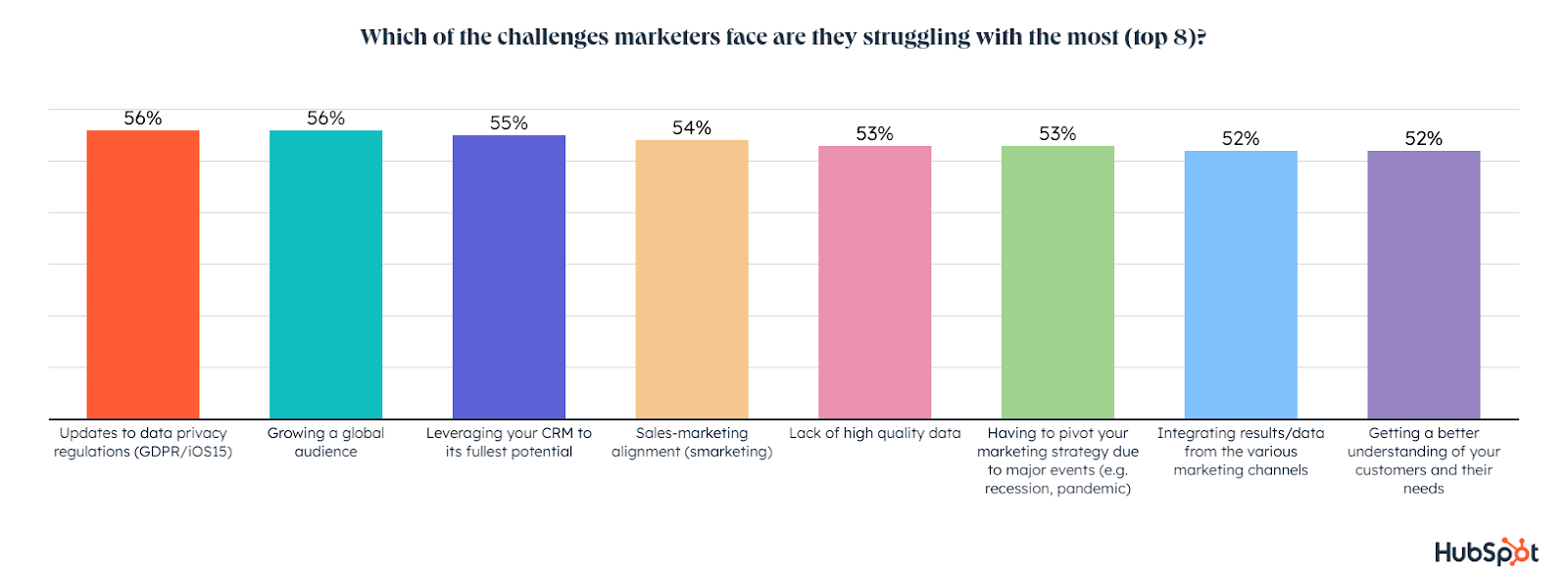
When it comes to the biggest challenges marketers anticipate in 2023, keeping up with the latest trend tops the list, followed by increased competition, leveraging their CRM to its fullest potential, and having to pivot their marketing strategy.
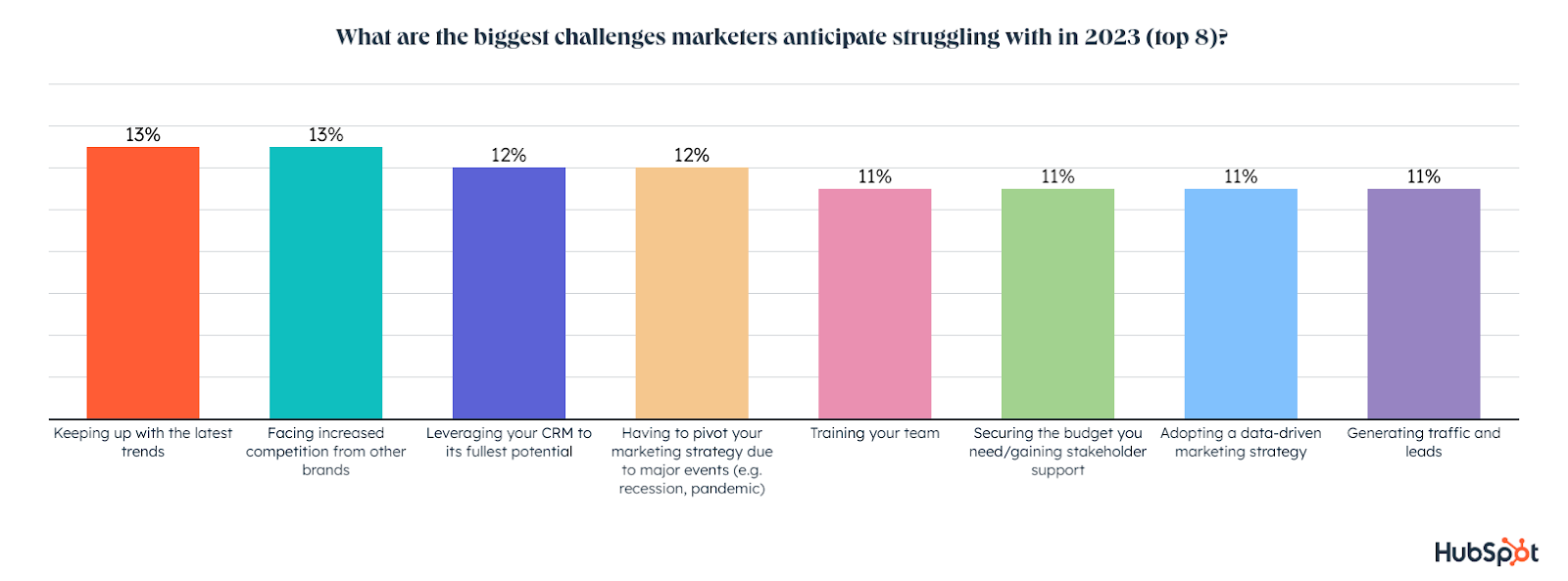
Key Theme: Marketers Still Struggle to Understand Target Audiences
What’s stopping marketers from having the data they need on their target audience?
The biggest challenges involve data privacy regulations, consumers being less trusting with their personal data, how fast their audiences evolve,, a lack of information on their shopping habits, and the technological issues and learning curves that come with collecting data.
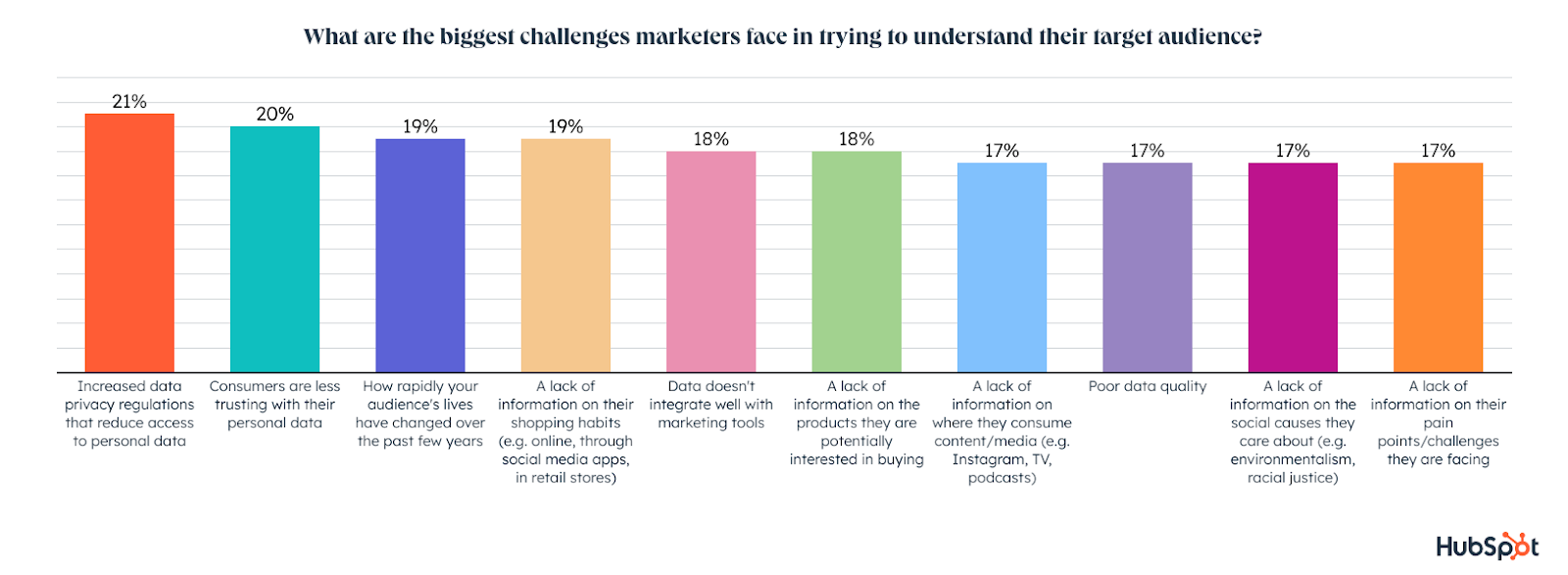
If marketers are able to collect data with the tools and technology they have, data privacy regulations and consumer distrust in sharing personal data can cause marketers to miss critical information. On top of that, poor data quality caused by these and other impacts noted above, can make it harder to keep up with the rapid changes happening in your targets’ lives.
While we surveyed general marketers for this portion of the report, we also did a follow up survey to learn about the key challenges and pain points executive and director+ marketing leaders are expecting to face. Check out this post, from our Act Like a Leader, Think Like a Leader blog series (fully launching Nov. 1), which includes tips from marketing execs and experts at companies like Microsoft, HubSpot, Help Scout, ZoomInfo, Sprout Social, and more.
Let’s dive more into how they performed in 2022 and how it compares to the data we collected earlier for our State of Marketing Report. If you want to dive deeper into the challenges we’ve discussed above, check out this post.
In 2022, marketing goals revolved around increasing revenue/sales (27%), improving the customer experience (22%), boosting brand awareness/reaching new audiences (20%), as well as increasing engagement, and strengthening brand loyalty through customer relationships (18%).
Marketers also focused their 2022 strategy on better understanding their customers, growing their social media following or community, and improving sales-marketing alignment.
But in 2023, half of marketers say these goals will change.
For those marketers making a pivot, increasing revenue/sales still tops the list, but the focus will shift to improving sales/marketing alignment, fostering relationships with customers to increase brand loyalty, revving up advertising, improving customer understanding of their products/services, and understanding audience targets better.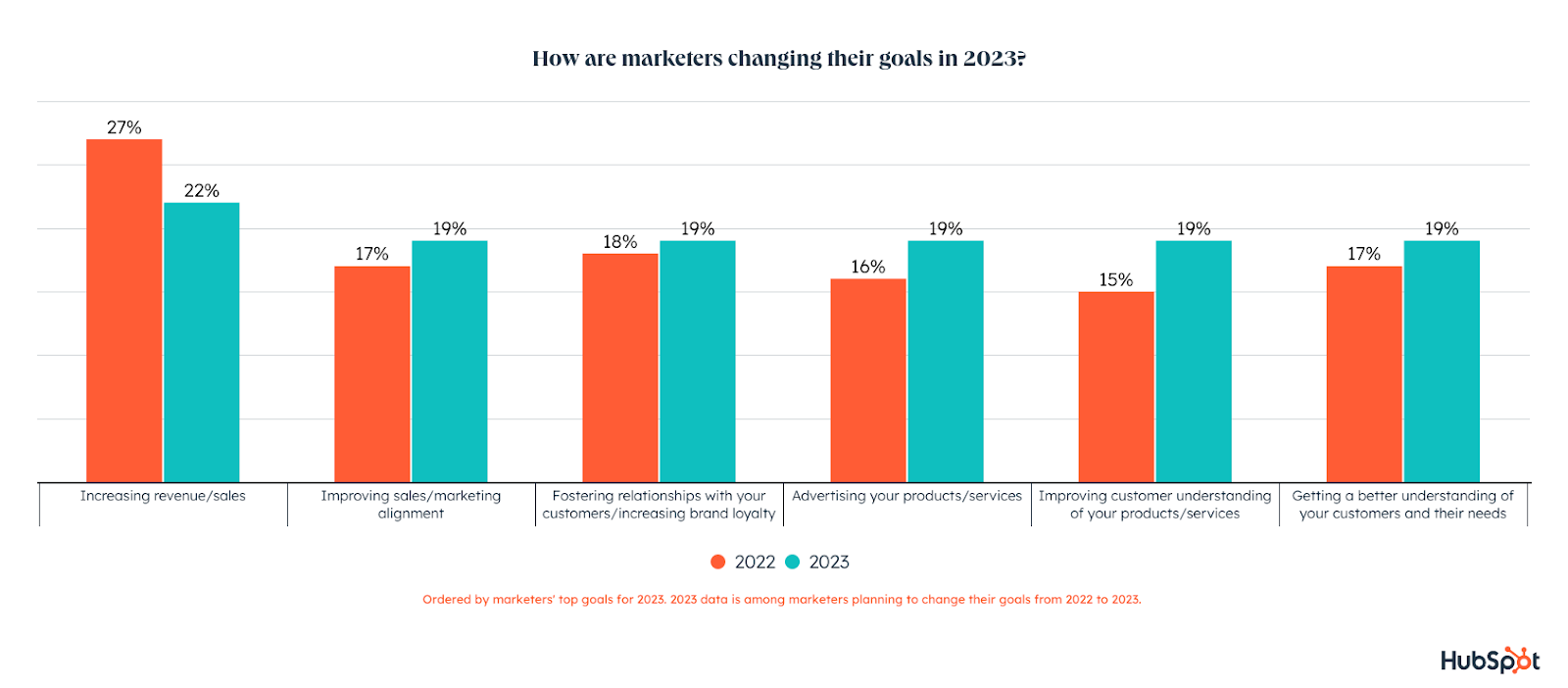
How are Marketers Performing in 2022?
With the year nearly over, we asked marketers to reflect on their 2022 marketing strategy, and 91% say what they’re doing has been effective.
Just 2% called their strategies ineffective while 7% say their marketing efforts made no major negative or positive impacts.
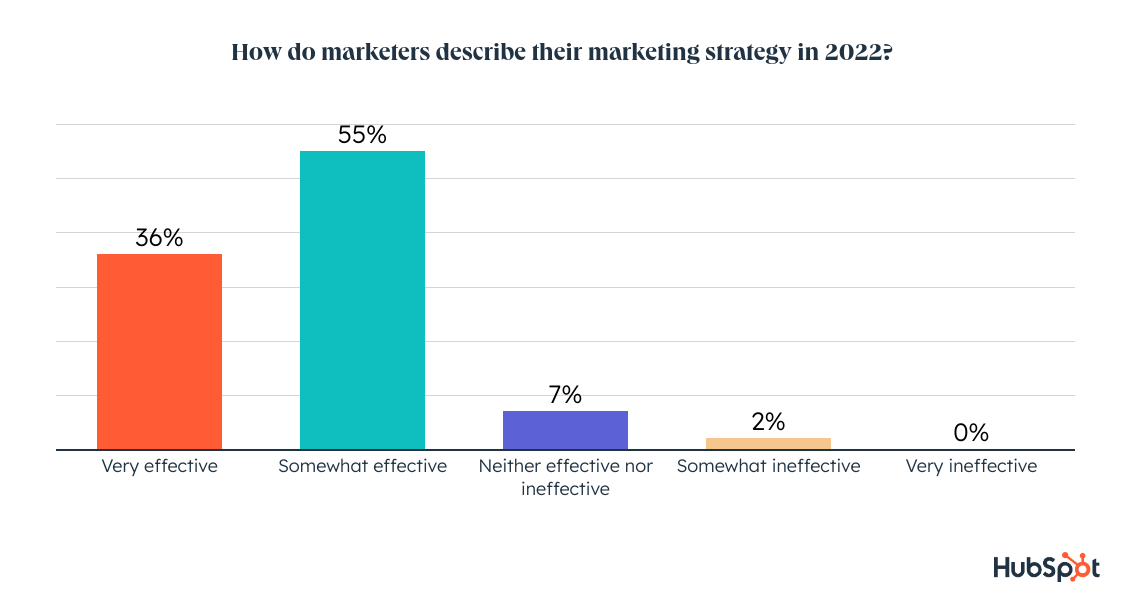
Most marketers see their strategy as effective, so let’s dive into the marketing metrics or KPIs they use to measure their success.
The Most Important Marketing Metrics and KPIs
When it comes to measuring the effectiveness of their content marketing strategy, marketers say sales, web traffic, and social engagement are the most important metrics, followed by conversion rate, follower/subscriber growth, and lead generation.

When planning out the next year’s goals, strategies and KPIs, especially without knowing if we are or aren’t going into a recession, you might ask yourself, “How we’ll I pay for these things? And what are other marketing teams doing.
Next, let’s take a look at how marketing budgets have recently changed and will continue to change in the coming months.
How are Marketing Budgets Changing?
54% of marketers saw their budgets stay the same from 2021 to 2022, while 39% saw an increase and just 8% report a reduction in budget.
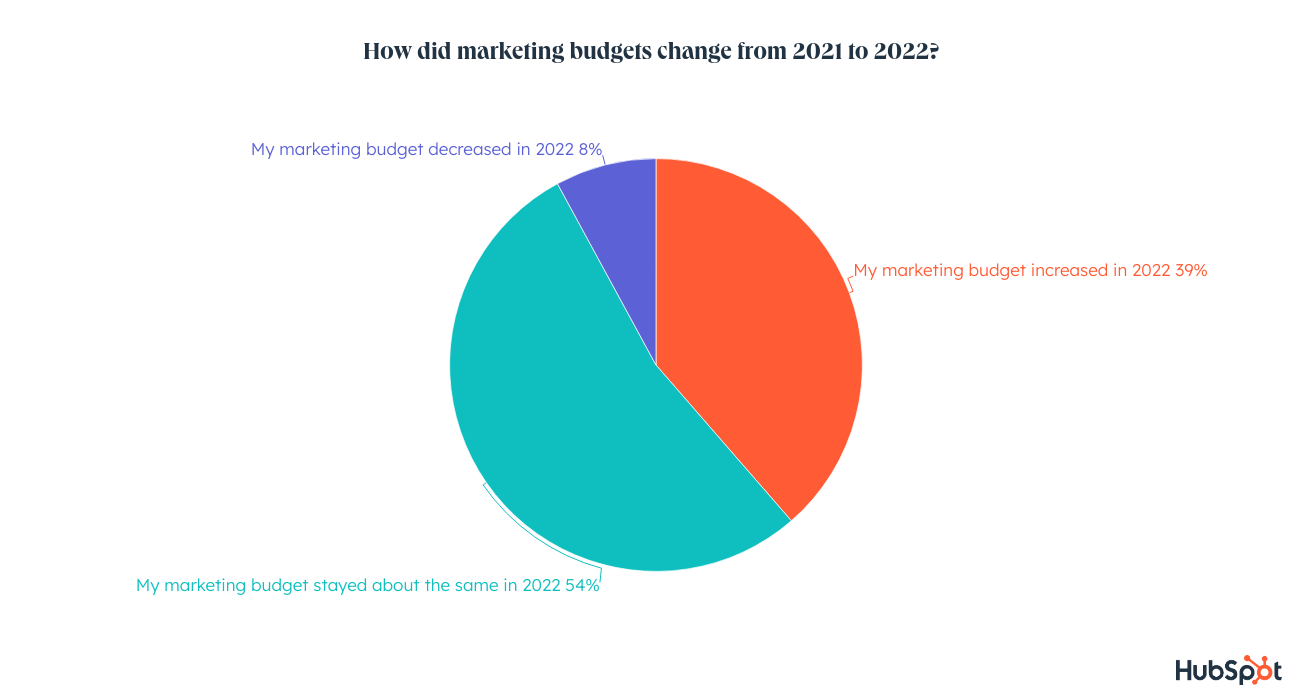
For 2023, 47% of marketers expect their budget to increase, while 45% expect it to stay the same, and 7% think it will decrease.
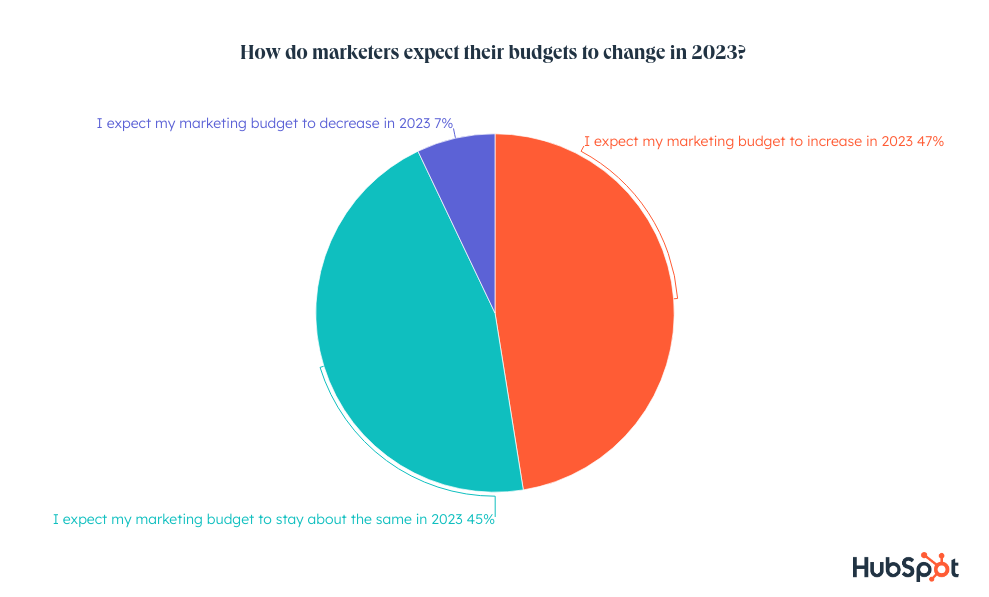
When it comes to how that budget is invested, most (58%) marketers are somewhat confident when deciding how to invest their budget to maximize ROI, while just 28% feel very confident. About 14% do not feel confident in how they invest their marketing budget.
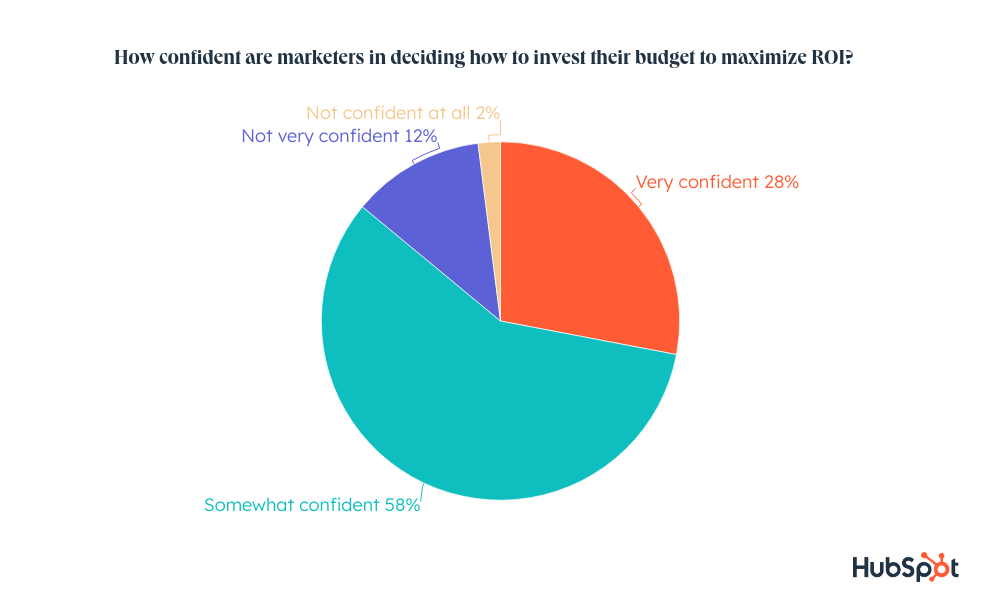
To round out the Marketing Trends 2023 report, we’ll dive into some work trends to understand how and where marketers are working this year.
Marketing Workplace Trends
In our State of Marketing Report published earlier this year, we revealed how marketers were thinking about their goals and what work they planned to do to get there. With this most recent survey, we dove into what that work and their work environment looks like.
Where Marketers Work
Whether by force or by choice, marketers are shifting back to the office in 2022. 80% of marketers are back in the office at least part-time, while just 20% are fully remote.
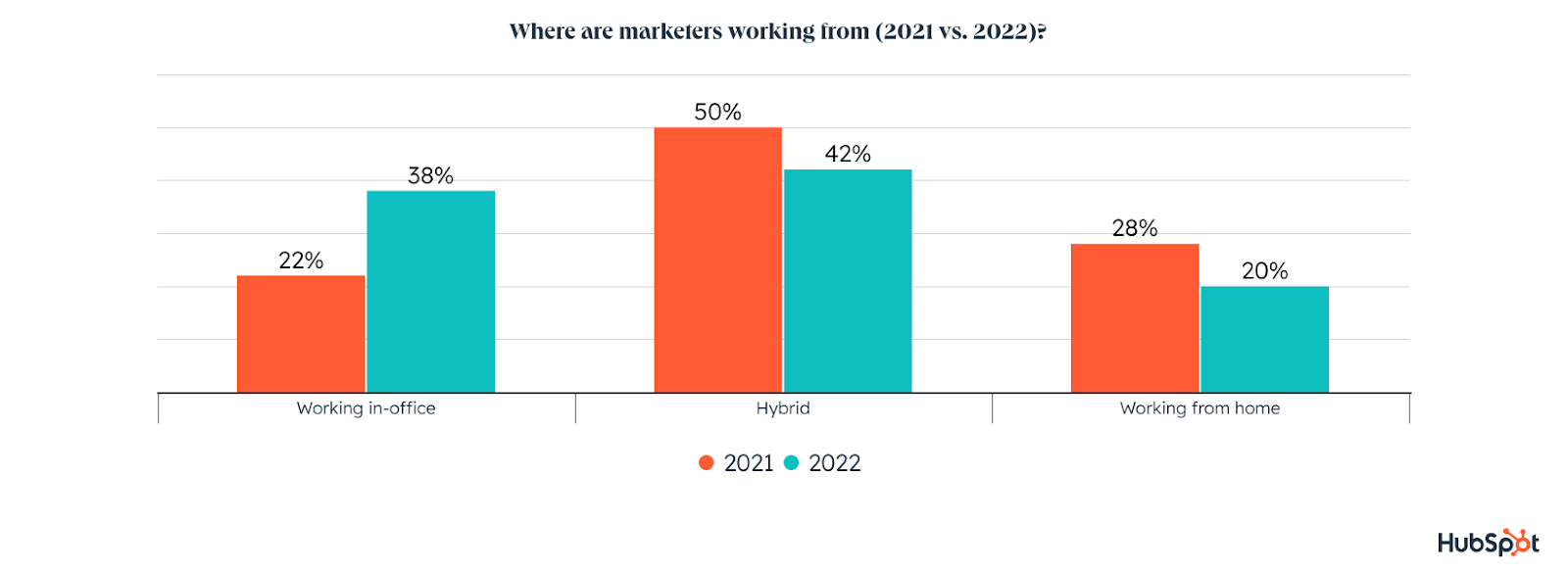
- 38% of marketers work in-office in 2022, a 73% YoY increase
- 42% of marketers work in a hybrid model in 2022, a 16% YoY decrease
- 20% of marketers work from home or remotely in 2022, a 29% YoY decrease
How Marketers Feel About There Workloads
When it comes to their workload, 70% of marketers describe their workload as high, while 26% say it is neither high nor low, and only 5% describe it as low. On top of that high workload, 46% of marketers say their workload increased from 2021 to 2022.

The average marketer works on five campaigns at a time and a total of seven campaigns per quarter. Additionally, 42% of marketers say the number of campaigns they work on each quarter increased from 2021 to 2022. Marketers think their workload will increase again in 2023, when they expect to be working on nine campaigns per quarter.
The Biggest Timesuck for Marketers
Needless to say, marketers are strapped for time and they only expect their workload to keep getting heavier. To make matters more difficult, marketers spend an average of six hours per day on manual, administrative, or operational tasks, leaving them less time to do more impactful work.
Luckily, automation is here to help – our data shows that marketers who report an effective marketing strategy this year are more likely to use automation in their role than ineffective marketers.
Biggest Marketing Takeaways for 2023
While you might think so much change has happened that the industry could eventually slow down – think again. In the most recent months, 20% of marketers have already had to pivot their plans due to the potential recession.
Ultimately, our data shows that marketers who invest in understanding their target audience, the latest trends, and how their audience is changing will be most prepared to pivot their strategy and beat out their competition in 2023.
To wrap up, here are some highlights from each section that you should take away with you when planning a new year of marketing strategies:
- Short-form video, influencer marketing, and social shopping/using DMs for customer service were the top trends marketers used in 2022 and could continue to gain steam in 2023.
- Facebook takes the throne as the highest-ROI social media platform, but YouTube, Instagram, and TikTok will see more growth than Facebook in 2023.
- Marketing budgets aren’t shrinking. Despite the pandemic, recession, data-privacy changes, and whatever else 2023 will throw at us, it seems marketers are actually being given funding needed to step up in unexpected or difficult times.
- Marketing roles are shifting back to in-person. A whopping 80% of marketers are at least partially back in the office in 2022, while only 20% are fully remote.
- Marketers have a high workload with no relief in sight. They reported workload increases from 2021 to 2022, and expect to see more pile up in 2023. Leveling up your automation tools can help you and your team spend more time on high-impact tasks.
Like what you’ve read and want more? Keep following the blog for even more coverage of this report, and check out our 2022 State of Marketing Report below to compare the 2022 data with the 2023 predictions above.

How to Increase Email Sign-ups With Better Forms (+Examples)
In the last 12 months, 77% of marketers have seen an increase in email engagement. Cold prospects get to know and trust you, while you stay top of mind (or top of inbox). However, your team needs to drive signups to reap the benefits.
![→ Download Now: The Beginner's Guide to Email Marketing [Free Ebook]](https://no-cache.hubspot.com/cta/default/53/53e8428a-29a5-4225-a6ea-bca8ef991c19.png)
That all starts with your sign-up form. Better email sign-up forms can help grow your lists, increasing your brand’s engagement. See these email newsletter sign-up form examples for inspiration.
Table of Contents
What Is an Email Sign-up Form?
Ways to Increase Subscribers for Your Email List
Email Sign-up Form Best Practices
Great Email Newsletter Sign-up Form Examples
The best thing about email opt-ins is that you can build a pipeline of leads to nurture. Over time, your email list can turn into a valuable source of revenue. Here are our tips for how to get more mailing list sign-ups.
1. Monitor your metrics.
Your conversion rate refers to the percentage of website visitors who convert on your opt-in. To calculate your conversion rate, divide the number of conversions from that form or offer by the amount of traffic to the page or post it’s on.
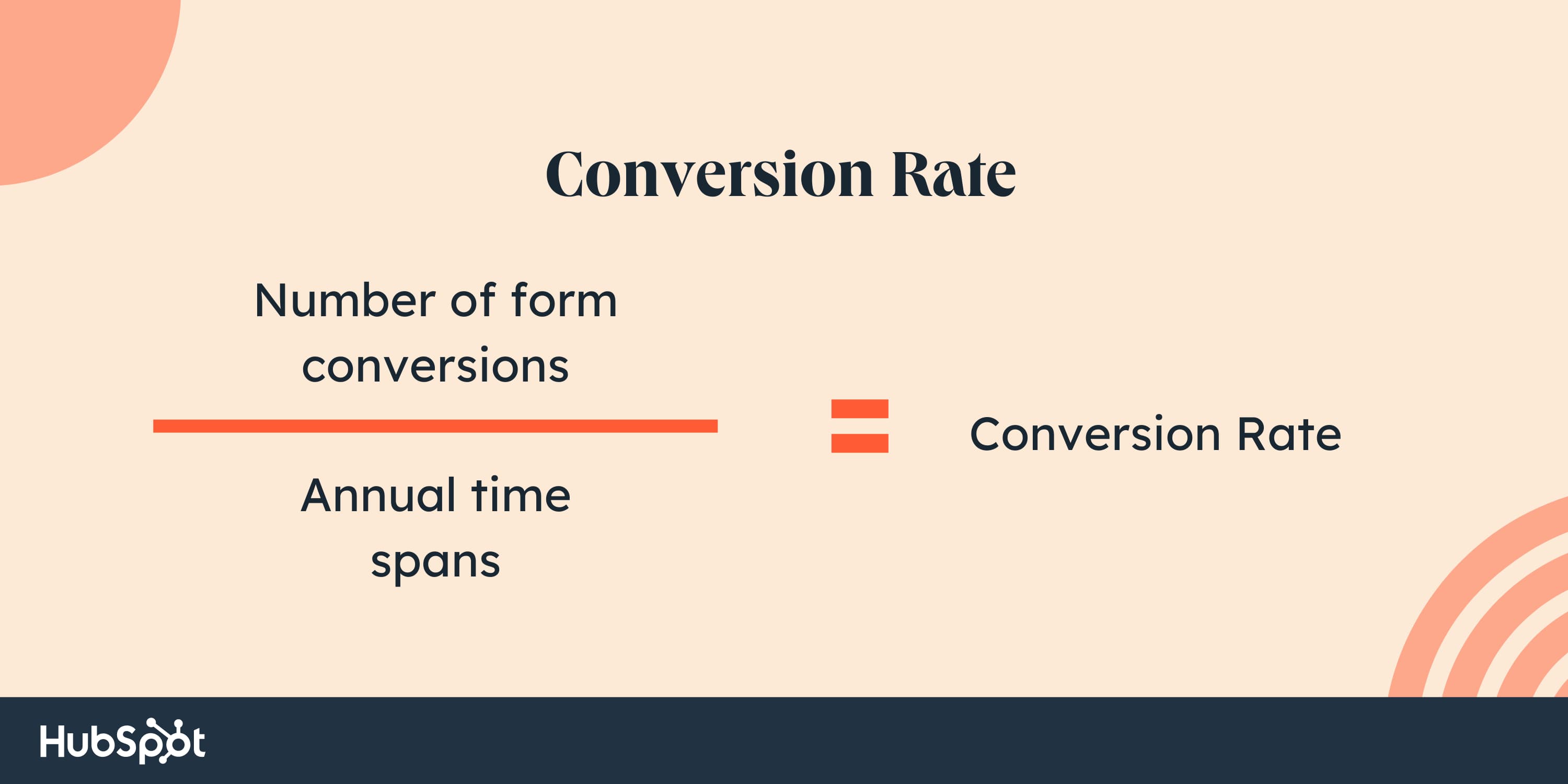
Let’s say you have two forms for the same newsletter. One form has a 3% conversion rate. The second converts .8% of page visitors. The form with the higher conversion rate generates more leads and produces more value for the sales team.
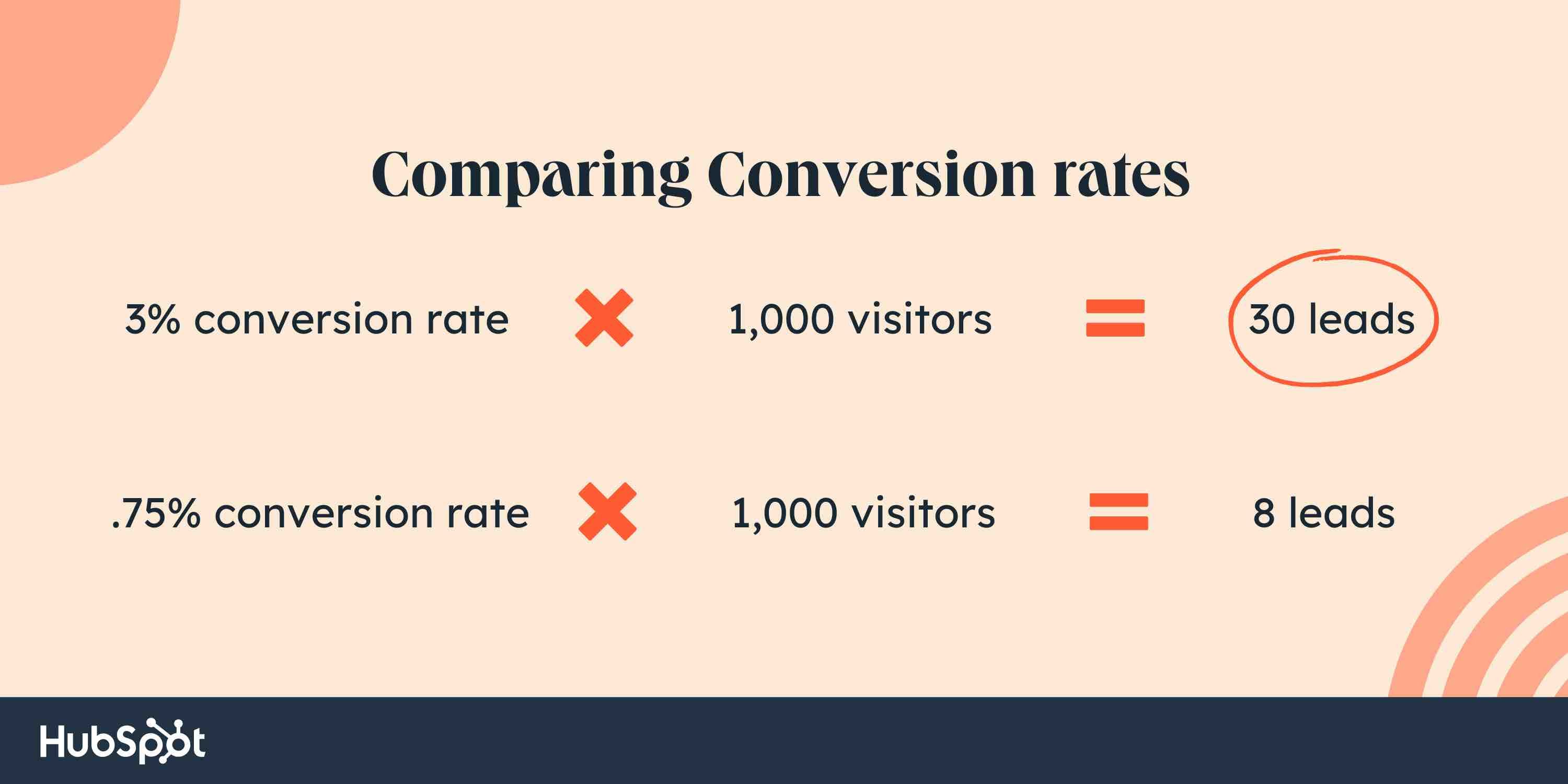
With 1000 website visitors, the first form would generate 22 more leads than the second. That’s why conversion rate optimization is so important.
2. Incorporate calls-to-action.
Conversions to your email sign-up form only happen if the form is seen. For this reason, you should be putting the opportunity in front of your website visitors.
Identify your highly visited pages and put your form or calls-to-action (CTA) on them to maximize visibility.
3. Investigate pipeline gaps.
If you don’t have a large amount of traffic, finding ways to increase it may be a more worthwhile activity. Conversions only happen when there’s an opportunity to convert. With no traffic, there’s no opportunity.
You won’t have the means to increase your conversion rate if the starting number is zero. If traffic is low, your conversion rates may not be statistically significant.
4. Use contrasting colors.
The last thing you want is for a potential subscriber to miss the opportunity to convert simply because they didn’t notice it was there. Use contrasting colors to make these conversion elements stand out.
For instance, in the example below, Kiss Metrics has identified correlations between specific colors and shopper psychology. Specific hues and contrasts elicit specific responses. Using color theory can encourage prospects to act.
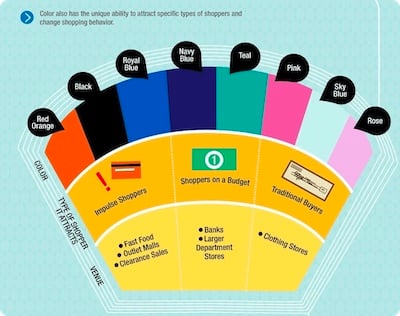
5. Consider placement.
Prominent page placement is a game-changer when it comes to increasing conversion rates on email sign-up forms. A form or call-to-action can go in many places, including:
- The top of the page.
- Within the text of the page.
- In the sidebar.
- At the bottom of the page.
- As a pop-up generated from a user action.
You’ll want to test which placements work for your conversion rates. For example, if people aren’t making it to the bottom of a post, they may not see your call-to-action. Through testing, you’ll be able to determine the placements that work best for your audience.
6. Offer value and choice.
Today’s internet user knows handing over their email address may result in email solicitation or, in some cases, spam. That may not be your intention, but that doesn’t erase their caution. To overcome this caution, you must incentivize them to give it up.
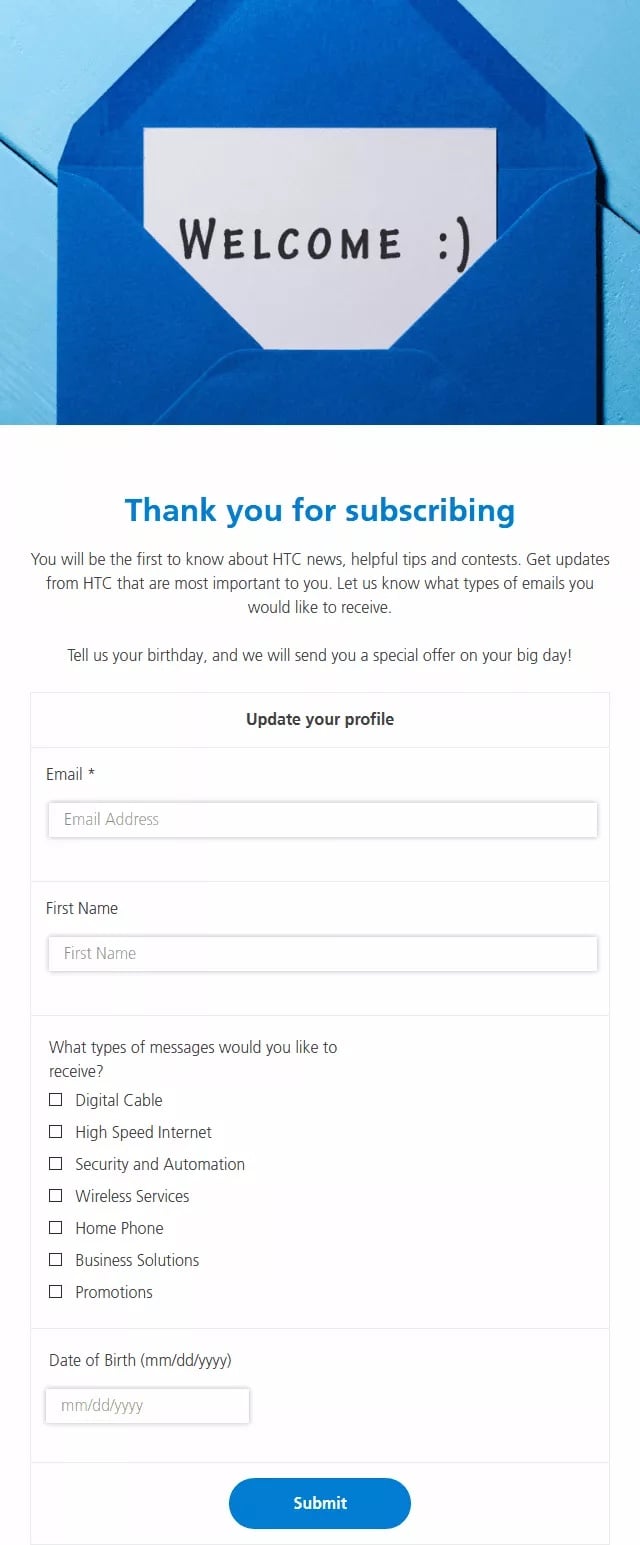
Promising high-value content that they want, providing social proof that your newsletter is valuable, holding giveaways or contests, and being transparent about what they can expect are all ways to provide the incentive.
Another option is to offer the user the choice of what type/category of content they’d like to receive. Nothing like autonomy to keep ’em coming back!
7. Reduce friction.
“Dollars flow where friction is low.”
— Brian Halligan, INBOUND 2019
The more friction that a visitor encounters, the less likely they’ll sign up.
One way that you can reduce friction is by removing form fields to make the process of signing up faster. The number of required form fields should be proportional to the amount of value you’re providing. Too many fields will cause the user to bounce. Instead, ask for less up front and have your team gather additional information after the individual has become a lead.
8. Try out different phrasing.
Don’t be afraid to scrap phrasing that is underperforming. Maybe the word “newsletter” fails to appeal to your specific audience. Switch it out with something different and monitor your metrics to see what happens.
9. Consider user intent.
Your website visitors landed on your page for a reason. If your offer doesn’t help them meet that need, they won’t be incentivized to convert.
For example, let’s say you have a blog post that compares your product or service to a competitor’s. The visitor arrived here because they want to see how well you match up with others in the industry.
If your on-page offer is an ebook with “Reasons Why You Should Buy [Product/Service],” you may fall flat. If the user is already comparing providers, they already know the value of the product or service. They’re just figuring out which provider to go with.
In this scenario, an offer suited to this intent, like a product demo, will work much better.
Consider the intent on your pages and craft offers that match up with that intent.
10. Minimize the number of forms and CTAs.
As the old saying goes, “A confused mind says no.” If you present website visitors with too many choices, you run the risk of driving them away completely.
Consider presenting one offer or conversion element per page. If that’s not possible, find other ways to reduce the confusion and make it clear exactly what you want the website visitor to do.
11. Use a form builder.
Some form builders (like HubSpot’s) can remove form fields if the CRM already knows the information. This clears the friction of the user typing that information again. Creating an easy user experience will increase your conversion.
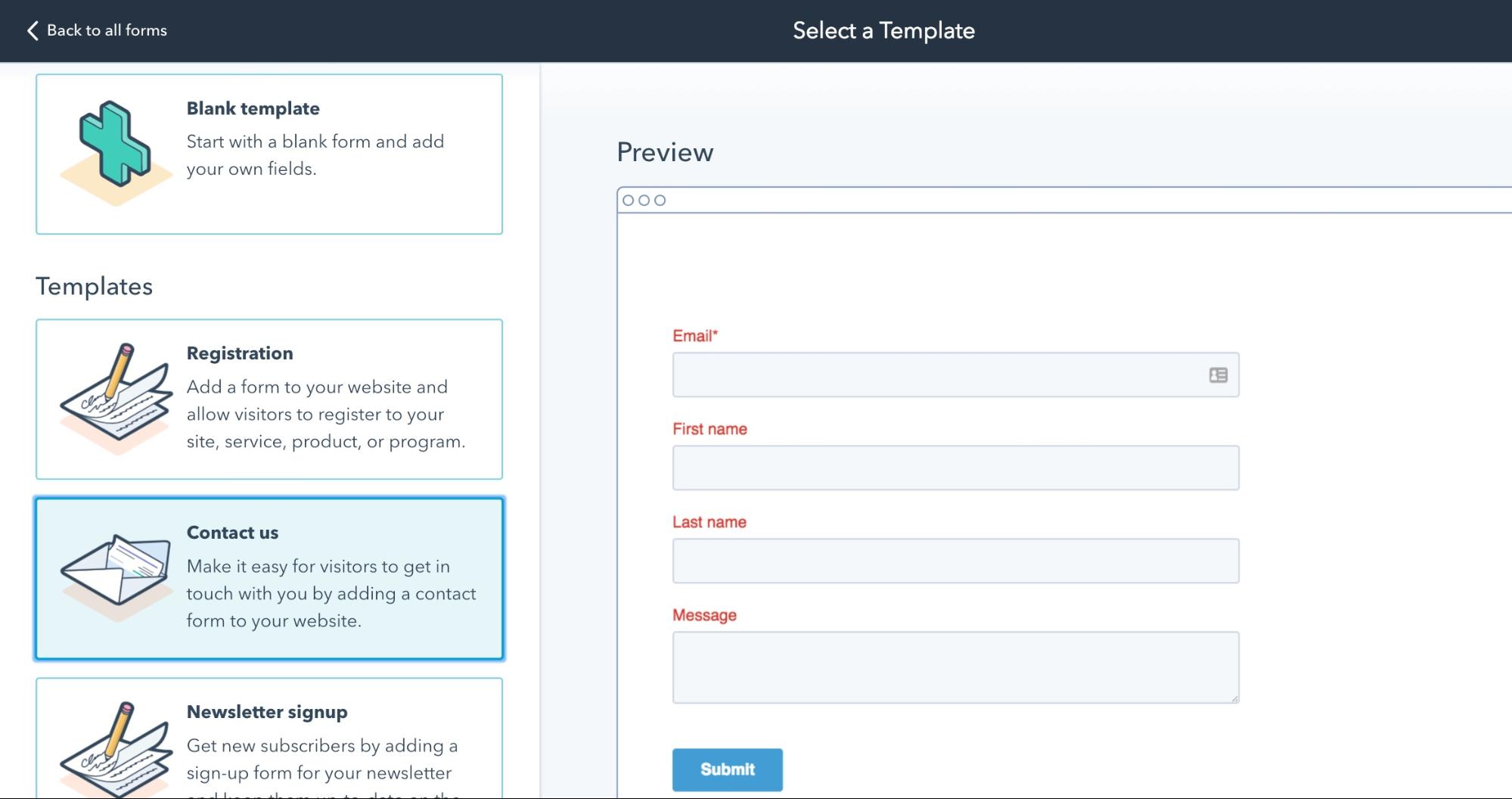
12. Use pop-ups.
Pop-ups may seem intrusive. However, when used correctly, they convert! By using a pop-up tool, offering something of value, and using specific triggers (such as exit intent), you can create a pop-up experience that isn’t annoying and generates leads.
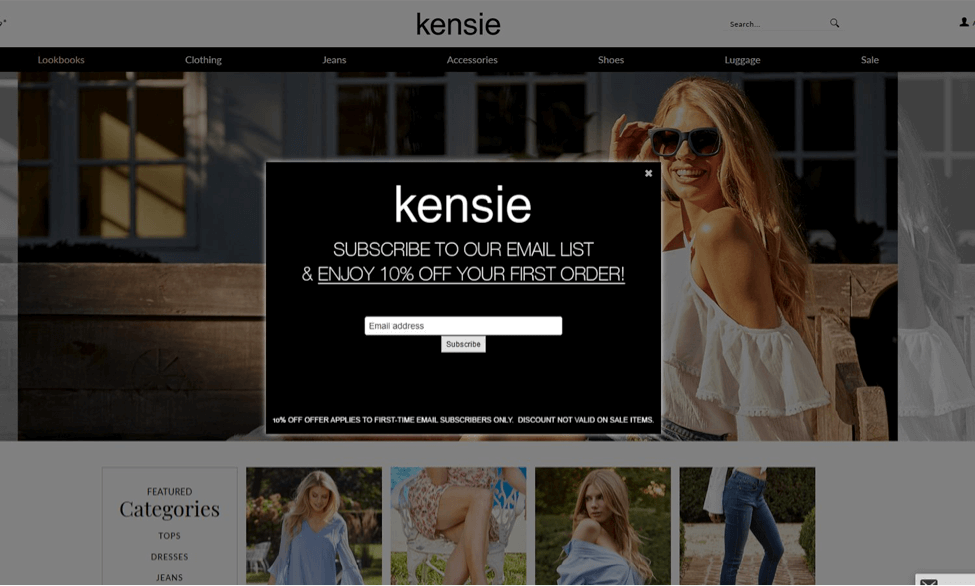
13. Test everything.
Testing has been mentioned already in a few of the tips above, but it stands to get its own section. Improvement doesn’t happen in a vacuum. By testing hypotheses and continuing to iterate improvements, you’ll learn about your audience and increase email sign-ups as a result.
A lead might provide their email address for any number of reasons — to receive details about sales, blog post notifications, a discount code, or information about your business. In any case, that makes your email sign-up form one of the most important things on your site.
Let’s go over some ways to create a sign-up form that will get more leads on your email list.
Whether you’re looking to reach ten people or ten million, you’ll need to create a sign-up form that gets people excited to sign up. Here are some best practices that will help you create a high-converting email sign-up form.
1. Clear Value Exchange
An email address is a valuable commodity. Your offering should be worth their while. Add a short description to the top of your email sign-up form that describes what your lead will get in return for signing up and make it good.
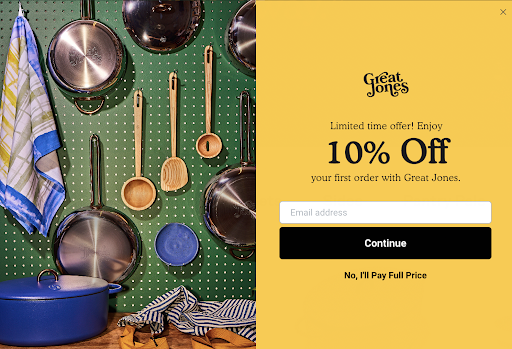
For example, instead of saying ”Sign up for our weekly newsletter” you should say, “Sign up for our newsletter to receive exclusive deals.” A strong incentive means your website visitors are more likely to convert.
Pro tip: Your leads should be able to answer the question, “What’s in it for me?” when they complete your form.
2. Double Opt-In
You don’t necessarily need more sign-ups. You need quality sign-ups. These quality sign-ups mean fewer fake leads wasting your time. Plus, there are fewer chances that you’ll end up in SPAM.
To ensure quality sign-ups on your form, consider using a double opt-in. This is the type of email subscription that confirms your lead wants to be added to your email list twice. The first time is when the lead enters and submits their information using your web form, and the second requires the lead to click an additional CTA (usually in their inbox) that confirms their submission.
A double confirmation means a high-quality relationship with your leads.
3. Simplicity
Successful email sign-up forms are straightforward and clear. A lead should be able to look at the form, enter their information, hit “submit”, and carry on with their lives within a matter of seconds. If your form is too complex, you risk losing the interest of your website visitors.
Remember: Your email sign-up form is just a way for visitors to sign up for emails. Your team can build from there.
4. Place and Time
The placement of your email sign-up form on your website matters. Think about how you want your website visitors to find your form. Do you want your form to pop up on the page the second someone lands on your website? Do you want them to scroll down to the bottom of your homepage to find your form? Or do they need to land on a specific page on your site?
Form placement isn’t one-size-fits-all. Think about where most visitors land on your site, how your buyer personas want to interact with your brand, and the overall user experience.
Consider questions like, “Will my target audience get frustrated with a pop-up the second they enter our site, or will they find it helpful?”
5. Kickback Emails
Once someone completes your form, thank and welcome them.
A kickback email gives your new lead something in return for their information. In the case of an email sign-up, you’ll want to welcome your new lead and perhaps offer them links to useful content. Get them excited about their decision to give you their personal information.
This is also where you can provide your new leads with their discount codes, details on future sales, access to exclusive communities, why you value their interest in your business, and how you will support them in the future.
Now that we’ve reviewed email sign-up form best practices, let’s dive into some examples. Here’s a collection of our favorite email newsletter forms and CTAs.
1. The Hustle
The Hustle website has an email sign-up form with a clear benefit statement. Any website visitor could look at this subscription landing page and understand what they will get from signing up in a matter of seconds.
They also utilize the “Thank You” page to convey a direct statement of how the company values the subscriber’s time and will intentionally curate scheduled-themed content.
2. Blavity
When you head to Blavity’s website, the first thing you see is their email pop-up. That’s because their entire business revolves around a subscription. Blavity is an online publication that gathers top news stories from around the globe. The placement of their sign-up form fits with its offering.
Blavity also has a landing page specifically devoted to email sign-up.

3. Anthropologie
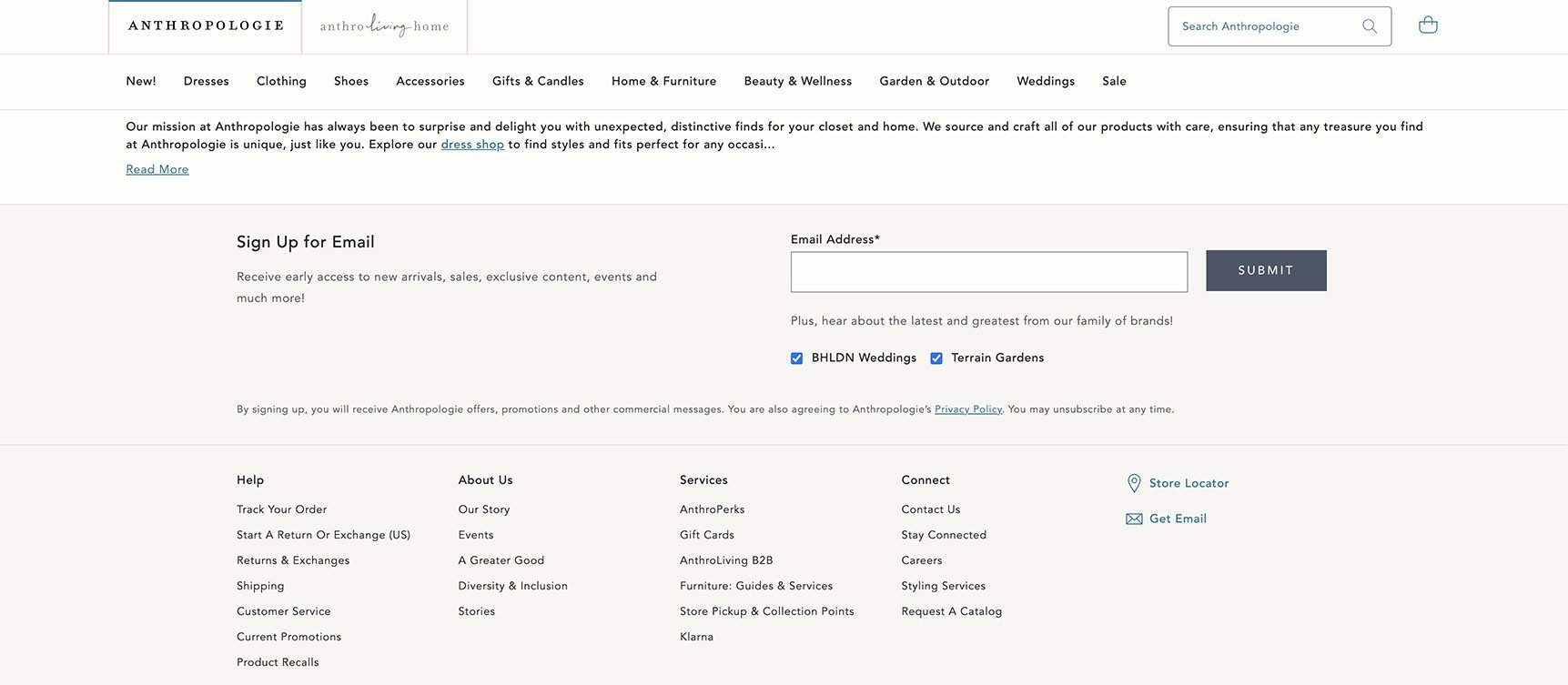
Anthropologie places their email sign-up form towards the bottom of their homepage after users have had a chance to look around and become familiar with the site. Their sign-up form has a short description of what leads can expect once they sign up. Anthropologie also respects their visitors’ time by simply asking for an email address.
4. Lulus
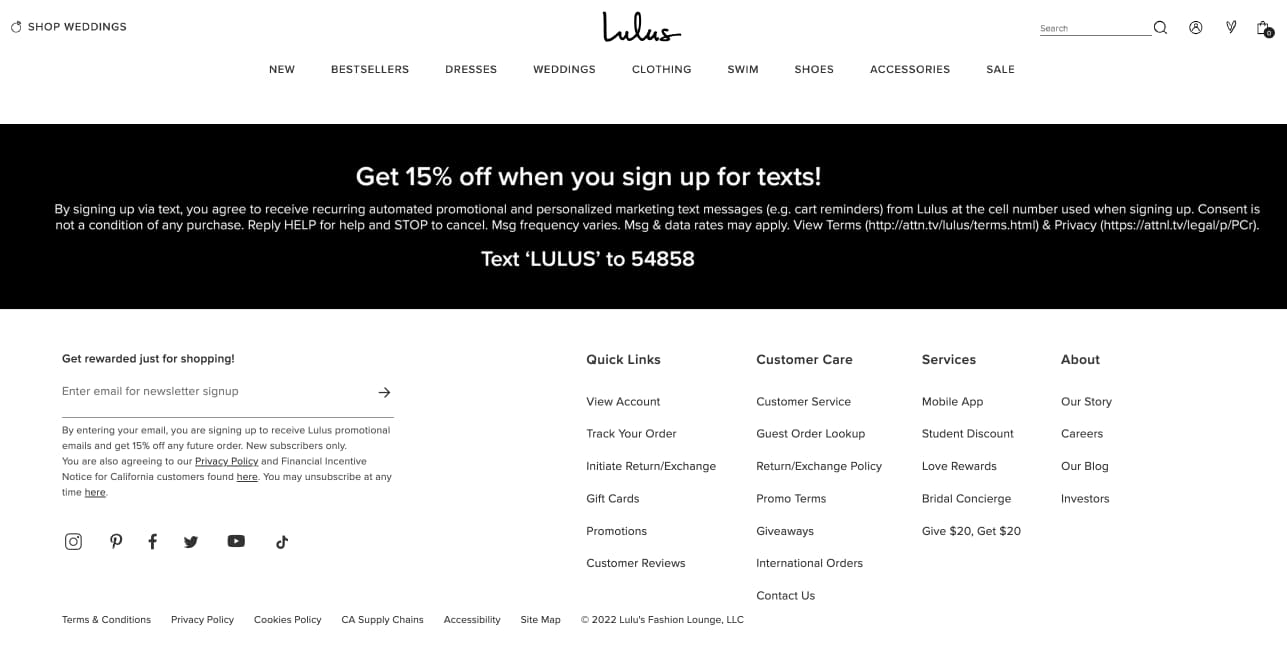
Lulus form is located towards the bottom of their homepage. Their email sign-up form gets website visitors excited about converting with an offer: a 10% discount code upon signing up.
The form is simple and only requires an email address. After form submission, new leads receive a kickback email that welcomes them and provides them with the code, as promised.
5. Quest Nutrition
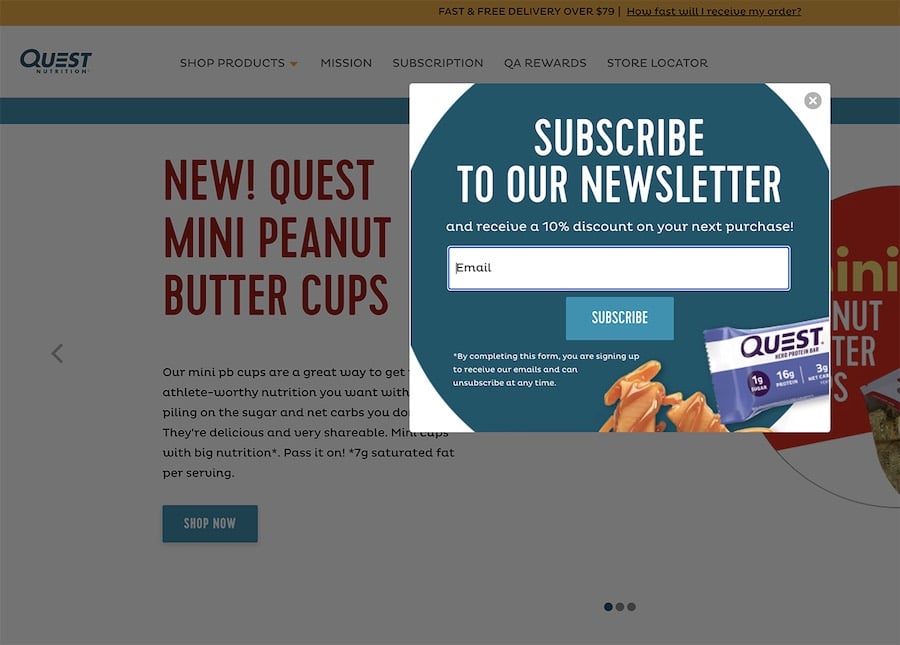
Quest Nutrition’s form is in a pop-up window that dims the background, eliminating any distractions. The form offers incentives like recipes, discounts, and surprises for visitors to sign up. Only an email address is required. Website visitors also have the option to bypass the pop-up and look around the site instead.
Email sign-up forms are a simple, efficient, and effective way to obtain leads, create more conversions, and increase your overall sales. You’ll reach your audience with email sign-up forms that are straightforward and embedded in a convenient location on your website.
So, take a few minutes to create your own email sign-up form and get started broadening your customer base, developing relationships with your potential customers, and increasing your number of leads today. From there, you can close the gap between lead and customer through email marketing.
Editor’s note: This post was originally published in October 2018 and has been updated for comprehensiveness.

The Ultimate Guide to Service Level Agreements (With Help Desk SLA Examples)
At many companies, it can feel as if there are 100 miles between sales and marketing. In a recent LinkedIn survey, 60% of global respondents believed that misalignment between sales and marketing could damage financial performance, yet there are a number of disconnects between the teams from strategy to process.
One of the most critical steps for aligning your sales and marketing efforts is creating a service level agreement (SLA). Traditionally, an SLA serves to define exactly what a customer will receive from a service provider. But SLAs serve internal operations as well, and sales and marketing agreements are among the most crucial.
.
Ultimately, a service level agreement is designed to create alignment between two parties by setting clear expectations and mitigating any issues before they happen. With that in mind, there are multiple types of SLA depending on your use case.
1. Customer Service Level Agreement
A customer SLA is just what it sounds like: an agreement by a vendor to deliver a certain level of service to a particular customer. Here’s a fun example:
In the TV show The Office, the company, Dunder Mifflin, supplies paper to various organizations. They might have a customer SLA stipulating that Dunder Mifflin will supply [Company X] with 50 reams of paper per month, shipped every Monday to [Address 1] and [Address 2] by Darryl Philbin — with a confirmation of delivery sent to Jim Halpert. (Sorry, we had a little too much fun with the references in that one.)
2. Internal Service Level Agreement
An internal SLA only concerns parties from within the company. While a business might have an SLA open with each of its clients, it can also have a separate SLA between its sales and marketing departments.
Let’s say Company X’s sales department has to close $5,000 worth of sales per month in total, and each sale is worth $100. If the sales team’s average win rate for the leads they engage with is 50%, Company X’s marketing director, Amir, can work with the sales team on an SLA, stipulating that Marketing will deliver 100 qualified leads to sales director, Kendra, by a certain date every month. This might include four weekly status reports per month, sent back to Amir by Kendra, to ensure the leads Kendra’s team is receiving are helping them keep pace with their monthly sales goal.
3. Multilevel Service Level Agreement
Multilevel SLAs can support a business’s customers or the business’s various internal departments. The point of this type of SLA is to outline what is expected of each party if there’s more than just one service provider and one end user. Here’s an example of a multi-level SLA in an internal situation:
Company X’s sales and marketing teams partner up on an internal SLA that delivers leads from Marketing to Sales every month. But what if they wanted to incorporate a customer retention strategy into this contract, making it an SLA between Sales, Marketing, and Customer Service?
After sales closes 50 new deals for the month, it’s Customer Service’s job to keep these customers happy and successful while using the product. In a multi level SLA, Company X can have sales director, Kendra, send monthly “customer friction” reports to Joan, the VP of service, based on dialogue the sales team has regularly with its clients. This helps the customer service team build a knowledge base that better prepares them for the pain points customers call them about.
You can learn more about customer service’s increasing role to business growth in the HubSpot Academy.

What does an SLA include?
The details of an SLA will differ among internal and external agreements. Nonetheless, there are common building blocks that each SLA should include, whether the recipient of the service is your customer or your sales team.
Featured Resource: Free Marketing & Sales SLA Template
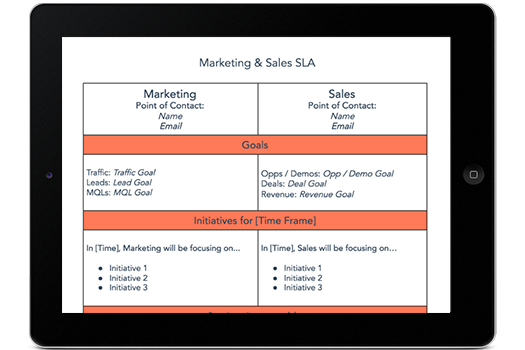 Download this Template
HubSpot’s Sales & Marketing SLA Template is the ideal resource for outlining your company’s goals and reaching an agreement between these two crucial teams. Download it now for free.
1. A Summary of the Agreement
The first item on your SLA should be an overview of the agreement. What service have you agreed to deliver to the other party? Summarize the service, to whom it’s being delivered, and how the success of that service will be measured.
2. The Goals of Both Parties
In external SLAs — those between a business and its customers — the goals stated in the agreement are primarily those of the customer. If this is your intention, work with your client to marry their needs with the abilities of your product, and come up with a measurable goal that your company can feasibly meet for the client on a regular basis.
Is this an internal SLA between your sales and marketing departments? Both teams should have their goals outlined in this section of the contract, while making sure that when Marketing hits its goal, Sales can reach its own goal as a result.
3. The Requirements of Both Parties
SLAs should include what each party needs in order to reach their goals. In agreements that serve a customer, keep in mind their needs might go beyond simply “the product.” They might need more than that to reach their goals — such as weekly consulting, reporting, and technical maintenance from you.
SLAs between sales and marketing teams should describe what they might need from the opposite department in order to help them hit their targets. Marketing, for example, might need weekly status reports on Sales’ pipeline so the marketers can adjust their lead-generating campaigns accordingly.
4. The Points of Contact
Who’s in charge of making sure each party’s goals are met? Sort out which team does what, and who talks to whom, in this section of your SLA. Is there a separate employee using the services, in relation to the employee who reports on performance every week? Make it clear who’s involved in the SLA, and how.
5. A Plan if Goals Aren’t Met
You might not want to think about it, but there should be formal consequences when a goal isn’t met as part of an SLA. Don’t freak out, though — these consequences aren’t always business-ending situations. Include a form of compensation to the service’s end user for when the service doesn’t meet their agreed-upon goals. In external SLAs, according to PandaDoc, this compensation can come in the form of “service credits.” Grab PandaDoc’s free SLA template here to find out more.
For Sales and Marketing SLAs, work with your sales team to establish a plan for how any lost revenue is to be made up as a result of an unreached sales quota. You might settle on a strike system that holds certain employees — in both Sales and Marketing — accountable for diagnosing and resolving issues of low performance.
6. The Conditions of Cancellation
Under what circumstances will your SLA be terminated? Whether your contract serves a customer or two internal departments, you’ll typically find yourself putting the SLA on the chopping block when it’s just not working. Maybe your goals have gone unmet for the last three months, or the current agreement simply doesn’t have buy-in from everyone involved.
Come up with formal conditions under which you’d cancel the current SLA in pursuit of, hopefully, a better SLA.
Examples of SLAs
While an SLA will be unique to your needs, here are some examples and templates that can give you an idea of what an SLA may look like.
1. HubSpot’s Marketing & Sales SLA Template
-1.jpeg?width=400&height=520&name=The%20Ultimate%20Guide%20to%20Service%20Level%20Agreements%20(SLAs)-1.jpeg)
As previously mentioned, HubSpot has a template for marketing and sales service level agreements. Instead of being overly complicated, the template provides straightforward, no-nonsense sections so that any party can skim at a glance.
What we like best: It’s laid out in a two-column style to easily denote which team is responsible for which activities and metrics. Having them side-by-side like this further underscores the goals of partnership and alignment.
How to Implement This in Your SLA
Simplicity is the key to recreating this SLA template. Whether you use HubSpot’s offering or create your own, effectively implementing this type of SLA means resisting the temptation to list out every possible outcome and instead focus on the big picture of goals, initiatives, and accountability.
2. Hivehouse Digital’s Marketing & Sales SLA Template
-4.jpeg?width=400&height=451&name=The%20Ultimate%20Guide%20to%20Service%20Level%20Agreements%20(SLAs)-4.jpeg)
This sales and marketing SLA template focuses heavily on metrics, making it a great choice for high-performance teams. The design relies on tables for easy information input and even comes with prompts/examples to help you define the agreement.
What we like best: The document is organized step-by-step, making it a great choice for teams without a formalized SLA process (yet).
How to Implement This in Your SLA
Implementing the Hivehouse model for your SLA means leaning into its step-by-step strengths. By breaking down SLAs into smaller and more manageable steps, there’s less chance of you and your team getting overwhelmed.
3. Lucidchart’s Marketing and Sales SLA Template With Examples
-2.jpeg?width=400&name=The%20Ultimate%20Guide%20to%20Service%20Level%20Agreements%20(SLAs)-2.jpeg)
Instead of going through the process of creating an SLA, this template organizes sections by the marketing and sales process itself, from goals to lead qualification, handoff, and nurturing.
What we like best: The template takes a visual approach with columns for marketing, sales, and shared goals. This makes ownership of deliverables crystal clear throughout the process.
How to Implement This in Your SLA
Seeing is believing in this type of SLA template. While the nitty-gritty details are there, this approach uses color and shape to highlight important categories and actions. If you’re planning to take this approach to your SLA, use color psychology and graphic design principles to create a visually appealing SLA.
4. AT&T’s Small Business Service Agreement Example
Here’s a real-world example in the wild. Not all SLAs are between marketing and sales teams or even other internal departments. Here’s an SLA that lays out a service agreement between AT&T and its customers, setting expectations for the engagement. They make this SLA publicly accessible for all their users.
What we like best: The agreement is plain and simple, leveraging bullet points to make each detail clear and understandable.
How to Implement This in Your SLA
AT&T’s real-world example highlights the importance of calling out what matters — in this case, by using bullet points. Applying the same approach to your SLA means distilling larger and more complicated outcomes into easily-understood snippets that don’t leave room for confusion.
-3.jpeg?width=650&name=The%20Ultimate%20Guide%20to%20Service%20Level%20Agreements%20(SLAs)-3.jpeg)
5. Microsoft Azure SLA Example for Cloud Services
As a service provider, Microsoft Azure also makes its SLA for customers public. The SLA uses bullet points to clearly identify its offerings and customer promises, which are unique depending on the plan and services rendered.
What we like best: The SLA is organized with headings for quick navigation to the offerings that are most pertinent, and information is kept concise with an optional “View full details” link.
How to Implement This in Your SLA
In-depth SLAs are naturally complicated, making it easy to get bogged down in the details despite best efforts to keep things simple. Microsoft’s example offers a streamlined approach to implementation: Call out the key details and then provide links to the full SLA text.
.jpeg?width=650&name=The%20Ultimate%20Guide%20to%20Service%20Level%20Agreements%20(SLAs).jpeg)
6. PandaDoc’s Multi-Page SLA Template
PandaDoc provides another option for provider/client agreements and is a great choice for more formal arrangements.
What we like best: This template makes for a clear and concise SLA with times, dates, and solid expectations.
How to Implement This in Your SLA
While this type of SLA leans more toward legalese with language like “whereas” and “therefore”, it has the advantage of a solid narrative structure to describe expectations. If you’re planning to implement something similar, consider using a template to speed up the process rather than starting from scratch.
-4.png?width=650&name=The%20Ultimate%20Guide%20to%20Service%20Level%20Agreements%20(SLAs)-4.png)
How to Make an SLA for Marketing and Sales Alignment
While SLAs are common between businesses and new customers, they can also improve internal alignment. When one exists between sales and marketing departments in particular, this agreement details marketing goals (like number of leads or revenue pipeline) and the sales activities that’ll follow and support them (like engaging leads that were qualified by the marketing team).
Both the sales and marketing departments use this document as a commitment to support each other based on concrete, numerical goals. And guess what? 87% of sales and marketing leaders say collaboration between sales and marketing enables critical business growth.
Now, if you don’t have a Sales and Marketing SLA in place, fear not: We’ve outlined how to create one below so that you can easily start aligning your sales and marketing teams.
To draft your SLA, you first need to align your Sales and Marketing teams around a shared set of goals — or, as we put it before, the harmonious “Smarketing.” This alignment can then dictate the creation of a written SLA that reflects these goals. Here’s how to create an SLA with “Smarketing” in mind:
1. Calculate a numerical marketing goal based on the sales team’s quotas.
As a marketing department, not only should you have a concrete goal for each campaign you run, but you also should have a high-level numerical goal that aligns with the sales team’s operations. At the end of the day, that’ll mean qualified leads and actual sales from those leads.
Salespeople are driven almost entirely by their sales quotas — the numerical goals that correlate with their compensation and job security. If Marketing commits to a similar, related numerical goal, it shows that the team is being held accountable in a manner similar to Sales. The trick, however, is to make sure your numerical goal can effectively power the sales team’s numerical goal.
In order to calculate the marketing side of your SLA, you’ll need the following four metrics:
- Total sales goal (in terms of revenue quota)
- % revenue that comes from marketing-generated leads (as opposed to sales-generated ones)
- Average sales deal size
- Average lead-to-customer close %
Then, it’s time to do some calculations:
- Sales quota x % revenue from marketing-generated leads = Marketing-sourced revenue goal
- Marketing-sourced revenue goal ÷ Average sales deal size = # of customers needed
- Customers ÷ Average lead-to-customer close % = # of leads needed
2. Segment your goals by specific intervals during the year.
It might also be a good idea to reevaluate the marketing side of the SLA each month, as a variety of factors can change the numbers used in your calculations over time. To do so, create a document that tracks your SLA calculations by month, which should include the following metrics:
- # of marketing-generated leads
- # of those leads that became customers
- Revenue from those closed customers
- Total revenue closed that month from marketing-generated leads only
- Total revenue closed that month
You will also need:
- The average sales cycle length
With the figures above, you can re-calculate the metrics you started with on a monthly basis, or at whichever interval suits your business — quarter, year, etc. Just make sure the same measure of time is used for both Sales and Marketing to maintain alignment. Have a look:
- # marketing-generated leads that became customers ÷ # marketing-generated leads = lead-to-customer close %
- Revenue from closed customers ÷ # of marketing-generated leads that became customers = sales deal size
- Total revenue closed from marketing-generated leads / total revenue closed = % revenue from marketing-generated leads
You could also take it one step further, and incorporate quantity and quality into these metrics. The above calculations provide you with a quantitative volume goal of marketing-generated leads. However, we know that not all leads are created equal, and as a result, some may be considered higher- or lower-quality than others.
For example, a decision-making executive might be a more valuable contact than an intern. If that’s the case, you can do the above analysis for each subset of leads, and set up separate goals for each type/quality level.
Want to take it even further? Measure in terms of value, instead of volume. For example, a CEO may be worth $100, for instance, while a director is $50, a manager is $40, and so on.
3. Calculate sales’ figures and their goals.
The sales side of the SLA should detail the speed and depth to which a salesperson should follow up with marketing-generated leads. When establishing this end of the SLA, consider these two sales statistics:
- Salespeople who follow up with leads within an hour are nearly seven times more likely to have meaningful conversations with a decision maker on the other end.
- However, only 7% of leads respond to a follow-up contact within five minutes after filling out a form.
Bottom line? Not all leads may be fit to send to sales immediately. They often need to meet some minimum level of quality, like reaching a certain activity level, which can only take place after being nurtured by Marketing.
Nonetheless, engaging a lead the short time after he/she converts is critical to maintaining a relationship with them — the question you have to answer is what that engagement should look like. Either sales or marketing should take action to start building that relationship, make nurturing easier, and set up the sales rep for success when she eventually does reach out.
Keep in mind this advice is futile if you don’t consider the bandwidth of your sales reps. Sure, in a perfect world, they’d make six follow-up attempts for each lead — in reality, though, they may simply not have enough hours in the day to do that. For that reason, you’ll also need to factor in the number of leads each rep is getting (based on the marketing SLA), how much time they spend on marketing-generated leads versus sales-generated leads, and how much time they have to spend on each one. If you’re looking to conserve time, some of the follow-up — email, in particular — could be automated, so look into options there.
4. Set up marketing SLA reporting.
Now that you have your SLA goals, it’s time to track your progress against that goal — daily.
To start, graph the goal line using this formula:
(1÷n x g)
Where n is the number of days in the month and g is your monthly goal.
That should determine what portion of your monthly goal you need to achieve each day. You’ll want to graph that cumulatively throughout the month and mark your cumulative actual results on the same chart. We call that a waterfall graph, and it looks something like this:
-2.png?width=400&name=The%20Ultimate%20Guide%20to%20Service%20Level%20Agreements%20(SLAs)-2.png)
5. Set up sales SLA reporting.
For the sales SLA reporting, you’ll have two graphs — one monitoring the speed of follow-up, and the other monitoring the depth of follow-up.
To graph the speed of follow up, you’ll need the date/time the lead was presented to sales, and the date/time the lead received her first follow-up. The difference between those two times equals the time it took for sales to follow up with that particular lead.
Take the averages of lengths of time it took for sales to follow up with all leads within a particular timeframe — day, week, month — and chart it against the SLA goal.
.png?width=650&name=The%20Ultimate%20Guide%20to%20Service%20Level%20Agreements%20(SLAs).png "speed-resized-600-2.png")
To graph the depth of follow-up — e.g., the number of attempts — look specifically at leads that have not been connected with, since the goal of the follow-up is to get a connection. For leads over a certain timeframe that have not received outreach, look at the average number of follow-up attempts made, and graph that against the SLA goal.
-1.png?width=650&name=The%20Ultimate%20Guide%20to%20Service%20Level%20Agreements%20(SLAs)-1.png "lead-attempts-1.png")
6. Communicate, celebrate, and address the achievement (or lack thereof).
Maintaining strong communication regarding how each team is performing on goals boosts transparency. If either team isn’t reaching their goals, addressing that confirms their importance, while celebrating hitting those goals can aid motivation.
If you’re not sure where to begin when it comes to setting these goals, check out our free Marketing & Sales Lead Goal Calculator, designed to help you determine and track the goals that will eventually become part of your SLA.
To ensure you’re getting the most from SLA creation, implementation and management, it’s worth aligning your efforts with industry best practices. Some of the most common include:
Define Realistic Goals
While promising the moon might seem like a good idea, things can quickly go off track when SLA outcomes aren’t met. As a result, it’s worth starting SLA creation with a brainstorming session that includes relevant stakeholders. Here, the goal is to define what you want to do, what you can do, and what you can reasonably offer.
Ensure Everyone is On Board
Next, make sure all relevant parties feel like their needs are being met with your draft SLA. Better to find out up-front that there are potential problems — and make proactive changes — than face pressure to scrap in-place service level agreements and start over.
Get Specific
Specificity is what makes SLAs work. For example, if you’re an IT service company drafting an SLA about uptime, the number of “nines” — 99.999 percent, 99.9999 percent, etc. — defines exactly how much uptime you’re agreeing to provide. Using specific terminology reduces the risk of conflict around SLA expectations by removing ambiguity.
Pinpoint Key Metrics
While specific SLAs are a solid starting point, you also need ways to effectively measure the success of your agreement. In the uptime example above, minutes of downtime per year are often used to determine if goals are being met. When it comes to marketing or sales, meanwhile, metrics could include leads generated, deals closed, or any other measurement that makes sense under your SLA structure.
Account for the Unexpected
Unexpected events — such as severe weather, staffing challenges, or sudden IT failures — can make SLA goals challenging to reach. As a result, it’s worth creating clauses that account for unexpected events. While there’s no way to predict exactly what will happen, and obligations remain to meet at least minimum standards, building in some breathing room for the unexpected is well worth the effort.
Double-Check the Details
Even small details matter. Consider the example above: While 99.999 percent uptime works out to just over 5 minutes of downtime per year, 99.9999 percent is 31 seconds. Here, a misplaced 9 could put your company on the hook for providing service levels that are almost impossible to reach. As a result, it’s worth getting your SLA double-checked by a fresh pair of eyes before moving forward.
Review and Revise as Needed
Service level agreements aren’t static documents. While they cover a set period and describe a specific set of actions, both provider and partner needs can change during that time. As a result, it’s worth building in the option for review part way through the SLA agreement period and conducting a full review when the contract is up to determine if changes are required.
One Last Step When It Comes to SLAs
When it comes to what should be in your service level agreement, there’s one final piece: Review these metrics on a regular basis to monitor your progress, and make sure both Sales and Marketing have access to the reports for both sides of the SLA.
This step helps to maintain accountability and transparency and allows for both teams to address issues — or congratulate each other on productive results.
Editor’s Note: The post was originally published in January 2019, but was updated in December 2019 for comprehensiveness.

Creating a Channel Strategy: The Complete Guide
Be honest. Do you know what your non-marketing colleagues do all day?
Sure, you might have a general idea of what your co-workers in sales, finance, and HR do, at least categorically. But it seems that many of us — myself included — have those days, weeks, and months when we’re so bogged down in our own daily hustle, that we become a bit oblivious to what everyone else around us is working on. After all, that’s probably why the phrase, “put your blinders on” exists.
But while a colleague’s job might look different from our own, there’s actually quite a bit that we, as marketers, can learn from them. One of those things is channel strategy.

That’s why I recently sat down with my colleague, Adrianne Ober, a Channel Consultant here at HubSpot. After speaking with her about what she does every day — and about the most important knowledge she’s gained in this role — I’ve realized that there are a lot of channel strategy lessons that marketers can apply to their own work.
So, what did we learn? Read on to find out — or listen to our interview with Adrianne by pressing “play” below.
What Is Channel Strategy?
A channel strategy, according to TechTarget, “is a vendor’s plan for moving a product or a service through the chain of commerce to the end customer.”
In many environments, this kind of channel strategy takes the form of a reselling program — here at HubSpot, we work with Marketing Agency Partners who not only grow with HubSpot software but also, teach their clients how they, too, can be more successful with it.
That’s where channel consultants like Ober come in. “My role is a combination of an account manager and an implementation specialist,” Ober explains, but her day-to-day work encompasses much more than that. “Our focus is to work with our new Agency Partners, to onboard them to the program and support their reselling and delivery efforts.”
Reselling programs aren’t exactly uncommon, especially within tech companies, but what makes Ober’s job different is its true partnership nature. “We really do invest a ton more than other companies do in their partner programs,” she says, “to ensure they are getting the most out of it to help grow their businesses.”
What Can Marketers Learn From a Channel Consultant?
Building Your Own Channel Strategy
Not all marketers work for agencies, but many of us are responsible for positioning our respective products and services as solutions for our target audiences. For example, HubSpot’s Marketing Software provides automation solutions for marketers — what solutions does your organization offer?
In a way, channel strategy could be described as a formal approach to word-of-mouth marketing. How can you provide solutions to your customers that they, in turn, can share with and provide to their own networks? Ober challenges and encourages marketers to ask that question, find the best answer, and make it a reality.
There’s a “relationship-building aspect” of every marketer’s job, she explains, even for those who don’t work with customers directly. Chances are, you’re still responsible for crafting the messages and content that’s going to reach customers, and ultimately, that’s one way for brands to build a relationship with a target audience — by establishing themselves as a trustworthy, shareable resource for solving problems and meeting needs.
But where can marketers begin? “Product knowledge is … imperative,” Ober says. Start by becoming an expert in the solutions provided by your organization — not just the products and services you offer, but also, with the industry at-large. “We need to be comfortable with usage and training,” she explains, in order to establish that trust with both current and potential customers.
A Marketer’s Biggest Pain Points
The thing about HubSpot’s Agency Partner Program — one that even I’m guilty of forgetting — is that its channel consultants work with marketers, day in and day out. That means people in Ober’s position hear about the most common struggles faced by marketers every day and are tasked with proactively offering solutions.
So not only can marketers stand to benefit by implementing their own strategies — but speaking with people like Ober, it turns out, can help us to take a step back, examine our biggest pain points, and figure out how to efficiently tackle them.
“The biggest struggles I hear about are pricing, process, scaling, hiring, and time management,” she explains. In other words: growing pains. “In order for agencies to scale their businesses, they need to develop a repeatable process, which means they need to have a handle on time management for their team and make the right hires at the right time.”
Sound familiar? Maybe that’s why growth marketing is such a hot topic right now — no matter the size of the company they work for, it seems that these are pains experienced by a number of marketers. Those working in SMBs are often tasked with many of the responsibilities mentioned by Ober to help their employers grow. And those working for larger organizations, while not necessarily tasked with growing the business, are often tasked with building, executing, and growing new campaigns and initiatives.
That’s why it’s so important, Ober says, to make time for the learning process, no matter how “underwater” marketers tend to feel when they’re facing deadlines and other time-sensitive priorities.
“Our most successful partners make the time to build their process, invest in the education we provide for their team and take the time to price their services appropriately,” she says. “Marketers can and should make time to keep their finger on the pulse of the industry [they work in], connect with peers, and read up on trends.”
A Similar Skill Set
Finally, I asked Ober, “What else can marketers learn from a channel consultant?” To answer that, she pointed to many of the skills required of her job that overlap with those most crucial to a marketer’s success.
“This role requires us to confidently assess a marketing strategy as it relates to the overall goals,” she says, “whether it’s for a Partner Agency’s own marketing or one of their clients.”
And no matter what their industry, it seems that skill is highly valuable to all marketers — to be able to objectively measure their own strategies, and to figure out what is (not) working.
And “even more so,” Ober explains, is the shared, necessary ability of both marketers and channel consultants “to recommend the right tools and approach to go with the strategy.”
But doing that requires a high-level of communication skills, whether you’re making these recommendations to customers, your colleagues, or your boss. “We need to be able to [identify] not only where these gaps may be,” Ober points out, but also to align them with goals. Skilling up in those areas, she says, can ultimately help marketers accurately evaluate the feasibility of a situation, whether it’s marketing strategy or budget — or being able to predict how (and if) your brand will resonate with a given audience.
Looking Forward
With INBOUND on the horizon, Ober says she’s looking forward to discussing channel strategy and exchanging knowledge with industry professionals.
“I love seeing my Partners in person,” she shares. “I’m excited to talk with them about some products that were teased last year and are in beta now.”
But maybe even more than that, is how excited she is to hear about other marketers’ ideas.
“INBOUND is a place for peers to connect, and [we all] come away from the event with a ton of ideas,” she says, “and, as a result, a ton of motivation to dig in.”
Have you used channel strategy or consulting? Let us know in the comments.

The 10 Best Leadership Podcasts to Make You a Better Leader
Looking for some new leadership podcasts to check out? We’ve got you covered.
From tips on how to be a better leader to interviews with top CEOs, these top leadership podcasts will help you develop your skills and knowledge.
![→ Click here to download leadership lessons from HubSpot founder, Dharmesh Shah [Free Guide].](https://no-cache.hubspot.com/cta/default/53/4e634041-e1ce-4a85-8e65-aea12fc10b84.png) Whether you’re a new or a seasoned leader, there’s something here for everyone.
Whether you’re a new or a seasoned leader, there’s something here for everyone.
1. CEO School

If you’re a leader who is also taking on entrepreneurship, you’ll enjoy this podcast.
Host and founder of a billion-dollar fintech company, Suneera Madhani, regularly brings on experts to discuss everything from scaling your business to creating a positive work culture. In her solo episodes, she shares advice based on her experience running her successful company.
Standout Episodes:
- How to Have Effective 1:1s with Your Team to Drive Results with Empathy
- Establishing a Culture that Drives Business Success
- A Billion-Dollar CEO’s #1 Fundraising Tip
2. HBR’s IdeaCast

If you struggle to find time to listen to podcasts, this bite-size one is a great option.
Each week, HBR’s IdeaCast tackles one facet of leadership in 30 minutes or less. With over 600 episodes, this longstanding podcast has covered just about everything you might want to know about being a better leader.
Standout Episodes:
- One Way to Fight the Great Resignation? Re-recruit Your Current Employees
- It’s Time to Fine-Tune Performance Management
- Fighting Bias and Inequality at the Team Level
3. Let’s Take This Offline: The Podcast for Everyday Leaders

In this podcast, host and former exec Kishshana Palmer looks to redefine what leadership looks like.
“Let’s Take This Offline” breaks down unpopular topics within the leadership space, such as doubt, vulnerability, and shame. Consider this a safe space for leaders who don’t feel like they have it all together and want reassurance that it’s OK.
Standout Episodes:
- Summer Well Series: Create Your Leadership Roadmap
- How Doubt Can Boost Your Leadership
- No Second Guessing, You Are Enough
4. How Leaders Lead

When you’re working on improving yourself as a leader, it’s vital to get advice from all angles. This podcast does just that.
“How Leaders Lead” is an interview-style podcast that gives you access to top leaders in business, sports, entertainment, and more. Its host, David Novak, is the co-founder and former chairman of a Fortune 500 company who knows what questions to ask and which insights leaders are looking for.
Standout Episodes:
- Embrace Big Changes with Curiosity
- Bill Harrison, JPMorgan Chase Former Chairman & CEO – Preparing the Next Leader
- Rob Manfred, MLB Commissioner – Finding Common Ground
5. Coaching with Leaders
Want to listen to a leadership podcast but don’t have a whole hour to dedicate to it? Then, this is the podcast for you.
With each episode averaging around 30 minutes, Coaching for Leaders is a short and sweet podcast on all things leadership, from giving feedback and managing difficult stakeholders to fostering inclusivity and improving communication.
Every episode is filled with tactical, actionable advice that you can use every day as a leader, making it a great listen for the morning when you’re getting ready for work.
Standout Episodes:
- How to Involve Stakeholders in Decisions
- How Top Leaders Influence Great Teamwork, with Scott Keller
- How to Lead and Retain High Performers
6. The Unburdened Leader

When we talk about leadership, we rarely dive into the toll it can take on your mental health. Rebecca ching, LMFT, is here to tackle it.
With a background in family therapy, Ching has built her career around helping leaders navigate through the complex emotions and events associated with this path.
In each episode, she leans on experts in various fields to discuss leadership through the lens of mental health.
Standout episodes:
- Leading Authentically After Hard Falls with Ref Rodriguez
- The Intersection of Leadership, Brand, and Inner Work
- Challenging the Fear of Rejection and Leading with Vulnerability
7. Coaching for Latina Leaders

While this podcast was designed with Latina leaders in mind, it’s a great listen for any leader.
What’s great about this pod is that it looks at leaders from a holistic perspective, helping them see how their personal lives impact their work lives.
That’s why you’ll see episodes focusing on journaling and meditation while others focus on leadership frameworks.
Standout episodes:
- Living and Leading with ADHD
- Lead at Work as Powerfully as You Lead at Home
- Arrival Fallacy: How to Enjoy the Journey Toward Your Next Big Success
8. Coaching Real Leaders
Backed by the Harvard Business Review, this podcast is led by leadership coach Muriel Wilkins and is geared toward high performers struggling to grow as leaders.
Every episode starts with one question and one leader’s challenge to frame the episode. In one hour or less, Wilkins uses her background in coaching to help her audience navigate everyday challenges.
Standout Episodes:
- How Do I Move from a Specialist to a General Leadership Role?
- How Can I Lead Authentically?
- Finding My Leadership Voice
9. Dare to Lead
In 2018, author Brene Brown wrote the New York Times Best Selling book Dare to Lead which serves as the basis for this Spotify Original podcast.
According to their blurb, this podcast features riveting conversations with “change-catalysts, culture-shifters, and as many troublemakers as possible.”
Standout Episodes:
- Leading with Purpose In the Digital Age
- Armored versus Daring Leadership
- Why Every Leader Needs to Worry About Toxic Culture
10. Self-Control and Cheese

Ever wish you could talk candidly with your peers about the challenges you’re going through at work? Consider this podcast that safe space.
Hosts Bridget and Sara, two young leaders working at fast-growing tech companies, talk about everything from securing that promotion to navigating difficult conversations with your direct report.
If you work in tech (or plan to), this is the podcast to hear about what it’s really like and how to move within this space.
Standout Episodes:
- It’s Not Job Hopping If The Company’s Toxic
- The Leadership Crash Course
- 30 Under 30s A Scam
So, if you’re looking to up your leadership game, or just want to learn more about the art of being a great leader, then check out some of these top podcasts on leadership.

The 10 Best Leadership Podcasts to Make You a Better Leader
Looking for some new leadership podcasts to check out? We’ve got you covered.
From tips on how to be a better leader to interviews with top CEOs, these top leadership podcasts will help you develop your skills and knowledge.
Whether you’re a new or a seasoned leader, there’s something here for everyone.
1. CEO School
If you’re a leader who is also taking on entrepreneurship, you’ll enjoy this podcast.
Host and founder of a billion-dollar fintech company, Suneera Madhani, regularly brings on experts to discuss everything from scaling your business to creating a positive work culture. In her solo episodes, she shares advice based on her experience running her successful company.
Standout Episodes:
- How to Have Effective 1:1s with Your Team to Drive Results with Empathy
- Establishing a Culture that Drives Business Success
- A Billion-Dollar CEO’s #1 Fundraising Tip
2. HBR’s IdeaCast
If you struggle to find time to listen to podcasts, this bite-size one is a great option.
Each week, HBR’s IdeaCast tackles one facet of leadership in 30 minutes or less. With over 600 episodes, this longstanding podcast has covered just about everything you might want to know about being a better leader.
Standout Episodes:
- One Way to Fight the Great Resignation? Re-recruit Your Current Employees
- It’s Time to Fine-Tune Performance Management
- Fighting Bias and Inequality at the Team Level
3. Let’s Take This Offline: The Podcast for Everyday Leaders
In this podcast, host and former exec Kishshana Palmer looks to redefine what leadership looks like.
“Let’s Take This Offline” breaks down unpopular topics within the leadership space, such as doubt, vulnerability, and shame. Consider this a safe space for leaders who don’t feel like they have it all together and want reassurance that it’s OK.
Standout Episodes:
- Summer Well Series: Create Your Leadership Roadmap
- How Doubt Can Boost Your Leadership
- No Second Guessing, You Are Enough
4. How Leaders Lead
When you’re working on improving yourself as a leader, it’s vital to get advice from all angles. This podcast does just that.
“How Leaders Lead” is an interview-style podcast that gives you access to top leaders in business, sports, entertainment, and more. Its host, David Novak, is the co-founder and former chairman of a Fortune 500 company who knows what questions to ask and which insights leaders are looking for.
Standout Episodes:
- Embrace Big Changes with Curiosity
- Bill Harrison, JPMorgan Chase Former Chairman & CEO – Preparing the Next Leader
- Rob Manfred, MLB Commissioner – Finding Common Ground
5. Coaching with Leaders
Want to listen to a leadership podcast but don’t have a whole hour to dedicate to it? Then, this is the podcast for you.
With each episode averaging around 30 minutes, Coaching for Leaders is a short and sweet podcast on all things leadership, from giving feedback and managing difficult stakeholders to fostering inclusivity and improving communication.
Every episode is filled with tactical, actionable advice that you can use every day as a leader, making it a great listen for the morning when you’re getting ready for work.
Standout Episodes:
- How to Involve Stakeholders in Decisions
- How Top Leaders Influence Great Teamwork, with Scott Keller
- How to Lead and Retain High Performers
6. The Unburdened Leader
When we talk about leadership, we rarely dive into the toll it can take on your mental health. Rebecca ching, LMFT, is here to tackle it.
With a background in family therapy, Ching has built her career around helping leaders navigate through the complex emotions and events associated with this path.
In each episode, she leans on experts in various fields to discuss leadership through the lens of mental health.
Standout episodes:
- Leading Authentically After Hard Falls with Ref Rodriguez
- The Intersection of Leadership, Brand, and Inner Work
- Challenging the Fear of Rejection and Leading with Vulnerability
7. Coaching for Latina Leaders
While this podcast was designed with Latina leaders in mind, it’s a great listen for any leader.
What’s great about this pod is that it looks at leaders from a holistic perspective, helping them see how their personal lives impact their work lives.
That’s why you’ll see episodes focusing on journaling and meditation while others focus on leadership frameworks.
Standout episodes:
- Living and Leading with ADHD
- Lead at Work as Powerfully as You Lead at Home
- Arrival Fallacy: How to Enjoy the Journey Toward Your Next Big Success
8. Coaching Real Leaders
Backed by the Harvard Business Review, this podcast is led by leadership coach Muriel Wilkins and is geared toward high performers struggling to grow as leaders.
Every episode starts with one question and one leader’s challenge to frame the episode. In one hour or less, Wilkins uses her background in coaching to help her audience navigate everyday challenges.
Standout Episodes:
- How Do I Move from a Specialist to a General Leadership Role?
- How Can I Lead Authentically?
- Finding My Leadership Voice
9. Dare to Lead
In 2018, author Brene Brown wrote the New York Times Best Selling book Dare to Lead which serves as the basis for this Spotify Original podcast.
According to their blurb, this podcast features riveting conversations with “change-catalysts, culture-shifters, and as many troublemakers as possible.”
Standout Episodes:
- Leading with Purpose In the Digital Age
- Armored versus Daring Leadership
- Why Every Leader Needs to Worry About Toxic Culture
10. Self-Control and Cheese
Ever wish you could talk candidly with your peers about the challenges you’re going through at work? Consider this podcast that safe space.
Hosts Bridget and Sara, two young leaders working at fast-growing tech companies, talk about everything from securing that promotion to navigating difficult conversations with your direct report.
If you work in tech (or plan to), this is the podcast to hear about what it’s really like and how to move within this space.
Standout Episodes:
- It’s Not Job Hopping If The Company’s Toxic
- The Leadership Crash Course
- 30 Under 30s A Scam
So, if you’re looking to up your leadership game, or just want to learn more about the art of being a great leader, then check out some of these top podcasts on leadership.

6 TikTok Myths, Debunked in 2022
Many marketers have flirted with the idea of trying TikTok, but certain misconceptions have stood in the way.
For instance, isn’t it just a platform for teens? Specifically, teens who lip-sync?
To help curb the confusion, we’ve rounded up a list of common TikTok myths to help you decide whether it deserves a spot on your marking roster. Let’s dive in.
![Free Ebook: The Marketer's Guide to TikTok for Business [Download Now]](https://no-cache.hubspot.com/cta/default/53/2c7242e4-ad54-4f63-8627-a15aa6a2ea50.png)
Myth 1: TikTok’s audience is too young.
Brands mistakenly assume that TikTok is just for teens and young adults. Although it initially exploded in popularity with the Gen Z crowd, TikTok is quickly “growing up.” In fact, 36% of TikTok users in 2021 were between 35 and 54 years old, a 10% increase from the year before.
On top of that, 50% of Millennials report visiting TikTok in the last three months, along with 38% of Gen X-ers, according to HubSpot’s 2022 Consumers Trends Report. We predict these numbers will continue to rise as TikTok cements itself as a mainstream social platform.
Myth 2: TikTok is just for lip-synching and dancing.
While these types of videos certainly exist on TikTok, it’s only the tip of the iceberg. As its audience has grown more diverse, so too has its content.
Nowadays, you can find videos that hit almost any niche. For example, some of the most popular TikTok categories include cooking recipes, beauty tutorials, fitness routines, life hacks, and even pet videos. This also means TikTok can work for a variety of brands across different industries.
For example, Ryanair, a European airline, is a fan favorite on TikTok with almost two million TikTok followers. DuoLingo, a language learning app, is another favorite with over four million followers. Then there’s Red Bull, a popular energy drink, with almost 7 million followers. These are wildly different brands, from different industries, that have built a healthy audience on TikTok.
Curious which brands are winning on TikTok? Check out this helpful guide to get inspired.
Myth 3: If your brand is “serious,” TikTok isn’t for you.
TikTok has a reputation for being quirky — but if your brand is on the serious side, don’t let this scare you away. Instead, try approaching your brand from a different angle.
For example, take a look at Planet Money, an NPR-backed podcast that covers complex topics about the economy. Not the most entertaining topic in the world, right? Yet, it’s raked up almost 750,000 followers.
From gentrification to mortgages, no topic is too serious for Planet Money to tackle with a humorous spin. Need convincing? Take a look at the following video that asks, “Is free shipping really free?”
If you feel your brand is too “serious” for TikTok, take a note from Planet Money and approach your brand — and the content you create — from a different lens. At the end of the day, it’s about sharing value and delivering it in an engaging way — and that’s a goal almost any brand can attain.
Myth 4: You need a lot of followers to go viral.
On TikTok, anyone can go viral. Even accounts with a handful of followers can spark millions of views on a great video.
Its viral nature is a direct result of its algorithm. How does it work? The algorithm pinpoints users that may enjoy your content based on their previous watch history, hashtag searches, and current location. Then, it will push your video to their feed. If enough people engage with it, the algorithm will share it to even more people. Next thing you know, you have a viral hit.
Here’s an example: suppose you post a video of yourself hiking a mountain. The algorithm shows your video to users who live nearby, as well as those who recently searched for hiking trails on the platform. It notices a lot of people “liking” and commenting on the video, so it shares it to more users.
Long story short, if you’re worried you won’t get any traction on TikTok, it’s helpful to remember that the algorithm is on your side, enabling you to reach more people outside of your immediate followers.
Myth 5: Because TikTok videos are shorter, users are less engaged.
TikTok is known for its short, bite-sized content. However, this creates an illusion that users don’t spend much time on the platform.
Fortunately, this couldn’t be farther from the truth. In fact, TikTok has an average user session of 10.85 minutes, far exceeding any other social media platform. On top of that, users in the U.S. open the TikTok app 8 times a day on average.
Myth 6: TikTok is a fad.
Will TikTok meet the same fate as Myspace and Tumblr? While it’s too early to call, I’d argue that it doesn’t really matter.
For one, short-form video is dominating the social media landscape. If TikTok meets its demise, consumers will still crave this content. The audience may jump to a new platform, or migrate to an existing one. Either way, you still need to know how to create engaging, snackable content — and TikTok is the leading platform to hone this skill.
Second, if you build your brand correctly, no rise or fall of a single platform will topple it. If you build a strong community around your brand, it will become unshakeable. But in order to do this, you need to go where your audience is — and, for right now, that might be TikTok.
Back To You
Let’s end with one final myth: it’s too late to join TikTok.
This is untrue, especially if your audience is active there. Further, its high engagement rates, stellar growth potential, and powerful algorithm can take your digital marketing to the next level. That said, time is of the essence. Brands that establish a presence on TikTok now can stay ahead of the curve.

40 Office Costume Ideas for Marketing Nerds & Tech Geeks
Halloween is a fun holiday, but it doesn’t always get the attention it deserves — especially if it falls on a weekday when most people have to work. Fortunately, there is still a way to indulge in the spooky holiday while in the office — dress up and join your office’s Halloween festivities!
How many days of the year are you encouraged to dress up and goof around at work? Probably just one — Halloween — and even then, it can be hard to know what’s office-appropriate.
We want you to have fun this year, so we’re taking the work out if it for you. We’ve compiled a list of DIY Halloween costume ideas that are easy to put together, inexpensive, and perfect for the digital marketer or tech professional.
If your family and friends don’t get your costume, your colleagues definitely will.

40 Office Costume Ideas for Marketing Nerds & Tech Geeks
Computer or App-Related Costumes
1. Incognito Mode Costume
If you’re looking for a dash of mystery and clever internet humor, dressing up as the Incognito Mode logo is your best bet. The costume is simple and there’s a good chance you already have most of the materials you need around your home.
Here’s what you’ll need:
- A black fedora or cowboy hat
- Weak or fake reading glasses with a thin frame
- A black suit coat and dress pants
- A black mask
- Dress shoes
- A white or black dress shirt
 Image source: Instructables Craft
2. Web Browers
This costume is great because you can either dress up as your favorite web browser on your own, or you can have your friends join in on the fun and make it a group costume.
Either way, it’s a simple and cost-effective costume for your next office party. Just print the browser logos, cut them out, and wear them around your neck with a string or ribbon. For the rest of the outfit, you can color coordinate using the clothes you have at home.
 Image source: Pinterest
3. Alt Text
Alt text isn’t just the metadata of an image published on the web — you could also say it’s an “alternative” fashion statement with the text to describe the era. It’s great because you don’t even look dressed up if you have a casual office dress code, so you can just blend in.
To dress as alt text this Halloween, break out your best 90s alternative garb — like black jeans, combat boots, and a flannel. Then, tape hyphenated text that best describes what you’re wearing, much like an image of your outfit would do online to help search engines read the file.
We edited a sash of alt text onto the alternatively dressed girl below, just to help you picture your awesome costume.
 Source: That’s Life
4. Mobile App
Wander around holding an appetizer — candy, cheese and crackers, chips and dip, or whatever you have on hand — and you can call yourself a mobile “app.”
This costume also doubles as a great way to introduce yourself and make friends at a party.
5. Ghostwriter
Have you ever written something for somebody else’s byline? Such is the life of a “ghostwriter.” Turn your author-less accomplishment into this year’s office Halloween costume.
To dress up as a ghostwriter, grab a white sheet and cut a hole for your head and arms. Dab some black ink spots on the sheet, get a book and one of those feather quills (or just get a feather, I suppose), and boo — you’re a ghostwriter.

6. Whitespace
Whitespace on the internet might just denote all the blank space you use to help your design stand out, but on Halloween, “whitespace” isn’t just the absence of space.
Dress in all white — add a white wig if you’re ultra-committed. Then add a hint of color somewhere on the outfit, like a colored tie or scarf — or even a paint splotch. That color splotch will make the white space more prominent, transforming you into “whitespace.”
7. Error 404 Code
You’ve most likely encountered a funny error 404 page before, and you can make it a funny costume, too. Grab a sheet of paper, write “Error 404: Costume Not Found,” and tape it to your outfit.
8. (Monty) Python
If you’re into programming code, British comedy, and low-effort costumes, being (Monty) Python is perfect. Dress up in anything remotely snakelike in your closet: olive green clothing, snakeskin accessories, and fake vampire teeth that can serve as your fangs.
Then, to amp up the dork factor on this costume, add two coconuts or a gold chalice to embody Monty Python on his quest for the Holy Grail.
9. Facebook
Grab face paint or eyeliner and write “book” across your cheeks. Just like that, you’re the world’s biggest social network for Halloween.
And for your sake, we hope your colleagues actually get it:
 Image Source: Sweety High
10. Unicorn
Here’s another tech-friendly, double-entendre costume: Be your own version of a tech unicorn. Here at HubSpot, we love this tech icon, and you can easily make your own version of a unicorn horn with help from this article.
 Image Source: WikiHow
11. Phishing Emails
Phishing emails are nothing to joke about — they can seriously threaten your technology and data security. But on Halloween, you can dress up as a play on phishing emails for an easy DIY costume. All you need are a stick, a piece of string, and an envelope. Bonus points if you own a bucket hat and vest to complete the ensemble. Check out an amusing version of this costume below.
 Image Source: Car and Driver
12. Copycat
“CNTRL + C” is the popular keyboard macro allowing you to copy items from one place to another on your computer. Well, here’s a technology spin on a classic Halloween costume. All you’ll need are cat ears, eyeliner-drawn whiskers, and a sheet of paper. Write “CNTRL + C” on the paper, tape it to your outfit, and you’re a “copycat.”
 Image Source: BuzzFeed
13. The Blue Screen of Death
You know the screen, even if you don’t know the morbid nickname the tech world has given it. This classic error screen is known for signaling the end of a computer’s useful life, and you know it when you see it. It causes so much stress on site, in fact, that the color alone is scary enough for Halloween.
Believe it or not, there are T-shirts of this ominous screen you can find online. Want to make your own? All you need is a royal blue t-shirt and a printed version of this horrifying error message to pin to it.
 Image Source: Spreadshirt
14. GPS Costume
This will work best with two people. You can cut a Point A and Point B pin shape out of cardboard, paint them red, and write A and B on both pieces. From there, you can personalize the costume however you’d like. You can even get more intricate by finding a T-Shirt with a map on it.
Image Source: Pinterest
15. Dead Battery and Low Wi-Fi
Nothing is more terrifying than a dead battery or no Wi-Fi. This costume brings every techy’s fears to life. It’s also pretty simple to create. Just tape or glue images of dead Wi-Fi and low battery signals onto a black shirt. To emphasize the low-connectivity fears, put on some zombie or skeleton makeup.
Although this can work as a couple’s costume, this could also be a fun option for office colleagues. Since both costumes within the set don’t rely on each other to be understandable, an individual could also wear either the Dead Battery outfit or the No-Wi-Fi suit and still be easily recognized.

Image Source: Pinterest
Emoji Costumes
16. Information Desk Girl
This genius professional found a golden (or, rather, purple) opportunity to be the information desk emoji — the many gestures that we’ve all come to know, love, and use at some point in a text conversation.
The best part about this awesome tech reference is that you don’t need to alter your regular attire to make it work. As Naomi shows us below, it’s all in the hand gestures.
17. Dancing Girls Emoji
If you’re the owner of one of the 2.2 billion Apple iPhones sold worldwide, you’re probably familiar with the dancing girls emoji, shown below.
The easiest version of this costume is to find a buddy and dress all in black together. If you’re committed to emoji authenticity, buy black bunny ears to complete the look.
 Image Source: Brit + Co
18. Heart Eyes
Are you just in love with Halloween? Prove it with this passionate emoji face. You don’t have to paint your entire face to get the Heart Eyes Emoji just right, but it certainly helps. It’ll also disguise your stress when you’re at your most focused during the day.
“This employee just seems to love her job, I can’t put my finger on why,” your manager will think. See how to paint this emoji onto your face below — you’ll need some help with this one.
Topical Office Costumes
19. 1920s Flapper
The best part about dressing up as a flapper for Halloween is that this fun outfit can be found easily online at affordable prices, or you can assemble it using whatever you have at home or find at the craft store.
The latter is what interior designer and DIY enthusiast Mandi Johnson did last year. She found a simple black dress and managed to make all the jewelry, accessories, and fringe items from materials she bought at a crafts shop.
 Image source: A Beautiful Mess
20. Minnie Mouse Costume
You can never go wrong with the classics. Minnie Mouse is a timeless, simple, and inexpensive costume that never goes out of style. And if your Halloween office party allows for a plus one, you can invite your spouse or significant other to dress up as Mickey. Who doesn’t love a cute couple’s costume?
 Image source: Pinterest
21. Top Gun
Top Gun-inspired costumes will likely see a boost in popularity this Halloween thanks to the 2022 sequel “Top Gun: Maverick.” While you can find the signature green jumpsuits online for a decent price, you can also put the outfit together at home if you have jeans, a white shirt, a jacket, and sunglasses lying around.
 Image source: IMP Awards
22. Formal Apology
Ever bought formal attire for a special occasion and never worn it again? Well, now you have an excuse to bring your formal pieces out of retirement. Dress up as a “formal apology,” because nothing says “quirky office party” like a good play on words. Simply dress up in your formal dress or suit, and have a sign or sash that reads “apology” or “sorry.”
 Image source: Good Housekeeping
23. Men in Black
This is a great costume to pull off with your best friend at the office, especially if you already have a suit lying around.
 Image source: Pinterest
24. Fully Vested
At work, “fully vested” usually refers to one’s ability to earn all matching funds of a 401(k) retirement plan. But for some, you just can’t help but picture someone wearing lots of sleeveless jackets at the same time. Now’s the time to personify that image.
If you work in a company where people would get the joke, put on a bunch of vests (at least three, but even more is encouraged), and that’s about it. You’re fully vested.
25. Nerd
What I love about the nerd costume is that it’s effortless and always unique — there are many ways to be a nerd in this day and age. Are you a tech nerd, a video game nerd, or a book nerd? The sky is the limit with this costume. Show up wearing glasses with your favorite accessories — such as a magic wand, book, or lightsaber — to complete the effect.

Source: Pinterest
26. Sanderson Sisters from Hocus Pocus
The Sanderson Sisters made a comeback in Hocus Pocus 2, which streamed on Disney+ this year — so they’ll likely be a popular costume this Halloween season that will be easy to find at any costume store.
 Image source: NBC News
27. Eddie Munson from Stranger Things
Eddie Munson was a fan favorite in the latest season of Stranger Things, and his outfit is pretty easy to put together. If you have a jean vest or jacket at home, you’re already halfway to the look. You can also find Eddie’s Hellfire Club shirt at Target or Walmart for less than $20.

28. Fifty Shades of Grey: PG Paint Swatch Costume
Want to do something cheeky, but still office friendly? This is PG pun costume shares the name of a popular romantic novel and film, “50 Shades of Grey.”
Go to your local paint or hardware store and buy 50 grey paint swatches. Then, tape them to a black shirt and tell your colleagues you’re, “50 Shades of Grey.”
29. Early 2000s Disney Red Carpet Fashion
If you’ve been on social media at all, you’ve likely noticed old red-carpet photos of Disney Channel stars like Ashley Tisdale re-circulating online. Early 2000s Disney fashion was interesting, to say the least, and would make a fun nostalgic costume.
The best part about this idea is that there is a lot of room to improvise. The wilder the accessories the better — and you can likely use almost anything from your closet. Want to wear a skirt over jeans? Or add a chunky belt to the ensemble? The possibilities are endless.
 Image source: Twitter
30. Eleven from Stranger Things
Eleven from Stranger Things is universally beloved, and it’s a bonus that her signature look is a comfortable and easy-to-assemble costume. Rock your best Eleven with a dress, a denim jacket, and a box of Eggo Waffles.
 Source: Business Insider
31. Scoops Ahoy Employee from Stranger Things
While Eleven is an absolute classic Stranger Things character, season two inspired another great costume opportunity. In that season, Steve, played by Joe Keery, worked at an ice cream shop called Scoops Ahoy. As a server, he had to wear a goofy sailor uniform alongside his coworker Robin.
Since it’s a pretty generic sailor uniform, you might be able to easily find one that’s similar in a variety of Halloween shops. This costume could work for both individuals or two colleagues.
32. Dress Up as Your Favorite Anime Character
Anime is seeing a huge surge in popularity, and if you’re an anime fan — why not dress up as your favorite character? Just make sure it’s office appropriate. Some great work-appropriate characters include Aizawa from My Hero Academia, Nanami from Jujutsu Kaisen, and Kiki from Kiki’s Delivery Service.
 Group Office Costumes
33. The Sales Lifecycle
At HubSpot, we love embracing team costumes. A few years ago, a handful of HubSpot employees grabbed some T-Shirts and wrote the stages of the sales lifecycle on them. Then they lined up accordingly and passed a fake prospect listing around to symbolize the process of making a sale. This was such an easy costume to coordinate that the team could even include an out-of-office employee over a video call.
 Source: Maggie Bomze, Principal Customer Success Manager of Strategic Accounts at HubSpot
34. Social Media Channels
While this Pinterest image shows classmates posing as major social media networks, this could easily be modified to fit the office setting.
Simply pick out a solid list of the hottest social networks, then buy blank T-Shirts that match the colors of each platform. From there, you can either draw, tape, or glue the logos onto each shirt. If you’re not interested in the tutus worn below, you could also find matching pants, or just wear jeans and keep things simple.

Source: Pinterest
35. Google Algorithm Update
Find a couple of office buddies for this one — one panda, one penguin, and one pigeon. You might be thinking, “what the heck is the pigeon algorithm update?” Trust me when I say it’s a thing. Also, we checked Amazon for hummingbird costumes, and there aren’t any cheap ones available.
 Source: Opportunity Max
36. Black Hat and White Hat SEO
This is another SEO-related costume, and I think you can figure this one out on your own. I recommend wearing a black hat for one, and a white hat for the other, and having “SEO” embroidered on each one — which you can easily custom order.
 Source: SEO-Hacker
37. Snapchat Filters
Here’s another group costume idea that pays tribute to Snapchat’s filters feature.
There are numerous options that you and your team can choose from to embody this costume. You could dress up as vomiting rainbows, cat and dog ears, a flower crown, or a face swap, and this could be as DIY or store-bought as you’re interested in pursuing. For example, here’s some inspiration for a couple of the dog filters:
 Source: PopSugar
38. Snapchat Ghosts
Put a marketing spin on a classic Halloween costume by arriving as a Snapchat ghost. All you’ll need is a white sheet and to pick which ghost you like the most.
 Source: YouTube
39. PAC-MAN and Company
Here’s yet another awesome ghostly costume idea your whole team at work can get in on. Have your team lead wear the yellow pie-shaped garb of PAC-MAN, with each team member dressed as the multi-colored ghosts that roam the screen in this vintage arcade game.
Just make sure the team lead doesn’t actually try to eat the ghosts — you’re in an office, and you’re all technically on the same team.
 Source: Meningrey
40. Instagram Filters
For this group costume, you’ll need white t-shirts and fabric markers. Draw an Instagram photo frame on the front of your shirts, and each team member can write a different Instagram filter‘s name inside the photo frame. Or, create frame props with different filters on them as the group did below:
 Source: Nails Magazine
The clothes don’t make the marketer, but the costume can certainly make the culture at your company. Now that you have plenty of ideas for fun, work-appropriate Halloween attire, you’re ready to wow your coworkers at your next spooky office party.
Editor’s Note: This post was originally published October 21, 2018 but was updated in October of 2022 for comprehensiveness.

How to Perfectly Manage a PPC Campaign [Template]
In the world of search engine marketing (SEM), a growing number of marketers are turning to PPC campaigns. That’s how Google has significantly grown its advertising revenue every year. In 2021, Google’s advertising revenue accounted for 81% of Alphabet’s overall sales.
Price-per-click or PPC campaigns lead to nearly guaranteed ad placement in the search engine result pages. Well-run PPC campaigns help you generate leads. And if your ads tool is tightly integrated with your CRM, you can use insights from your ads’ data to nurture leads across their buying journey.

In this post, you’ll learn what a successful campaign entails and the best practices for optimizing your PPC campaigns.
So, how can you win a PPC campaign? Start by crafting the right strategy and learning the management missteps you’ll want to avoid.
Remember: Poor PPC campaign management is costly and delivers poor lead generation results.
Here are a few ways marketers go wrong with PPC campaign management:
- Building one basic campaign without using Google Ads’ Ad Groups tool.
- Coming up with keywords by relying on gut feeling instead of doing research.
- Not adding “negative keywords” or monitoring campaigns to avoid wasting budget.
- Using unengaging landing pages, or a homepage that generates no leads for the campaign.
- Creating campaigns, setting budget caps, and going live without informing internal or external stakeholders.
Building an excellent campaign structure can help you avoid these obstacles. Luckily, you can master this campaign structure with a detailed PPC template.
PPC Campaign Management Template
We’ve created a free PPC campaign management template. This template will help you and your clients to set up a full-funnel campaign structure that follows PPC best practices. Once you do that, you’ll be better positioned to maximize the return on your PPC investment. We broke the template into two sections: Ads Planner and Ads Results.
Ads Planner Template
In this section of the PPC template, you’ll record your ad campaign information. The first 3 columns contain your campaign name, keywords, and negative keywords (keywords you don’t want ads shown for).
Enter your ad variations in the next section. There’s room for multiple headlines, descriptions, and URL paths to help you keep track of your running ads.
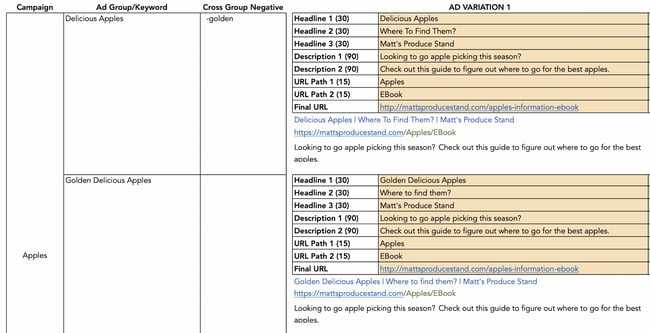
Ads Results Template
This part of the PPC template allows you to track relevant campaign metrics. Use it to record your total ad cost and analyze the performance of impressions, conversions, cost-per-click information, and more.
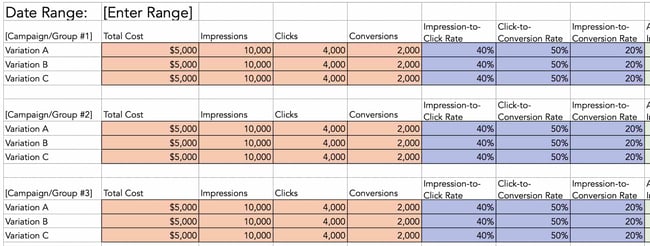
Now that you’re familiar with the template’s components, let’s look at managing your PPC campaign.
How to Manage a PPC Campaign
PPC campaign templates also act as checklists that can help you manage your work.
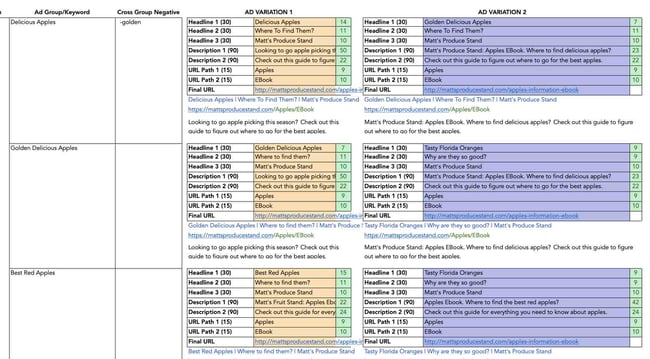
We’re going to show you how to use the PPC template in this blog post — so download it now and follow along.
Before we get started, here are two tips that’ll make using this template easy:
- You’ll want to clear out the example data in the template. That includes placeholder keywords, campaign and AdGroup names, ads, and final URLs.
- Be careful not to alter the variables in columns F, J, and N of the ads planner. They contain the number of characters required by Google Ads for headlines, descriptions, URL paths, and Final URLs.
Now, let’s dive into PPC campaign management.
Step 1: Choose your PPC campaign management tools and software.
There are several platforms for managing your PPC campaign. Pro tip: Start with one platform. This tactic works because it keeps your costs low in the initial stages of PPC planning.
Rather than paying for an external campaign management tool, you can natively manage your campaigns in the platform you use for running ads.
However, as you expand your strategy to include more sites, you’ll need a robust PPC campaign management software. This tool allows you to keep track of each platform, budget, and set of creatives in one place.
Here are some of our favorite tools for the job:
- Marin Software: Integrates with Google and Facebook — two of the most popular PPC platforms.
- WordStream Advisor: Analyzes Google and Facebook ad spend to keep you on budget.
- SpyFu: Analyzes your competitor’s campaigns to help you build a well-rounded strategy.
Step 2: Understand PPC campaign structure.
Understanding PPC campaign structure is essential. Usually, some marketers set up an account, create an ad, direct the ad to their home page, pick some keywords, and hit go. This is a wrong PPC approach.
With Google Ads, you can create multiple campaigns. Your campaigns may contain several AdGroups. Each AdGroup may contain a few ads and multiple similar keywords.
Multiple campaigns allow you to set daily budget caps, day-parting, and select geo-targeted regions at the campaign level. If you’re bidding on generic and branded keywords, you’ll want to put these in separate campaigns. The parameters around these two types of keywords will likely be different.
As you’ll see below, your template reflects these best practices, providing cells for several campaigns, AdGroups, and ad variations within those AdGroups.
Step 3: Identify your landing pages.
The “final URL” is the web page where your PPC traffic lands.
Don’t drive PPC visitors to your home page or blog, hoping they’ll see and fill out a lead generation form. That’s the role of organic search. Instead, drive your audience to a landing page with a form on it. Also, add a tracking token or UTM parameter to the page so you can identify your lead sources.
Keep in mind that the final URL within an AdGroup will be the same regardless of the keyword or ad. You can create another AdGroup if you want to drive a keyword to a different landing page. If you want to get even more specific, create another campaign for that keyword.
Step 4: Build your keyword strategy.
Always select relevant keywords that apply to your landing page and offer. Relevant keywords are important because they increase the chance of visitors completing the form on your landing page.
You may want to rank for multiple keywords, but you shouldn’t do this with one landing page. Why? A landing page will have a focused message that addresses only a few keywords. If a keyword is irrelevant to a landing page, you’ll be wasting your ad budget, as visitors who search for and click the keyword won’t convert. In such a case, it’s better to create another offer and landing page that specifically addresses additional keywords.
To understand search volumes and costs around keywords you want, use tools like the Google Ads Keyword Tool, or — if you’re a HubSpot customer — use our keywords tool.
If it’s your first time managing a PPC campaign, check out this article on how to design a keyword strategy. For Google Ads, you’ll want to learn more about keyword quality scores.
Step 5: Create your ads.
This is the fun part.
Google Ads and Microsoft Ads allow you to create over one ad for each Ad Group (hence the “group” terminology).
After creating multiple ads, these platforms display the ad variations to your audience and note the variant with a higher clickthrough rate (CTR). This is called A/B testing. While running A/B tests is optional, taking advantage of it could improve your campaign performance and ROI.
Keep in mind that you have 30 characters for each ad headline, 30 characters for the display URL (the URL that’s displayed in the ad, not to be confused with the final URL), and 90 characters for each line of copy. If you’re using this template, you can easily keep track of these values.
When writing your ad, give special attention to your headline. The headline has the greatest influence on an ad’s CTR. Be sure to include a keyword in your headline to draw a user’s attention.
An even better practice is using dynamic keyword insertion. Plus, you’ll want to provide a cohesive experience for searchers — from seeing your ad in the search engine results to completing the form on your landing page. Everything should align with the goal of getting them to click through.
Finally, there’s the tricky matter of the display URL. You’re only allowed 30 characters here, but it’s unlikely that your final URL, the actual URL for your landing page, will be that short, especially after adding UTM parameters.
For this reason, search engines like Google allow you to create a display URL, which may not be an actual URL on your website. However, the domain in your display URL must be the same as the domain in your final URL. This allows users to know they’re in the right place when they click your ad and visit your landing page.
Step 6: Share the completed template with stakeholders.
Your completed template needs to align with stakeholders’ expectations and the elements of a productive PPC campaign.
If you’re a PPC campaign stakeholder, this template will help you with two things. First, the ads planner template gives you a bird’s-eye view of what the person running the ads is doing. Second, the ad results template shows how much you’re spending on PPC. With this, you can reallocate and swiftly modify your budget as you respond to changes in the marketplace.
How to Optimize Your PPC Campaign
PPC campaign management isn’t a one-time thing. You’ll need to adjust your methods continually for optimized results. Keep these factors in mind to maximize the performance of your PPC campaigns.
Location
Ad platforms often use geographic targeting in PPC management. Therefore, you should always analyze the performance of your ads to identify the most profitable locations. Use this data to exclude underperforming locations, and add these locations to your negative keywords list.
For example, if you own a bike shop, targeting urban and densely populated areas may be better than targeting rural areas where most folks need a car to get around.
Performance by Device
Campaigns that are effective for desktop users may not perform so well with mobile users. Consider targeting each group separately, and note any differences in conversion rates.
If a campaign works better on mobile versus desktop, allocate funds towards your mobile efforts while you try a different campaign for desktop users. This way, you ensure you’re spending on campaigns that guarantee the highest ROI.
Removing Keywords
When running campaigns, every keyword you chose won’t prove useful. You’ll need to remove the low performers. These could be keywords that:
- Are not converting.
- Are converting at a very high cost.
- Have a “below average” quality score rating.
Remove these keywords and stick with those that are performing well. This allows you to get maximum value from your ad budget.
Examine Keyword Bids
When bidding for keywords, you’ll want to determine how much you can pay for each conversion and still make a profit. To do this, you’ll need Google Ads tools to optimize your bids, like:
- Bid simulator: This allows you to see how higher or lower bids can affect your ad’s performance.
- First-page bid estimates: This shows how much you likely need to bid to get your ads on the first page of Google search results.
After determining the maximum you can pay for a keyword, these tools will help you make the most of your budget.
Performance by Day and Time
Campaign performance will fluctuate depending on the time of day or day of the week. So, observe your campaigns. Note when they perform well and vice versa. If they aren’t performing during a specific timeframe, adjust your campaign so that you are only bidding on the most profitable times.
Now, let’s explore the platforms available for running your PPC campaigns.
PPC Campaign Management
Besides figuring out the ads that work best for your business, understanding where your audience spends most of their time online is key. That’s why you need to familiarize yourself with the different platforms available for running your PPC campaigns.
Let’s look at some of the most popular ad platforms, like Google, Microsoft (Bing), Facebook, Twitter, and YouTube.
Google PPC Campaign Management
Google has been the dominant player in the search engine space for over 20 years, and it still produces some of the most innovative ad experiences in the market. Here’s a look at two of the most popular ways to serve ads on Google.
Google Search Ads
One of the most popular types of Google Ads is the search ad. These ads appear at the top and bottom of the search results for specific keywords you bid on. The typical goal for running Google search ad campaigns is to drive traffic to a specific webpage — like a landing or product page.
Google Display Ads
If you’ve ever visited a website that advertised on the banner, sidebar, or footer of a web page, you’ve probably seen a Google display ad. These ads are typically visual, featuring colorful graphics, videos, and occasionally audio. Google display ads are helpful for retargeting customers who visited your website without taking your desired action.
Microsoft Ads (Formerly Bing Ads) PPC Campaign Management
Overall, Microsoft Ads works almost like Google Ads. However, there are a few distinctions that’ll help you get the most out of your PPC campaign.
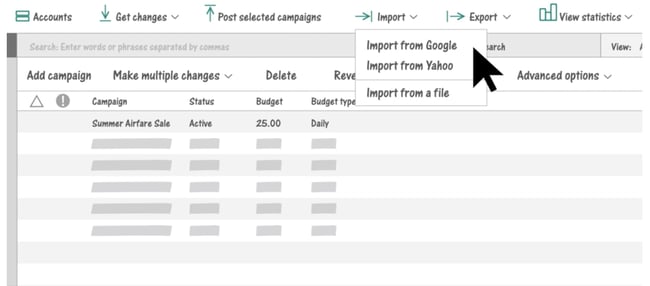
Microsoft Ads Keyword Planner
The bulk of your PPC efforts will likely live in Google Ads. When you decide to bid on Microsoft Ads, avoid using your Google Ads keywords for your Microsoft Ads. Google and Bing are different search engines, meaning the search volume for your Google keywords may not be the same in Bing.
Bing’s keyword research and suggestion tool provide more accurate search volumes for your keywords. So, while you can use your keyword list from Google, use this tool to verify whether you should bid on the same keywords versus other variants with more traffic.
Lower CPC
One upside of Microsoft Ads is the possibility of having lower CPC, which decreases your ad spend.
A WordStream test of both Google and Microsoft found that the average CPC of running ads on Microsoft was 33% lower. The implication? Bidding on Microsoft Ads is less competitive compared to Google, meaning you may likely spend less when paying for Microsoft Ads keywords. This may be especially true for specific industries, as you’ll see in this table:
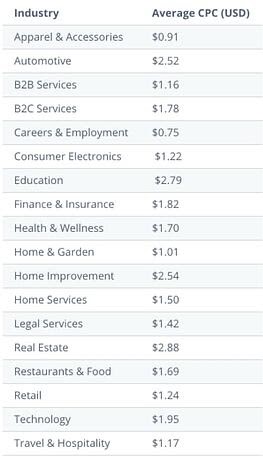
For a deeper dive into Microsoft Ads check out this tutorial.
Facebook PPC Campaign Management
Facebook Ads Manager is a platform that connects 1.6 billion people to businesses on Facebook. It’s a great tool to target specific audiences.
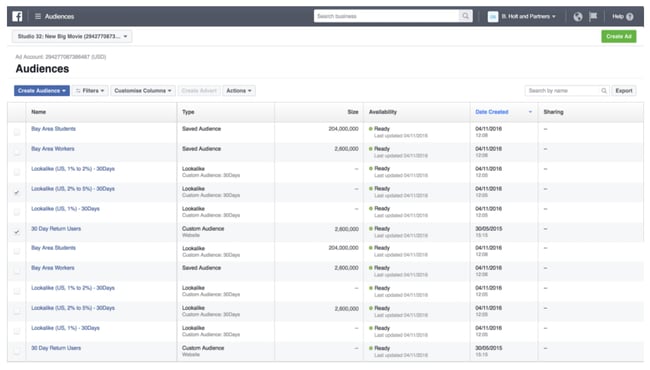
Some of the most popular ads you can use for Facebook campaigns are:
Story Ads
With more users spending time on social media platforms’ story features, these ads are one way to reach your audience. Like personal stories, you can share story ads as a video with a link. You can also use a series of photos to explain your ad and entice your audience to take a specific action.
Keep in mind: You can only post stories for 24 hours. These ads are best used for promotions like time-limited offers.
Playable Ads
Gamification is an innovative way to catch a lead’s attention. Facebook’s playable ads allow you to create a brief interactive version of a game or app so users can get a feel for your product.
You’ll want to keep the functionality simple so you don’t deter potential customers. And of course, make it fun.
Messenger Ads
If you’ve ever used Facebook’s messenger tool, you’ve probably seen an ad in your conversations. Messenger ads are useful because potential customers can decide to connect with your business directly from their messages.
If you have a customer service team that connects with people via chat, this is a great way to establish an instant connection. You can also send a lead to your site or a specific landing page from the ad.
To get a comprehensive deep dive into building Facebook ad campaigns, check out HubSpot’s Facebook Ads Training Course.
Twitter PPC Campaign Management
Twitter Ads Manager makes it easy to plan your Twitter ad while providing reporting on campaign performance.
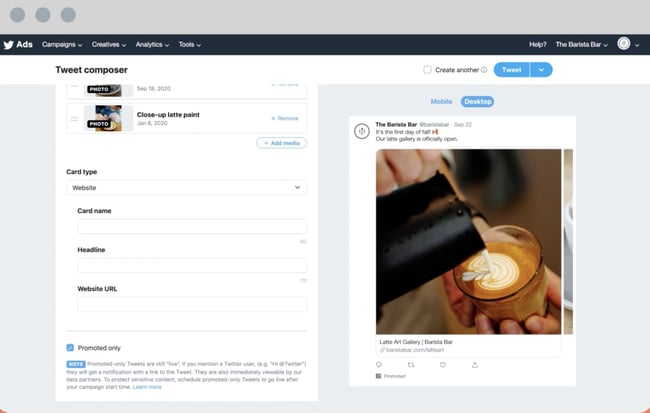
People spend 26% more time viewing Twitter ads compared to other leading platforms. But while you may have an excellent chance of success with Twitter, your ads need to be catchy enough to stop someone mid-scroll. Some ads you can include in your Twitter campaigns are:
Promoted Tweets
Regular and promoted tweets have only one difference. Regular tweets are free while you pay to promote tweets that’ll appear in your ideal audience’s feeds. This allows your business to convert users, or gain new followers. That can help build your brand’s awareness.
Promoted Moments
Twitter moments are several tweets that focus on a specific topic or event. Essentially, you want this collection of tweets to communicate a story to your audience. Moments include categories such as trending, sports, entertainment, and more. These are great for fun or trendy topics.
Promoted Trends
If you love seeing what’s trending on Twitter, you may want to experiment with promoting a trend for your target audience to interact with. This trend will be displayed in the timeline, the explore tab, and the “Trends for You” section.
Once someone clicks the promoted trend, they’ll see various search results for the specific trend and your brand’s promoted Tweet. If your business has identified an engaged Twitter audience, promoted trends may be your goldmine.
Learn more about Twitter Ads Manager for your business, and get to tweeting!
YouTube PPC Campaign Management
YouTube is one part of the Google Display Network with over 2.4 billion monthly users. This high number of users suggests that including YouTube in your ad campaign strategy makes sense. If your business can create ads that’ll interest your audience and keep them from hitting “skip” you’re already winning.
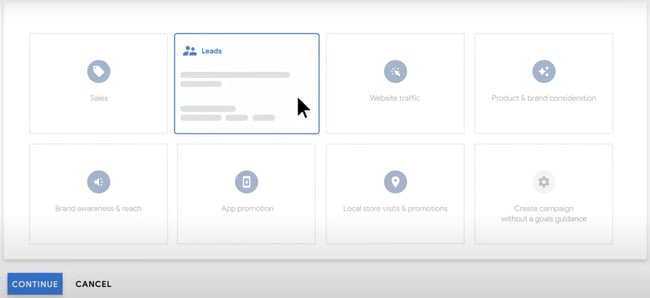
Let’s look at some of the different YouTube ads.
Skippable In-Stream Ads
These are likely the ads you are most familiar with. These ads have a little button that says “skip.” Clicking the button allows you to start or continue viewing a video on YouTube.
Often, users have to wait five seconds before they can skip. Five seconds isn’t much time to convince someone to stick around, so ensure your ad’s hook can capture your audience’s attention.
However, you shouldn’t worry if users skip your ad within the first five seconds. When a user skips your ad in the first 5 seconds, you won’t have to pay for such views or clicks.
Non-Skippable In-Stream Ads (Including Bumper Ads)
Since many people opt to skip ads on YouTube, advertisers have the option of creating non-skippable ads. If you think your creative is captivating enough to resonate with your target audience, this option may work.
Ensure you measure the results from your non-skippable ads to get the best use of your budget. If the results aren’t in your favor, revert to a skippable ad.
Video Discovery Ads (Formerly Known as In-display Ads)
Discovery ads are what users see in the search results. As the second largest search engine, people watch over 1 billion hours of YouTube videos daily. You’ll want those ads appearing in search results too.
These ads will include a thumbnail and a few lines of text as a description. Since many people prefer visuals over text, this is an opportunity to get your audience to view your video instead of reading a competitor’s text resource.
Start Your PPC Campaign Today
PPC management is all about researching, budgeting, testing, reporting, repeating what works, and ditching what produces no or less ROI. You don’t have to do it alone. With the right tools and instructions outlined in this guide, you’ll be able to implement a PPC campaign that yields results for your business.
Editor’s note: This post was originally published in May 2019 and has been updated for comprehensiveness.

28 Best About Us & About Me Page Examples (+10 Templates)
The “about” section of your website should include your mission, purpose, and who’s on your team. The right about us or about me template can help you expertly lay out your vision. That’s why our team gathered five templates to help you build the perfect about page.
![→ Download Now: About Us Pages Guide [Free Lookbook]](https://no-cache.hubspot.com/cta/default/53/f3ca18eb-3e09-4cf6-9f6b-c23d8a48a49a.png)
This post includes best practices for crafting a stellar about page. You’ll explore:
- What makes a good about page?
- How to write an about page
- The Best About Us Page Templates and Examples
- The Best About Me Page Templates and Examples
Featured Resource: Our 29 Favorite ‘About Us’ Pages

Download the guide to review what we love about these amazing ‘About Us’ page examples, plus a few tips about how to make one of your own.
What makes a good about page?
A remarkable about page is genuine, approachable, and distinguished. It should give the visitor a glimpse into what working with you might be like. You can include personal interests, stories, and photos that convey the unique story of your business. You may also include information about who’s on your team and what their roles are.
About pages are personal to you and your company, so the structure of your about page will vary based on what you want to highlight. However, you’ll start with the same writing process.
Let’s explore the set-by-step guide to building your about page.
1. Establish a mission statement.
Your about page can and will be more comprehensive than a single mission statement. However, to draw people in, you need to succinctly state your goal in the industry up front.
What is your business here to do? Why should your website visitors care? This information will give the reader something to remember about your company long after they leave your website.
2. Outline your company story.
Every business has a story to tell. Even if you’re running a start-up with a short history, you’ll want to share your company’s origin. Talk about how you got to where you are today on your about page.
Pro tip: Isolate the milestones before your company’s founding, and use them to give readers some backstory on your current venture.
3. Reveal how you’ve evolved.
There’s no shame in admitting how your business strategy — or even your way of thinking — has changed since you began. In fact, these evolutions can improve the story you tell to website visitors.
About pages are perfect spaces to talk about where you started, how you’ve grown, and the ideals that have helped your organization mature. Use these moments to show people that you’re always ready to change and adapt to the needs of your industry.
4. State your “aha!” moment.
Every good company was founded on an idea — something the current marketplace might not yet offer. What was your idea?
Use this “Aha!” moment as a pivot point when telling your company story. What was a challenge you faced while developing your company? How did this challenge or discovery shape what you are today?
5. Explain who you serve.
As much as you want as many eyeballs on your about page as possible, you won’t do business with every single website visitor. That’s why you must identify and mention your core customer.
Your about page should explain who your business is dedicated to helping. This allows prospects to identify if your service is aligned with their needs.
6. Explain what you’re offering them.
Companies often generalize their offering in the website copy, making it hard to understand what the customer is actually paying for. In a sentence or two, explain exactly what a potential customer will gain from your business. This succinct summary will keep visitors on your website for longer and get them interested in learning more.
Pro tip: Sometimes, businesses are afraid that in-depth explanations of their products aren’t interesting enough or will sound unappealing in writing. And that’s a fair concern. Start by explaining what problem your offering solves. Then, link to a page with more information.
7. Cite examples of clients you’ve served.
Got some loyal customers in your portfolio? Use your about page to let the world know who already benefits from your work. Consider naming your most successful clients and linking to a case study.
Knowing about your company’s past successes can influence your prospects’ purchasing decisions. They can envision their future success through the stories of your best customers.
8. Describe your values.
Customers want to be treated like human beings. For that to happen, they need to feel that they’re being served by human beings. When finishing your about page, describe who you are as a person or a team. What’s your company culture like? What bigger picture in life drives your business?
Pro tip: Remember, future employees are a secondary audience of your company’s about page. This is another reason describing your personal values is a good idea. The key to your job candidates’ hearts is to show them you have one too.
Keep in mind a secondary audience of your company’s About page consists of your future employees. This is another reason describing your personal values is a good idea — the key to your job candidates’ hearts is to show them you have one too.
About Us Page Template & Examples
About Us Template
You can create an About Us template for your company website easily. We lay out the standard “about us” page below.
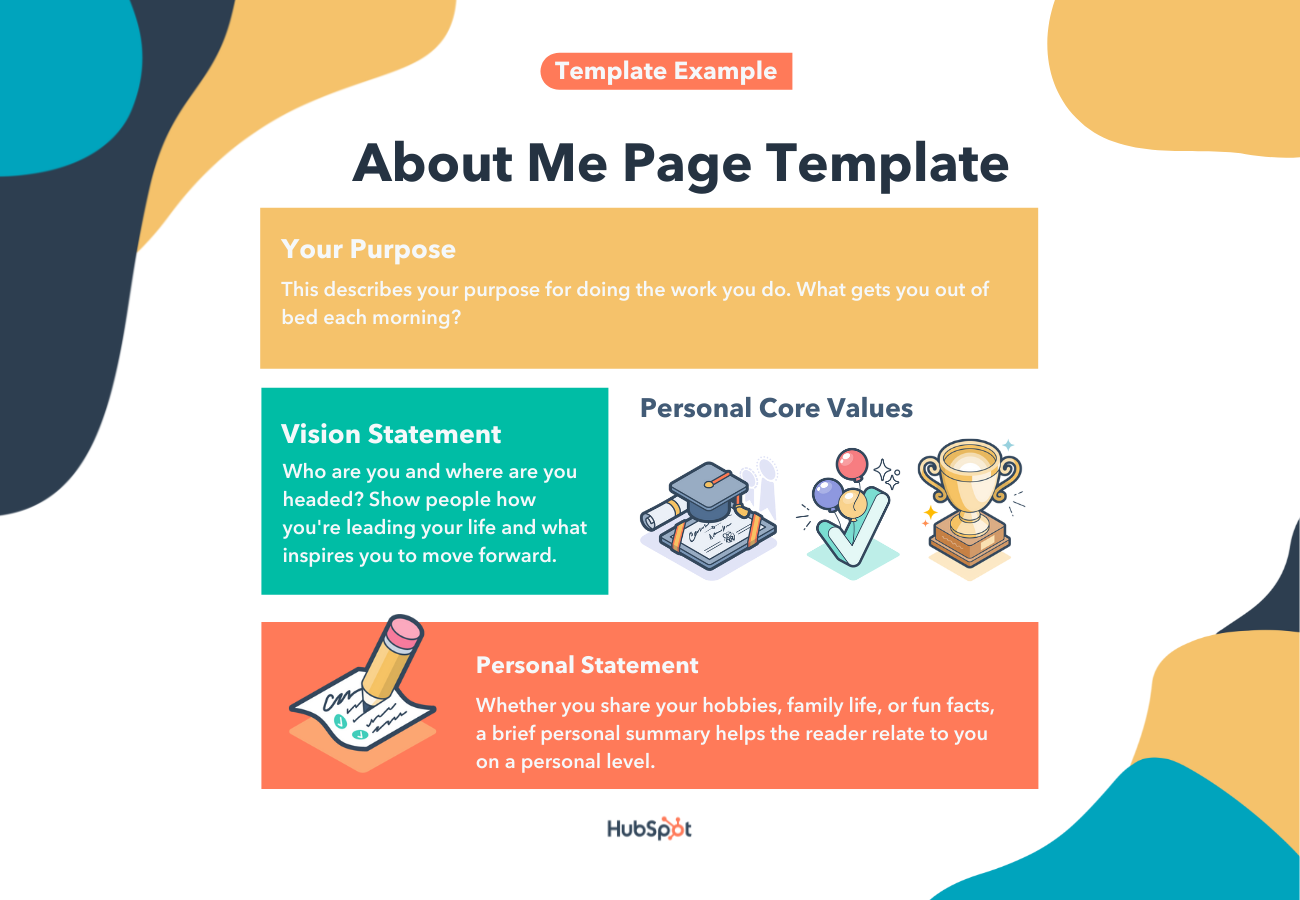
No matter your business, your about page should include the following elements.
- A mission statement. This describes the purpose of your business as it relates to the industry or market you serve.
- A vision statement. The future of your business is outlined in this section.
- Your values. Core values help the reader connect with you and your business on a personal level.
- A target market summary. Your site visitors want to know that they’re in the right place and that your company can help them.
- A brief company history. In addition to piquing your visitors’ interest, a brief company history can help the press describe your business accurately.
After you write a draft, you can use one of HubSpot’s done-for-you website templates to create your about page’s layout. These website templates can be installed and customized in minutes.
Done-For-You About Us Page Templates
While the copy is an important element of your about page, you’ll also want to showcase your brand story and identity to the world. These “about us” page templates create a compelling, customizable user-experience.
1. Touraza Template (WordPress)
If you want something with a little flavor, the Touraza template is a tasteful choice. With the “meet the team” section near the top, geometric designs, and striking typography, you’ll be able to showcase the humans behind your brand.

2. Logan Template (Shopify)
This template makes use of large images in a modern layout to break up the ample white space. The result: A clean and enjoyable reading experience.
The top of the page puts the brand story (or other introductory text) first, supported by a large image that speaks for itself. The pops of color can be customized to your brand style, drawing emphasis to the most important elements you want to highlight.
3. Munchies Template (WordPress)
This theme from Automattic is great for small businesses with a brief company history. You can start by explaining your mission concisely, then jump right into important links.
4. Mobirise Template (WordPress)
This visually compelling page allows you to evenly disperse information. Your webpage visitors won’t be scared off by a giant wall of text.
Instead, you can briefly describe your history at the top of the page. Three icons allow you to lay out your most important values. Plus, the page also features a carousel, so you can include headshots and titles for your teammates.
Best About Us Page Examples
1. Yellow Leaf Hammocks
Good stories humanize your brand, providing context and meaning for your offering. What’s more, good stories are sticky — which means people are more likely to connect with them and pass them on.
Yellow Leaf Hammocks tells users about its product by describing how the hammocks empower artisan weavers and their families. The company breaks down different pieces of the story into sections that combine words and easily digestible graphics.
Pro tip: Put your storytelling skills to work on your about us page. Using descriptive and emotive copy and gorgeous graphics, an about us page with a story works harder for your business than a generic one.
2. Eight Hour Day
People tend to think that about us pages have to sound formal to gain credibility and trust. But most people find it easier to trust real human beings, rather than a description that sounds like it came from an automaton. Keep your about page us page friendly and real.
Take inspiration from Eight Hour Day. This brand showcases the people behind the company and humanizes its brand.
What we love: Introducing the founders with inviting photos on this about us page drives home the point that Nathan and Katie are — as they so astutely put it — “two individuals with a passion for creativity — creativity makes us happy.”
3. Apptopia
People want to know what your business does and how it can help them. After all, if people can’t figure out what you do, how will they know they need your product or service?
So, skip the industry lingo — that’s what Apptopia does on its About Us page. The startup’s simple but polished language effectively communicates the company’s offering while still allowing the Average Joe to understand it.
What we love: Apptopia uses short and punchy sentences to explain complex products and ideas in a way that isn’t patronizing. The copy on this About Us page leads with empathy.
4. Moz
Instead of following the classic about us script, try something different. Take Moz, for example. A lot has happened since it was founded in 2004, so the company chose to share those milestones using a fun, clean design.
Moz’s about us page incorporates clear headers, concise blurbs, and little graphics to break up the text.
What we love: Take note of the humble references to how Moz received funding, how it switched its brand positioning — and most importantly, how it switched back to its original model. This speaks volumes about the value honesty and humility can play to your customers.
5. Yokel Local
On its about page, Yokel Local spotlights its clients, its story and mission, and the team behind the brand. This last element is key because Yokel Local knows that its “vibe” wins over prospective clients. After all, when you hire an agency, you’re hiring its people. And people have personalities.
What we love: Because “Yokel Local” is a bit of a kooky name that gives people pause, the company pokes fun at it by providing the definition. This then leads to photos of the team at work (and at play), the agency’s story, its mission and values, and the people who make the magic happen. This magic is included all over the about page as its employees make goofy faces, wear ugly Christmas sweaters, and work/play hard.
6. Nike
Nike began on the campus of the University of Oregon at the hand of the college’s track coach, Bill Bowerman. Even though he no longer works at the company, one of his beloved quotes still brands the bottom of Nike’s about us page below: “If you have a body, you are an athlete.”
This bold sentence, referenced by the asterisked “Athlete” in the words right above it, sheds important light on Nike’s audience. The brand may be big today, but Nike is all about the rising stars — whom the company depends on, according to the rest of its about us page, to “expand human potential.”
What we love: Nike clearly knows its audience and makes its mission obvious to them as soon as they land on the about us page. There’s no question that the visitor is in the right place and understands exactly what Nike has set out to do.
7. Bulldog Skincare
The best about us pages are infused with color, have personality, and stay true to a company’s unique brand voice. Let’s take a look at Bulldog, a men’s skincare brand.
The about us page is pithy and leads with an adorable bulldog — fitting the name and the brand. It also states the purpose of the products — to help customers from waking up with the (admittedly adorable) wrinkly face you see when you visit Bulldog’s website.
What we love: Bulldog isn’t afraid to have fun with its brand. That bit of humor makes this about us page anything but typical. It primes visitors for a story in a way that makes them immediately feel connected to Bulldog’s mission and vision.
8. Doomtree
Made up of talented artists with thriving solo careers, Doomtree brings these musicians together to work on creative projects as a crew. The group “started as a mess of friends in Minneapolis, fooling around after school, trying to make music without reading the manual.”
As soon as you arrive on Doomtree’s About Us page, you’re greeted with big, bold photos of those friends.
As you scroll down, users are treated to even more interaction with the crew’s events and music tracks. That makes sense because it gives visitors an instant sample of Doomtree’s product.
Pro tip: Find ways to use multimedia elements. One minute of video is worth 1.8 million words, according to Forrester Research’s Dr. James McQuivey. Consider combining your unique story with audio and visuals like in the example above.
9. Below the Fold
Below the Fold is a company committed to “sharing news stories you aren’t hearing anywhere else.” With that in mind, the big headline on the about page introduces the company’s purpose. Further down, you’ll find four core values, how the business generates revenue and more details about the team behind the scenes.
What we love: This page gets straight to the point about what Below the Fold is, who it serves, and why it exists. The simple design lacks color, embellishments, and sensational imagery so the reader can focus on what the company has to say — a direct nod to the mission statement.
10. Ceros
Ceros’ About Us page is interactive and engaging. As you scroll, the images move across the page with punchy designs. Additionally, Ceros’ uses these images of its impressive, unique office space to further personalize the page.
What we love: Ceros keeps the text on the page short-and-sweet, with powerful statements like “we exist to unlock creativity”. The culture section further demonstrates Ceros’ playful brand voice, with core values like “we wear our chicken suits”.
11. Marketive
Marketive’s about us page leads with a solid value statement: “Got a solid product? We tell your target audience that you exist.”
Additionally, Marketive’s About Us page displays original designs rather than photos to support the text. This makes the page compelling to scroll through.
What we love: The interactive milestone calendar at the bottom is especially impressive. It authentically represents some humble beginnings (including two unsuccessful startups that inspired present-day Marketive) and features a fun scroll element.
12. Sweet Loren’s
Start-to-finish, Sweet Loren’s about us page is playful, engaging, and colorful. The page starts with a 60-second video and even incorporates cookie dough-scooping gifs. As you scroll, you’ll move through some of Sweet Loren’s impressive values, including inclusivity and refusing to compromise.
What we love: Sweet Loren’s yummy products are last on the page, ensuring you’re fully primed to purchase only after learning about Sweet Loren’s mission.
13. TalEx
TalEx began when two women left a major recruiting firm to build their own. TalEx has since seen unprecedented growth at 4,900% in the three years. The company’s about page captures this history and more.
What we love: The company’s emphasis on social responsibility takes up nearly half the page, making this core value clear. The statement explains TalEx’s commitment to donate 5% of its annual net profit to philanthropic organizations. People who visit the website know immediately that giving back is important to the team at TalEx.
14. LoveBug Probiotics
LoveBug Probiotics’ page effectively includes all the information you’d need on the company to make an informed purchasing decision. That includes how the founder came up with the idea, her personal ties to the vision, and the science behind her probiotic.
While the products are science-backed, the About Us page doesn’t confuse visitors with difficult-to-understand facts. Instead, the page is simple, straightforward, and helpful.
What we love: This about us page features an image of the founder’s four young children wearing “Chief Fun Officer”, “Chief Giggle Officer”, “Chief Silly Officer” and “Chief Humor Officer” t-shirts. There aren’t many pages with cuter introductions than that.
15. Brown and Coconut
Sometimes, simpler is better — as is the case with Brown and Coconut. This about us page features a photo of the two co-founders alongside a few paragraphs of text outlining the brand’s vision.
Brown and Coconut’s About page uses no-fuss language to describe the business.
What we love: Rather than ending with a CTA directing visitors to its products, the co-founders instead choose to include a CTA to follow the business on Instagram, promoting a more effective, long-term lead generation strategy that starts with brand awareness.
16. Kuno Creative
Kuno Creative’s page effectively focuses on what makes the company different: its people. While the first paragraph describes the origin of the digital marketing agency, the majority of the page is taken up by black-and-white headshots of all its employees along with descriptions of each member.
What we love: If you’re unsure what you want to include on your about us page, consider taking note of how Kuno Creative focuses on its people, rather than its product. This offers a great way to humanize your brand.
About Me Page Templates & Examples
About Me Template
About me pages vary in detail, but most great pages include a few standard elements. You can see a suggested template from HubSpot below.
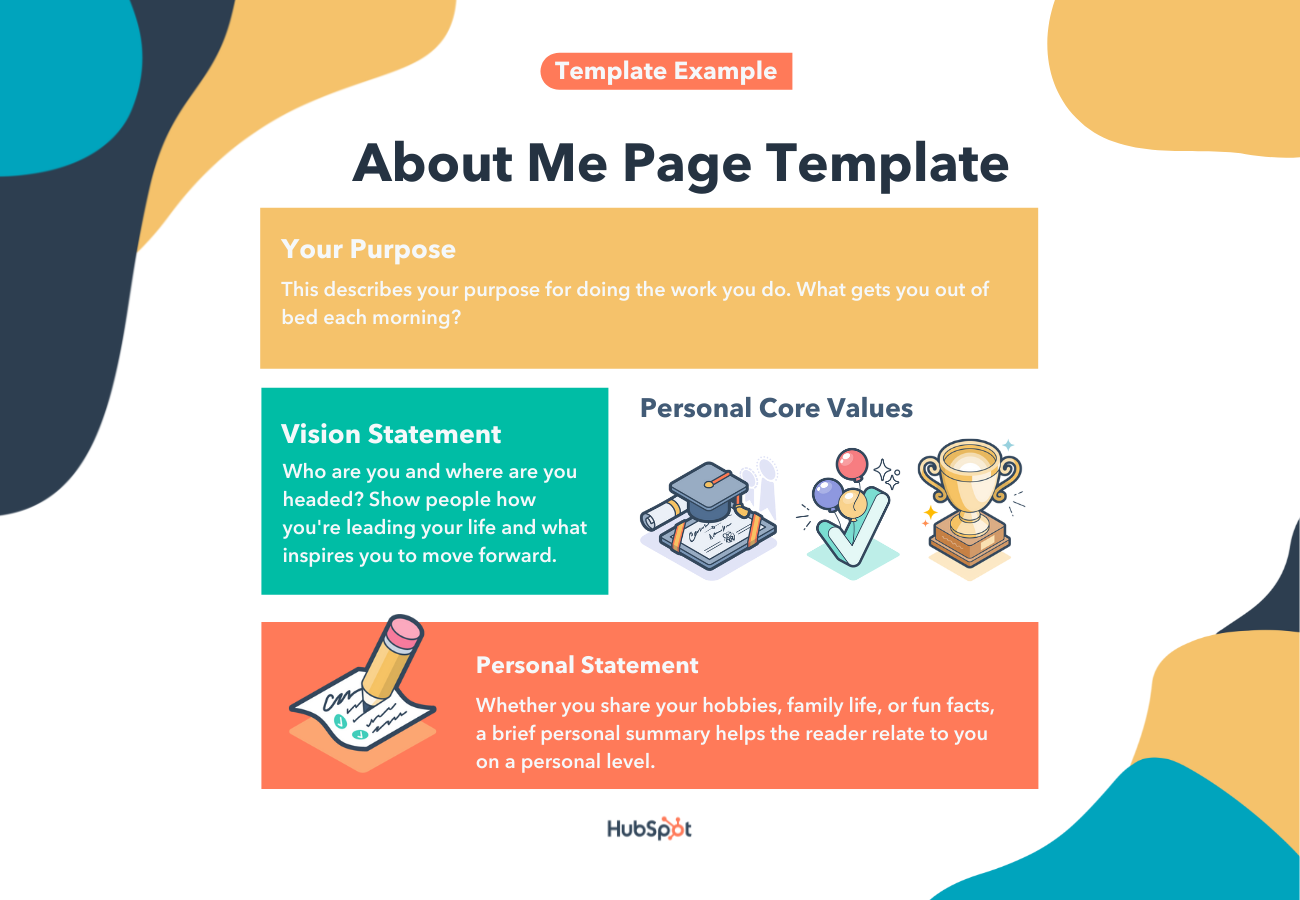
Make sure you include the following information on your page.
- Your purpose. This describes your purpose for doing the work you do. What gets you out of bed each morning? Try using the Ikigai map for guidance here.
- A vision statement. Who are you and where are you headed? Believe it or not, people are looking to you for leadership in some way. Show them how you’re leading your life and what inspires you to move forward.
- Your core values. Personal core values help the reader connect with you and find common ground.
- A brief personal statement. Whether you share your hobbies, family life, or fun facts, a brief personal summary helps the reader relate to you on a personal level.
Next, you’ll see these elements in action in the examples below.
Done-For-You About Me Page Templates
1. Coax Template (WordPress)
The Coax template allows the typography and copy to take center stage. This text-centric approach highlights your personal accomplishments and sells your services. Consider laying out content like a resume with big subheads on the left and descriptive text on the right.
Plus, this template is powered by Elementor, a page builder that makes customization easy.
2. One Page Portfolio Template
Instead of a wall of text, this about me page is neatly divided into separate sections. The text at the top of the page allows you to describe your mission and background.
The icons in the next section call attention to three specific services you provide. Further down the page, you can explain those services in greater detail. You can also include photos to show what you can do.
3. Beckham Template
Your about me page should provide a highlight of your accomplishments, as well as an overview of your service. This template can help you put your best foot forward.
The Beckham template includes a suggested place to link your resume, as well as sections to show off previously completed projects.
 What we love: Near the bottom of the page, you can show off important numbers. That includes how many clients you have, how many projects you’ve completed, and how much coffee you drank.

4. Calvin Template
For personal websites, consider placing your contact information front and center. Your visitors shouldn’t have to search to see how they can reach out.
The Calvin template makes integrating your contact information and personal story seamless. This template leads with email and phone numbers. Then, you can lay out the services you provide, before including links to your work.
Best About Me Page Examples
1. Joe Payton
The style and tone of your about page should match the services you provide. Let’s look at Joe Payton’s website as an example.
Not only does Joe’s illustrative self-portrait give him a personal brand that customers will remember, but it also demonstrates his expertise as a designer and animator. His website visitors can learn what he does in an easily digestible way.
What we love: Joe freely expresses his values as a creative professional on a well-organized page. He tells a story that guides the reader through each section, without having them scroll endlessly to the bottom of the page.
2. Kero One
Kero One is a hip-hop artist and DJ from San Francisco. His About Me page carries a valuable lesson to personal brands that cater to more than one audience — especially if those audiences speak different languages.
Kero One’s about me page tells his story in English, Japanese, Korean, and Chinese. Including these East Asian languages helps Kero One connect with listeners in these different communities.
Pro tip: If your services are global or your offerings come in multiple languages, consider having your about me page in several languages.

3. Aja Frost
Alright, we might be biased in highlighting this professional, as Aja is our very own Director of English Growth at HubSpot. Nonetheless, the ingenuity she brings to the company isn’t lost on her website’s About Me page.
Being a data-driven professional, Aja knows her clients are looking for more than her writing skills — they want to see how her content has performed. With that in mind, her About Me page tells a story of her career growth, which peaks — no pun intended — at an impressive line graph showing the result of an SEO strategy she implemented for the HubSpot Blog.
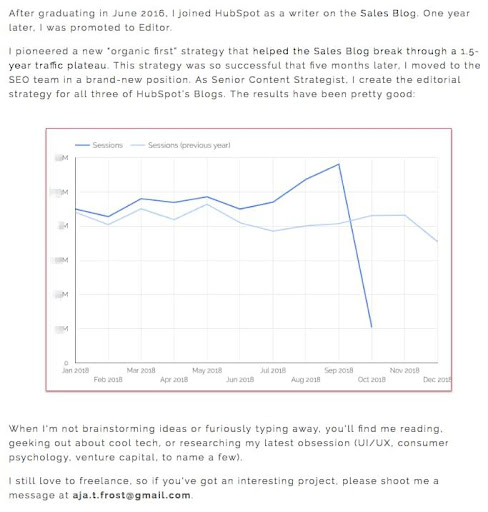
What we love: Aja understands the value of being personable even in a digital space like an About Me page. She closes out her about page with a personal note on what she does in her spare time — a great way to humanize yourself in the eyes of your potential customers.
4. Madison Butler
Madison Butler is an HR change-maker “committed to deconstructing the status quo and rebuilding corporate America, one organization at a time.” She does this through her DEI work and her advocacy.
Her about page, which doubles as the site’s homepage, calls this out at the very top in one bold statement: “I’m here to ensure organizations know how to make space for everyone.”
What we love: Madison’s About page is effective because it stays true to her mission while being simple, effective, and to the point. The second sentence in the headline, “you belong here,” underscores the inclusivity of Butler’s mission and work.
5. Sara Dietschy
This professional YouTube content creator has an eclectic collection of videos related to technology and culture and expresses that diversity all over her About Me page.
In addition to the vibrant self-portrait at the top of the page, Sara’s first sentence tells you just how many people subscribe to her channel: 780,000. This is an important number to know for her potential video advertisers and collaborators who want to know how much exposure they’d get by working with her or advertising on her channel.
What we love: The colored tiles lining the page — starting with the red one, as shown above — segment her work by the types of projects she’s worked on. This helps the reader navigate the page and understand what’s important for them to know.
6. ShaDrena
ShaDrena is a graphic artist whose mission is to “visually build creative rebellious brands beyond a logo.” In three sections — about, bio, and random facts — the audience gets the full ShaDrena experience, which is more than just design. It’s also about voice and personality.
As a self-described “creative hustler,” “rule-breaker,” and “designer of dope brands,” the language ShaDrena uses on her site comes across as edgy and authentic.
What we love: ShaDrena’s about page is counterintuitive to what someone might expect from a graphic artist. Most of the content is presented in black, white, and gray which puts all the focus on the composition of her design.

7. Marc Ensign
On his about page, Marc Ensign takes his work seriously without taking himself too seriously. Marketers know there’s value to keeping a casual tone in the content they create, but to attract customers, you need to prove you have discipline and integrity. This often proves to be a tough balance to get right.
What we love: Marc Ensign nails the balance between friendly and formal with a confident opening statement. This not only draws the reader in but also establishes Marc as a relatable partner to work with.
8. Miracle Inameti-Archibong
With an excellent design that emphasizes her copy, Miracle Inameti-Archibong’s site is a masterclass on how to do a one-page website well. The content is presented with large clear images, cool and bold colors, dynamic angles and blocks, and simple typography.
What we love: Miracle’s about me section spans over a decade but is laid out in just four sentences. The reader can easily understand her career span without being overwhelmed with too much information.
9. Haley Shapley
Haley is a freelance writer and editor who uses a single-page format for her website to showcase her personality, writing samples, and professional services. The site also features a very cool animated video effect in the background, creating a sense of space and movement.
 What we love: Haley leads with an important number: She can write over 100 articles a year. Starting with an impressive data point helps show her level of experience.
10. Amy Blaschka
Amy Blaschka’s portfolio features plenty of white space, balanced out with a bright blue header that really pops, and orange buttons for conversion actions (i.e. “Let’s talk”). Additionally, her use of video to explain what she does helps her stand out in a crowded space.
What we love: To showcase her creativity and individuality, Amy has a list of bullet points of things she loves and things she doesn’t love. She also provides website visitors with three (yes, three!) different versions of her bio: a short one (under 75 words), one that’s a bit longer (under 150 words), and her full bio which takes up an entire page.
By doing this, she’s demonstrating her talent for crafting messaging and educating prospective customers on who she is. Very sneaky, Amy!
11. Cathy Derus
Cathy Derus’ site features bold images and crisp text. The site also highlights Cathy’s appearances in major media outlets and publications, like Entrepreneur and Cosmopolitan.
 What we love: Cathy’s about section features a full-page image of Cathy on her laptop, with a brief text introduction directly to the right of her. Instead of breaking up the image with text, Cathy overlays the text on the actual image, so website visitors get the feeling they are actually in her office with her. This is a great way to build credibility.
12. Matt Gray
Matt is a serial entrepreneur who now manages a portfolio of “soulful businesses”. His website is designed to promote the paid courses he’s developed for entrepreneurs and the 1:1 coaching he provides to those looking for a more personalized touch.
Matt’s site provides plenty of content to help visitors understand who he is and what he does. The focus of the site is very simple: to get visitors to convert by signing up for his email newsletter.
 What we love: Below the bio section, Matt breaks down his offerings in a simple 1-2-3 format, providing something for everybody. Lower on the page, visitors find a mailing list sign-up form with a commitment of what subscribers will receive by signing up.
Tell the World All About You
Now that you’ve seen examples, it’s time to build your own about page. With a good story to tell, creative copy, humility, and digestible visuals, you’re on your way to an eye-catching user experience.
You’ll be standing out from a sea of about us and about me pages in no time. So, tell us, What makes you different? We’re eager to learn more…about you.
Editor’s note: This post was originally published in October 2020 and has been updated for comprehensiveness.


6 Spooky Marketing Campaigns Just in Time for Halloween
Spooky season is officially upon us. It’s a fun time for consumers and an even better time for brands that get to be playful with their audience.

Below, you’ll find examples of Halloween marketing campaigns, from ad spots and seasonal products to social media posts and influencer campaigns.
1. Twix
It’s hard to think of Halloween without thinking of chocolate.
Since 2012, Twix has delivered ad campaigns focused on the left and right sides of their chocolate bars.
For Halloween, they continue with the same theme – except this one comes with a twist (or should I say Twix?).
In this commercial, young adults dressed in costumes sit in a circle in front of an Ouija board, a device used to communicate with ghosts, spirits, and other supernatural beings.
As they play, a gust of wind blows through the room, and before they know it, the “spirit” has taken a bite of a Twix bar. Everyone starts screaming and the ending shot reads, “The spirits have decided. Left or right, either is a good decision.”
This is a great example of how a brand can tweak an existing campaign and give it a holiday twist.
2. Disney Parks & TikTok
On TikTok, text-to-speech is a popular feature used by a lot of creators. Voices can range from standard American accents to popular characters and serve to add more depth(or fun) to videos.
To celebrate Halloween, Disney Parks recently announced a collaboration with TikTok, in which three characters from Disney’s theme parks can voice videos on the platform.
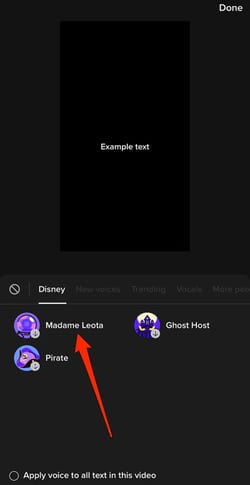
When we say “Meet your audience where they’re at,” this is what we mean. This partnership is a great play for Disney, as they presumably attempt to reel in a younger crowd and garner interest in their parks.
While they could go with flashy ads, this approach is subtle, as it is embedded into a process users are naturally engaging in.
3. Vegan Treats
Wondering just how early you can start marketing your seasonal products? For Halloween, you can start as early as September.
Although Spooky Season doesn’t officially start ‘till October 1st, the start of fall is a great time to start introducing Halloween-themed products and services.
Take Vegan Treats. On September 7, they started sharing product images all relating to Halloween, starting things off with a skull cake.

The earlier you can start the better. It gives your audience time to review your offers and decide if they want to purchase. If you wait until the week of Halloween to start, it’ll already be too late.
4. Elysian Brewing
During Halloween, you’ll find some of the most unlikely brands pair up. That’s because holidays allow businesses to branch out in a way that feels natural and fluid.
Take this co-branding campaign between Elysian Brewing, USA Network, and Syfy.
To kick off trick-or-treat time, this beer company released a limited batch of beers for Halloween, “A Killer Wit Beer.”
“Just like Chucky is synonymous with Halloween, Elysian’s pumpkin beers have become synonymous with the season. Seeing Chucky’s iconic, freckled face on our cans feels like a match made in… ah… hell,” said Joe Bisacca, co-founder of Elysian Brewing, in a statement.
Collaborations like these can be key for new audience growth and can work well during holidays when strategies and goals are more likely to align.
5. Heinz
Although the concept of a vegetarian vampire during Halloween doesn’t sound very interesting, Heinz found a way to make it work.
Enlisting the help of content creator and TikTok influencer E.J. Marcus, Heinz released a campaign to promote its annual Halloween-themed ketchup, dubbed “tomato blood.”
The multi-channel campaign included an ad spot during AMC’s “Interview with the Vampire,” a partnership with Six Flags to offer branded menu items, and QR-code-scannable billboards.
Where does Marcus come in? He takes on the role of a vampire who’s learned to resist his thirst for humans and instead sustain himself with Heinz’s tomato blood. The ad seems to appeal to Gen-Z, given the ambassador they’ve chosen and the purpose-driven character he embodies.
One takeaway here is that there isn’t only one way to success. If you have the resources for a multi-pronged approach, don’t be afraid to do it. Even unsuccessful campaigns teach you about your audience and what they’re looking for – so it’s always a win for your team.
6. Target
On TikTok, Target leans heavily on user-generated content. They understand that perfect curation – à la Instagram – isn’t the key to success on this app.
So, they partner with influencers and content creators who can share authentic content using Target products. During Halloween, the strategy remains the same.
@target doesn’t matter if it’s 105 degrees, we ride at dawn 🧙♀️ @Dalia Elizabeth
♬ Halloween ・ cute horror song – PeriTune
One of their latest posts features creator Dalia Elizabeth who invites viewers to go Halloween shopping with her at Target. Viewers follow along as she walks the aisles and looks through Halloween decorations.
It’s simple but for TikTok, it might be exactly the right approach.
These diverse examples highlight the many ways you can approach the holiday while still staying true to your brand. 

What is Data Deduplication? A Plain-English Guide
As a marketer, you likely deal with data in some form on a regular basis. So, how is data deduplication relevant to you?
With so much critical information saved on our computer systems, we’ve learned to backup data regularly — including our email inboxes, Word documents, photos, and entire folders of old work. It’s typically a ton of data.
Since we usually backup and save our data on auto-pilot, we might not realize just how much has been re-copied and re-saved. Over time, our data storage becomes unnecessarily burdened with redundant copies of data, costing money as data requirements grow and processing time slows down. This is where data deduplication comes in.
![Download 10 Excel Templates for Marketers [Free Kit]](https://no-cache.hubspot.com/cta/default/53/9ff7a4fe-5293-496c-acca-566bc6e73f42.png)
Andrew Le, an IT Helpdesk Technician at HubSpot, further explains the importance of data deduplication for a business looking to grow — “[Data deduplication] really improves scaling and efficiency when pulling data from one source. If you have lots of the same data in different spaces, your entire system can be slowed down.”
So, you might be wondering, “How does data deduplication actually work?” Let’s dive into it.
How does data deduplication work?
The data deduplication process might seem intimidating, but it’s actually simpler than it sounds. You can use data deduplication software when you backup your computer. Additionally, some marketing automation software, like HubSpot, might have a deduplication feature to keep track of your marketing contacts.
To ensure you’re optimizing your data backup storage, here’s a list of the best data deduplication software you can use to minimize unnecessary data copies.
Data Deduplication Software
1. HubSpot’s Deduplication Feature
Best for: Any business.
If you use HubSpot’s CRM to manage your contacts, you’ll be impressed to find out you can also use HubSpot’s machine learning-powered deduplication feature to keep your contact database clean. HubSpot contacts can be deduplicated by a user token set with a cookie in their web browser or email address — additionally, contacts, companies, deals, and tickets can be deduplicated using a unique object ID.
2. Dedupely
Best for: A dedicated deduplication platform that integrates with your CRM.
Dedupely finds and merges duplicate data automatically, saving you time and headaches and improving trust and alignment across your company.
If your company stores a lot of data, it’s important to begin the data deduplication process. By using software, you can simply automate this process.
3. Barracuda Backup Deduplication
Best for: Users of Barracuda security solutions.
With a 9.1 user rating out of 10 on TrustRadius, Barracuda Backup is a good option, offering a robust, secure, fully-integrated data deduplication solution. Their tool can help your business reduce bandwidth requirements and backup costs. Additionally, Barracuda is a good option if your business needs to protect multiple sites, since its cloud storage technology helps distributed networks stay protected.
4. Avamar
Best for: Remote-work companies and enterprises.
Avamar, a solution from Dell EMC, provides variable-length deduplication, which reduces backup time by only storing unique daily changes while simultaneously maintaining daily backups. Avamar is an efficient, secure option and is particularly useful for virtual environments, remote offices, and enterprise applications.
5. HPE StoreOnce
Best for: Any business.
HPE StoreOnce, a solution from Hewlett-Packard Enterprise, offers disk-based backup, deduplication, and secure long-term data storage. Their deduplication software is equipped for virtual backup machines in small remote offices, and equally capable of handling high-performance dedicated applications for larger businesses. Ultimately, this is an impressive tool to help you keep your data secure and efficient as you scale-up.
6. Exagrid EX Series
Best for: Faster, more efficient backups.
Exagrid implements a highly efficient approach to data deduplication that allows six times the backup performance, and up to 20 times the restore and VM boot performance. With Exagrid, you can backup your data straight onto a disk without inline deduplication processing, enabling a shorter backup window.
7. Insycle
Best for: A full data storage and automation solution.
One of G2’s high-performers and a HubSpot App Partner, Insycle is a complete customer data management solution that makes it simple for companies to manage, automate, and maintain clean customer databases. It drives efficiency, betters reporting, aligns teams, and improves trust in data.
Cut down on excess data with data deduplication.
Don’t get me wrong, data backups are crucial to keep your company’s assets safe. However, if unmoinitored, automatic backups can lead to bloated storage and poor performance from your servers. Luckily, it’s easy to deduplicate excess data with the right tools to keep your software and business running smoothly.
Editor’s note: This post was originally published in April 2019 and has been updated for comprehensiveness.

How to Set Up Automated Email Marketing Workflows (+ Examples)
Without email marketing automation, your marketing team misses out on major opportunities to nurture and engage your target audience and contacts.
In this article, we’ll review common types of email marketing automation, the tools to help you establish and maintain an email marketing automation strategy, and different automation triggers you may implement at your company. But first, let’s begin by answering the most crucial question: what is email automation?

Email Automation
Email automation helps convert leads into customers, delight existing customers, and encourage activities like greater product adoption, upsells, evangelism, and additional purchases.
Top 7 Email Marketing Tools To Automate Emails & Get Clicks!
Why should you do automated email marketing?
Email marketing automation eliminates time-consuming tasks, such as preparing email lists, sending generic messages, or scheduling events manually. This gives marketers and salespeople more time to work on projects that require their attention (or cannot be fully automated).
Email marketing automation is centered around workflows, a predetermined, triggered set of actions you’re directing your automation software to take for you.
Now let’s look at how this process actually works.
Pro tip: While you work through the following steps, keep the teachings from this video on email marketing in mind — many of the topics covered below are also touched on in the video and vice versa — after all, your email marketing automation is part of your email marketing strategy.
1. Select email automation software.
There are several email automation software on the market today — the key is selecting the best option for your business and goals.
For the sake of this article, we’re going to work through the following steps in this section by looking at HubSpot’s Marketing Automation tool.
But here are a few more tools for your consideration with their main features and benefits to give you an idea of what these tools are capable of.
Email Marketing Automation Tools
-
HubSpot Marketing Automation: Best email marketing automation software for automating and personalizing email campaigns with CRM integration.
Price: Free, $45/mo (Starter), $800/ mo (Professional), $3,200/ mo (Enterprise)
-1.png?width=624&height=528&name=How%20to%20Set%20Up%20Automated%20Email%20Marketing%20Workflows%20(+%20Examples)-1.png)
With HubSpot’s Marketing Automation Software, you can automate your email drip campaigns without any code. Select triggers, conditions, and actions, so your emails are sent to the right audience members at the right time.
Pair your email campaign workflows with goals to track and analyze their success. And speaking of workflows, you can visualize, customize, and personalize them to help you target every individual in your contact database.
(You can also use HubSpot to automate many other tasks besides email, such as lead scoring, lead rotating, webhooks, etc.)
Pro Tip: Use HubSpot’s Marketing Automation software to automate and personalize email campaigns to move prospects through the marketing flywheel and generate qualified leads.
-
Versium Reach: Best email marketing automation software to visualize and segment customers.
Price: Contact for pricing

Versium Reach allows you to create target audiences that you can use across various marketing platforms (like HubSpot) and channels to help you effectively target and reach those groups through your email (and other digital) campaigns.
Versium Reach helps you visualize and segment your customers so you can tailor your email campaigns to them no matter which stage of the buyer’s journey.
The tool also helps you maintain a cost-effective lead generation strategy — Versium allows you to experiment with a single data source for better-performing customer segments.
-
Mailchimp: Best email marketing automation software for connecting ecommerce and email platforms.
Price: Free Basic Plan, Essentials Plan; $11/month, Standard Plan; $17/month, Premium Plan; $299/month
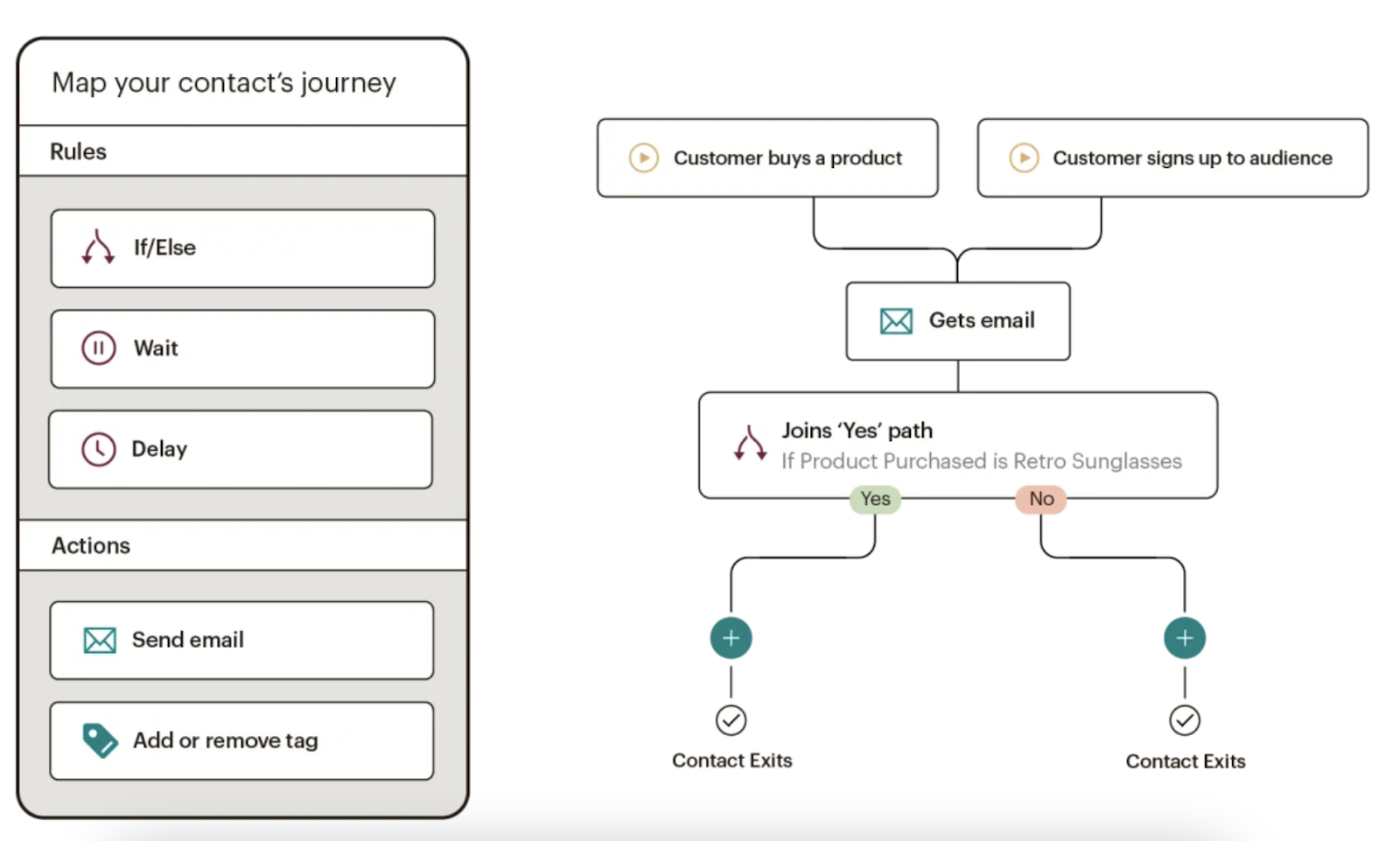
Mailchimp makes it easy to deliver personalized and relevant messages and purchase paths to individuals based on their contact information and how they interact with your company. Send-time optimization then schedules your emails to be sent when your customers are most likely to engage with them.
Mailchimp offers many ecommerce integrations (e.g. WooCommerce, Shopify) so you can connect your online store to the email tool — this way, you can target customers based on their purchases.
Mailchimp offers six main types of email automation to make your team more productive and efficient — customer journey automation, behavior automation, transactional email automation, postcard automation, date-based automation, and RSS-to-email automation.
-
Moosend: Best email marketing automation software for managing several email campaigns and mailing lists.
Price: Contact for pricing
.png?width=624&name=How%20to%20Set%20Up%20Automated%20Email%20Marketing%20Workflows%20(+%20Examples).png)
Moosesend is an email marketing platform for managing several email campaigns and mailing lists. Design and A/B test responsive emails and newsletters to ensure they effectively target your audience.
Personalize your emails by creating condition combinations to segment your audience based on the specific behaviors you care about on your emails and your website.
Understand the success of your email marketing campaigns with Moosend’s analytics dashboard — track email opens, clicks, social shares, unsubscribed, and more.
2. Identify who you’re sharing your email campaigns with.
Determine who you want to send your emails to. For example, you might use lifecycle stages to group your email recipients — for an upsell campaign, you send emails to existing customers who have not purchased a particular product yet.
Your email marketing tool should be able to help you efficiently segment your customers ahead of your campaign using the criteria you’ve decided upon. Again, your contact data in your CRM should help with this — for instance, in HubSpot, segment your email recipients by lifecycle stage.
3. Determine your email campaign’s goal.
Your email marketing is only as good as your strategy — so ensure you know exactly why you’re contacting these individuals. Do you want them to buy something? Learn something? Do something?
Once you answer this question, you can figure out the messaging you need to take them from where contacts are currently to where you want them to go.
You also have to plan for what happens when you succeed.
For example, imagine a 10-email series to get prospects to request a consultation. Prospect A converts within the first email. If Prospect A continues to receive emails telling them to do what they’ve already done, they’ll get frustrated.
In HubSpot, if you define your goal, it will unenroll any contacts who meet the goal.

4. Set enrollment criteria.
Enrollment criteria refer to the qualifications that must be met for a contract to be entered into a workflow.
Suppose you’re using HubSpot Workflows. You can create personalized, automated email workflows that can get triggered in a number of different ways. This can look like a contact added to a list, submitting a form on your website, clicking a link in an email, viewing a page on your blog, clicking on one of your ads, or becoming a marketing qualified lead.
You can also set up email workflows based on any information you have about the contacts in your marketing database, such as page views, email or social media clicks, content downloads, contact properties, or any combination of these and more.
5. Determine which processes you want to automate with Workflows.
If you were manually emailing these contacts, what would you do? Think of your email marketing workflows as blueprints that outline each action your tool will take for you.
For instance, specify which actions you want the software to take in HubSpot. Examples of automatable actions are:
- Sending an email.
- Scheduling an email (and/or delaying it).
- If/ then email branching.
- Updating and syncing all email and contact data to your CRM.
-Aug-03-2022-07-32-50-21-PM.png?width=624&name=How%20to%20Set%20Up%20Automated%20Email%20Marketing%20Workflows%20(+%20Examples)-Aug-03-2022-07-32-50-21-PM.png)
6. Create your email campaign assets.
By this point, you know how many emails you want to send, the general messaging you’ll include in the emails, and which groups of customers the emails are going to.
Now it’s time to ensure all of your email campaign assets are created and available in your email automation software so you can add them to campaigns.
7. Check your email automation setup and run a test, if possible.
Some things to consider implementing into your workflow publishing process are:
- Looking at your list of enrolled contacts for errors.
- Ensuring the number of enrolled contacts is what you’d expect.
- Considering your workflow chart and use cases.
- Checking your “Send” settings.
In HubSpot, you can test your workflow to ensure the automation you plan to set live is working as intended.
-3.png?width=624&height=744&name=How%20to%20Set%20Up%20Automated%20Email%20Marketing%20Workflows%20(+%20Examples)-3.png)
8. Make our email automation workflow live and monitor its progress.
Once you’re happy with the workflow, set it live.
Mistakes can happen, so monitor for anomalies. Don’t be afraid to adjust as needed to resolve issues or improve the performance of your email automation workflow — similar to your other marketing strategies, this is also an iterative process.
Additionally, you can continually expand upon your workflows to support other business goals. Use them to automate other actions such as setting or clearing a contact property value, updating a contact’s lifecycle stage, adding/removing a contact from a list, and other administrative tasks that allow for more targeted, effective marketing to your prospects and customers.
Email Marketing Automation Examples
Now let’s walk through some examples of automated email workflows you can set up to start getting more out of your contacts database and marketing automation software.
1. Topic Workflows
Main triggers: Page views or content offer downloads.
-4.png?width=624&name=How%20to%20Set%20Up%20Automated%20Email%20Marketing%20Workflows%20(+%20Examples)-4.png)
Create a workflow for each of the industry-related topics you create content about.
Imagine you’re a unicorn breeder whose main content topics include unicorn diets, unicorn gear, and unicorn boarding. Then you could bucket your content marketing offers (e.g. ebooks, webinars, kits, etc.) and blog posts by these topics. You could also create an email workflow for each topic and then trigger the appropriate workflow when one of your contacts views a page or downloads an offer centered around that topic.
Trigger a content download workflow based on a form submission from a tool conversion tool like HubSpot’s Free Marketing & Lead Generation Software. To trigger an automated workflow in HubSpot, you can use the “Lead Flow Submission” option as the starting condition.
So if a contact downloaded your ebook called 10 Tips for a Balanced Unicorn Diet, your “unicorn diet” workflow would be triggered, sending that contact more helpful content, such as blog posts describing unicorn dietary tips.
2. Blog Subscriber Welcome Workflow
Main trigger: Subscription to your blog.
-Aug-03-2022-07-32-49-22-PM.png?width=624&name=How%20to%20Set%20Up%20Automated%20Email%20Marketing%20Workflows%20(+%20Examples)-Aug-03-2022-07-32-49-22-PM.png)
Give your brand new blog subscribers a nice, warm welcome with a blog welcome email. Use this email to thank contacts for subscribing, remind them what they’ll get from reading your blog, review their subscription settings (and allow them to make adjustments), and promote your blog’s best-performing articles or other offers.
(Get tips for creating a successful blog welcome email here, and learn more about optimizing welcome emails here.)
3. New Customer Welcome/ Training Workflow
Main trigger: Lifecycle stage.
While we’re on the subject of warm welcomes, consider setting up a series of welcome emails when a contact converts into a paying customer, which you can trigger when a contact’s lifecycle stage gets updated to “customer.”
Not only is this a great way to kick off your new customer relationship on a positive note, but it can also keep your customers engaged after they buy. And if your product or service requires a little training on your customers’ part, use this workflow as an opportunity to introduce helpful training materials on an incremental basis.
4. Engaged Contact/ Evangelist Workflow
Main triggers: Visits, clicks, or form submissions.
-Aug-03-2022-07-32-49-58-PM.png?width=624&name=How%20to%20Set%20Up%20Automated%20Email%20Marketing%20Workflows%20(+%20Examples)-Aug-03-2022-07-32-49-58-PM.png)
Create a smart/dynamic list that automatically updates to include contacts that you’ve really engaged.
To create this list, use trigger criteria such as a high threshold of visits to your website, clicks on your emails or social media posts, or form submissions. Then create an email workflow to leverage this list to encourage evangelism of your top content on social media.
Because these contacts are highly engaged with you already, they’re more likely to share your top content. You can also consider adding list criteria to pull in contacts with a certain number of Twitter followers to leverage the power of those social media influencers in your database.
5. Lead Nurturing Workflow
Main trigger: Multiple beginning stage conversion events.
If a contact has downloaded several of your beginning stage marketing offers like ebooks and webinars, it might be a sign that they’re ready for a bit more. Set up workflows that help advance these contacts further through the flywheel.
If the contact is a lead, send them emails containing more content that can upgrade them to a marketing qualified lead (MQL) or an opportunity in your sales process.
This workflow may include content and web pages you’ve identified from an attribution report analysis as influential in converting leads into customers — perhaps content like customer success stories/case studies, free trial offers, or product demos.
6. Internal Sales Rep Notification Workflow
Main triggers: Late stage page views/conversion events.
On any given website, there are certain page visits and conversion events that indicate more product interest than others.
First, identify these pages and conversion events using an attribution reporting tool like HubSpot. You’ll notice that, more often than not, the pages you unearth will be your pricing page, product pages, etc. — the pages that your contacts view when they’re truly considering your products or services.
Use workflows here to trigger an internal email notification to your sales rep to inform them of these high-value activities. Using personalization, give the rep all the information they need about the lead in question, including relevant mid- and late stage content that they can send to the lead in their outreach email. This allows you to connect sales reps with the best possible leads at the right time.
7. Re-engagement Workflow
Main trigger: Inactive contacts.
-Aug-03-2022-07-32-48-85-PM.png?width=624&name=How%20to%20Set%20Up%20Automated%20Email%20Marketing%20Workflows%20(+%20Examples)-Aug-03-2022-07-32-48-85-PM.png)
Reawaken inactive contacts with a re-engagement workflow, enrolling contacts once they’ve met certain list criteria.
For example, you could set conditions such as the length of time since their last form submission, website visit, or email click, triggering the email once it’s been a while since a contact last engaged with you.
In your workflow, try sending them an exclusive offer or coupon to get them excited about your company again. For more tips about launching an effective email re-engagement campaign, check out this post.
8. Event Workflow
Main trigger: Registration or attendance.
-Aug-03-2022-07-32-48-49-PM.png?width=624&name=How%20to%20Set%20Up%20Automated%20Email%20Marketing%20Workflows%20(+%20Examples)-Aug-03-2022-07-32-48-49-PM.png)
Hosting a live, in-person, or virtual event? Use email workflows to automate your communication to event registrants and attendees before, during, and after the event.
For example, create a workflow that delivers important information registrants should know leading up to the event, such as hotel accommodations and agenda information for live events, or webinar log-in information for online events.
When the event ends, set up a workflow that gives attendees online access to session slides and continues to nurture them with additional content or promotion for future events.
9. Abandoned Shopping Cart Workflow
Main trigger: Shopping cart abandonment.

If you’re an ecommerce business, you’ll likely benefit from an abandoned shopping cart workflow.
The concept here is simple: When someone adds an item to their online shopping cart but leaves your site without completing the purchase, you can trigger an email workflow that reminds them of their forgotten purchase. By offering a special discount code or incentive to buy, you motivate the individual to return to your website to complete the transaction.
10. Upsell Workflow
Main trigger: Past purchases.
-2.png?width=624&name=How%20to%20Set%20Up%20Automated%20Email%20Marketing%20Workflows%20(+%20Examples)-2.png)
Communication with your customers shouldn’t stop after they make a purchase. This is especially true if you sell various products and/or services. Use workflows to help you upsell or cross-sell existing customers.
Create dynamically updating lists of contacts who purchase a certain product — or combination of products — and create workflows aimed at recommending other products/ services or encouraging upsells or add-ons.
11. Customer Happiness Workflow
Main trigger: High or low NPS scores.
If you administer regular Net Promoter surveys of your customer base, you can use customers’ Net Promoter Scores as a property to trigger workflows.
Simply determine what your ideal customer happiness score is, and use that as the threshold for your dynamic list of happy customers. Then trigger a workflow for customers with “happy” scores and reward them with exclusive content, offers, or discounts.
Trigger a different workflow for your “unhappy” customers that includes content/offers aimed at helping to improve their happiness.
You can even segment unhappy customers by the specific reasons they’re feeling unsatisfied — then send them even more targeted workflows to address their issues.
12. Customer Success/ Engagement Workflow
Main triggers: Success metrics or product usage.


If you keep track of customer success metrics, you have a prime workflow opportunity on your hands.
For example, if you’re trying to build up your arsenal of customer case studies, automatically trigger an email that asks customers if they’d be interested in being featured as a success story once certain customer success metrics were met.
Furthermore, suppose you track customers’ product adoption or feature usage. In that case, you could trigger a workflow for users exhibiting low product engagement, providing resources that educate and train them on using the product features they’re not taking advantage of.
13. Upcoming Purchase Reminder Workflow
Main trigger: Purchases made on a cycle.
-Aug-03-2022-07-32-48-03-PM.png?width=624&name=How%20to%20Set%20Up%20Automated%20Email%20Marketing%20Workflows%20(+%20Examples)-Aug-03-2022-07-32-48-03-PM.png)
Does your contacts database include customers who typically purchase on a cycle? Enter those people into a workflow that gets triggered when they make a purchase.
For instance, you sell eye care products, and a customer purchases a six-month supply of prescription contacts. Enroll that customer into a workflow that sends them an automated email five months later as a reminder that their six-month supply is about to run out, and it might be time to order a new batch of contacts.
14. Customer Service or Ticket Workflow
Main Trigger: A customer or prospect contacts customer service via email or an online form.
Your customers or prospects might have trouble using your free or paid software. When this happens, fielding a bunch of customer service emails and messages can take tons of valuable time from your schedule.
One way to avoid this is to create a workflow that turns customer concerns into tickets that can be categorized, labeled, and assigned to customer service reps on your team. These tickets can also help you track ongoing problems and when issues with a customer or prospect are resolved.
15. Deal-Based Workflows
Main Trigger: When someone e-signs a quote or contract.
Sealing the deal is key to successful marketing and sales. Automating small aspects of this process, like emails someone might get after signing a contract or quote page with you, allows your sales reps more time to nurture the client over the phone, during demos, or via other messages.
With a deal-based workflow, you can trigger confirmation emails when a prospect becomes a client or qualified lead by signing a quote or contract. With systems like HubSpot, you can also set the workflow to change the contact’s status to show where they are in the lifecycle.
Automate Your Email Marketing Campaigns
Email marketing automation increases efficiency and gives your team back valuable time that can be spent on customers and other work that requires their attention. Additionally, the process helps optimize your email marketing strategy and personalize email content to increase its effectiveness among your target audience and customers.
Identify your ideal email marketing automation tool and begin setting up the workflows your team needs.
Editor’s Note: This post was originally published in September 2012 and has been updated for freshness, accuracy, and comprehensiveness.