
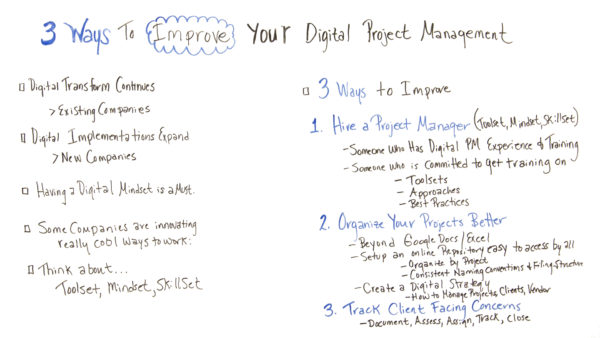
3 Ways to Improve Your Digital Project Management
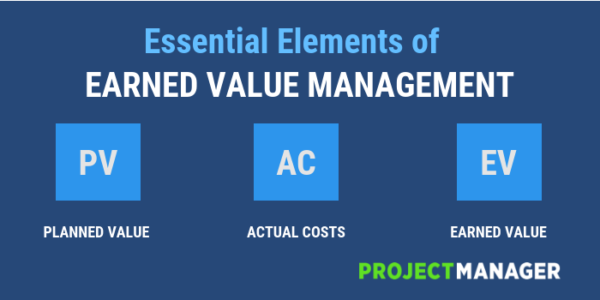
Using Earned Value Management to Measure Project Performance
Project Integration Management – A Quick Guide

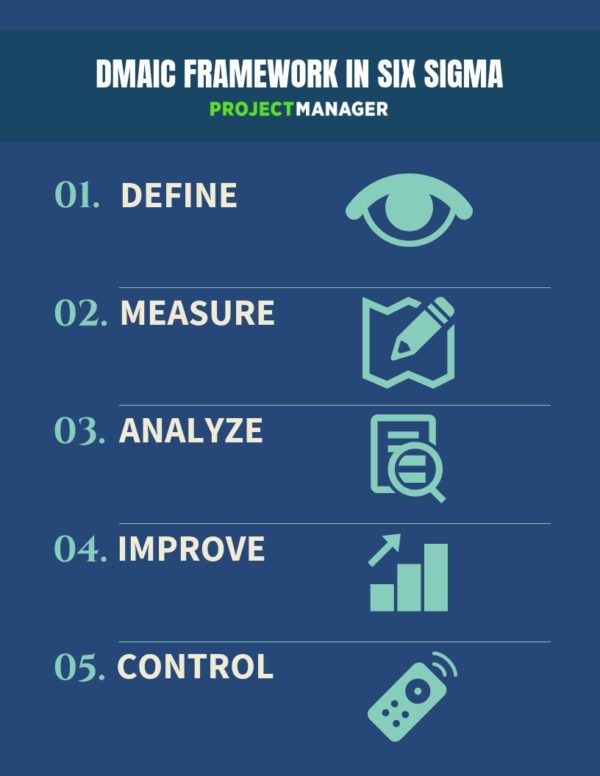
Six Sigma: A Simple Guide for Project Managers
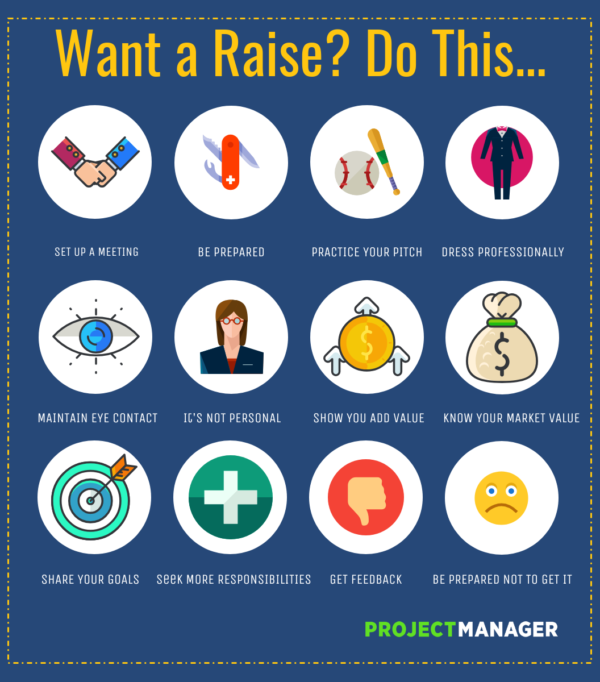
How to Ask for a Raise (and Get One)
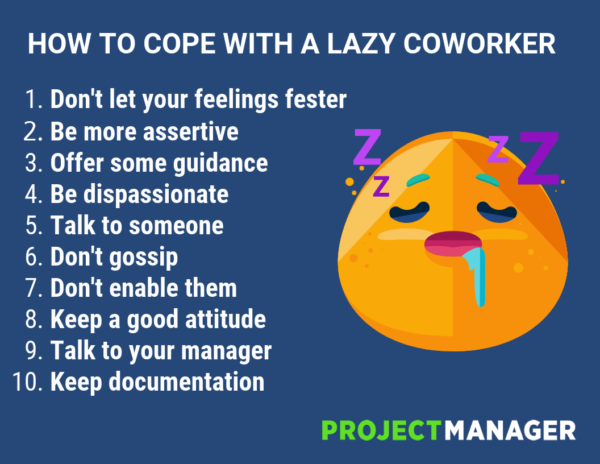
10 Ways to Cope with a Lazy Coworker
10 Project Management Buzzwords and What They Mean

PMI Tour Cono Sur 2017 Llega a ROSARIO
CONGRESO INTERNACIONAL DE DIRECCION DE PROYECTOS, LIDERAZGO & ESTRATEGIAS.
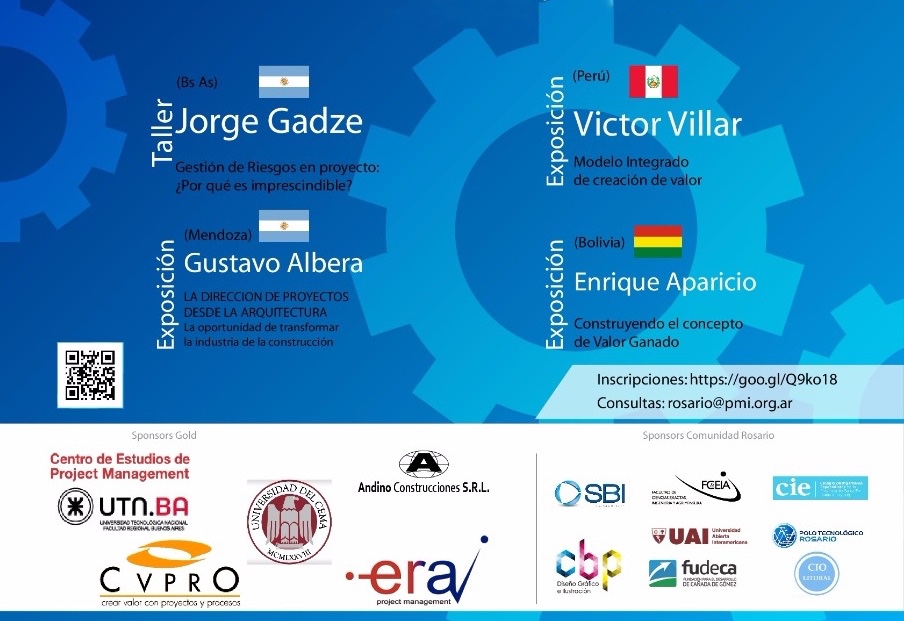
El Evento MAS IMPORTANTE dedicado a la GESTION DE PROYECTOS, tendrá lugar en la ciudad de Rosario el día 08 de Noviembre de 2017. Horario: 15:00 a 20:30 hs te esperamos en
Universidad Católica Argentina
Av Pellegrini 3314 – Rosario
ENTRADAS “LIMITADAS”¡Save the Date!
Un encuentro IMPERDIBLE donde encontrar COLEGAS y conocer las novedades de lo que está sucediendo en la profesión. Conferencistas internacionales y nacionales.
Este año, el Tour Cono Sur Buenos Aires desde la Comunidad Rosario busca evidenciar el valor de la Dirección Profesional de Proyectos en el marco de la innovación y la mejora continua, no olvidando su misión fundamental de contribuir con el desarrollo de las capacidades y conocimientos de todos los profesionales de nuestra comunidad, sean ellos principiantes o experimentados, con el siguiente tema: “Innovación, Sustentabilidad y Posicionamiento Estratégico para una Dirección de Proyectos Eficaz”, considerada esta temática clave para el desarrollo socio-económico de las naciones.
Valores de las entradas:
Precios hasta el 20/09
Asistentes Generales $400
Asistentes por Convenios Sponsors 1 $360
Asistentes por Convenios Sponsors 2 $320
Asistentes Estudiantes $250
Asistentes Miembros PMI $250
Precios desde el 21/09
Asistentes Generales $450
Asistentes por Convenios Sponsors 1 $405
Asistentes por Convenios Sponsors 2 $360
Asistentes Estudiantes $280
Asistentes Miembros PMI $280
El evento del año de PROJECT MANAGEMENT en Rosario
JORNADAS ROSARINAS DE DIRECCION DE PROYECTOS 2016
PMI TOUR CONO SUR
DE LA IDEA AL NEGOCIO.. UN PROYECTO
Desarrolla tu habilidad como “emprendedor”, llevando una simple idea a un exitoso negocio.
La misma a la realidad a través de la mejor manera, Un proyecto bien gestionado.
Por: Iris Gastañaga (ARGENTINA)

Ingeniera en Sistemas de Información y Especialista en Docencia Universitaria
Certified Project Manager Professional (PMP) – Project Management Institute (PMI).
Líder del Comité Córdoba del PMI.
Miembro del Board Directivo del PMI Buenos Aires.
Directora del Posgrado de Gestión de Proyectos dictado en la UTN FRC y Profesora invitada en maestrías y congresos relacionados a gestión de Proyectos.
Presidente y CEO de KINETIC S.A, consultora especializada en Gerenciamiento de Proyectos e Ingeniería en Calidad y Procesos.
Se ha desempeñado como consultora en PMO y Project manager en numerosas instituciones públicas y privadas, tales como: EDASA Coca Cola, Arcor, Fiar, Renault, Comau, Banco de Córdoba, Proyectos del Banco Mundial, Lockheed Martin Aircraft Argentina, etc.
LA GESTION DE LOS PROYECTOS EN LAS ESTRATEGIAS DE LAS PYMES
Aprende a ser un mejor líder por medio del desarrollo del concepto de líder servicial. Incorpora conceptos de la gestión de proyectos para incrementar la productividad en tu empresa y mejora tu habilidad en resolución de conflictos y negociación de soluciones por medio de ejercicios y ejemplos prácticos.
Por: Agnieszka Gasperini (POLONIA)

Logros:
Creación de una nueva cultura de Project managers profesionales en Siemens siendo el 1ero en pasar los exámenes PMP.
Ahorro significativo en los costos de la empresa al entrenar colegas en PM en lugar de utilizar recursos externos.
Generación sustancial de nuevos negocios, forjando numerosos nuevos clientes y referencias comerciales con algunos de los mas grandes operadores de comunicaciones de Alemania.
Mejoramiento de la performance de un departamento de 40 personas, desarrollando nuevos procesos logísticos.
Rol proactivo en la implementación de SAP e ISO.
ESTRATEGIAS PARA EL DESARROLLO DE COMPETENCIAS DEL TRIANGULO DEL TALENTO
Saber como definir el perfil que debe tener un profesional de dirección de proyectos es una virtud que te ayudará a conducir al éxito toda iniciativa y te lo explica en esta charla con la experiencia de mas de 8 años formando profesionales del medio.
Por: Victor Villar Diaz (PERU)

Ingeniero Industrial titulado en la Universidad Nacional de Ingeniería.
Egresado del Master en Administración de la Universidad del Pacifico.
Egresado del Programa PDD de la Universidad de PiuraAlumni del Master Class 2010 de PMI Leadership InstitutePMP vigente desde el 2003 CPIM (Certified in Production and Inventory Management) por APICS (American Production and Inventory Control Society)
MANEJO DE CONFLICTOS EN LOS PROYECTOS
Aprende a identificar que es un conflicto, Cuáles son las situaciones de conflictos en los proyectos desarrollando un análisis de un caso hipotético identificando las partes involucradas además de Cómo prevenirlo y manejarlo.
Por: Cecilia Boggi (ARGENTINA)

Licenciada en Análisis de Sistemas de la Facultad de Ingeniería de la Universidad de Buenos Aires, realizó un Programa en Dirección de Empresas en la Universidad del CEMA en Buenos Aires y completó un Executive MBA en la Universidad Francisco de Vitoria en Madrid, España.
Está graduada del PMI Leadership Institute Master Class en el 2012.
Posee la certificación internacional de Project Management Professional (PMP®) del Project Management Institute (PMI®) desde el 2003 y está certificada como Facilitadora de SDI Nivel 1 por Personal Strenghts©.
EL CAMINO HACIA LA AGILIDAD ORGANIZACIONAL
Controlá la barrera de la complejidad y la incertidumbre de los proyectos generando valor agregado a la organización
Para lograrlo, te presentamos en esta charla las metodologías “Lean y Agile” que proponen técnicas y herramientas centradas en el trabajo en equipo para lidiar con contextos de alta incertidumbre y dinamismo en un entorno en el cual nos manejamos casi a diario.
Por: Ezequiel Pablo Kahan (ARGENTINA)

Ingeniero Industrial recibido en la Universidad de Buenos Aires (UBA), y Magister en Psicología Cognitiva en la Facultad de Psicología (UBA). Tiene una especialización en dirección de proyectos (UTN) y posee las certificaciones PMP, ACP del PMI y CSM de la Scrum Alliance. Además, es Coach Organizacional Certificado (UdeSA, Axialent, ICF). Realiza actividades docentes de grado, post-grado e investigación, tanto en el ámbito público como en el privado y es orador frecuente en temáticas vinculadas a la Agilidad, Dirección de Proyectos y mejora organizacional.
read more…
Top 7 Project Management Habits that Will Make Team Building Effective
A project manager has a responsibility to initiate actions, plan, design, execute, monitor, and control the project. One of the key responsibilities is recognizing the risks related to the project, and reducing them through different problem-solving techniques. In other words, this person is responsible for the project’s overall success. According to a 2014 report from the Project Management Institute, almost half of the surveyed organizations (46%) reported they did not fully understand how valuable project management was for their success, although they understood that successful project management boosted the rate of strategic initiatives by 16%.
That data proves the result-oriented behavior in most organizations: although they don’t fully understand a project manager’s job, they still appreciate the success. In another report by PMI, it was estimated that poor project performance was the major culprit for government organizations wasting an average of $119 million for each billion they spend on programs and projects. It’s clear: a project manager is responsible for both success and failure.
Therefore, it’s important for the manager to do everything in their power to ensure successful completion of the business project.
How to Become a Great Project Manager through Team Building
How do you get into the hall of fame in this profession? One of the main characteristics of proper project management is creating a team-building atmosphere within the organization. The manager has to understand the project, plan the range of activities, and match the skills of each member of the team with suitable activities. When IT executives were asked to rate the difficulty of matching resource skills with demanding skills, 49% of them responded with somewhat difficult, and only 9% said that was not a difficult task for them.
Training, organizing, and monitoring a team is a difficult task. You are dealing with different characters and different sets of skills, so every decision you make needs to be carefully planned. You can get better at team building by following the practices of successful project managers. They share few common habits that make them great at what they do.
1.Proactive attitude
A proactive manager doesn’t wait for problems to occur before they start thinking of solutions. Instead of reacting to issues, they are one step ahead – they prevent them. Proactive attitude is a habit; it’s a way of thinking. In team management, proactivity is translated as proper communication with every worker involved in the project, as well as accountability of each team member for their part in the big picture. 49% of organizations invest in project management training programs. Shifting the managers’ mindset towards proactive attitude is one of the most important goals of those training sessions.
How can you develop this habit? You have to give yourself more space to plan and anticipate every possible issue that may occur. Determine the critical tasks and responsibilities, and encourage your people to do the same. Then, take care of the priorities.
2. Using the right software
Well-performing project managers have developed a common habit: they rely on project management software. According to a global survey on the current state of the maturity of project management, 77% of the organizations that participated used project management software, which was linked to high-performing projects.
As a project manager, you have to find the right software to use in a particular situation, and you need to train your team to do the same. Mavenlink, Smartsheet, and Wrike are only three of the many tools you can rely on. They will improve the communication within the team, and they will help you keep track of the workflow, regardless whether you’re dealing with an in-office or a remote team.
3. Recognizing failure before it happens
This habit is part of proactive behavior. 75% of IT and business executives anticipate the failure of their software projects. Although successful managers usually start their projects with high expectations, they recognize the problems below the surface right from the start.
The question is: what do they do about it? 80% of these professionals invest at least half their time on rework. They take care of all necessary fixes throughout the project in order to prevent the anticipated failure.
4. Understanding
A study published by the Academy of Management Journal showed that although charismatic CEOs made more money, they made no difference in the performance of their corporations. This brings us to an unusual conclusion: although charismatic extroverted personalities give out the impression of being good leaders, they are not necessarily better than introverts.
Introverts have specific skills that are important for successful project management. One of them is understanding. They are not the ones you see talking non-stop during a meeting. They are doing something else – listening. That’s a very important habit you need to develop in order to become a master in this profession. Listen to other people’s opinions, evaluate the situation, and sharpen your perception. Process all information before making decisions, just like a smart introvert would do.
5. Segmentation
When you have a big project ahead, the long timeline may overwhelm both you and your team. 30% of project managers have a strategy of segmentation: they break up large projects into smaller sub-projects. Each segment comes with deliverables and evaluations, which help you to stay focused on the main goal while making it more achievable.
6. Investing in staff development
The performance of each member of your team makes significant contributions to the final result. Their skills are important for the success you’re going to achieve as a project manager, so you need to invest in their development. High-performing project managers understand that staff development programs have impact on the overall project performance. 43% of the respondents of a survey said they were often or always relying on such programs.
7. Motivating
One of the top three skills required for successful project management was the ability to motivate team members (36% of the participants of a survey said motivational skills were crucial for the project’s success). You have a responsibility to be a mentor of the team, so you need to know how to implement the right motivational method at the right time.
You may rely on bonuses, teambuilding sessions, speeches, and other techniques that will help you get the best out of everyone. You’re responsible for creating a pleasant working atmosphere, so do your best to make your team members happy to come to work every day.
Conclusion
If you incorporate these seven habits into your daily project management practices, you will notice great improvement not only in the success of your project, but in your professional growth as well. Your team carries a huge responsibility regarding the outcome, so you have to improve your team building skills in order to make the process effective. With the right attitude, you’ll strengthen the team spirit and you’ll gain more respect from everyone.
The post Top 7 Project Management Habits that Will Make Team Building Effective appeared first on Project-Management.com.
from Project Management Articles – Project-Management.com http://ift.tt/2eAeu8G
via Project-Management.com