
Welcome to My Blog
7 Tips for Running Engaging Instagram Giveaways, Plus Examples and Ideas
With 80% of Instagram users following at least one business, it makes sense you want to increase your own visibility and reach on the platform — but with such immense competition, it can be a difficult task to accomplish.
Fortunately, there are a few specific Instagram marketing strategies you can implement that have proven effective. For instance, you might optimize your posting times to ensure maximum engagement, partner with an influencer to spread awareness, or designate a content creator to craft more compelling content.
Additionally, to delight your current followers and attract new visitors to your page, you might consider hosting an Instagram giveaway.
Simply put, an Instagram giveaway allows you to offer something for free in exchange for an Instagram like, comment, or other pre-determined requirement.
For instance, take a look at this giveaway from Fabletics:

Image courtesy of Fabletics.
There are a few reasons why this giveaway works — first, Fabletics partnered with Blissworld, which enables both businesses to reach the other brand’s audience. Second, Fabletics asked viewers to “tag your bestie” and follow both brands. This doubles the reach they might’ve had if they’d only asked one follower to comment.
When done correctly, giveaways can help you establish your brand on Instagram, cultivate a loyal following, and share your impressive products or services with a larger audience then you could organically.
Here, we’ve created a complete guide on how to run your own giveaway, to ensure you’re able to delight and engage both new and existing followers on Instagram.
How to do a giveaway on Instagram
- Choose the prize for your giveaway.
- Determine the entry-criteria for your contest.
- Decide on a goal for your Instagram contest.
- Consider a brand partnership.
- Select a campaign hashtag.
- Put a time-limit on your contest.
- Launch and promote your Instagram contest.
1. Choose the prize for your giveaway.
The first thing you’ll want to do is decide on the product, service, or experience you’ll giveaway as your prize. This will vary depending on your goal — if you want to spread awareness around a product launch, for instance, you’ll likely want to giveaway that specific product as your prize.
Alternatively, perhaps you want to partner with a brand and create a unique prize that will appeal to each of your audiences.
Lastly, you might try offering an experience instead of a specific product or service — like a weekend trip, a spa day, or the chance to meet a leader in your industry.
2. Determine the entry-criteria for your contest.
Your entry-criteria depends, again, on your ultimate goal. For instance, if you simply want to spread brand awareness, you might ask each participant to like your post and comment with the name of a friend — this allows you to increase your reach quickly, and could result in new followers.
Alternatively, maybe you want to draw attention to your blog, or another page on your website. If this is the case, you might ask participants to go to your blog or web page to find entry-criteria there — such as a question you then want them to answer in your Instagram comments section.
Lastly, perhaps you’ve partnered with a brand and, in exchange for one of their products as a prize, they’ve asked you to include a request to follow their brand as part of your entry-criteria.
3. Decide on a goal for your Instagram contest.
By determining a specific goal, you’re able to tailor your strategy more specifically and keep track of whether or not your giveaway was successful.
Your goal might be an increase in website traffic, more followers, an increase in engagement, or a boost in sales — it’s to you to choose what makes the most sense for your brand.
4. Consider a brand partnership.
To explore the benefits of brand partnerships for Instagram giveaways, I spoke with Conor Janda, an Associate Manager of Marketing Partnerships at Chomps. He told me, “A giveaway is a nice way to align with peer brands and partners, and drive traffic to your account.”
Janda also mentioned giveaways are particularly successful when new brands partner together. “For instance, a brand might post a recipe, and then mention specific brands in the ingredients section,” He told me. “A successful giveaway is typically when a brand partners with a content creator or influencer to make something specific, and then they push that prize out through both of their channels.”
Ultimately, a giveaway could allow you to reach a similar brand’s followers, and vice-versa — a win, win.
5. Select a campaign hashtag.
On Instagram, hashtags help your content surface on Explore channels, and oftentimes increase visibility on the platform. Consider creating a compelling and unique campaign hashtag to help spread awareness of your giveaway. For instance, along with #giveaway, you might include #winitwednesday #[yourbrand]giveaway #[yourbrand]contest, or something of similar nature.
6. Put a time-limit on your contest.
Tell your participants how long they have to complete your requirements by putting a time limit in your caption, and then adding “Giveaway Closed” at the end of that time. For instance, you might put, “Giveaway! Over the next 24 hours, please tag a friend in the comments and include your favorite place to travel for a chance to stay overnight at one of our resorts.”
The time-limit will ideally create a sense of urgency, and incentivize followers to engage with your post more quickly — which will also help your giveaway stay at the top of your followers’ Instagram feeds.
7. Launch and promote your Instagram contest.
Once you’ve chosen your prize, entry-criteria, potential partners, hashtag, time-limit, and goal, you’re finally ready to launch and promote your post! Remember, Instagram users favor posts during a certain time in the day, so you’ll want to plan wisely.
Additionally, you’ll likely attract further attention to your giveaway if you also post giveaway details on a blog post, Facebook page, or another social channel. Consider where else you can promote your giveaway for optimal results.
Instagram Giveaway Rules
Instagram’s rules are relatively simple when it comes to giveaways.
First and foremost, it’s critical you include a statement like the following, so viewers know your promotion is not tied to Instagram:
“Per Instagram rules, this promotion is in no way sponsored, administered, or associated with Instagram, Inc. By entering, entrants confirm that they are 13+ years of age, release Instagram of responsibility, and agree to Instagram’s terms of use.”
Additionally, you’ll want to ensure you don’t ask participants to tag themselves in your content, or tag something that isn’t in the photo — Instagram will penalize you for this.
Take a look at Instagram’s promotion guidelines for a full list of rules and regulations.
Instagram Giveaway Ideas
Once you’re ready to post your giveaway, there are a few different action items you might ask your participants to accomplish in exchange for the chance to win.
Here’s a list of some of the more common giveaway ideas:
- Like to win: Have followers like your post for a chance to win a free product or service. This helps you boost engagement.
- Tag a friend to win: Have followers tag one of their friends in the comments section for a chance to win. This allows your brand to reach new potential leads on Instagram and grow your audience.
- Like and share to win: You might ask followers to like your giveaway and repost it on their own channels for the chance to greatly expand your brand’s reach — if ten followers with 100 followers each re-post, that’s a chance to reach 1,000 new people.
- Follow to win: Ask followers to follow your brand, or a partner (or both) for the chance to win. This is a popular tactic since it’s an easy way to increase your follower count.
- Photo contest: Ask participants to upload a photo of themselves using your product or service. This is another easy opportunity to spread brand awareness, since your participants’ posts will be seen by their own network of followers and friends. You should ask participants to include your brand’s hashtag, or tag your brand, for optimal visibility.
- Caption this: Some brands post images and leave the caption section blank with a “Caption this for a chance to win” command. Your participants will enjoy the chance to offer creative captions for your image, and you’ll be able to add the caption to your post with credit to the winner once your giveaway ends.
Instagram Giveaway Picker Tools
Once you’ve closed your giveaway contest, it’s time to pick a winner — but how can you do that and ensure fairness?
There are a few tools you can use to truly randomize your winner. Here are a few options:
1. Use a free number generator.
While admittedly tedious, particularly if you have hundreds of entries, you might consider counting the total number of participants who engaged with your giveaway, and then using a number generator to select your winner.
For instance, let’s say you count 500 participants in your comments section. Go to Google and type “random number generator” into the search box, and Google’s number generator will appear as a box in the search results (you can also use another number generator tool, if you want).
Your minimum should stay 1, and your maximum should be the total number of participants. When you click “Generate”, the tool will provide a random number. Now, simply go back to your comments section and count until you land on the username that matches that number.

2. Use Easypromos’ Instagram Sweepstakes App.
You might consider using a tool like Easypromos’ Instagram Sweepstakes App to organize your giveaway, which can help you ensure fairness and efficiency when choosing a winner.
With Easypromos’ app, you can filter finalists based on number of mentioned friends. Once you’ve closed your giveaway, the tool can randomly select between one and 1,000 winners, and alternate winners automatically. The tool provides a test run that you can try before the final draw.
Best of all, Easypromos’ offers a link to a certificate of validity that guarantees the draw has been random, ensuring a level of transparency and honesty between you and your participants. You can customize the certificate for your brand.
3. Use a random name picker.
This last option is likely the most tedious, but if your giveaway participant pool is relatively small, you could consider using a random name picker to choose your winner by username instead of number. Particularly if you’ve already compiled your list of names into a spreadsheet, this could be a good option for you.
To use a random name picker, go to a website like Miniwebtool.com and input all usernames, each on a separate line, into the text box. Then click the “Pick a name” button.
Instagram Giveaway Examples
1. Domino’s
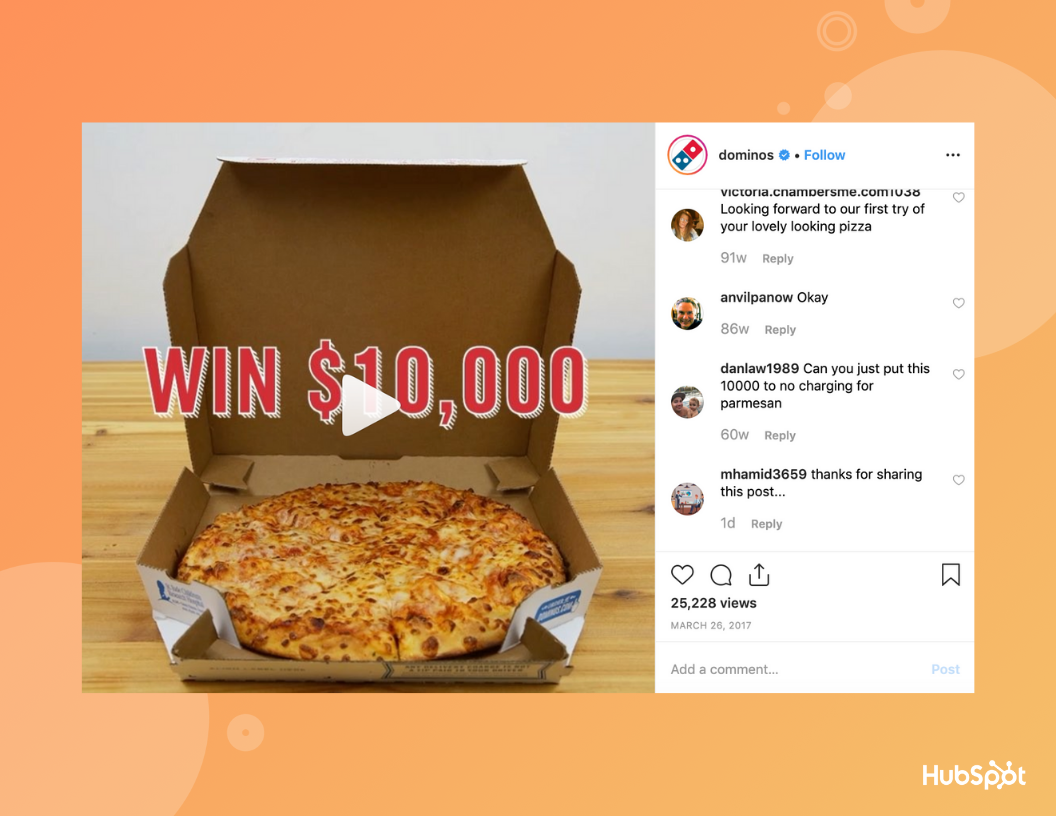
One of the more impressive giveaways in this list, Domino’s offered the chance to win $10,000 for any participant who followed @Dominos, posted a picture to prove they’re a superfan, and used the hashtag #PieceofthePieContest. With simple, clear instructions, I’m willing to bet this was a successful giveaway as followers quickly spread the word about their love for Dominos — and likely incentivized followers to order a pizza from the brand.
2. Ali Fedotowsky
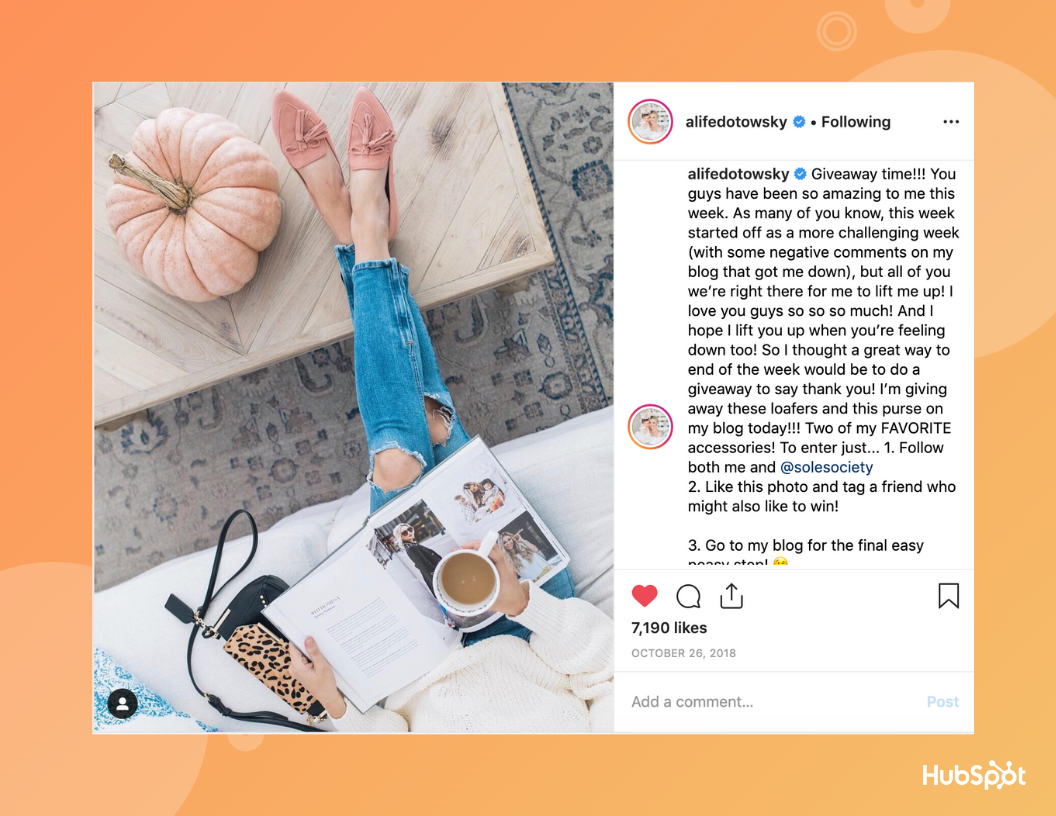
Ali Fedotowsky, a lifestyle and fashion blogger and ex-Bachelorette, partnered with Sole Society to giveaway a pair of loafers and a purse. Since she’s also well-known as an affordable fashion influencer, the partnership makes sense, and likely resulted in new followers for both Ali and Sole Society. Additionally, Ali wisely instructed participants to check out her blog for the final requirement, likely resulting in an up-tick in traffic.
3. Cakesmiths
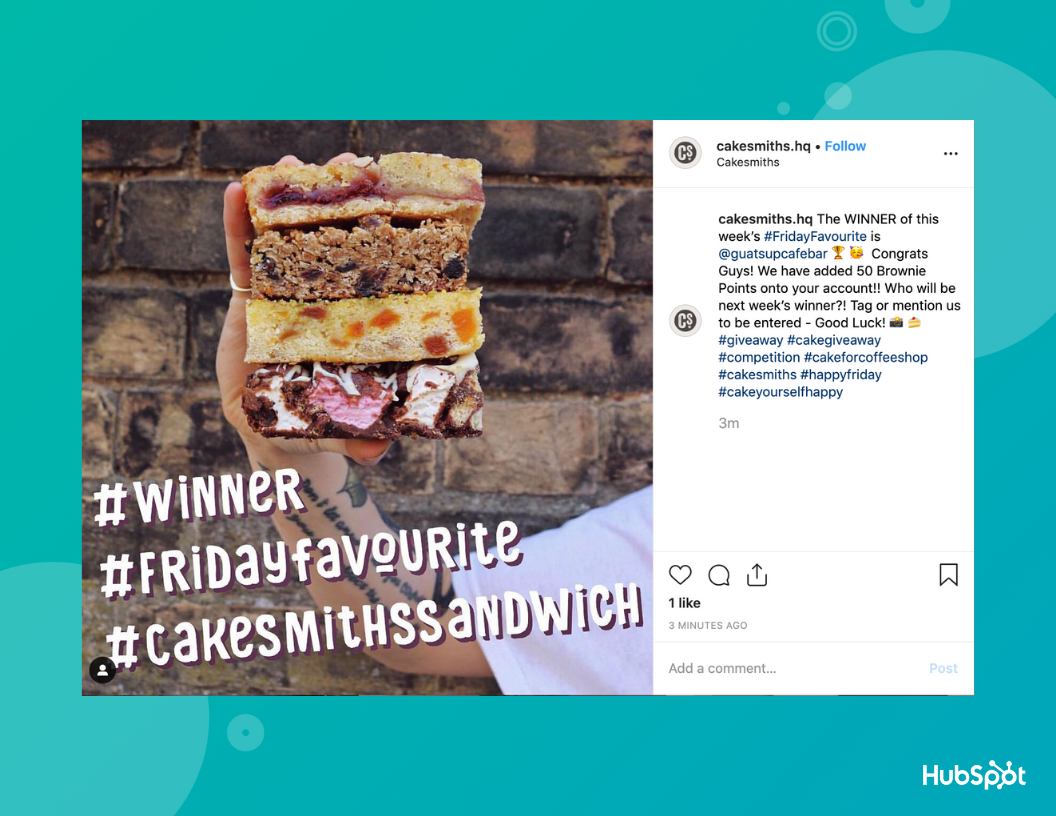
Cakesmiths does a giveaway every Friday and uses the same hashtag, #FridayFavourite, to evoke loyalty and engagement from their Instagram followers. Cakesmiths is proof you don’t need any outrageous prizes for a giveaway — sometimes, a simple treat will do.
4. Dig Local Asheville

Dig Local Asheville partnered with @findyourspiritfest to inspire people to visit distilleries in the local Asheville, N.C. area. This is a good example of how you might use your giveaway to increase awareness and excitement regarding one of your company’s upcoming events.
5. SojoS Vision
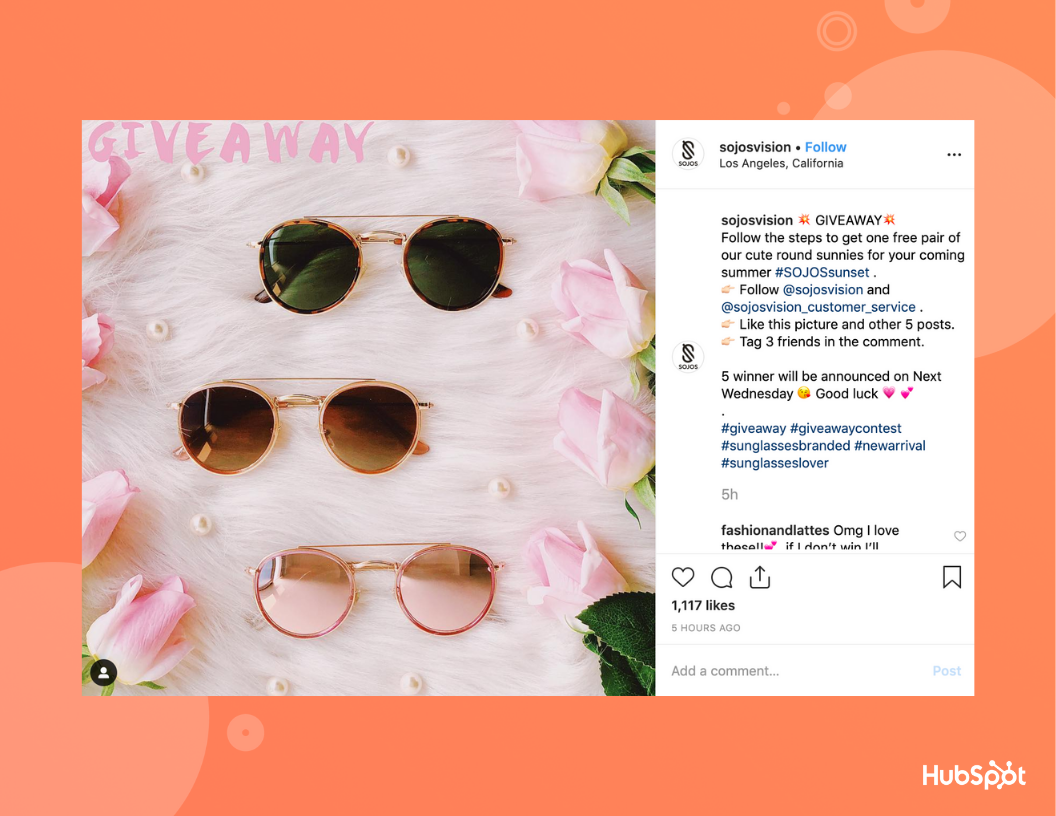
SojoS Vision cleverly asked participants to like six of their photos instead of just one, which likely helped them increase their Instagram engagement rates. Additionally, SojoS included ‘Giveaway’ text at the top of the image — if your followers don’t often stop to read captions, this is a smart way to draw more attention to your giveaway.

How to Improve Your Facebook Group Community
Want to improve the value of your Facebook group? Looking to encourage more meaningful conversations? In this article, you’ll discover five Facebook Groups features you can use to guide engagement and conversations among your members. #1: Use Rules and Moderators to Keep Group Content On-Topic When you set up your Facebook group, it’s important to […]
The post How to Improve Your Facebook Group Community appeared first on Social Media Marketing | Social Media Examiner.
from Social Media Marketing | Social Media Examiner http://bit.ly/2ZezbvJ
via socialmediaexaminer
The 18 Best Advertisements of All Time
I’ve always been a little leery of proclaiming anything “the best.” I never declared anyone my best friend as a kid because I was afraid my other friends might assume I thought less of them.
So it was a little difficult for me to come up with just one “best” advertisement of all time — which is why there are 18 in this post instead.
Why are these campaigns some of the best ads of all time?
Because of the impact they had on the growth of the brand, and because they manage to hit on some universal truth that allows us to remember these campaigns years after they first began. In fact, some of us might not have even been alive when these campaigns first aired.
But to know what makes an advertisement great, you first need to know how an advertisement is defined.
Advertisements
Advertisements are written or visual messages dedicated to promoting a specific product, service, or campaign. Businesses can pay the owner of a channel or platform that reaches a similar audience to broadcast this message. Two of the biggest challenges in advertising are measuring the value of the advertisement and ensuring it resonates with the right people.
As you can imagine, there are numerous types of advertisements — all of which run in different mediums, on different channels, and have different goals in mind for their business. People can advertise anywhere, and today’s best type of ad might not be the best type tomorrow. Here are four basic examples of advertising from the past few centuries (yikes), from earliest to latest.
Types of Advertisements
1. Print Advertising
The first print ad ran in England in 1472, according to Infolinks. Since then, this type of advertising has become available in newspapers, magazines, brochures, billboards, flyers, and similarly portable methods of carrying a brand’s message to its ideal end user. In this ad method, the advertiser pays the publisher to place their ad in the publication.
2. Radio Advertising
Radio advertising dates back to 1920, when the first commercial radio stations were launched in the United States. Today, radio is still a relevant marketing and advertising platform for expanding the reach of a sponsored event or new product. In this ad method, the advertiser pays the radio station to play their ad during designated breaks between music or a radio show.
3. Television Advertising
Television ads originated in the 1940s with the promotion of practical items and political campaigns. Advertisers can now use television to promote food, toys, stores, business services, and more — both to local TV channels and to national broadcast networks. In this ad method, the advertiser pays the regional or national TV network to show their ad during designated breaks in the network’s regular programming.
4. Internet Advertising
Internet advertising took root in the mid 1990s with the launch of “banner” advertisements for various telecommunications companies. These ads are placed in interstitial spots on a webpage. In this ad method, the advertiser pays the website owner to place their ad in exposed spaces that are peripheral to the website’s own content. Internet advertising has gone on to include video, search engine marketing, sponsored social media posts, and more.
But, as you know, the advertising types above have evolved dramatically since their respective origins. What were once quite one-dimensional messages now carry clever, funny, or profound undertones that make the ads memorable years after they first ran.
This blog post is dedicated to the ones we’ll never forget.
And now, without further do, here they are, in no particular order (but feel free to let us know which one is your favorite in the comments): 18 of the best advertisements of all time, and the lessons we can learn from them.
The Best Advertising Campaigns of All Time (And What Made Them Successful)
1. Nike: Just Do It.
Type of ad: Print, Television, Internet
Source: brandchannel
Did you know that, once upon a time, Nike’s product catered almost exclusively to marathon runners? Then, a fitness craze emerged — and the folks in Nike’s marketing department knew they needed to take advantage of it to surpass their main competitor, Reebok. (At the time, Reebok was selling more shoes than Nike). And so, in the late 1980s, Nike created the “Just Do It.” campaign.
It was a hit.
In 1988, Nike sales were at $800 million; by 1998, sales exceeded $9.2 billion. “Just Do It.” was short and sweet, yet encapsulated everything people felt when they were exercising — and people still feel that feeling today. Don’t want to run five miles? Just Do It. Don’t want walk up four flights of stairs? Just Do It. It’s a slogan we can all relate to: the drive to push ourselves beyond our limits.
The Lesson
When you’re trying to decide the best way to present your brand, ask yourself: What problem are you solving for your customers? What solution does your product or service provide? By hitting on that core issue in all of your messaging, you’ll connect with consumers on an emotional level that is hard to ignore.
2. Coke: Share a Coke
Type of ad: Print
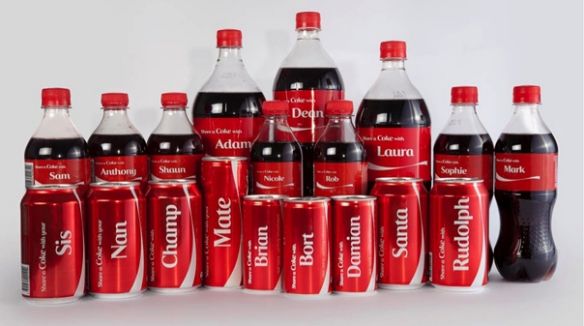
Big brands are often hard-pressed to do something ground-breaking when they’re already so big. So, what did Coca-Cola do to appeal to the masses? They appealed to individuals — by putting their names on each bottle.
The Share a Coke campaign began in Australia in 2011, when Coca-Cola personalized each bottle with the 150 most popular names in the country. Since then, the U.S. has followed suit, printing first names across the front of its bottles and cans in Coke’s branded font. You can even order custom bottles on Coke’s website to request things like nicknames and college logos.
It was a breaking story across the marketing and advertising industry. Many consumers were enchanted by it, while others were confused by it — why make a temporary item so personal? Pepsi even released counter-ads shortly after the campaign launched.
Nonetheless, Coke received immediate attention for it.
The Lesson
Coke fans are regular buyers, and the company leaned into that sense of individual ownership with full force. Wondering what name you’ll get out of the vending machine was a fun thrill in and of itself — even if it isn’t yours, it encourages you to “share a Coke” with whomever’s name is on the front.
3. Absolut Vodka: The Absolut Bottle
Type of ad: Print

Source: Burning Through Journey Blog
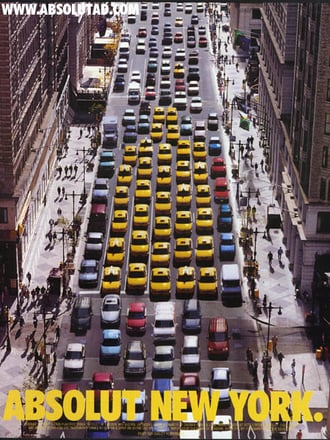
Despite having no distinct shape, Absolut made its bottle the most recognizable bottle in the world. Its campaign, which featured print ads showing bottles “in the wild,” was so successful that they didn’t stop running it for 25 years. It’s the longest uninterrupted ad campaign ever and comprises over 1,500 separate ads. I guess if it ain’t broke, don’t fix it.
When the campaign started, Absolut had a measly 2.5% of the vodka market. When it ended in the late 2000s, Absolut was importing 4.5 million cases per year, or half of all imported vodka in the U.S.
The Lesson
No matter how boring your product looks, it doesn’t mean you can’t tell your story in an interesting way. Let me repeat: Absolut created 1500 ads of one bottle. Be determined and differentiate your product in the same way.
4. Anheuser-Busch: Whassup (1999)
Type of ad: Television
When’s the last time an advertisement literally changed the way we talk to one another? Allow me to answer that question with another question: “Whassup?!”
This series of commercials, which first appeared in late 1999, features a group of friends connecting on a group phone call (we don’t do those much anymore, do we?) while drinking beer and “watching the game” on TV.
It starts gently: “What are you doin’?” Someone asks. “Watching the game, havin’ a Bud” (a Budweiser), someone replies. As more friends pick up the phone, the hilarity ensues: “WHASSUP!?” is yelled back and forth, becoming a classic catchphrase and an icon of beer-drinking culture that ran constantly on sports networks over the next few years.
The Lesson
The ad took pop culture by storm during the Super Bowl in 2000, and you can still hear its echoes today. Why? Anheuser-Busch showed us just how silly and informal an ad can be without ruffling feathers or going off-brand. Dare to celebrate your audience’s absurdities. The more genuine your ad is, the more valuable your product is.
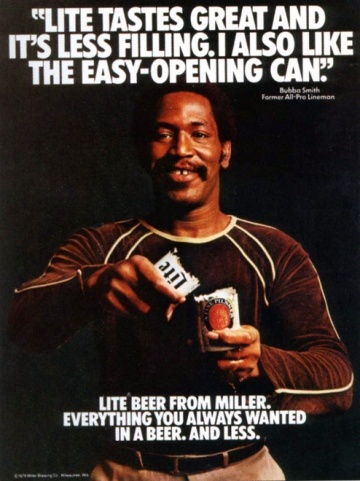
5. Miller Lite: Great Taste, Less Filling (1974)
Type of ad: Print, Television
Source: BuildingPharmaBrands blog
Think it’s easy to create a whole new market for your product? The Miller Brewing Company (now MillerCoors) did just that with the light beer market — and dominated it. The goal of the “Great Taste, Less Filling” campaign was getting “real men” to drink light beer, but they were battling the common misconception that light beer can never actually taste good.
Taking the debate head-on, Miller featured masculine models drinking their light beer and declaring it great tasting.
The Lesson
For decades after this campaign aired, Miller Lite dominated the light beer market it had essentially created. What’s the lesson marketers can learn? Strive to be different. If people tell you there isn’t room for a product, create your own category so you can quickly become the leader.
6. Always: #LikeaGirl (2015)
Type of ad: Television, Internet
My eyes are still wet while writing this blurb.
The Always brand hit a home run with this advertisement, not because it went viral after the commercial ran in the 2015 Super Bowl, but because it was a groundbreaking message that hundreds of millions of people repeated long after the campaign was over.
The campaign began as a commercial explaining the stigma behind playing sports “like a girl” — implying that the boy’s way is better or correct. By the end of the ad, the message is both clear and inspiring: Girls are just as fit and capable as boys are, particularly during puberty — a stage of life that is extremely important to Always and its women’s products.
The message is now a holistic initiative by Always you can learn about here, and a hashtag that’s still used on social media today.
The Lesson
Acknowledge not just your audience, but the challenges they face — especially the ones that reflect your time or culture. Not every societal issue is off limits to marketers and advertisers. Take a stand on the ones you know your audience supports, and you’ll access a customer base that identifies with your passion.
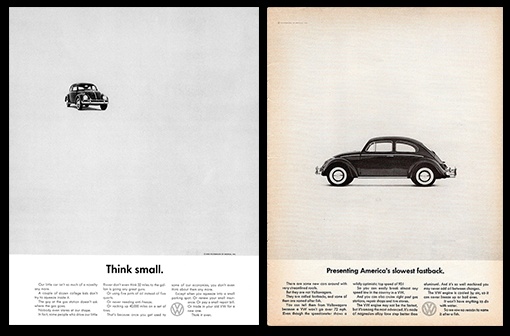
7. Volkswagen: Think Small (1960)
Type of ad: Print
Source: design shack
Many marketing and advertising professionals like to call Volkswagen’s “Think Small” campaign the gold standard. Created in 1960 by a legendary advertising group at Doyle Dane & Bernbach (DDB), the campaign set out to answer one question: How do you change peoples’ perceptions not only about a product, but also about an entire group of people?
See, Americans always had a propensity to buy big American cars — and even 15 years after WWII ended, most Americans were still not buying small German cars. So what did this Volkswagen advertisement do? It played right into the audience’s expectations. You think I’m small? Yeah, I am. They never tried to be something they were not.
The Lesson
That’s the most important takeaway from this campaign: Don’t try to sell your company, product, or service as something it’s not. Consumers recognize and appreciate honesty.
8. Google: Year in Search (2017)
Type of ad: Internet
This isn’t the oldest or most well-known advertisement on our list, but it’s become the most powerful over its nine-year (and still going) existence. So powerful and so true, you forget it’s an advertisement.
Year in Search began in 2009 as “Zeitgeist,” a written report of the public’s most common Google searches over the previous 12 months. The following year, Google adapted it for a three-minute video. Since then, it’s been a bold, yearly reminder of how much we depend on Google for information on the news and events that give the entire world pause. Check out the company’s latest video from 2017 above.
The Lesson
Remind your customers how much you care that they care. These stories elicit a variety of emotions, but ultimately unite everyone — no matter what Google products they might like — through an uplifting message of how our usage of the company reflects the best in all of us.
9. Dos Equis: The Most Interesting Man in the World (2006)
Type of ad: Television, Pre-roll

Source: The Open Field
You know who he is. He smokes Cuban cigars, is always surrounded by beautiful women, and — most importantly — he drinks Dos Equis beer.
A key component of a strong campaign for an indulgent vice — like beer, desserts, or luxury items — is to make it cool. And when it comes to The Most Interesting Man in the World, he’s one of the coolest commercial guys there is.
And at the end of every commercial, he says: “I don’t always drink beer, but when I do, I prefer Dos Equis. Stay thirsty my friends.”
The Lesson
The hilarious hyperbole employed in this campaign makes it memorable the next time viewers head out to buy some beer. And even though Dos Equis recently replaced The Most Interesting Man with a new actor, he is forever immortalized in meme culture and in liquor stores due to this short, sweet, and memorable tagline — and the cool dude vibe it makes viewers harken back to.
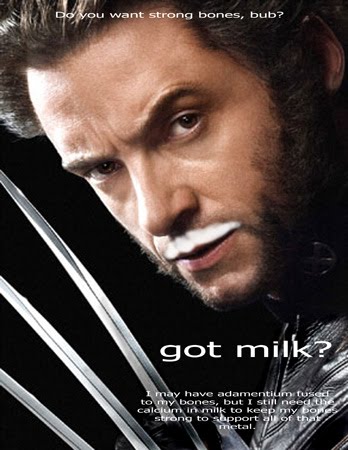
10. California Milk Processor Board: Got Milk? (1993)
Type of ad: Print
Source: Broward Palm Beach New Times
Thanks to the California Milk Processor Board’s “Got Milk?” campaign, milk sales in California rose 7% in just one year. But the impact ran across state borders, and to this day, you still can’t escape the millions of “Got [Fill-in-the-Blank]?” parodies.
Note, though, that the ad didn’t target people who weren’t drinking milk; it instead focused on the consumers who already were.
The Lesson
It’s not always about getting a brand new audience to use your products or services — sometimes, it’s about getting your current audience to appreciate and use your product more often. Turn your audience into advocates, and use marketing and ad content to tell them why they should continue to enjoy the product or service you are already providing for them.
11. Metro Trains: Dumb Ways to Die (2012)
Type of ad: Internet
Yes, you read that right: Dumb Ways to Die.
In Melbourne, Australia, Metro Trains wanted to get across a simple message: No horsing around near train tracks. Disorderly conduct could lead to injuries, or even death, but instead of typical warning signs or announcements inside train stations, Metro Trains came up with Dumb Ways to Die, a song that has garnered 157 million YouTube views since it debuted in 2012.
The song is about dumb ways to die — for example, by poking a grizzly bear with a stick, or taking your helmet off in outer space — and it features a catchy little chorus you won’t be able to stop humming to yourself (because singing it is a little morbid): “Dumb ways to die, so many dumb ways to die.”
At the end of the video, after you’ve watched adorable cartoon characters dying in the dumbest of ways, you get to the moral of the story: There are many dumb ways to die, but the dumbest possible way would be if you died while standing on the edge of a train platform, drove through a railroad sign, or tried to cross over a train track.
The Lesson
This beloved, now-famous campaign communicates a simple idea in a creative and memorable way — and you don’t feel like you’re being nagged, the way some public service announcements do. If your subject matter is grim or boring, consider using creativity to get your message across.
12. Apple: Get a Mac (2006)
Type of ad: Television
While there have been many great Apple campaigns, this one takes the cake. The video above is just one of a series of iterations of this campaign, and the Mac vs. PC debate ended up being one of the most successful campaigns ever for Apple. The company experienced 42% market share growth in its first year with its help. These commercials tell Mac’s audience everything they need to know about the product without being overt — and in a clever way.
The Lesson
Just because your product does some pretty amazing things doesn’t mean you need to hit your audience over the head with it. Instead, explain your product’s benefits in a relatable way so consumers are able to see themselves using it.
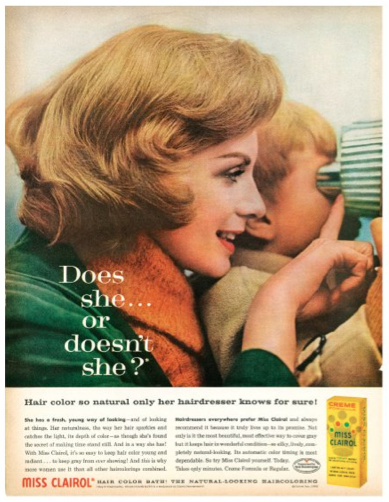
13. Clairol: Does She or Doesn’t She? (1957)
Type of ad: Print
Source: Current360
The first time Clairol asked this question in 1957, the answer was 1 to 15 — as in, only 1 in 15 people were using artificial hair color. Just 11 years later, the answer was 1 of 2, according to TIME Magazine. The campaign was apparently so successful that some states stopped requiring women to denote hair color on their driver’s license. When your ad campaign starts changing things at the DMV, you know you’ve hit a nerve.
Clairol did the opposite of what most marketers would do: They didn’t want every woman on the street running around saying they were using their product. They wanted women to understand that their product was so good that people wouldn’t be able to tell if they were using it or not.
The Lesson
Sometimes, simply conveying how and why your product works is enough for consumers. Showing becomes more effective than telling.
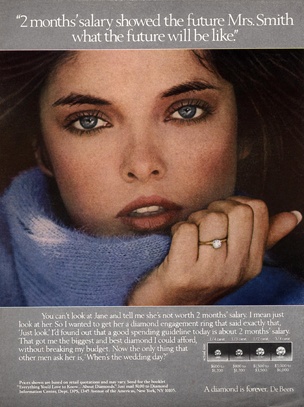
14. De Beers: A Diamond is Forever (1999)
Type of ad: Print, Television
Source: BBC News
In 1999, AdAge declared De Beers’ “A Diamond is Forever” the most memorable slogan of the twentieth century. But the campaign, which proposed (pun very much intended) the idea that no marriage would be complete without a diamond ring, wasn’t just riding on the coattails of an existing industry. De Beers actually built the industry; it presented the idea that a diamond ring was a necessary luxury.
According to the New York Times, N.W. Ayer’s game plan was to “create a situation where almost every person pledging marriage feels compelled to acquire a diamond engagement ring.”
The Lesson
Advertising can make a relatively inexpensive product seem luxurious and essential.
15. Old Spice: The Man Your Man Could Smell Like (2010)
Type of ad: Television

Source: Coloribus
The very first part of Old Spice’s “The Man Your Man Could Smell Like” campaign, created by Wieden + Kennedy and launched in February 2010, was the following commercial. It became a viral success practically overnight:
That video has over 51 million views as of this writing. Several months later, in June 2010, Old Spice followed up with a second commercial featuring the same actor, Isaiah Mustafa. Mustafa quickly became “Old Spice Guy,” a nickname Wieden + Kennedy capitalized on with an interactive video campaign in which Mustafa responded to fans’ comments on Facebook, Twitter, and other social media websites with short, personalized videos.
In about two days, the company had churned out 186 personalized, scripted, and quite funny video responses featuring Mustafa responding to fans online. According to Inc, these videos saw almost 11 million views, and Old Spice gained about 29,000 Facebook fans and 58,000 new Twitter followers.
“We were creating and sending miniature TV commercials back to individual consumers that were personalized, and we were doing it on a rapid-fire basis,” Jason Bagley, creative director at Wieden + Kennedy and a writer for the campaign, told Inc. “No one expects to ask a question and then be responded to. I think that’s where we broke through.”
The Lesson
If you find your campaign’s gained momentum with your fans and followers, do everything you can to keep them engaged while keeping your messaging true to your brand’s voice and image.
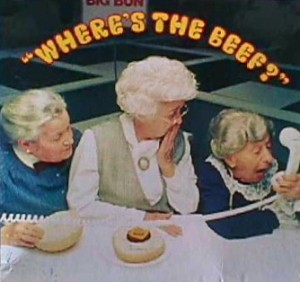
16. Wendy’s: Where’s the Beef? (1984)
Type of ad: Print, Television
Source: AdSoft Direct
Is it enough to say this campaign was successful because it featured a giant hamburger bun and a cute set of old ladies? No? I didn’t think so.
Wendy’s took a more gutsy approach in this advertising campaign: It targeted its competitors. The simple phrase “Where’s the beef?” was used to point out the lack of beef in competitors’ burgers — and it quickly became a catchphrase that encapsulated all that was missing in their audience’s lives.
While you can’t predict when a catchphrase will catch on and when it won’t, Wendy’s (wisely) didn’t over-promote their hit phrase. The campaign only ran for a year, and allowed it to gently run its course.
The Lesson
Be careful with your campaigns’ success and failures. Just because you find something that works doesn’t mean you should keep doing it over and over to the point it’s played out. Allow your company to change and grow, and you may find that you can have even greater success in the future by trying something new.
17. Procter & Gamble: Thank You, Mom (2012)
Type of ad: Television
I’ll give you a minute to dry your eyes after that one.
Seriously — you wouldn’t expect a household and cleaning products company commercial to pull at the heartstrings like that, would you? Lately, though, Procter & Gamble (P&G) has launched some of the best ads we’ve ever seen from the consumer goods industry.
That’s because P&G identified the story behind the story of Olympic athletes — the stories of the supportive moms who pushed these world-class athletes throughout their entire lives leading up to that crowning moment. And yes, they probably had to do a lot of laundry and cleanup along the way — presumably using P&G products.
The Lesson
Make your audience cry (just kidding). The season or time period of your ad is important. But even if you run an ad during the Olympic Games, like P&G did, make sure it has longevity, and a message that can influence people no matter when or where they see it.
Emotional and nostalgia marketing are powerful tactics to get people to make buying choices, so if there’s a bigger, more universal story behind your product or story, tap into it — and showcase it front-and-center.
18. KFC: “FCK” (2018)
Type of ad: Print
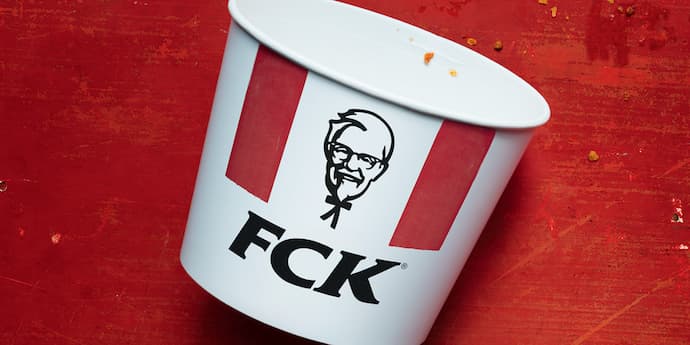
The ad above isn’t just an empty bucket of KFC with the company’s letters jumbled around. It’s also not a normal, unprompted promotion of fried chicken.
This ad is an apology, and perhaps the most creative one of all time.
In February 2018, KFC’s business in the U.K. ran out of chicken. You read that right: A poultry company ran out of poultry. It’s not every day that a business stumbles upon the most ironic PR crisis in company history, so when it happens, all eyes are on the business’s response. Well, we’re happy to report that KFC stuck the landing.
With the help of the creative agency Mother London, KFC took out a full-page ad in Metro, the U.K.’s newspaper, rearranging its three famous initials to create a hilarious albeit explicit response to its product shortage. The ad depicts a KFC bucket that reads, “FCK” — as if to say, “FCK, this is embarrassing.” (You can fill in the missing letter …)
Beneath this design, the company goes on to apologize for what it realizes is an inexcusable, if not slightly funny failure.
The Lesson
No business is above a good old-fashioned sorry. And if you can laugh at yourself in the process, you’ll only make it better. KFC’s ad demonstrates how to combine humility, class, humor, and ultimately company pride in a message that can help you bounce back from bad press — and even come out the other side with a net-positive result for your brand.

New LinkedIn Ad Targeting Audiences
Welcome to this week’s edition of the Social Media Marketing Talk Show, a news show for marketers who want to stay on the leading edge of social media. On this week’s Social Media Marketing Talk Show, we explore the updated Facebook Ad Library and the newest LinkedIn product and ad targeting tools with special guests […]
The post New LinkedIn Ad Targeting Audiences appeared first on Social Media Marketing | Social Media Examiner.
from Social Media Marketing | Social Media Examiner http://bit.ly/2PcdKXO
via socialmediaexaminer
7 of the Best Blogging Platforms for 2019
As a baseball player turned blogger, my blogging platform is just as important to me as my bat was to me. If I went up to the plate with a quality bat that I personally preferred swinging, I would feel more confident, boosting my chances of getting a hit. If I didn’t, I would most likely tap a dribbler back to the pitcher.
Similarly, when blogging eventually replaced baseball in my life, I discovered using a blogging platform I was comfortable with and liked enabled me to produce better work and, in turn, results. If I didn’t, I wouldn’t execute as well.
But, just like baseball bats, there are countless blogging platforms you can use. Fortunately, if you’re looking for one that’s ideal for your specific situation, we’ve got you covered. Read on to find the best-fit blogging platform for your content creation team and start knocking some blog posts out of the park.
Best Blogging Platforms
- HubSpot
- Squarespace
- WordPress
- Wix
- Weebly
- Craft CMS
- Contently
1. HubSpot
G2 Rating: 4.0/5.0 (2,161 Reviews)
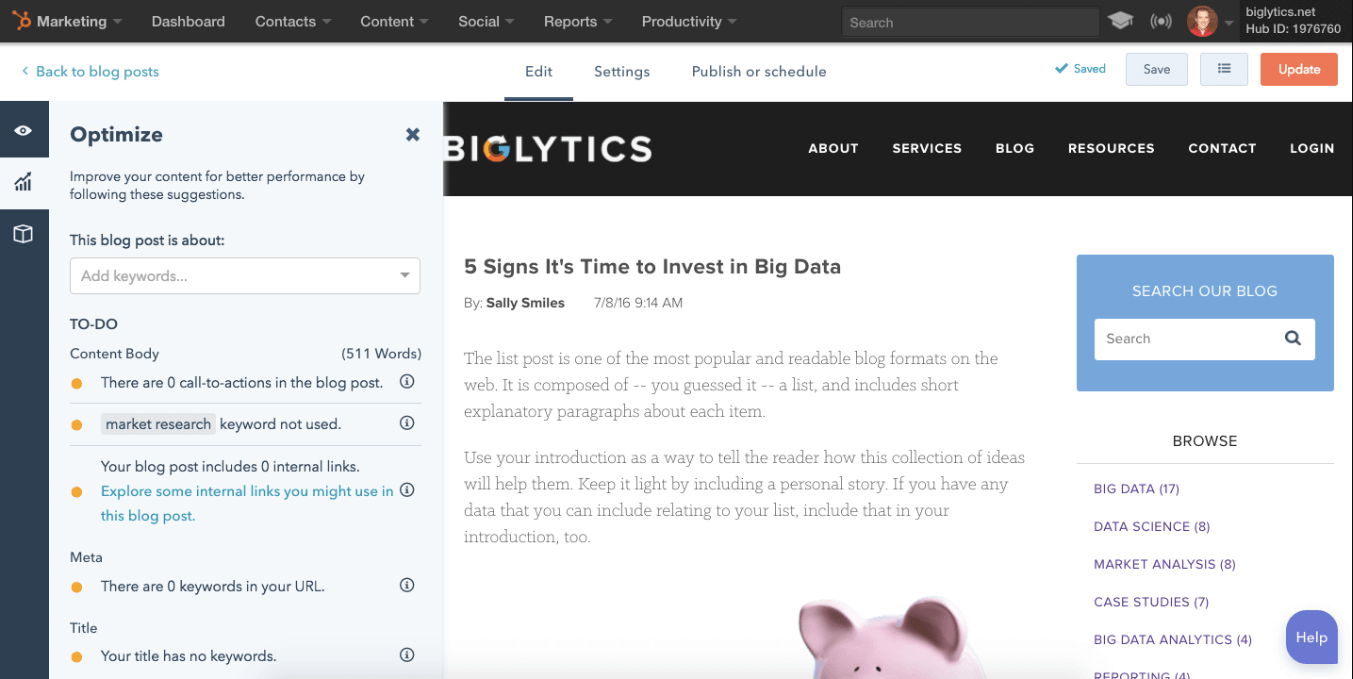 HubSpot offers one of the most robust blogging platforms around. When drafting your blog posts, you can use their composer to craft content from scratch or with one of their pre-made blog post blueprints. You can also integrate your G Suite Account with HubSpot’s blogging platform to import your Google Docs right into their composer.
Additionally, you can edit your blog posts directly in their composer by adding comments, offering feedback, and collaborating with other writers or editors on your team.
After you finish drafting your blog post, HubSpot’s blogging platform features an SEO recommendations checklist and a topic cluster tool that helps you optimize your blog posts for search engines.
You can then schedule your blog posts with HubSpot’s calendar tool, connect to and promote them through your social media accounts and email, and analyze their performance with HubSpot’s analytics tools.
2. Squarespace
G2 Rating: 4.4/5.0 (768 Reviews)
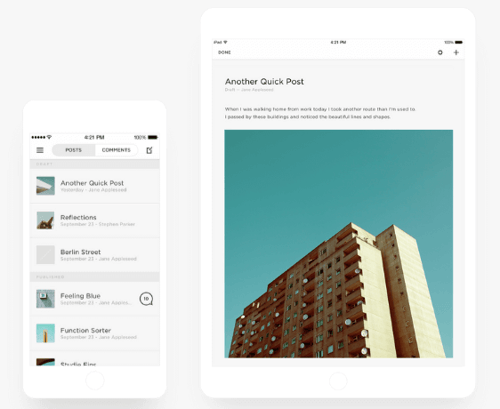 If you want to build a truly beautiful blog, Squarespace is the blogging platform for you. With their award-winning, fully customizable designer templates and integrations with Getty Images, Unsplash, Google AMP, and more, you can improve your content’s design and boost its ability to grab and hold your audience’s attention.
You can also collaborate with multiple writers and editors on your content, integrate and promote your blog with your social media accounts, and manage your blog posts’ comments.
Additionally, Squarespace offers some other robust marketing tools that can help you increase your reach and refine your content strategy, like email campaigns, SEO features, analytics, and lead capture features.
3. WordPress
G2 Rating: 4.3/5.0 (6,808 Reviews)
 Powering over 30% of the websites on the internet, WordPress is one of the most popular blogging platforms out there. If you’re creating a new blog, you can register a domain for your site right on the platform. If you already have a website, you can transfer your current domain to your new WordPress site.
When creating blog content, WordPress offers hundreds of themes that you can customize with your own branding and content. You can also leverage their SEO tools, social media integrations, and sharing tools to amplify your blog posts’ reach.
When it’s time to analyze your blog posts’ performance, WordPress offers metrics and data visualization, like charts and graphs, that’ll help you grasp your readers’ topic preferences and referral source.
4. Wix
G2 Rating: 4.2/5.0 (985 Reviews)
 Wix is one of the most versatile blogging platforms on the market. Whether you own a business or a food review website, Wix has a wide range of templates any blogger can use.
After you’ve picked your blog’s template, Wix lets you write and edit posts on desktop and mobile, organize your posts into topics, display Wix’s stock photos and videos or your own media on your blog posts, and create a community of audience members who can make profiles on your blog and interact with each other.
To promote your blog posts, you can leverage Wix’s SEO tools to boost your organic reach, push your content to your subscribers with their email tool, and connect and share them through your social media accounts. If you want to measure your content’s performance, Wix also offers an advanced analytics tool.
5. Weebly
G2 Rating: 4.2/5.0 (383 Reviews)
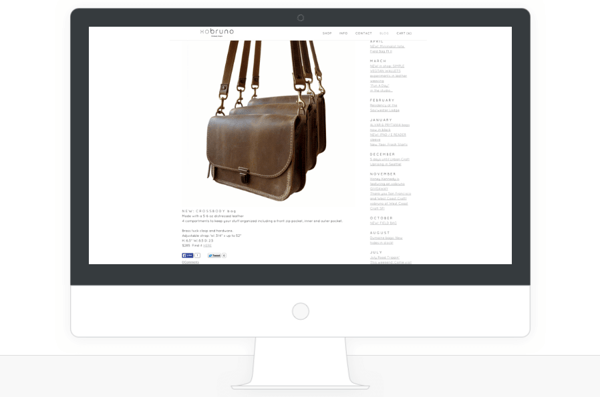 Trusted by over 30 million people across the globe, Weebly is one of the most popular blogging platforms because it’s incredibly intuitive. With their drag and drop editor, free blog templates, completely customizable design, and a wide range of media options and integrations, you can easily create a blog that’s easy on the eyes.
To amplify your blog’s reach, you can leverage Wix’s SEO tools to improve your organic rankings, their RSS feed to update your subscribers with every new blog post you publish, and their social sharing tools to schedule your content on your social media profiles.
6. Craft CMS
G2 Rating: 4.2/5.0 (25 Reviews)
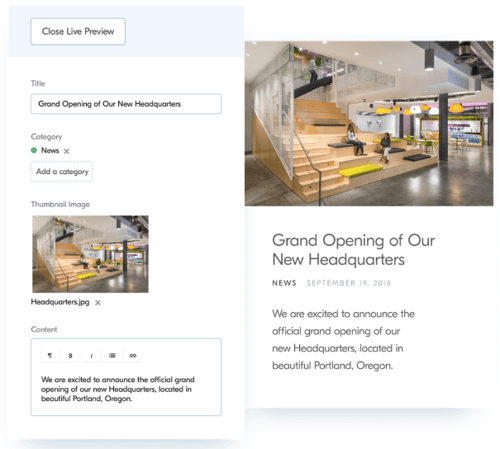 Craft CMS is a blogging platform that lets you completely customize your blog, manage your content, and analyze its performance. With its personalized content modeling, custom control over your blog’s code, and powerful templating, you can build your very own dream blog.
Craft CMS also offers an image editor, collaboration tools, and a localization feature that can translate your content to specific languages. To analyze your content’s performance, you can integrate Craft CMS’ dashboard with Google Analytics.
7. Contently
G2 Rating: 4.0/5.0 (17 Reviews)
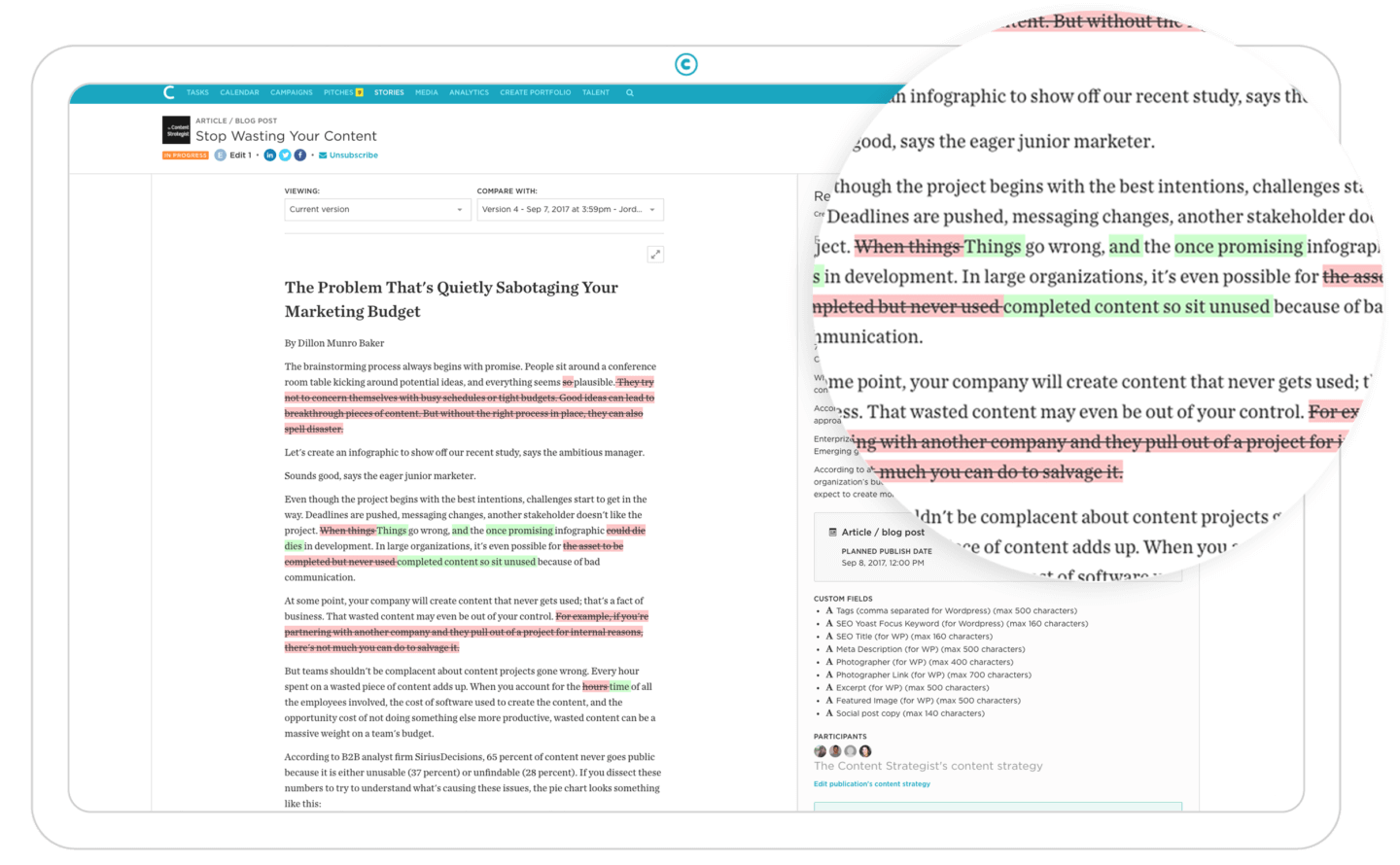 Tailored for enterprise companies, Contently is a robust blogging platform that allows you to run your entire content creation process in one place. To develop your content strategy on Contently, you can organize your blog posts with their tagging tool and flesh out your editorial strategy with their customizable production calendar to.
After that, you can effectively collaborate with your team on projects by commenting on and tagging colleagues in your drafts and leveraging Contently’s advanced workflow tools.
When it’s time to ship your content, you can use their smart content review tools to ensure your content is aligned with your brand, optimized for search, and legally compliant.
If you want to gauge your content’s performance and use that data to refine your content strategy, you can compare your content’s performance against industry benchmarks and measure its performance by topic, format, and sources in the platform.

The 11 Best Marketing Automation Software Tools in 2019
A majority of businesses are using some form of marketing automation nowadays — in fact, studies cite around 51% of businesses currently use the technology, and that number continues to grow.
According to a 2018 Forrester report, 55% of marketing decision-makers plan to increase their spending on technology, with one-fifth of the respondents expecting to increase by 10 percent or more.
All of which is to say — if you’re not using marketing automation software in 2019, you might want to reconsider.
Despite the necessity of automation software, it’s a complicated space, full of different software solutions with various features, and use cases.
Here, we’ve cultivated a list to help you sort through your options and feel confident choosing the best marketing solution for you and your team.

The 11 Best Marketing Automation Software in 2019
- HubSpot Marketing Automation
- Ontraport
- SendinBlue
- ActiveCampaign
- Prospect.io
- InfusionSoft
- Autopilot
- Marketo
- GetResponse
- Drip
- Mautic
1. HubSpot Marketing Automation
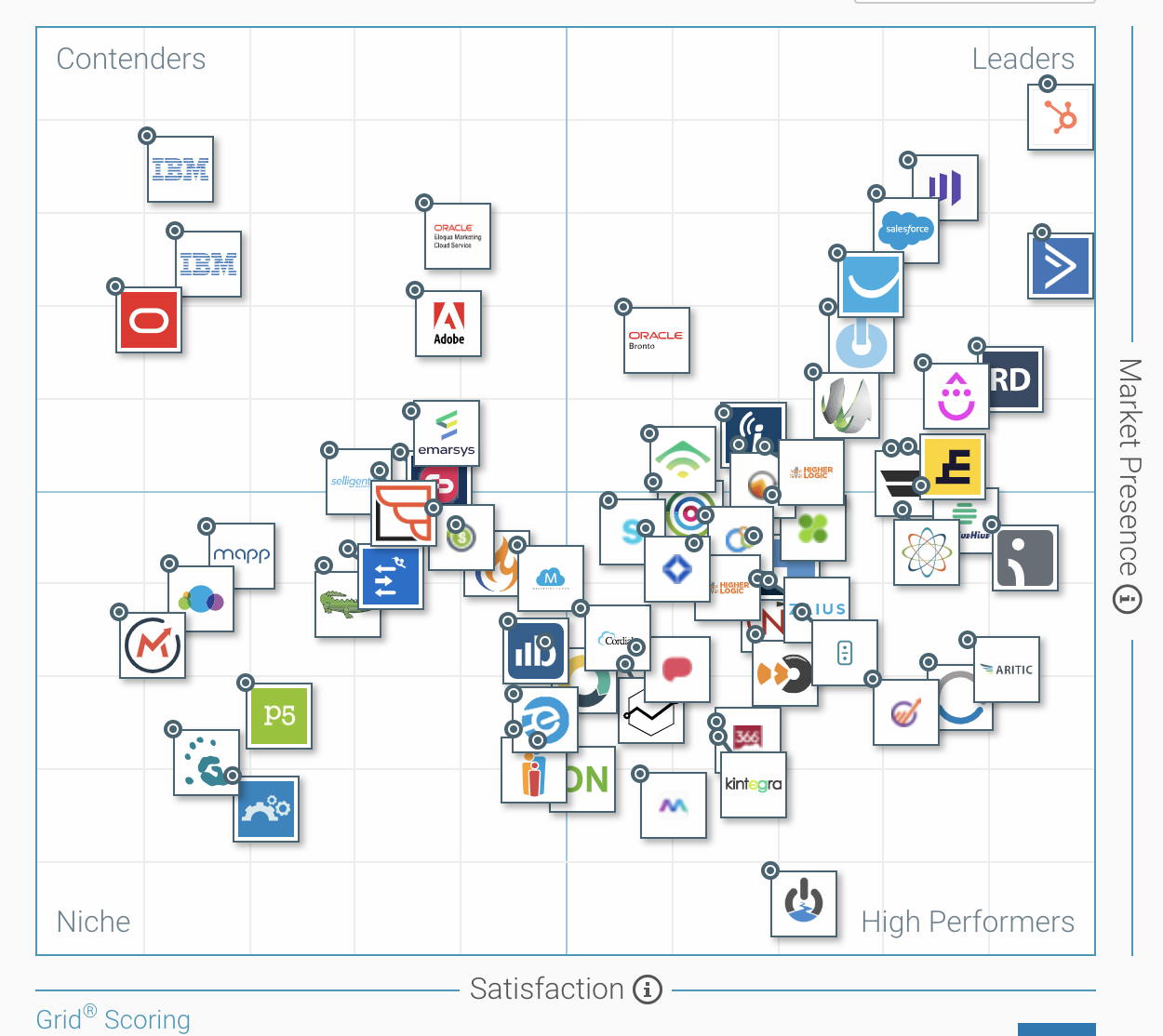
HubSpot’s marketing automation functionality is one of the most powerful tools in this list in terms of features. It’s also one of the most popular in terms of customer sentiment, occupying the upper right portion of the G2 Crowd quadrant:
Of course, HubSpot has a full growth suite that includes sales software, marketing software, and support software, which all integrate automatically with HubSpot’s free CRM. The combination effect of having all of your data and growth activity in one place can unleash tons of creative automation possibilities that would be difficult or impossible if you use separate tools.
As a standalone, HubSpot’s marketing automation functionality includes an easy-to-use visual board where you can craft simple or highly sophisticated conditional workflows:
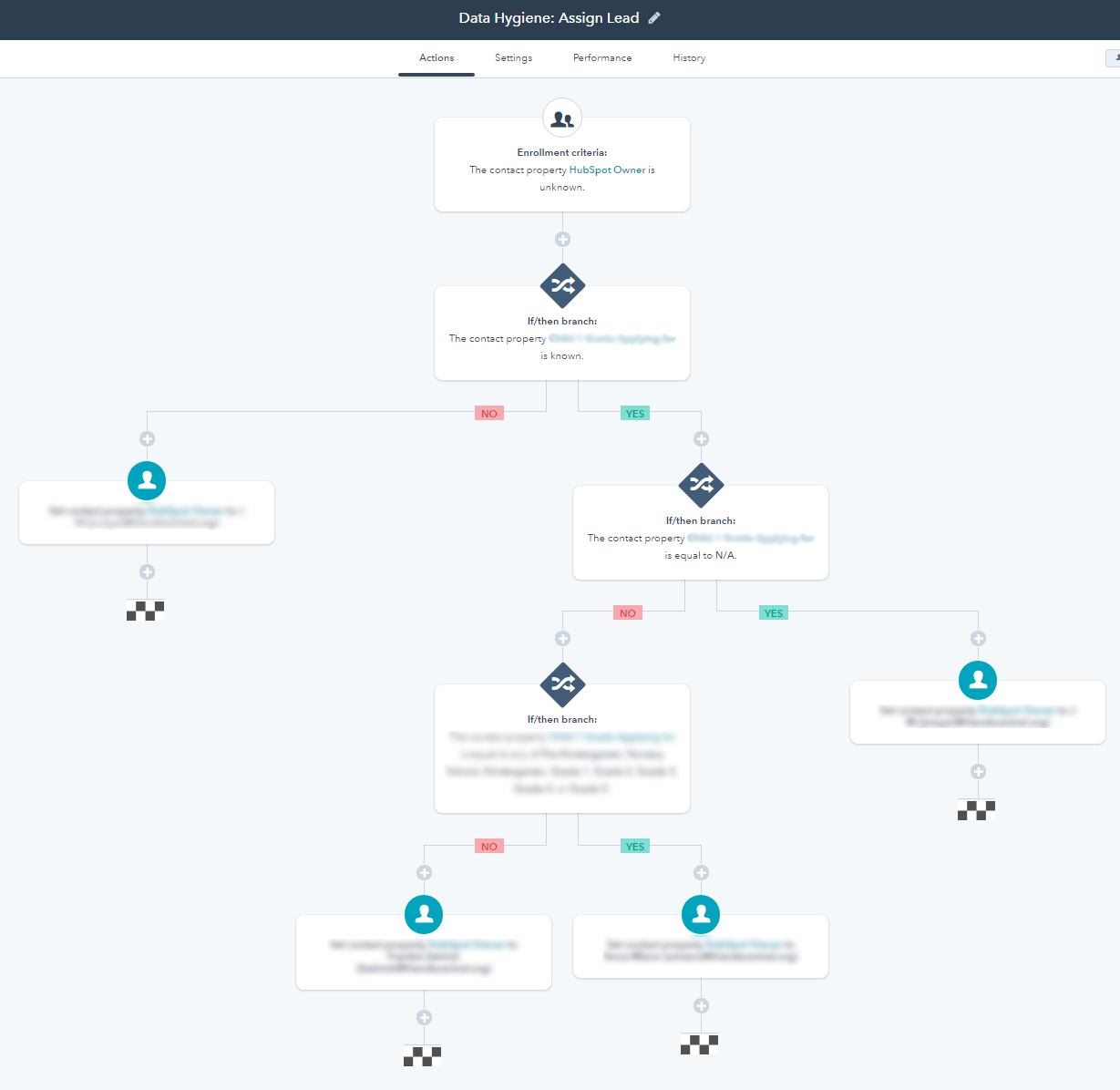
It can take time to master the tool (you’ll scale-up more quickly with the help of HubSpot Academy), but once you get a grasp on it, the creative possibilities are endless. You can set up simple email list autoresponders, or build a smart and complex network of rules designed to target specific users with the exact right email, live chat, website experience, and more.
Basically, the workflows tool is automation beyond email, so you can scale your growth and spend less time on repetitive tasks.
2. Ontraport
Ontraport is a business automation software for entrepreneurs, solopreneurs, and small businesses.
While they have a CRM and marketing automation functionality, they also have several other features to run and grow a small business, including but not limited to:
- Email marketing
- Landing pages
- Reporting
- Ecommerce
One of the most valuable things Ontraport offers is their focus on reporting and insights. While some tools can be a bit of a black box, Ontraport gives you a clear look at the performance of your campaigns.
3. SendinBlue
SendInBlue started as a digital agency but ended up building quite a powerful email marketing tool, which, with time, transformed into a well-liked marketing automation software.
They have some advanced features, such as their reporting and lead scoring. Additionally, SendinBlue offers a pretty impressive free plan, which includes basic marketing automation functionality, phone support, and up to 300 emails per day.
You can also run SMS campaigns from SendInBlue.
4. ActiveCampaign
ActiveCampaign is an integrated email marketing, marketing automation, and small business CRM.
The strongest point of ActiveCampaign is their powerful and flexible marketing automation functionality. It’s one of the most comprehensive solutions on the market. Their deliverability is rated as one of the top on the market, as well.
This probably isn’t a good tool for beginners, or those with low technical capabilities. It takes a bit more time and effort to learn — but when you do learn the platform, it’s pretty powerful.
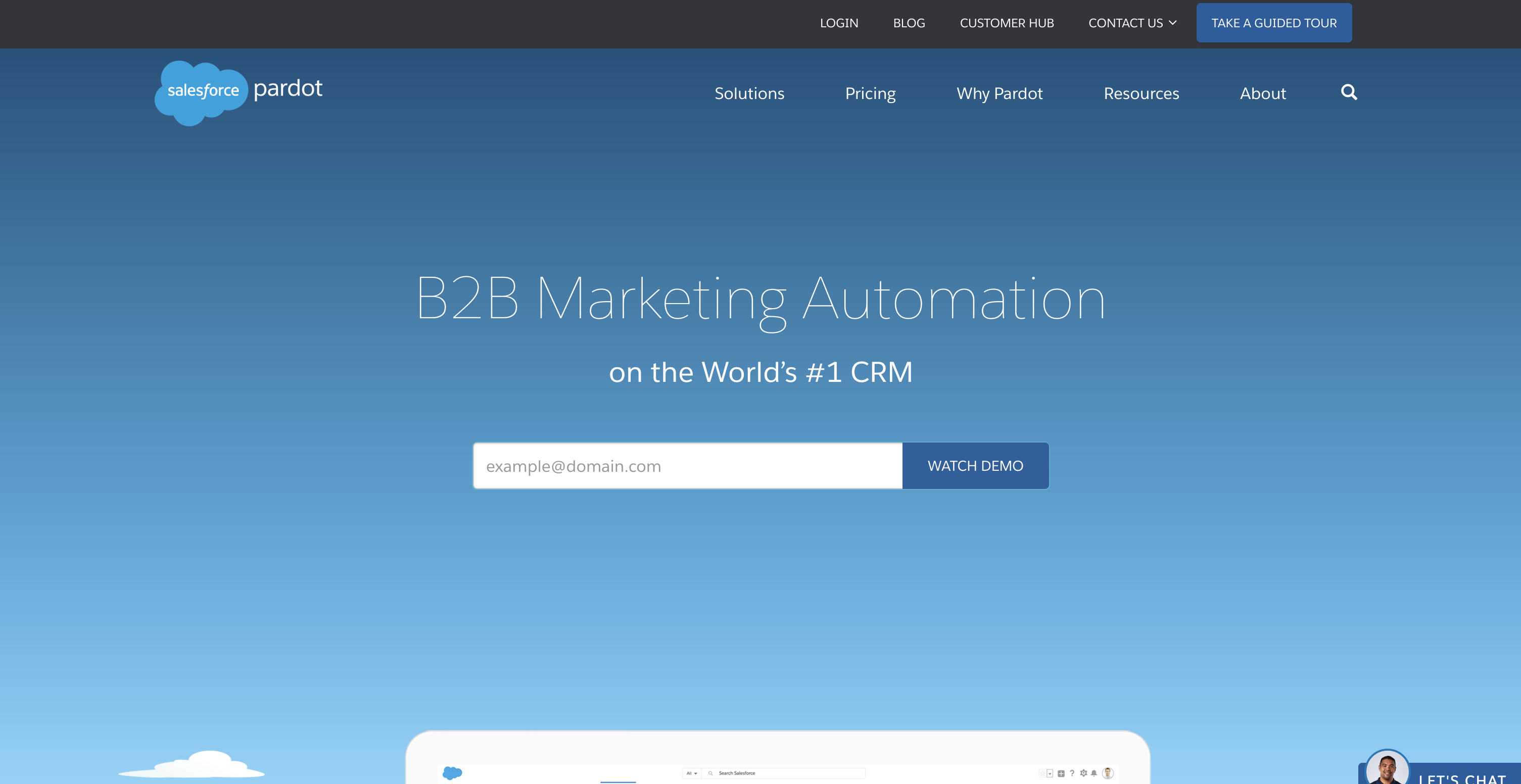
5. Pardot
Pardot, part of the SalesForce empire, is a powerful cloud automation solution that mostly serves enterprise clients that have the technical resources and time to learn the platform.
They have a ton of powerful features, from CRM integration to email marketing, lead nurturing, lead scoring, and a valuable ROI reporting functionality to make sure your campaigns are working.
You can track all interactions on your website and build predictive lead scoring based on the parameters you set. All of this helps improve marketing efficiency and remove wasted time and effort from your sales team.
It’s important to note, Pardot is a powerful enterprise but may not be as accessible or affordable for smaller businesses, or entrepreneurs.
6. InfusionSoft
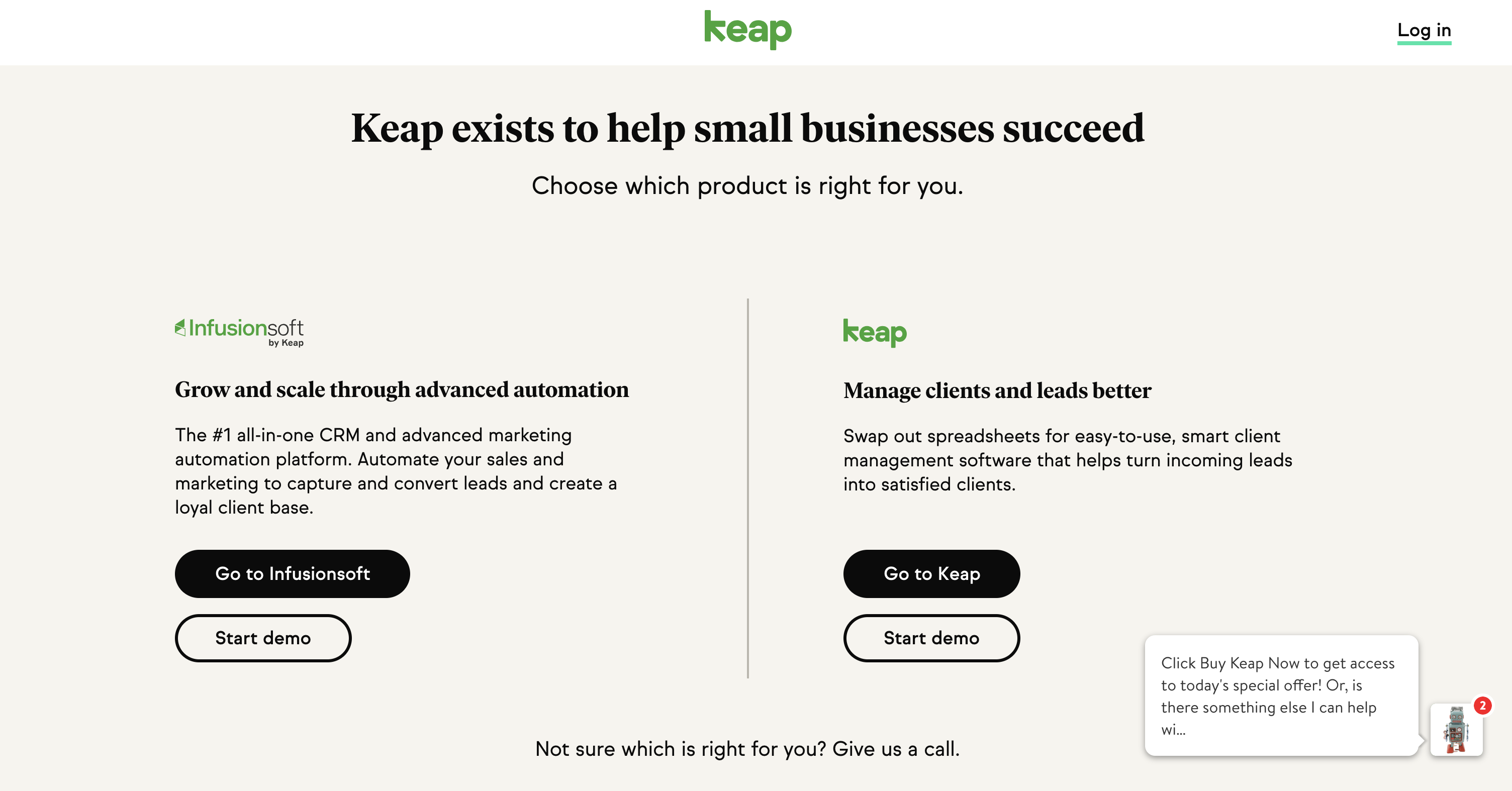
InfusionSoft (now Keap) has been around for a while (15+ years, I believe) and has helped thousands of marketers deliver on leads, revenue, and customer acquisition targets.
They really flourish in the small business and solopreneur crowd, and in my experience, I’ve noticed they have a pretty sophisticated user base.
You can set up relatively complex decision trees depending on which lead magnet someone signs up for, how many (and which) emails they open and click, or other contact property data.
7. Autopilot
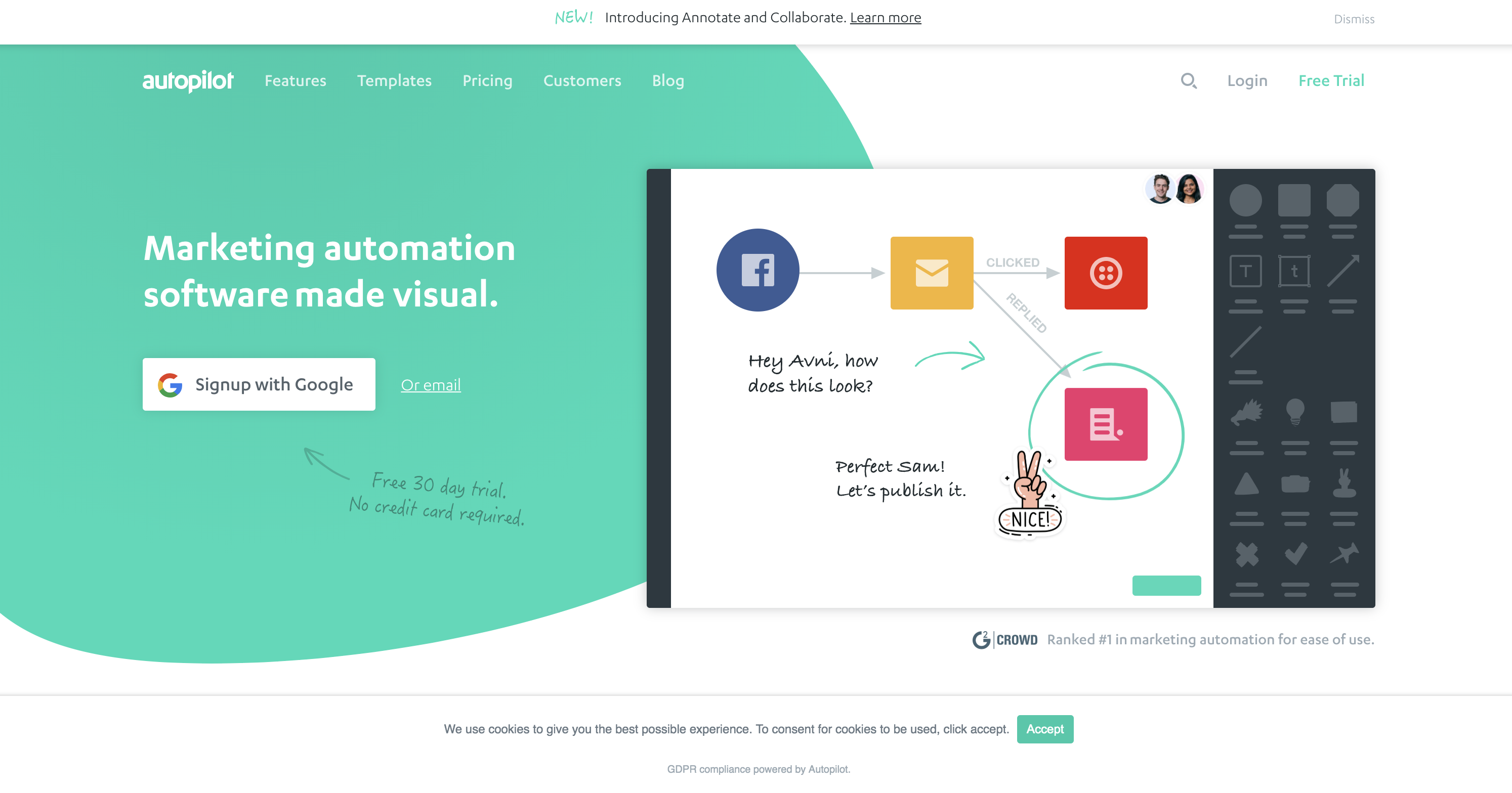
Autopilot is one of the most visually appealing marketing automation solutions on the market.
They make an email marketing, messaging, and automation platform, and they bill themselves as the easiest marketing automation platform to use. As mentioned above, their visual editor is clean, easy-to-understand, and frankly fun to use.
Of course, their platform is typically used for more sophisticated messaging and targeting, but you can also create a simple autoresponder based on a time-sequence.
8. Marketo
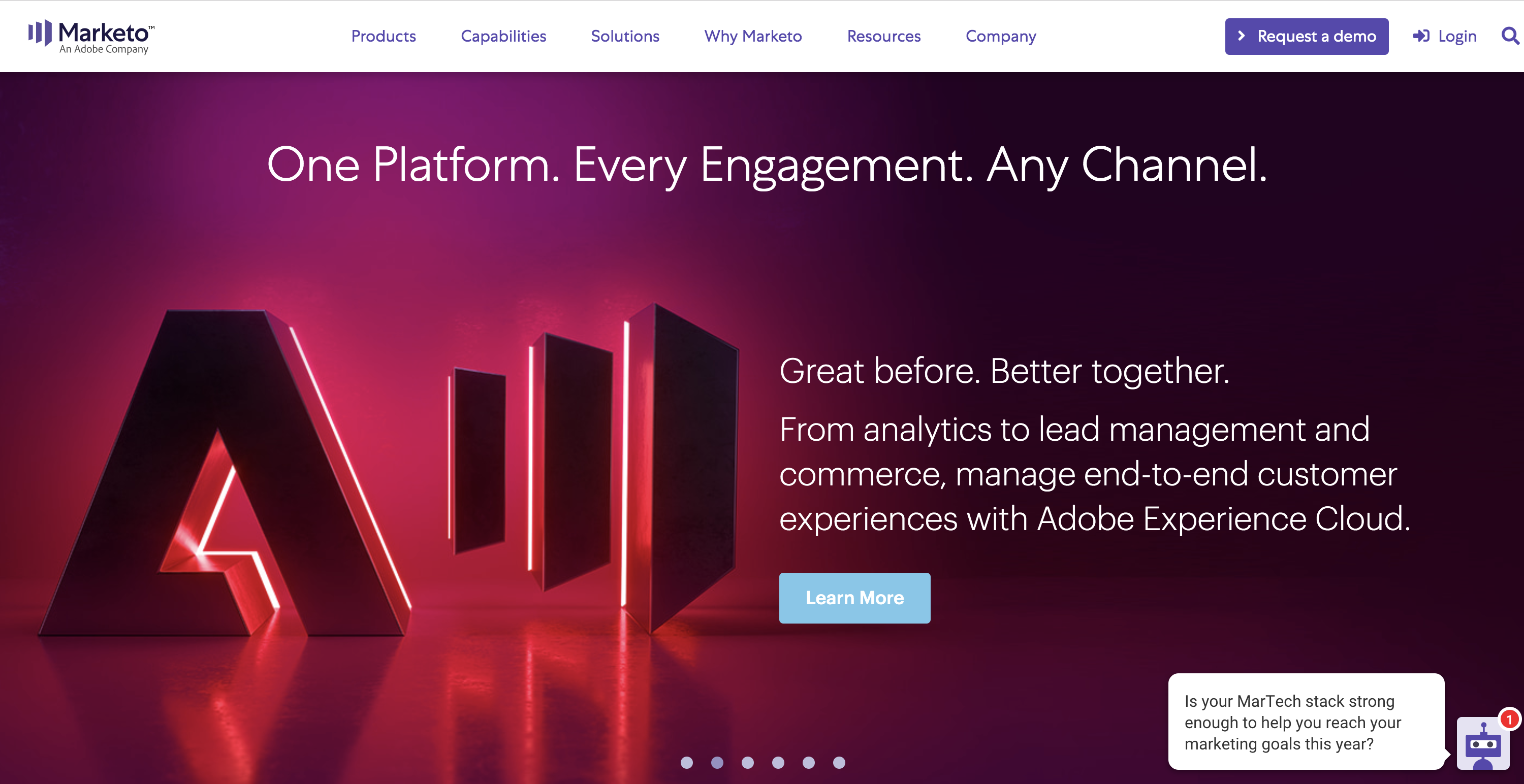
Marketo has been around for a while, and was recently acquired by Adobe and incorporated into their enterprise marketing cloud.
The Adobe integration means that, if you use Adobe Analytics for data measurement and Adobe Target for experimentation and personalization, you’ll have a powerful enterprise marketing automation and optimization suite.
However, the tool is typically geared towards enterprise customers — it’s a bit out of range for most small business owners.
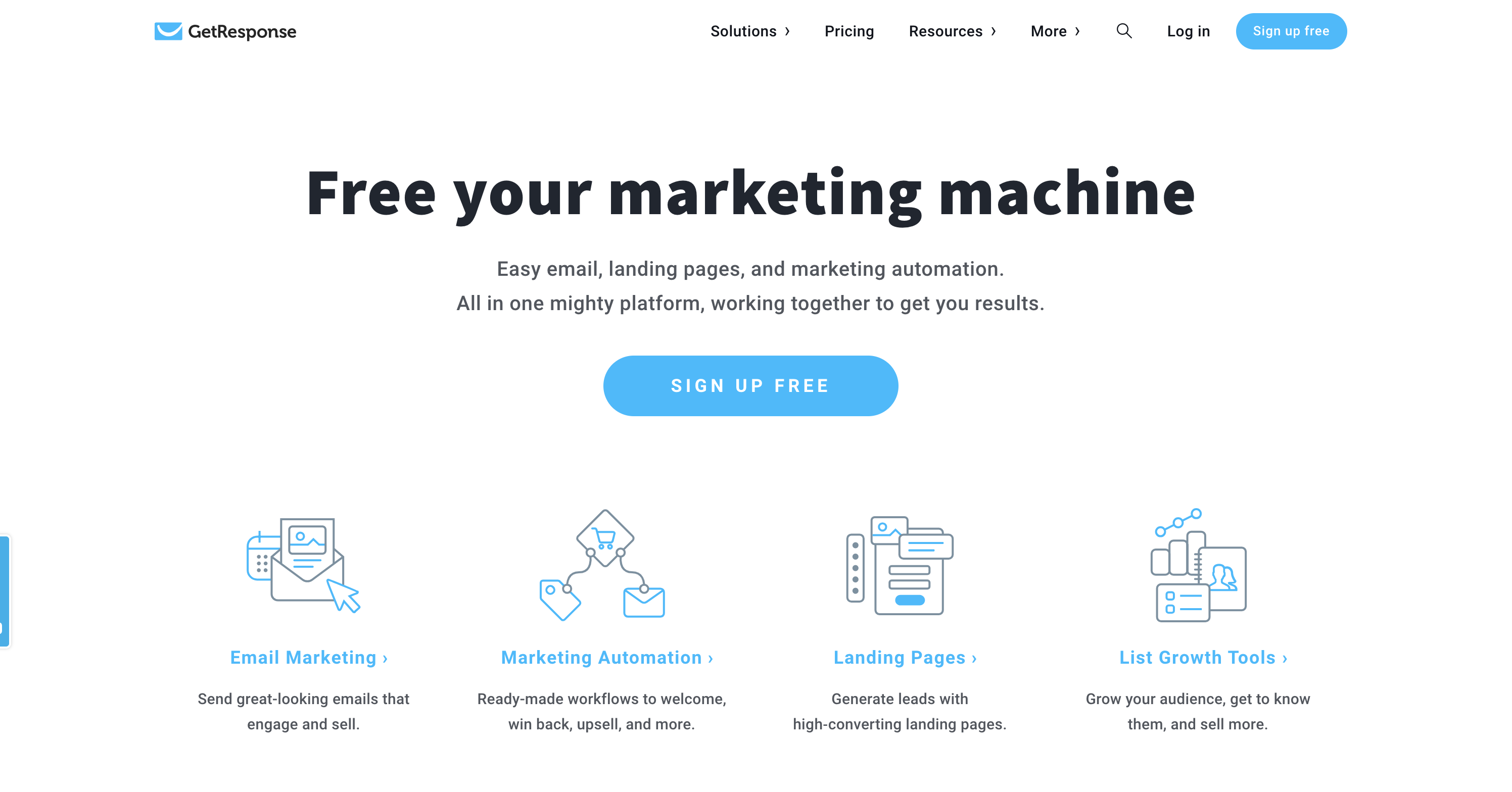
9. GetResponse
GetResponse is a marketing automation software that has many different layers and features. They start out very affordably, at around $10 per month (which includes basic autoresponders and a list size of 1,000), but their more expensive plans include powerful features like:
- Email marketing
- CRM
- Landing pages
- Autoresponders
- Ecommerce tools
- List building tools
GetResponse is easy-to-use and you’ll typically find good results from the tool, although it works best with the simpler features, like email newsletters. It can become trickier to work with the platform if you plan on implementing complicated conditional logic and marketing automation.
10. Drip
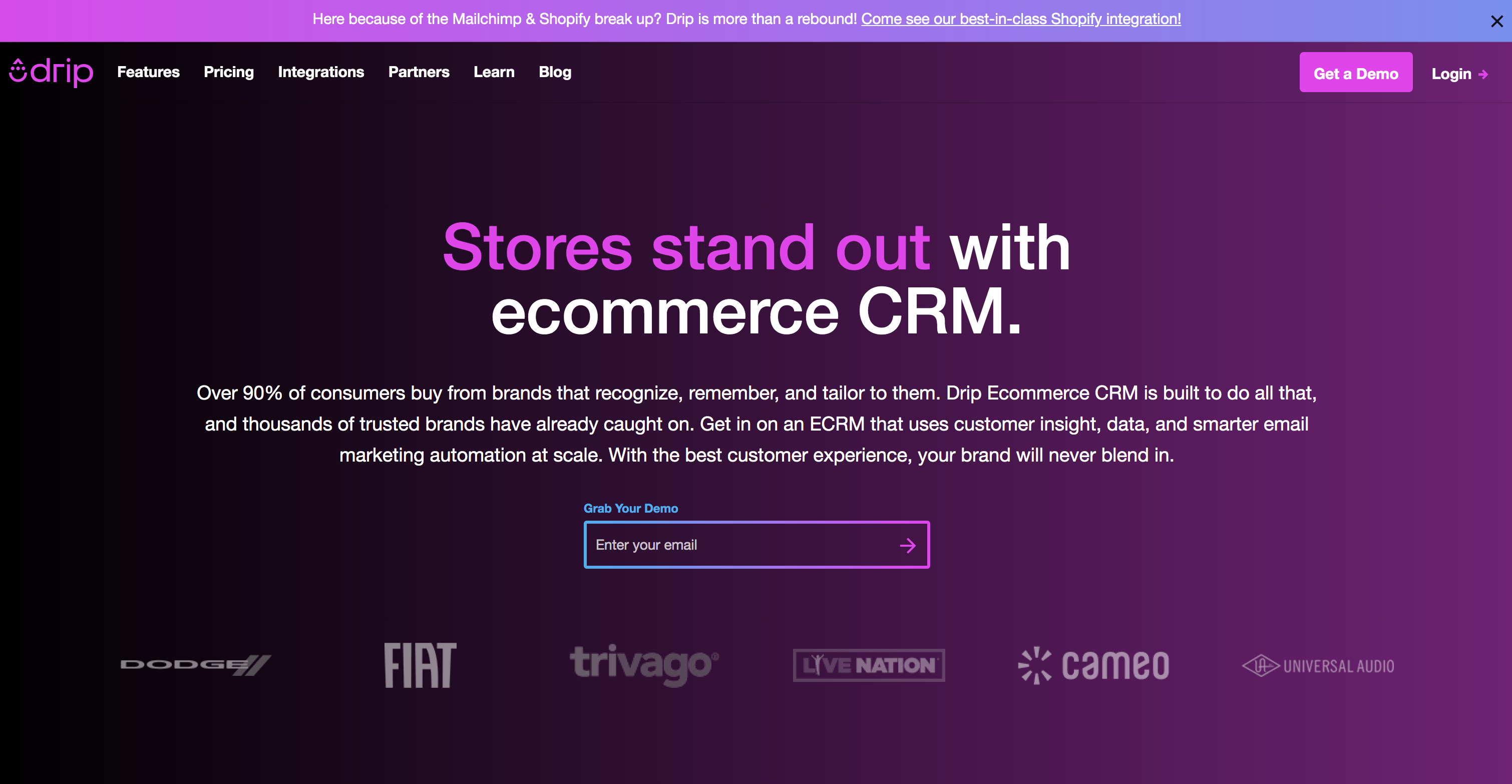
Drip is one of the few marketing automation tools in this list that is primarily focused on e-commerce marketing automation. They provide one of the more “open” platforms, claiming that they play well with “pretty much any marketing strategy you want to put in motion.”
Additionally, email is one of their strengths. Some email marketing and automation features include:
- Email Builders
- Automation Workflows
- Multi-channel Marketing
- Email Campaigns
- One-off Emails
They also excel in personalization and analytics. Overall, Drip is a powerful tool for e-commerce marketing automation.
11. Mautic
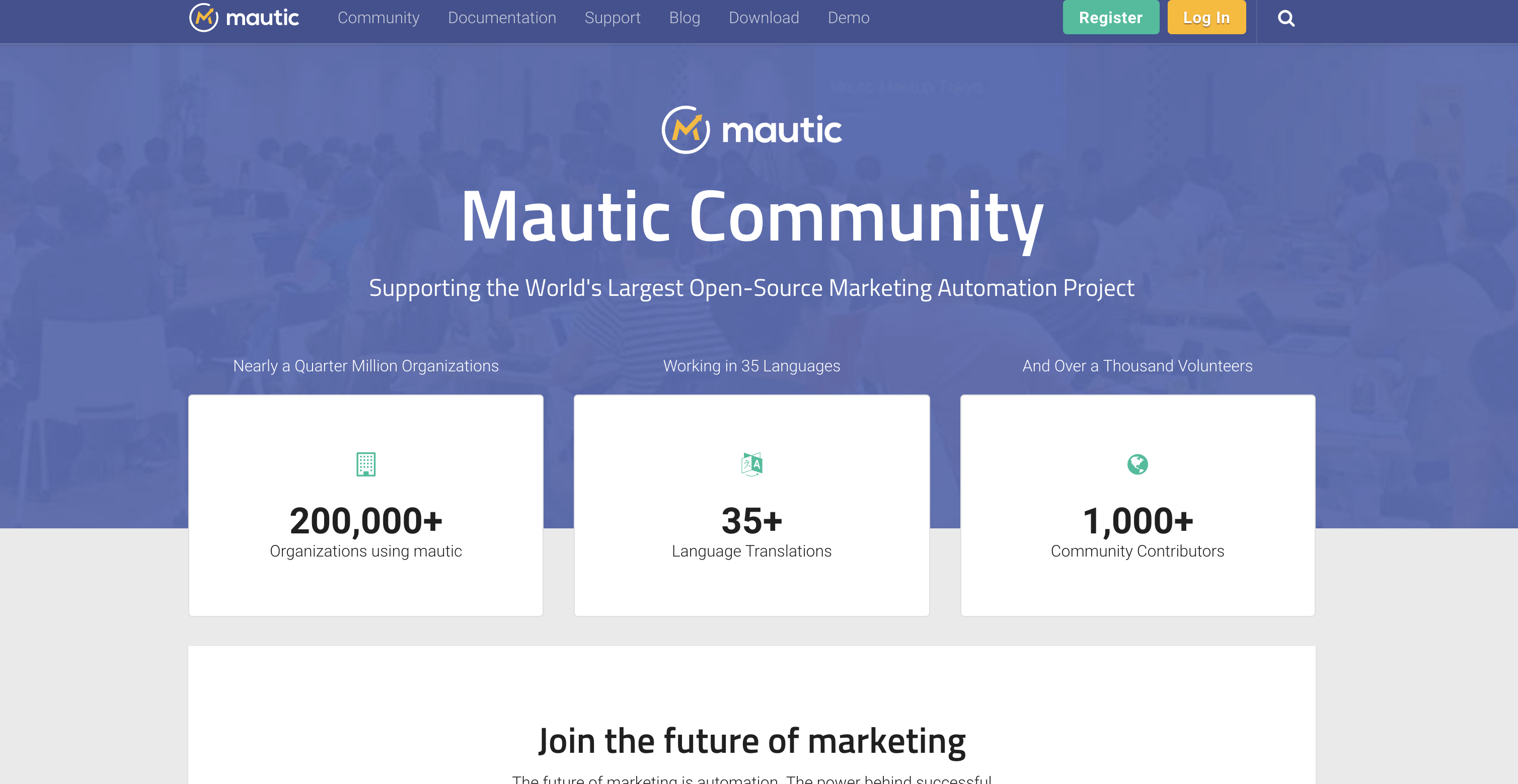
Mautic is the only open-source marketing automation platform in this list. It’s also a relatively new player, only founded in 2014. They’ve grown quickly, though, and are seemingly picking up steam with high tech companies.
Currently, over 200,000 organizations use Mautic.
There are tons of options for marketing automation software. It’s all about choosing the right one for your business purposes, budget, and technical expertise.
Want something incredibly powerful and limitless? It may end up costing more, and taking time and effort to learn. The cheaper options, by comparison, might have too limited a scale. Ultimately, it’s a trade-off.
Whatever you end up choosing, I’d be remiss to neglect suggesting you check out HubSpot, or at least start with one of our free marketing tools.

The Plain-English Guide to Data Deduplication
Nowadays, with so much critical information saved on our computer systems, we’ve learned to backup data regularly — including our email inboxes, our Word documents, our photos, and entire folders of old work.
It’s typically a ton of data. And, since we usually backup and save our data on auto-pilot, we might not realize just how much has been re-copied and re-saved, time and time again.
Unfortunately, over time, our data storage becomes unnecessarily burdened with redundant copies of data — this could cost your company money, as data requirements become larger, or time, as processing time becomes slower.
This is where data deduplication comes in.
What is data deduplication?
Data deduplication is the process of eliminating redundant copies of data and reducing processing time for a software system. Every time you backup your software system, you’re copying and storing large data sets. After a while, this requires an unmanageably large amount of data storage. Data deduplication optimizes your data storage by ensuring only one unique instance of data is copied and stored.
Andrew Le, an IT Helpdesk Technician at HubSpot, further explains the importance of data deduplication for a business looking to grow — “[Data deduplication] really improves scaling and efficiency when pulling data from one source. If you have lots of the same data in different spaces, your entire system can be slowed down.”
To ensure you’re optimizing your data backup storage, we’ve cultivated a list of the best data deduplication software you can use to minimize unnecessary data copies, today.
Data Deduplication Software
1. HubSpot’s Deduplication Feature
If you use HubSpot’s CRM to manage your contacts, you’ll be impressed to find out you can also use HubSpot’s machine learning-powered deduplication feature to keep your contact database clean. HubSpot contacts can be deduplicated by a usertoken set with a cookie in their web browser or email address — additionally, contacts, companies, deals, and tickets can be deduplicated using a unique object ID.
2. Barracuda Backup Deduplication
With a 9.1 user rating out of 10 on TrustRadius, Barracuda Backup is a good option, offering a robust, secure, fully-integrated data deduplication solution. Their tool can help your business reduce bandwidth requirements and backup costs. Additionally, Barracuda is a good option if your business needs to protect multiple sites, since its cloud storage technology helps distributed networks stay protected.
3. Avamar
Avamar, a solution from Dell EMC, provides variable-length deduplication, which reduces backup time by only storing unique daily changes while simultaneously maintaining daily backups. Avamar is an efficient, secure option and is particularly useful for virtual environments, remote offices, and enterprise applications.
4. HPE StoreOnce
HPE StoreOnce, a solution from Hewlett-Packard Enterprise, offers disk-based backup, deduplication, and secure long-term data storage. Their deduplication software is equipped for virtual backup machines in small remote offices, and equally capable of handling high-performance dedicated applications for larger businesses. Ultimately, this is an impressive tool to help you keep your data secure and efficient as you scale-up.
5. Exagrid EX Series
Exagrid implements a highly efficient approach to data deduplicaton that allows six times the backup performance, and up to 20 times the restore and VM boot performance. With Exagrid, you can backup your data straight onto a disk without inline deduplication processing, enabling a shorter backup window.

The Ultimate List of Marketing Quotes for Digital Inspiration
“Success is making those who believed in you look brilliant.”
This is one of my favorite quotes in regards to my job at HubSpot. It inspires and motivates my work and, no matter my mood, I find it to be an uplifting message to ponder and drive my performance. Not to mention, it’s a quote from (and often repeated by) one of our co-founders, Dharmesh Shah.
There is an endless number of quotes and phrases people use for inspiration at work, in their personal lives and relationships, and to drive community efforts. There are even industry-specific quotes — the marketing industry is no exception.
Why use marketing quotes?
Whether it’s a generic marketing quote to inspire your team, a content marketing quote to provoke discussion about one of your strategies, or an inspirational marketing quote to fuel your approach to a project, there’s a quote to help guide you and your team achieve your goals.
The abundance of marketing quotes include content marketing quotes, famous marketing quotes, branding marketing quotes, inspirational marketing quotes, storytelling marketing quotes, social media marketing quotes, and digital marketing quotes.
We’ve curated this list of our favorite ten quotes within each of these eight categories to inspire you. As a bonus, each section also includes at least one quote from a HubSpot employee who’s considered an expert in their field.
Let’s dive in.
The following marketing quotes are universal — meaning, no matter the type of marketing you do or the type of business you work for, they’re here to help guide you and your team towards success.
Content Marketing Quotes
The following quotes provide new ways for you and your team members to approach the creation, publication, and distribution of your content and ideas — no matter the products or services your company produces and sells.
Check out our Content Marketing Strategy: A Comprehensive Guide for Modern Marketers to learn more about content marketing for your business.
- “When it comes to content, the best marketers know that self-promotion is good!” — Kieran Flanagan, VP Marketing, HubSpot
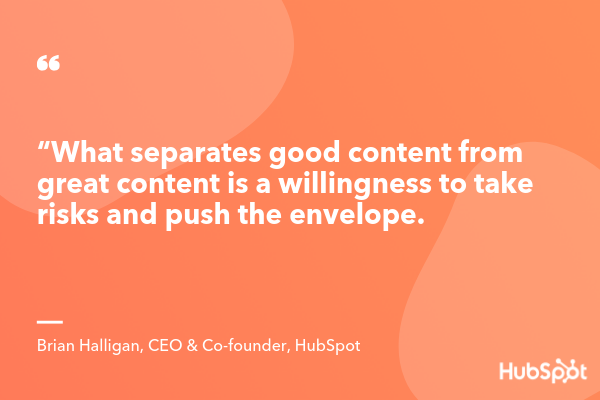
- “What separates good content from great content is a willingness to take risks and push the envelope.” — Brian Halligan, CEO & Co-founder, HubSpot
- “Quality content means content that is packed with clear utility and is brimming with inspiration, and it has relentless empathy for the audience.” — Ann Handley, CCO, MarketingProfs
- “Marketing is telling the world you’re a rock star. Content Marketing is showing the world you are one.” —Robert Rose, Chief Strategy Officer, The Content Advisory
- “Content marketing is really like a first date. If all you do is talk about yourself, there won’t be a second date.” – David Beebe, Founder & CEO, Storified Hospitality Group
- “Focus on the core problem your business solves and put out lots of content and enthusiasm and ideas about how to solve that problem.” — Laura Fitton, INBOUND & Influencer Relations, HubSpot
- “Content builds relationships. Relationships are built on trust. Trust drives revenue.” — Andrew Davis, Author & Keynote Speaker, Monumental Shift
- “Content marketing is the gap between what brands produce and what consumers actually want.” — Michael Brenner, CEO, Marketing Insider Group
- “One of the best ways to sabotage your content is to not tie it to your goals. Know why you’re creating content.” — Ellen Gomes Sr. Content Marketing Manager, Glint Inc.
- “There are three objectives for content marketing: reach, engagement, conversion. Define key metrics for each.” — Michael Brenner, CEO, Marketing Insider Group
Sometimes, you might want to lean on the words and experiences that a successful person you admire once said or described. Here are some famous quotes you can apply to your business’ marketing efforts to help you do just that.
Branding Marketing Quotes
Branding marketing quotes will help you consider the ways in which you share and promote your content as well as think of new and exciting ways to establish your business’ image.
Read our Ultimate Guide to Branding to learn more about branding your business and content.
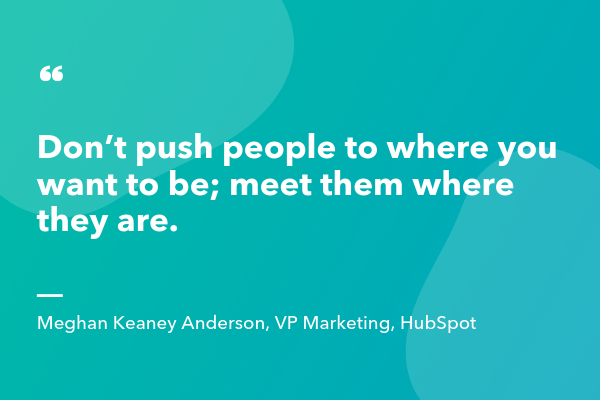
- Don’t push people to where you want to be; meet them where they are.” — Meghan Keaney Anderson, VP Marketing, HubSpot
- “People will ignore or skip anything they don’t like. So brands have to start making things they love.” — Steve Pratt, Partner, Pacific Content
- “Smart marketers and smart brand managers understand the importance of leveraging frame of reference to build their brands.” — Mark Shapiro, Chair, Vistage Worldwide, Inc.
- “Brand equity is the sum of all the hearts and minds of every single person that comes into contact with your company.” — Christopher Betzter, Brand Strategist
- “A brand is the set of expectations, memories, stories, and relationships that, taken together, account for a consumer’s decision to choose one product or service over another.” — Seth Godin, Founder & CEO, Do You Zoom
- “Products are made in the factory, but brands are created in the mind.” — Walter Landor, Founder, Landor
- “Branding is about signals — the signals people use to determine what you stand for as a brand. Signals create associations.” — Allen P. Adamson, Co-Founder, Metaforce
- “A lesson learned once again through ‘the school of hard knocks’ … never lose sight of your brand, its value, and its inherent need to be fed and nurtured and placed above all else! Saving your way there is a fool’s errand.” — Chet Baker, SVP Corporate Development, Entrinsic Health Solutions
- “Your brand is what people say about you when you’re not in the room.” — Jeff Bezos, Founder & CEO, Amazon
- “Your brand is a story unfolding across all customer touch points.” — Jonah Sachs, Author
Inspirational marketing quotes exist to help you spark new ideas and excite your team members about the endless number of opportunities in the field. They also have the power to positively motivate your team to produce unique marketing content for your audience.
Storytelling Marketing Quotes
Storytelling marketing quotes can be used to improve the impact of the stories you and your fellow marketers tell about your business, branding, and products on your customers and target audience.
Develop your storytelling skills with our Ultimate Guide to Storytelling.
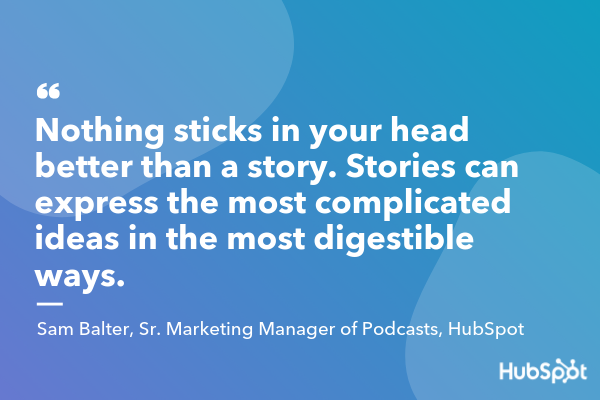
- “Nothing sticks in your head better than a story. Stories can express the most complicated ideas in the most digestible ways.” — Sam Balter, Sr. Marketing Manager of Podcasts, HubSpot
- “If your stories are all about your products and services, that’s not storytelling. It’s a brochure. Give yourself permission to make the story bigger.” — Jay Baer, Content Marketer & Co-Author
- “The most powerful person in the world is the storyteller. The storyteller sets the vision, values, and agenda of an entire generation that is to come.” — Steve Jobs, Co-Founder, Apple
- “You can’t sell anything if you can’t tell anything.” — Beth Comstock, Former CMO & Vice Chair, GE
- “The purpose of a storyteller is not to tell you how to think, but to give you questions to think upon.” — Brandon Sanderson, Author
- “If your stories are all about your products and services, that’s not storytelling. It’s a brochure. Give yourself permission to make the story bigger.” — Jay Baer, Content Marketer & Co-Author
- “At its very core, marketing is storytelling. The best advertising campaigns take us on an emotional journey — appealing to our wants, needs, and desires — while at the same time telling us about a product or service.” — Melinda Partin, Senior Director of Marketing & Digital Strategy, UW Medicine
- “Storytelling is the most powerful way to put ideas into the world today.” — Robert McKee, Author
- “And do you know what is the most-often missing ingredient in a sales message? It’s the sales message that doesn’t tell an interesting story. Storytelling … good storytelling … is a vital component of a marketing campaign.” — Gary Halbert, Author
- “The brands that win are the brands that tell a great story. When it comes to transmedia storytelling, the brands that win are the brands that tell many great stories and are able to connect them all together.” — Mitch Joel, Author & Founder, Six Pixels Group
Social Media Marketing Quotes
Social media marketing quotes are a great way to influence the strategies you implement at your company as well as provide thoughts about the ways in which social media can positively impact your marketing efforts.
Learn everything you need to know about social media marketing in our Ultimate Guide to Social Media Marketing Campaigns.
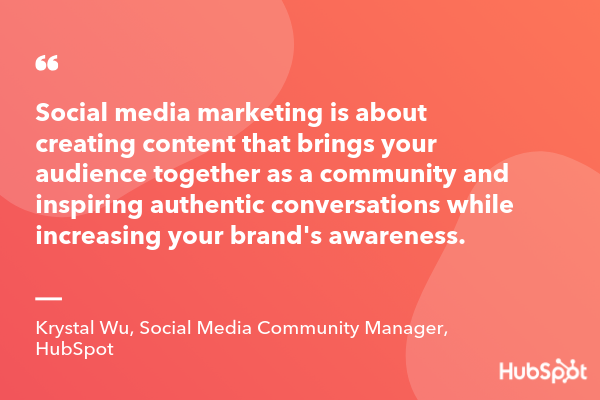
- “Social media marketing is about creating content that brings your audience together as a community and inspiring authentic conversations while increasing your brand’s awareness.” — Krystal Wu, Social Media Community Manager, HubSpot
- “It’s important to be where your audience of potential customers is today, and where they might be tomorrow.” — Andrew Delaney, Senior Manager of Social Media, HubSpot
- “Social media requires that business leaders start thinking like small-town shop owners. This means taking the long view and avoiding short-term benchmarks to gauge progress. It means allowing the personality, heart, and soul of the people who run all levels of the business to show.” — Gary Vaynerchuk, CEO, VaynerMedia
- “Social media was designed to SHARE what you’re doing and who you are, not BE what you’re doing and be who you are.” — Richie Norton, Author
- “I use social media as an idea generator, trend mapper, and strategic compass for all of our online business ventures.” — Paul Barron, CEO, Foodable Network
- “Going viral is not an outcome; it’s a happening. Sometimes it happens; sometimes it doesn’t. Just remember, fans are vanity and sales are sanity.” — Lori R. Taylor, Founder, Rev Media Marketing
- “Social media is about the people! Not about your business. Provide for the people and the people will provide you.” — Matt Goulart, Founder, Ignite Digital
- “Social marketing eliminates the middlemen, providing brands the unique opportunity to have a direct relationship with their customers.” — Bryan Weiner, Board of Directors, Cars.com
- “Our head of social media is the customer.” — McDonald’s
- “Don’t use social media to impress people; use it to impact people.” — Dave Willis, Writer & Pastor
Digital Marketing Quotes
The world of digital marketing is ever-changing — the following quotes will help you think about ways in which you can ensure your digital strategy remains relevant and impactful for your target audience.
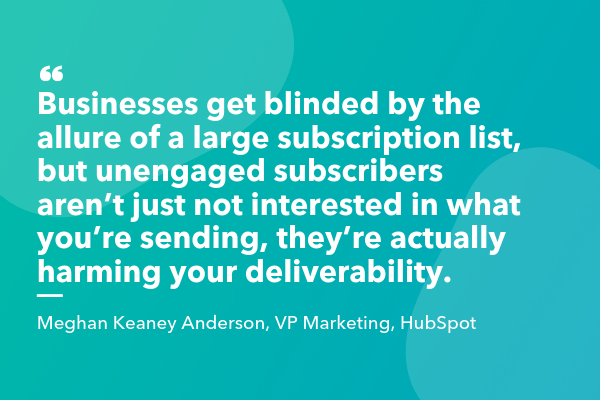
- “Businesses get blinded by the allure of a large subscription list, but unengaged subscribers aren’t just not interested in what you’re sending, they’re actually harming your deliverability.” — Meghan Keaney Anderson, VP Marketing, HubSpot
- “Marketers need to build digital relationships and reputation before closing a sale.” — Chris Brogan, President, Chris Brogan Media
- “ Less is more. Keeping it simple takes time and effort.” — Jeff Bullas, CEO, Jeffbullas.com Pty Ltd.
- “Instead of one-way interruption, web marketing is about delivering useful content at just the right moment that a buyer needs it.” — David Meerman Scott, Keynote Speaker & Author
- “Content, in all its forms, is the single most critical element of any marketing campaign.” — Rebecca Lieb, Founding Partner & Analyst, Kaleido Insights
- “Inspiration is the most important part of our digital strategy.” — Paull Young, Charitable GIving Lead, Facebook
- “Digital marketing is not an art of selling a product. It is an art of making people buy the product that you sell.” — Hecate Strategy
- “Don’t build links. Build relationships.” — Rand Fishkin, Founder, SparkToro
- “Discoverability equals sales in the digital world.” — Dev Chandan, Founder, Dev Chandan
- “Before you create any more ‘great content,’ figure out how you are going to market it first.” – Joe Pulizzi & Newt Barrett, Co-authors
Start Using Marketing Quotes to Inspire Your Team
Marketing quotes have the power to inspire your team members to produce their best work, drive home the points you make in meetings, and help you shed light on any type of situation at work. No matter what your company does, there are a number of quotes you can use to help you work towards your specific marketing goals both individually and with your team. So, review the sections above and find some quotes to save on your desktop, write down in your notes, or share with your co-workers today.

Facebook Groups: New Features for Businesses
Do you want to do more with Facebook Groups? Wondering how to use the newest Facebook Groups features? To explore what’s new with Facebook Groups and how the changes benefit marketers, I interview Bella Vasta. Bella is a Facebook Groups expert, author of The Four Types of Dogs Every Business Needs, and host of the […]
The post Facebook Groups: New Features for Businesses appeared first on Social Media Marketing | Social Media Examiner.
from Social Media Marketing | Social Media Examiner http://bit.ly/2ItySHr
via socialmediaexaminer
How to Learn Social Media Marketing: 40 Resources for Beginners
Social media is no longer an optional marketing channel — it’s a necessary one.
But that doesn’t mean results are a given. When it comes to social media, you’ll either have a lot of success interacting with your customers, or you’ll see little results — and that depends on the level of effort you put into it.
For every business that has found success in social media marketing, there are at least two more spinning their social wheels with no tangible results. It’s time to change that trend.
For many, social media is simply a place to post links to content they’ve created in hopes that thousands will see it, click through, and share with their followers. So they have profiles on every network, and every network looks exactly the same; line after line of self-promotion.

This is not going to bring results. In fact, Facebook‘s algorithm now penalizes link-based content, and Instagram has made it all-but-impossible to share a link.
Half-heartedly sharing your content on social media is not social media marketing. It’s spamming.
Social marketing is a lot of work, and it takes time listening and responding. After all, it’s social, and anything social takes an investment of effort and skill.
To hone these skills, check out these resources that will help you develop the skills needed to be effective on social media. (You may want to bookmark this post so you can easily refer to it again later.) Click the links below to jump to each section of resources in this article:
- Social Media Marketing Blogs
- Social Media Publishing Templates
- Social Media Marketing Ebooks
- Social Media Marketing Courses
- Social Media Marketing Videos
- Social Media Podcasts
- Slideshows & Infographics About Social Media
- Social Media Marketing Books
How to Learn Social Media Marketing: 31 Free Resources
Social Media Marketing Blogs
Social marketing is a science involving special communication skills. And the landscape changes constantly.
One of the best ways to develop your social media prowess and to stay up-to-date is to follow experts in the field. These blogs are always fresh with actionable information you can use to improve your marketing:
1. Social Media Explorer
SME is both a strategic services agency and a blog with a bevy of social media and marketing experts. The SME blog is consistently considered one of the most insightful in the industry, and several of its authors have written popular books on several aspects of digital and social marketing.
2. Scott Monty
Monty is a marketing guru who covers a ton of subjects. However, his social media articles are always eye-opening. If you haven’t heard of him yet, check out his “this week in digital” posts — these will keep you up-to-date with all the news on social, and every other aspect of digital marketing as well.
3. Social Media Examiner
Not to be confused with Social Media Explorer, the Examiner is one of the top blogs in the world for social media. Its social media reports are filled with all the important data social marketers want, and the blog posts are filled with valuable tips, as well. If I had to pick just one social media blog to follow, this is the one I would choose.
4. HubSpot Marketing Blog
Right here on the HubSpot Marketing Blog, you can find breaking news and actionable how-to guides on every social network there is.
Social Media Publishing Templates
5. Social Media Content Calendar Template
Before you load your social media content into a publishing tool (HubSpot has one, when you’re ready for it), you’ll want to organize it all in an offline calendar. The free template linked above allows you to sort your social media content in a spreadsheet that’s designed to help you track the day, time, and social media channel on which everything you create is being promoted.
6. Social Media Calendar Templates
This social media template helps you track your social media campaigns not just by social network, but by how much engagement they get, which holidays they’re aligned with, and which ones have paid promotion behind them.
7. Airtable’s Content Calendar
Once you’ve organized your social media calendar into a spreadsheet — like the one linked to #6, above — you might also want to load this content into a project management platform so you can track its progress in real time. Airtable is one such platform to help you do that, and it comes with a content calendar format so you don’t have to shoehorn the platform around your business.
8. Social Media Image Templates
It’s well-known that visuals get more engagement on social media than just text. Get your designs off on the right foot with this collection of social media image templates.
9. Instagram Templates for Business
Instagram is the most image-focused social network out there, and because of that, not just any image will reach your audience. To cut through the crowds, use this collection of Instagram templates to create brand-aligned posts that resonate with your audience.
Social Media Marketing Ebooks
These ebooks will provide deeper information on specific networks and topics.
10. How to Use Instagram for Business
This step-by-step guide explains the reasons to create a business Instagram account and how to execute on Instagram to drive results.
11. A Visual Guide to Creating the Perfect LinkedIn Company Page
If you’re building a company page for the first time, or trying to upgrade your page, this guide will show you exactly how to do everything from crafting an engaging company description to creating an eye-catching banner image.
12. How to Attract Customers with Facebook
This multi-page ebook will show you how to use Facebook to drive real business results for your organization.
13. How to Get More Twitter Followers
HubSpot partnered with the experts at Twitter to provide actionable tips for social media managers starting new accounts to build a following, and fast.
14. The Beginner’s Guide to Social Media
Here’s an amazing guide from Moz. The 12 chapters in this book are filled with valuable information that every marketer absolutely needs to know. Bookmark this guide, you’ll refer to it more than once.
15. How to Create High-Quality Videos for Social Media
Like images, videos drive a ton of engagement on social media. And although the idea of shooting a quality video for your social channels sounds daunting, it’s actually easier than you think. Grab the free guide above to learn how to quickly turn your office into a production studio.
Social Media Marketing Courses
16. Developing an End-to-End Instagram Marketing Strategy for Your Business
This free course in the HubSpot Academy will teach you how to stand up an Instagram marketing strategy in just 95 minutes. The course consists of 3 lessons, 13 videos, and 3 quizzes.
17. Putting Social Media to Work for Your Coaching Business
Even consultants need consultants to learn how to, well, be a consultant. The free Udemy course linked above will teach you how to use social media to market your business as a coach or consultant in your industry.
18. Developing an End-to-End Facebook Marketing Strategy
Opposite the Instagram marketing course linked in #16, above, take this hour-long course to learn the basics of Facebook marketing.
19. Social Media Influencer Course
You’ve probably heard of influencer marketing — it’s particularly common in the context of social media. Take this course by Captevrix to learn how to work with an Influencer who resonates with your audience to promote your brand.
Social Media Marketing Videos
Videos are my second favorite medium to learn, behind books. Being able to glean from the brightest minds on any subject as if you’re face-to-face is powerful. These videos will give you valuable insights, just how to do social media, but you’ll get insights into the why and what as well.
20. The #AskGaryVee Show
You can’t talk about social media without talking about the speaker, author, and social expert Gary Vaynerchuk. On the Gary Vee Show, he takes questions from his audience and answers them as only he can. If you have a burning question on social media marketing, send it to him.
21. TED Talks: Social Media Marketing
If you aren’t in love with TED, you might want to check your pulse. This is a playlist of videos from TED Talks on social media. There may not be that much actionable advice in these videos, but if you want to become an expert on social media, these videos will give you insight into the deeper subject like “the hidden influence of social networks.”
22. Learn Social Media Marketing
If you’re really new to social media, and you want to learn through a structured lesson experience, consider Lynda’s massive library on social marketing courses.
23. Free Social Media Certification
HubSpot Academy has a breadth of video courses across inbound and digital marketing. Their free social media course is an eight-step video curriculum that teaches you the fundamentals of managing a social media campaign for your business. It also earns you a fresh Social Media Certification.
Social Media Podcasts
If you like to learn while you chill, work out, or commute to and from work, podcasts are one of the best ways to do it. And these podcasts will help you develop your social media expertise.
24. Social Media Marketing Podcast
Michael Stelzner, from Social Media Examiner, brings you success stories and expert interviews from leading social media marketing pros.
25. The Social Media Examiner Show
Rather than deep dives, the SME Show gives you small, bite-sized content for social media every day. This is a great podcast to get actionable quick-tips on a daily basis. It’ll keep you motivated while you develop your skills.
26. The Social Toolkit
If you like to stay up-to-date on digital tools, apps, and software for social media marketing, this is the podcast for you.
27. The Social Pros Podcast
Every episode of the Social Pros Podcast shines the light on real pros doing real work for real companies. You’ll get insights from Jay Baer of Convince and Convert when you tune in.
Slideshows & Infographics About Social Media
If you’re a visual learner, these slide decks and infographics provide great ways to learn social media.
28. The B2B Social Media Palette
This SlideShare walks you through the channels and tools you’ll need to be most effective at B2B social media marketing. Sometimes, success can be found by using the right tools and channels for the right audience.
29. The Complete Guide to the Best Times to Post on Social Media
Timing is very important when it comes to social media. Post it the wrong time, and your update can go completely unnoticed because of the flood of updates in your audience’s feeds. Being able to master the timing of social media is critical to effective marketing.
30. 58 Social Media Tips for Content Marketers
This slideshow is from the folks at Content Marketing Institute. This deck shows the proper methods for promoting your content over social media. This is a must-read for any social marketer who wants to use those channels to promote content.
31. The Best and Worst Times to Post on Social Media
Again, timing is everything. This infographic lays out the best and worst times to post on each major network. You should save this infographic for referencing when you schedule your social media posts.
Social Media Marketing Books
Books are my favorite way to learn. Many experts agree that if you read a book a week, on your area of expertise, for 5 years, you will have the equivalent of a Ph.D. on the subject. That may or may not be true, but reading books from the experts definitely doesn’t make you a worse marketer. Here are some books to get you started.
32. The B2B Social Media Book
This book covers the specific application of social marketing to B2B companies, to leverage social media to drive leads and revenue.
33. The Art of Social Media: Power Tips for Power Users
You’ve got to read this book by the legendary former Chief Evangelist of Apple, Guy Kawasaki. He’s one of the pioneers of social and content marketing, and this book is filled with expert advice from one of the best.
34. The Tao of Twitter
This book is supposed to be for busy marketers who need to get the basics of Twitter down quickly. It shows you how to connect and start creating meaningful connections in less than two hours.
35. The Ultimate Guide to Facebook Advertising
Facebook is one of the most effective advertising and PPC platforms available. You can target a plethora of metrics, allowing you to drill down and advertise to a very specific audience. This book will show you how to optimize your Facebook ads.
36. Jab, Jab, Right Hook: How to Tell Your Story in a Noisy Social World
Gary Vaynerchuk gives insight into how he uses a conversational, reactionary approach to engaging his audience. He gives concrete, visual examples of great social marketing, as well as not-so-great ones.
37. The New Rules of Marketing and PR
David Meerman Scott’s book on digital marketing is an international bestseller, and worth every penny. Some argue that it should be required reading for any marketer — and in this marketer’s opinion, “Just read it.”
38. Likeable Social Media
Dave Kerpen claims the secret to viral social marketing is to be likable. When someone likes you, they’ll recommend you. But being likable on social networks is easier said than done. This book will help you crack that code.
39. Social Media Marketing for Dummies
One of my mentors taught me to read children’s books on a subject if I just couldn’t grasp a concept. That principle gave way to movements like “Explain It Like I’m 5.” And, sometimes you just need it broken down like you’re, well, less than an expert on the topic, to put it gently. If that’s you, this book is valuable. Go ahead and buy it — we won’t call you dummy.
40. Contagious: Why Things Catch On
This book by Jonah Berger provides a strong foundation to understand how content goes viral — and how to create ideas on social media that are so catchy, your audience won’t be able to help but click them.
The Secret to Social Media Success
No matter how many social networks you set out to master, or how long you work in the social marketing field, there is one secret that will ensure you’re successful: Never stop learning.
This list is massive, I know, and there’s no way to consume all these resources in the next week. But if you set yourself to learning every day, every week, every month, every year, you’ll eventually be the one writing the books that help others learn social marketing.
It all begins with learning.
10 Things I’ve Learned About Social Media:
- Social marketing requires listening.
- Conversations should be the goal of social marketing.
- Team #Followback is a waste of time.
- Social marketing isn’t broadcasting, it’s communicating.
- Never auto-post your content to your social profiles.
- Never copy/paste the same message into every social profile.
- Social marketing requires time. It’s relationship-building on a massive scale.
- Be helpful. Period.
- Social support is faster than live chat, email, or phone calls. Embrace it.
- You don’t have to be on every network. Go where your customers are.

The Ultimate Guide to Alexa Skills Marketing
By now, marketing teams all over the world are familiar with the concept of SEO. You know all about keywords and search engines and using high-quality links.
But are you prepared to market toward voice search?
A GlobalWebIndex search report revealed that 27 percent of consumers already use voice search on their mobile devices, and 34 percent confirmed that they are interested in having voice-based smart assistants in their homes.
That’s on top of the nearly 53 million U.S. adult consumers who already use a voice-activated smart device at home. These numbers will only grow, so any business hoping to stay on top of consumer trends needs to be implementing an Alexa marketing strategy. And the best way to get started is by turning to the maker of Alexa itself — Amazon.
In 2014, Amazon introduced the Echo, which was the first standalone device devoted to a smart voice assistant. Competitors like Google soon followed with devices like Google Home, and consumers responded enthusiastically. A study by eMarketer predicted that about 35 million people in the U.S. would use voice-activated devices at least once a month in 2017, up 128 percent from 2016.
If you think you might be interested in using voice-activated smart devices to supplement your marketing strategy in 2019, consider using Alexa Skills, which allows brands to provide customers with the ability to interact with their products or services in a conversational way. To learn more, keep reading.
Why You Should Have an Alexa Skill for Your Business
If you’re reading this, there’s a good chance you’re in the same place as many marketers these days — you might be on the fence about Alexa for business, wondering how to decide whether creating and operating an Alexa Skill is right for your team. To answer this question, it’s critical you figure out whether Alexa Skill will allow you to reach your target audience.
For example, is your brand positioned toward consumers, or other businesses? While Alexa is becoming increasingly integrated with business tools, it is still primarily a household feature, so it makes the most sense for B2C businesses.
Additionally, there are two main purposes for using Alexa Skills — building brand loyalty, or creating direct revenue.
Building an Alexa Skill for your brand can improve the convenience of your product or service, without necessarily driving revenue. Even without a direct tie to sales, improving convenience can nonetheless help you enhance your user experience, and make consumers more likely to interact with your brand without interrupting your daily routine.
Alternatively, you might use Alexa Skills to create direct revenue for your business.
How You Can Use Alexa for Business
Let’s say you’re a marketer for a regional bank. You create a Skill for a user to check his balance, direct a payment, or transfer funds using voice command. By making it more convenient for customers to manage their finances, your brand obtains a reputation for being innovative and helpful. This, indirectly, creates revenue by driving conversions.
Making money directly from your Alexa Skill is possible, as well. E-commerce businesses have more tools than ever to make online shopping easy for customers, and more profitable for brands.
For instance, Purina is a well-known leader in the pet food market. Despite its success, Purina chose to use Alexa Skills to improve its customer experience. The skill it created, Ask Purina, uses Amazon AI to answer customers’ questions about products. Additionally, it serves as an authority on dogs in general. Users can “Ask Purina” about current or future products, and get answers to queries like, “What breeds are best with children?” or “Find me dogs that don’t shed.” With this Skill, customers can find the information they need, as well as a new reason to stay loyal to the company.
Tide has also created its own Alexa Skill. The company’s Tide Stain Remover Skill offers its users step-by-step instructions via voice on how to eliminate about 200 forms of stains so users can implement the steps in real time. Consumers already recognize Tide as an expert in caring for stains — this Alexa Skill is merely an extension of that, building on the company’s reputation and improving goodwill with consumers.
Where You Can Implement Your Own Alexa Skills Strategy
Now that you know why you should have an Alexa Skill for your business, as well as how it can benefit you, there are a few different ways to strategize for your company’s custom Alexa Skill. Here’s how to get started.
1. Establish a content marketing plan.
The Purina example above demonstrates an actionable way to build a positive brand reputation without selling a product. Content marketing is an excellent way to build and nurture relationships with both current and prospective customers — an Alexa Skill simply provides a convenient way to achieve that goal.
Identify the content your team already has and how it can be modified to fit a voice-specific strategy. Alexa Skills are activated when users ask specific questions or use particular “utterances” that you set, so make sure your best pieces of content include those phrases so your Skill will pull them up to deliver via voice.
Purina is a great example here — the company has created content about dog breeds to showcase its expertise, and when customers ask, “Which dog breed is best for an apartment?” the company’s Alexa Skill can deliver that content.
Content marketing campaigns are known to create more than three times the number of leads than outbound marketing does — and they cost 62 percent less. Your Alexa Skills plan should complement your company’s existing content strategy and should be a natural extension to the queries your customers are conducting in other formats.
2. Leverage Alexa for e-commerce.
Amazon has made voice technology easy for e-commerce businesses to roll out because it benefits Amazon, too. There are now several ways to make money with Alexa Skills. When people buy things online, chances are they’re using Amazon to do so. If you sell products online, it might not be ideal to sell through Amazon, but it can be worth it if an integrated Skill can boost your sales by a large enough margin.
In 2018 alone, Amazon e-commerce sales totaled about $258.2 billion, an almost 30 percent increase from 2017. With Amazon taking up nearly half of the e-commerce market, it stands to reason that if you’re operating within Amazon’s platform, you’ll be able to snag a piece of that pie. And with an Alexa Skill related to your product, users who use voice search and shop on Amazon will have an easier time ordering your products.
Take Tide, for example — customers who use that company’s Skill to find stain removal tips can also use their voice to order Tide products. That takes a step out of the purchasing process, allowing consumers to buy those products without pulling up the Amazon app or website and clicking through all the available options.
3. Unveil a voice-activated loyalty program.
Some brands are driving a higher level of loyalty with programs that offer credits or points to users who make purchases using Alexa Skill. With a voice-enabled loyalty program, your brand is more likely to stay top of mind among Alexa users when they need to stock up on a product like yours.
Bridge2 Solutions debuted its Points Pal offering in 2017 and is reportedly the first voice-activated reward experience. With Points Pal, brands can make interacting with their existing rewards programs possible with voice commands such as “Tell me my points balance”, “Put this item in my favorites list”, or “Let’s pay for this using my points and credit card”.
Considering that customers who are part of a loyalty or rewards program tend to spend more than customers who are not, setting up a loyalty program and making it accessible via voice can add a bonus benefit when you’re setting up your Alexa Skill. Additionally, it’s important you ensure the program can be launched across different smart assistants, so that even if your customers are away from their Echos, they can still keep track of their points using other voice-based services.
Not using an Alexa Skill for your business doesn’t automatically mean you’ll be left behind. But depending on your brand and the market in which you’re operating, you might be — especially considering the increasing number of consumers who own smart speakers and use them regularly. Optimize your Alexa marketing strategy now to avoid falling behind your competitors.

How to Create a Group in Gmail
Growing up, there was only one thing my mom knew how to do on the internet that I could never figure out — creating an email group. What’s even more surprising is that I sent email blasts to my friends all the time, but I never asked my mom how to make an email group. I would just manually enter my friends’ email addresses into the recipients box.
Gosh, I was such a rebel.
If you’ve gotten over your teen angst and don’t want to manually enter your family’s, friends’, or coworkers’ email addresses every time you want to send an email blast to them, we’ve got you covered. Check out our five-step guide on creating a group in Gmail.
How to Create a Group in Gmail
- Visit Google Contacts.
- Click “Contacts”, “Frequently contacted”, or “Directory”.
- Select the contacts you want to include in your group.
- Choose the “Label” icon and press “Create Label”.
- Name your label and type your group’s name in the recipients box to send an email to them.
1. Visit Google Contacts.
You can find Google Contacts in the middle of the bottom row of your Google Apps tab.

2. Click “Contacts”, “Frequently contacted”, or “Directory”.
It’s likely you won’t have contacts saved in Google Contacts, but you can still access the email addresses of people you frequently interact with by clicking “Frequently contacted” or everyone who currently works at your company by clicking “Directory” in the left side bar.

3. Select the contacts you want to include in your group.

4. Choose the “Label” icon and press “Create Label”.

5. Name your label and type your group’s name in the recipients box to send an email to your group.


How Being ‘Good-ish’ Can Make You A Better Leader
We all like to think we’re good people.
We do our best at work. We donate to charity. We’re loyal to our friends. We’re kind to our parents. And, particularly in times of doubt, we pull these examples to the very forefront of our minds to remind ourselves we’re doing good.
Typically, our idea of “good” and “bad” is relatively black and white — in movies like The Lion King, for instance, you’re either evil like Scar, or good like Simba. You can’t be both.
But what if our desire to cling tightly to the idea of being “good” actually gets in the way of us being better? According to Dolly Chugh, when it comes to being a good person, our either/or mentality does just that.
Chugh — who is a psychologist, a management professor at New York University’s Stern School of Business, and the author of The Person You Mean to Be: How Good People Fight Bias — says it’s critical we let go of our rigid view of what it means to be good. If we don’t, we risk being unable to own and grow from our mistakes.
I sat down with Chugh to learn how our narrow view of “good” versus “bad” can actually impede us — from becoming better leaders, employees, and people.
Why Our “I Am Good” Identity Means So Much
Imagine an identity you feel is incredibly important to you — maybe you value being an intelligent student, a powerful leader, or a helpful friend.
Let’s say you value being a strong leader, but you’re not sure if your colleagues would attribute this trait to you. As Chugh writes, “When we are unsure whether an important identity has been granted by others, our craving for affirmation becomes more intense and urgent … i.e., if I value being seen as a loving mom, then I feel self-threat when other mothers judge me for working full-time.”
If you value being a leader, but don’t feel properly acknowledged by others, you might feel self-threat when someone makes a comment like, “I’ve always thought you were too quiet to be a leader.” Someone else, who doesn’t care about being a good leader, might not feel such a threat.
But here’s the catch-22: When faced with self-threat (e.g., a threat to your identity), many of us become frenzied as we try to gain affirmation for that specific identity. And in our pursuit of that affirmation, we become less focused on being a good person, or any of our other identities that matter — like being a good ally, or friend.
As Chugh writes, “The affirmation [we desperately seek] relieves the self-threat, but ironically, we end up acting less like — not more like — the people we mean to be.”
Chugh and her colleagues have conducted research regarding people’s morality in times of self-threat. For instance, Chugh asked participants to do a word scramble task, and measured whether each participant saw the task as a challenge or a threat. Ultimately, Chugh and colleagues found that when participants felt faced with a threat, they were more likely to morally disengage, or turn off their conscience.
There have been other studies that have explored the correlation between self-threat and identity. One study asked 300 adults in England to indicate their intentions to change their travel behaviors. Half of the participants were shown short transport-related descriptions that were designed to threaten the participant’s target identity (being a parent); the other half were shown neutral descriptions.
As you might’ve guessed, participants who experienced self-threat were far more resistant to change than those who weren’t.
All of which is to say: If being “good” is an important identity to you (which, to most of us, it is), then you’re more likely to morally disengage, and resist change, when you’re experiencing self-threat — even if that self-threat is meant to be helpful feedback.
Ultimately, our narrow definition of “good” is too often constricting, and doesn’t allow room for growth.
Chugh told me, “We paint ourselves into a tight corner when we view being a good person as either/or. It makes it hard for us to see the times in which we might be contributing to a dynamic that discourages people of color from staying at the firm, or women from applying.”
“Sometimes,” Chugh stresses, “We are good people with good intentions who are having bad impact.”
This only becomes worse when faced with self-threat.
When someone questions whether you’re a good work ally, you might become defensive and miss out on the feedback that could’ve allowed you to become a better ally.
To further emphasize how hard people work to protect their “good person” identities, Chugh mentions Taylor Phillips and colleagues’ research on the ‘hard-knock-life’ effect.
“We want to see ourselves as deserving and free from unfair advantage. Phillips shows that we literally remember our childhoods as more difficult when we are told of disadvantages people from other groups face,” Chugh explains. “That is how powerfully our unconscious mind fights to protect our good person identity.”
But … is that such a bad thing?
The Problem With Wanting To Be Good
There’s nothing wrong with wanting to be good.
Unfortunately, the problem arises when you believe you’re either inherently good or inherently bad, with no room for mistakes or growth.
For instance, consider the last time you behaved in a way that felt less than ideal — maybe you made an offensive joke in the office kitchen. Perhaps someone at work called you privileged, so you felt judged for your lack of charity work.
When these instances arise, we typically become defensive — when we’d benefit more greatly from remaining open and receptive.
In her TED Talk, Chugh explains how flawed our mentality towards morality truly is.
“If you needed to learn accounting, you would take an accounting class, or if you become a parent, we pick up a book and we read about it. We talk to experts, we learn from our mistakes, we update our knowledge, we just keep getting better,” Chugh says.
“But when it comes to being a good person, we think it’s something we’re just supposed to know, we’re just supposed to do, without the benefit of effort or growth.”
Chugh urges us to change our thinking — what if, instead of needing to be good all the time (or not at all), we just tried our best to be “good-ish”?
Chugh told me how important it is to “let go of being a good person and embrace being a good-ish person. Good-ish people actively look for their blind spots and mistakes. So, if someone helps us notice a blind spot, it is actually doing us a favor.”
To further understand her research, let’s consider an example. Say you’re a team leader, and a coworker from HR mentions that your team lacks diversity.
More than likely, you’ll jump to your own defense: “We actually have three women on the team!”, you’ll say, not noticing that you’re still lacking other types of diversity.
Your comment makes you feel reassured that you’re a good person, but ultimately, it doesn’t help you grow, or recognize the blind spot you might’ve missed.
In other aspects of our lives, we’re very capable of receiving feedback — and yet, where it matters most, we too often fall short.
Instead, let’s say you’ve embraced the idea that you’re “good-ish”, like Chugh suggests. Maybe you pause when you hear your coworker’s comment, and think, “Huh. That’s a good point — I should adjust my recruitment strategy. Too many of my employees are extroverted, which leaves little room for talent diversity. Additionally, while I do have three women on my team, I don’t have any women of color, which isn’t okay.”
By operating under the belief that morality is nuanced and dynamic, and not at all black-and-white, you’re more capable of owning your mistakes — which is ultimately critical to becoming a better leader, and person.
If you’re in a leadership position, Chugh suggests adopting a growth mindset. She told me, “I think senior leaders owe it to themselves to work one-on-one with an executive coach to wrestle with their blind spots privately. This is hard work and it is difficult to do in the limelight.”
In her TED Talk, Chugh acknowledges the difficulty of becoming vulnerable and receptive to feedback regarding our own integrity. It certainly isn’t easy.
But, as Chugh points out, “As a good-ish person … I become better at noticing my own mistakes. I don’t wait for people to point them out. I practice finding them, and as a result … Sure, sometimes it can be embarrassing, it can be uncomfortable. We put ourselves in a vulnerable place, sometimes. But through all that vulnerability, just like in everything else we’ve tried to ever get better at, we see progress. We see growth. We allow ourselves to get better.”
Ultimately, dropping the pressure you feel to be “good” — and allowing yourself to admit you’re “good-ish” — could be the difference between being a good leader and a great one, or a good ally and a great one.
And who wouldn’t want that?

How to Reduce Your Website’s HTTP Requests
Every time you surf the web, a whole bunch of technical stuff happens behind the scenes to deliver content to your screen.
Engineers are usually the ones managing these activities. Marketers, even those with technical chops, tend to shy away from it. One of these activities is an HTTP request, and it’s actually not as complicated as you might think. In fact, marketers need to have at least a general understanding of the actions their own website performs each time a person visits it.
The metrics marketers tend to be responsible for can depend heavily on how the backend of a website is developed. For example, a high number of HTTP requests by your webpage can slow down the page’s load time, which ultimately damages the user experience. This can cause your visitors to leave the page more quickly if it doesn’t load fast enough (which increases your
“bounce rate”).
HTTP requests can affect numerous key metrics that determine how engaged your audience is with your business.

So, what exactly is an HTTP request? How does it affect the user experience? And what can a marketer do to reduce their website’s HTTP requests? Let’s go through each of these questions one by one. By the end, you’ll have a better grasp on why these response protocols matter, and what you can do to give your website visitors a better, faster experience.
What are HTTP Requests?
HTTP requests happen when a web browser sends a “request” to your website’s server for information on a webpage. When a user visits a page on your website, your server heeds this request and returns the files contained on that page to the user’s browser. The fewer HTTP requests a website has to make, the faster the site can load.
Each time someone visits a page on your website, here’s what typically happens:
- The person’s web browser (popular browsers include Chrome, Firefox, and Safari) sends a request to your web server. Your server hosts the webpage they’re trying to visit on your site.
- The browser requests that your server send over a file containing content associated with that page. This file may contain text, images, or multimedia that exist on your webpage.
- Once the person’s browser receives this file, it begins to render your website on the person’s computer screen or mobile device.
- If there is more content on your webpage the browser has not yet received, the browser will send another HTTP request.
The above steps describe a single HTTP request, from ask to answer. HTTP stands for “Hypertext Transfer Protocol,” which is just a fancy name for a web browser sending a request for a file, and the server sending (or “transferring”) that file to the browser.
Why HTTP Requests Affect the User Experience
There are two reasons HTTP requests can affect your website’s user experience: the number of files being requested and the size of the files being transferred.
More Files = More HTTP Requests
A web browser needs to make a separate HTTP request for every single file on your website. If your website doesn’t have many files, it won’t take very long to request and download the content on your site. But most good websites do have a lot of files.
The more files on your website, the more HTTP requests your user’s browser will need to make. The more HTTP requests a browser makes, the longer your site takes to load.
Bigger Files = Longer HTTP Requests
The size of the file being transferred is also a factor in how long a page may take to load on a user’s screen. And just as the files on your computer have various file sizes — measured in bytes (B), kilobytes (KB), megabytes (MB), and so on — so too do the files embedded on your webpage. Big, high-definition images are a common culprit of large file sizes.
In other words, the larger or higher definition the content is on your website, the larger its file size is. The larger the file size, the longer it will take to transfer it from your server to a user’s browser.
The longer this file is it transit, the longer a user’s browser has to wait before it renders this content on his/her screen.
How HTTP Requests Affect the User Experience
A long load time can be a disruptive and frustrating experience for your users. Mobile users will have a particularly bad experience, as most of them will have to wait until every asset on a webpage is downloaded before the page even begins to appear in their mobile browser.
And research shows load time matters when it comes to website performance. According to data from Pingdom, a website performance monitor, a page’s bounce rate can soar from 9% to a whopping 38% if its page load time increases from just 2 seconds to 5 seconds. This is because lots more people “bounce” from your website during that three-second delay.
So, what’s the magic number of HTTP requests a website should aim for? The answer is not “one.” Some people think they can solve the problem by only using one JavaScript file to control their entire website. But remember: File size affects load time, too. For complex websites, that one file can be an incredibly long trip from your server to your audience’s browser.
Although there isn’t necessarily an optimal number of files your webpage should be reduced to, HubSpot’s principal product marketing manager Jeffrey Vocell suggests aiming for between 10–30 files.
For most top-performing websites, getting there is difficult and generally requires dedicated engineering resources. As of March 2019, the median number of HTTP page requests to load a webpage on mobile or desktop was between 69 and 75 requests.
How to Make Fewer HTTP Requests to Your Website
1. Grade your website’s performance to find the root problem.
If you’re starting from scratch, with no idea how your website is performing, you’ll first want a detailed report of your website’s overall health. To get this report, check out HubSpot’s Website Grader.
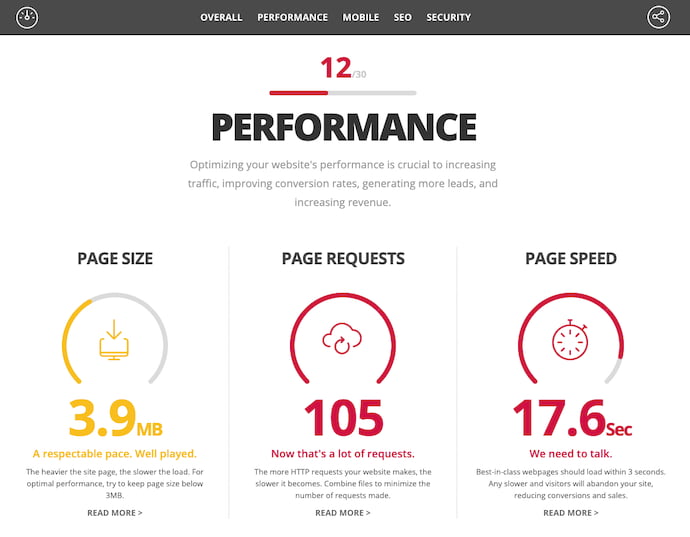
Using Website Grader, simply enter your email address and the URL of the webpage you want to audit. You’ll receive a free, personalized report that grades your site on key metrics including mobile readiness, SEO, your page’s total file size, and of course, how many HTTP requests the page is receiving.
This grader can help you diagnose the precise issue you suspect your website is having. For example, if you have a low number of page requests, but a high page size, your goal should be to reduce the size of the media on your website — not necessarily to reduce the amount of HTTP requests you’re requiring browsers to make.
2. Check how many HTTP requests your site currently makes.
Once you have an idea of how “big” your webpage is, and how many page requests it’s requiring, use Google Chrome’s Network panel to drill down into these numbers. This tool makes it easy for anyone to check what’s on your page, how many HTTP requests the page makes, and what file is taking the longest to load.
To Find a Request’s Length …
First, this tool shows you all the files a browser had to request and transfer in order to download the page — and it also shows a timeline of when this happened. For example, Google Chrome’s API can tell you precisely when the HTTP request for an image started, and when the image’s final byte was received. It’s a really helpful way of seeing what’s on your page and what’s taking a long time to load.
To see the Network panel for a given webpage, open the webpage in Google Chrome. In the main Chrome menu at the top of your screen, go to View > Developer > Developer Tools.
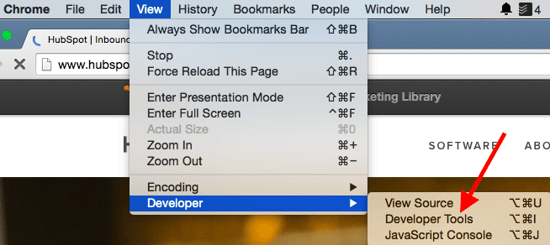
The Network panel will open in your browser. Since it records all network activity while DevTools is open, the panel may be empty when you first open it. Reload the page to start recording, or just wait for network activity to occur in your application.
Here’s an overview of what everything in the Network panel means:
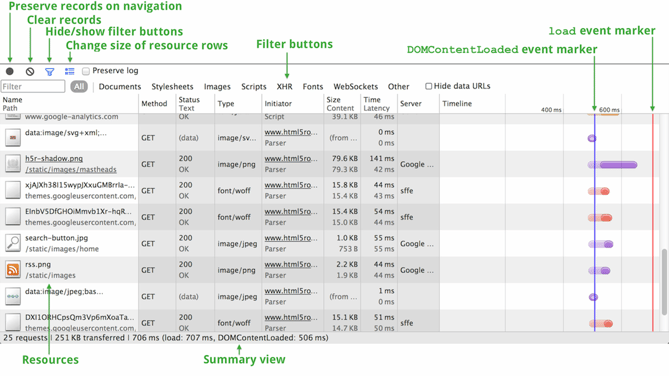
Image Credit: Google
To Count HTTP Requests …
Curious how many requests your website requires? The Network panel will tell you that, too. Take a look at the very bottom left of the screenshot above and you’ll see the total number of requests; in this case, it’s 25 requests.
To learn how to read the panel and evaluate your network performance in more detail, read through this Google Chrome resource.
3. Remove unnecessary images.
At this point, you should have an idea of which files are taking longest to load, including image files. The easiest way to reduce the number of requested files? Eliminate unnecessary images.
Images are a valuable webpage asset because they make for a strong visual experience on your webpages. However, if you have images on your page that aren’t contributing much value, it’s best to just cut them out altogether — especially the ones that are really large.
4. Reduce the file size for the remaining images.
For the images you do keep, use high-quality photos that have a compressed file size. This will help reduce the time it takes to make a HTTP request, thereby reducing load time.
If you’re a HubSpot user, you don’t have to worry too much about resizing and compressing images — the HubSpot COS will automatically resize and compress your images when you upload them into your HubSpot file manager. To resize an image further, once you’ve uploaded it into your file manager, click “Clone and edit,” as shown below:
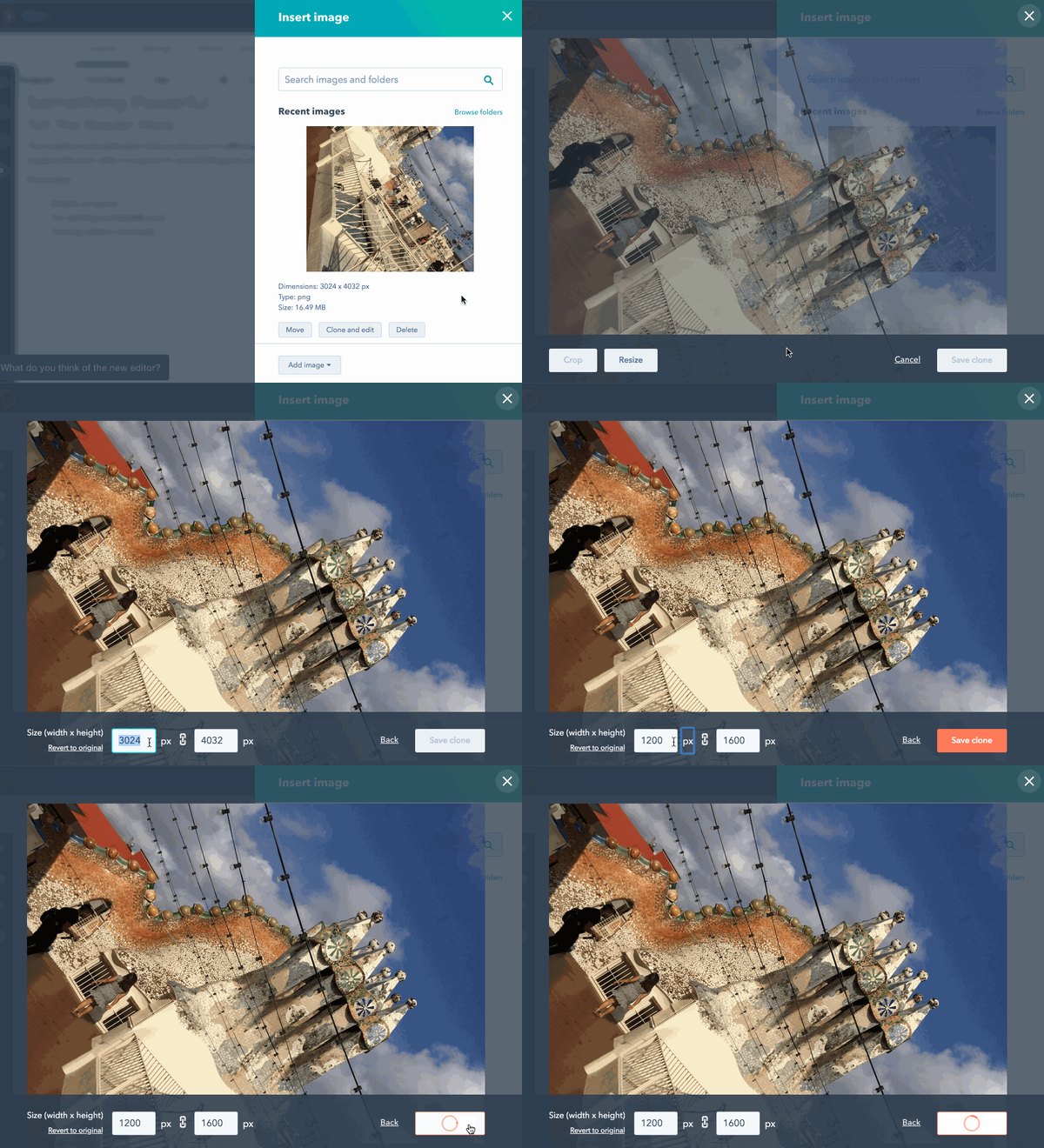
Keep in mind you can always reduce the file size of your images further before uploading them into your website. If you have a webpage with many separate images on it, for instance, it’ll behoove you to reduce their file sizes as much as you can before publishing the page.
If possible, we recommend reducing each image’s file size to less than 100 KB. Depending on the image, you might need to compromise on this minimum, and that’s alright. Just try your best to keep your individual files from entering megabytes (“MB”) territory.
To compress your images to their minimum, use a tool like Squoosh, a tool developed by Google to shrink image file sizes at the slight expense of image quality. The more you shrink the file size, the lower the image quality can get — use Squoosh’s sliding compressor meter to strike a balance between quality and size that suits you.
Your time is precious, though, and compressing images one by one can be a tedious task. To compress many images at once, consider using TinyPNG.
5. Set your website to load page files asynchronously.
By default, many websites load the content they receive from top to bottom on a webpage. So, even if a user’s web browser performs more than one HTTP request at a time, the content it receives loads piece by piece. This is also known as “render blocking,” and it can make your entire webpage load more slowly because each file is waiting its turn to load in a user’s web browser.
Setting your website to load content “asynchronously” can override this rule.
Asynchronous loading allows website content to render multiple page elements at the same time, no matter where they sit on the page. On WordPress, there are numerous plugins that can help you do this. HubSpot also allows you to change where a popular JavaScript element known as “jQuery” renders on a webpage so you’re not stuck waiting for it to load. See the screenshot below to see this option, and read more about it here.
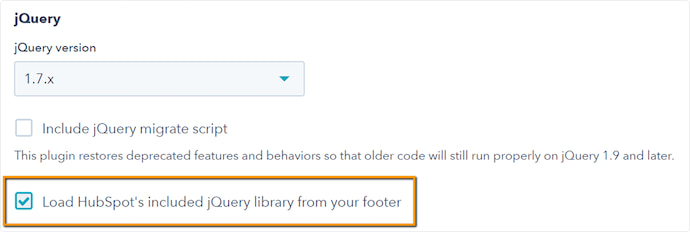
6. Evaluate other parts of your page that are contributing to page load time.
Cutting and compressing images are a great first step to reducing HTTP requests and page load time. But what else did you see on the Network panel that’s adding requests? For example, you might find that a video or Twitter integration adds an entire second or two to your load time. That’s good to know. From there, you and your team can decide whether those assets are worth keeping.
5) Make JavaScript asynchronous.
If you have JavaScript on your page that’s not asynchronous then you’ll want to take it to your developer to make it asynchronous — or remove it from the webpage altogether, if possible.
Why? It all comes down to user experience. When a person’s browser loads a webpage, it loads the page’s assets from top to bottom. When it hits a JavaScript file and wants to load it, if that JavaScript is not asynchronous, then the browser will stop loading everything else on the page until it loads that JavaScript file in its entirely.
If that JavaScript is asynchronous, then the browser will load it at the same time as it continues loading other elements on the page. Asynchronous JavaScript files make for a better user experience.
To learn more about making JavaScript code asynchronous, I recommend checking out this presentation by Steve Souders and this blog post by Visual Website Optimizer.
7. Combine CSS files together.
Every CSS file you use for your website adds to the number of HTTP requests your website requires, thereby adding time to your page load speed. While this is sometimes unavoidable, in most cases, you can actually combine two or more CSS files together. (You may have to get help from a developer for this.)
What does this mean? Every time you identify multiple CSS files that look similar, listed in your website’s HTML code, you have the opportunity to combine these files into one file so a user’s browser doesn’t have to make more than one HTTP request to produce these files. Here’s an example of a group of separate CSS files before combining them:

Now, take a look at how you can combine all of these files into one line, or file:
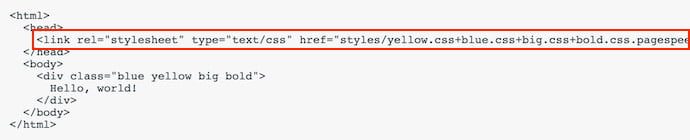
Image credit: Apache Incubator
If you use HubSpot, you can combine many CSS files automatically.
CSS code can be anywhere on your site or in any number of files, and it’ll still works just as well. In fact, often the only reason a site has multiple CSS files in the first place is because the site’s designer found it easier to work with separate files. To learn more about combining CSS files, take a look at this front-end website performance guide.


The Simple 2-Step Process for Calculating Your Market Size
When most businesses forecast their revenue goals, they first calculate their total addressable market, which is the total market demand for their industry’s products or services. Put simply, it’s the maximum amount of revenue a business could generate if they captured their entire market.
However, unless you’re a monopoly, you most likely can’t capture the total addressable market for your products or services. Even if you only have one competitor, it would still be extremely difficult to convince an entire market to only buy your products or services.
That’s why it’s crucial to calculate the maximum amount of revenue you can possibly generate by selling your products or services to the customers who would realistically benefit from buying your solutions. This amount of potential revenue is called your market size or serviceable addressable market, and you can use it to accurately measure your business’ potential for growth.
Market Size
Your market size, or serviceable addressable market, is the maximum amount of revenue you can possibly generate by selling your products or services to the potential customers who would realistically benefit from buying your solutions. This metric helps you accurately measure your business’ potential for growth.
How to Calculate Market Size
- Count up all the potential customers that would be a good fit for your business.
- Multiply that number by the average annual revenue of these types of customers in your market.


9 YouTube Video Ideas to Inspire Your Brand’s YouTube Channel [+ Examples]
Nowadays, almost every brand has a YouTube channel. However, almost no brands can boast a flourishing one.
Building a thriving YouTube channel is one of the most ambitious achievements a marketer can pursue. Not only do you have to spend time scripting, producing, and editing videos, but you also have to make sure your content actually resonates with your target audience.
To help inspire you, we’ve put together a list of video ideas that HubSpot has experienced success with on our own YouTube channel. Read on to get the creative juices flowing.
YouTube Video Ideas
- About Us
- Culture
- Ask Me Anything
- Comedy
- Shows
- Explainers
- Tutorials
- Customer Case Studies
- Product Promos
1. About Us
Your “About Us” video’s main job is to introduce your brand to future customers and make a good first impression with them. Before you put pen to paper, though, you must remember that people don’t just want to know what your company does and how you do it. They also want to know why you do it. Put simply, your brand’s purpose is what actually resonates with your audience and inspires them to follow you.
So when you’re scripting your video, make sure you spotlight why your organization exists, the values you truly believe in, and, ultimately, the reason people should care about your brand. Only then should you cover what your product or service is and how you build or develop it.
2. Culture
As I approach my one-year anniversary as a college graduate, reality has officially sunk into my bones. As adults, we spend the majority of our lives working — and not hanging out with our friends like we did during the glory days.
However, I’ve also realized that if you love your job and company, work isn’t some dreadful chore that you check off your to-do list everyday. It’s actually a blessing and something you can’t imagine living your life without.
In order to build a company that your employees love working for, cultivating an authentic, people-first culture is a crucial first step. Once you do this, consider creating a video that highlights your culture and your employees’ genuine praises about your company. Not only will it persuade elite talent to apply to your open roles, but it’ll make potential customers think more highly of your brand.
3. Ask Me Anything
Since your executives’ public perception directly impacts people’s sentiment toward your brand, like Elon Musk and Tesla, they’re essentially the face of your company. And with all the status, attention, and aura surrounding them, your knee-jerk reaction might be to polish their interactions with the public as much as possible.
However, most people can spot a walking press releases faster than they can exit out of pop-up ad. So it’s actually better to set your executives free and allow them to genuinely interact with the public.
Breaking down the barriers between your executives and audience also makes your fans feel like they actually know your leaders on a personal level — and this’ll develop a more intimate and loyal relationship between your company and your potential customers.
One of the best ways to connect your executives with your audience is by setting up Ask Me Anything or Q&A sessions, where people can ask your executives any question they want and your executives agree to honestly answer as many of their questions as they can.
4. Comedy
Even in 2019, most companies still stuff their YouTube channels with formulaic corporate videos that are scripted in jargonese. Trying to capture people’s attention with these boilerplate videos is nearly impossible. That said, what’s the best strategy for standing out from the crowd?
Well, according to Psychology Today, humans associate the same personality traits to brands as they do with people, so, just like how we choose the people we spend our lives with, we engage with the brands that can evoke warm feelings in us, especially feelings of humor.
So before you green-light another talking head video, think about spicing it up and adding some humor. You’ll inject more color and personality into your brand, which consumers desperately crave when they interact with businesses.
5. Shows
In the neuroscience field, researchers have proven that storytelling is the best way to capture people’s attention, bake information into their memories, and resonate emotionally with them. The human brain is programmed to crave, seek out, and respond to well-crafted narrative — that’ll never change.
So just like your favorite Netflix show, creating shows can entire your viewers to watch entire seasons of your series, subscribe to your channel, and get more excited for your show’s newest season than they currently are for the final season of Game of Thrones.
Most brands also produce their content disparately, severing them from any thematic anchor, so tying your stories to a unique angle and telling them in an episodic fashion can help separate your videos from the rest of the pack.
6. Explainers
Whether it’s an exciting new trend or difficult-to-grasp technology, your audience wants to learn about your industry’s innovations to stay ahead of the curve. In order to fill their curiosity gaps, consider creating explainer videos about your industry’s latest trends and technology.
However, don’t just make a talking head video of someone droning on about the topic of discussion. People crave a variety of stimulus when they consume content, so get creative and complement your video’s narration and text with a diverse mix of dynamic graphics, popular movie scenes, and footage of real people.
Visual storytelling also helps people grasp concepts and data easily, so each time your narrator expands on a concept or some data, your viewers can listen to the information and watch a visual representation of it, helping them form a concrete understanding of your video’s central idea.
7. Tutorials
It doesn’t matter if they’re guitar lessons, beauty lessons, or how-to videos about making a fire with a lemon, people love learning how to improve their lives. So if you can cover topics that people are passionate about and teach them how to get better at them, they’ll be able to live better lives, which will help grow your channel’s brand loyalty and sentiment, retain your viewers’ attention, and attract their friends’ attention by way of word-of-mouth marketing.
Just like your explainers, make sure you diversify your tutorials’ visual stimuli. Because, contrary to the rest of the types of videos on this list, the best tutorials are actually talking head videos, but they also have engaging visuals that make them more distinct and gripping.
8. Customer Case Studies
Social proof and word-of-mouth are some of the most potent tactics at your disposal. Humans evolved to follow the crowd and assume the majority is always right, so the more testimonials you have, the more credible and trustworthy your brand will seem.
Your case studies are also some of the most persuasive types of sales enablement content, so make sure your sales reps and potential customers can easily find them on your YouTube channel.
When scripting your case studies, you want to place your potential customers’ in your current customers’ shoes, so focus on how your customer faced a specific problem, what they initially did to try and solve it, how they discovered your solution, the experience of using your solution to solve their problem, and the results they produced with your solution.
9. Product Promos
Tailored for potential customers who are further along the buyer’s journey, product promos are videos that spotlight your product’s top features and tangible benefits. This type of video is powerful because it can convince potential customers to move on to the final stage of the buyer’s journey and seriously consider purchasing your product or service.
If you want to learn how to create compelling product videos, check out one of Meghan Keaney Anderson’s blog posts about 7 of the Best Promotional Product Videos Ever Made.
In her post, the VP of Marketing at HubSpot says remarkable product videos all share four elements: engaging dialogue and narration, a comprehensive yet concise explanation of the product and its benefits, professionalism, and empathy and relatability. To see one of these videos in action, check out this product promo about HubSpot’s Growth Stack.

How to Use Limited Time Offers to Drive Sales
Last week, this appeared in my inbox:

I hadn’t even planned on online shopping that night — and, while I’d been in the market for a new wallet, I wasn’t considering Kate Spade as an option until I received this email.
But those two words — last chance — compelled me to click, and subsequently purchase, from Kate Spade’s website.
I mean … I didn’t want to miss out now, did I?
Limited time offers are rooted in the psychological phenomenon known as loss aversion, which is the idea that people prefer avoiding losses over acquiring gains.
Simply put, someone would feel more upset losing $10 than they would feel happy winning $10.
When I received Kate Spade’s limited time offer, I immediately felt an impending sense of loss — if I didn’t act immediately, I’d lose the bargain. This spurred me into action. This is why limited time offers could be a good tactic to drive sales for your business.
Here, we’re going to take a look at impressive limited time offer ad examples, as well as compelling limited time offer wording, to ensure you’re able to create your own highly engaging limited time offer ad.

Limited Time Offer Ad Examples
1. Bath & Body Works Semi-Annual Sale
Bath & Body Works Semi-Annual Sale impressively has its own landing page, and uses cute cartoon rubber ducks in a 42-second video to convey their deal. Plus, the limited time offer is incredibly compelling, using phrases like “up to 75% off storewide” and “the biggest sale of the year” to urge hesitant shoppers to stock up on their favorite soaps and candles. When creating your own offer, you might consider going all-out with a landing page and video to signify the importance of the deal.
 Image courtesy of Bath & Body Works.
2. Dunkin’ Donuts’ Pumpkin Spiced Latte
Every fall, Dunkin’ Donuts’ customers can get excited for new flavors for a limited time, including Dunkin’s Pumpkin Crème Brulee Latte. Their “Pumpkin’s Back, Get Pumped” messaging is funny and clever. This ad likely encourages returning customers to drive to a Dunkin to try something new — additionally, it could appeal to a new demographic particularly intrigued by the pumpkin flavor. For your own limited offer, consider a seasonal product you might offer to incentivize both new and returning customers to purchase.
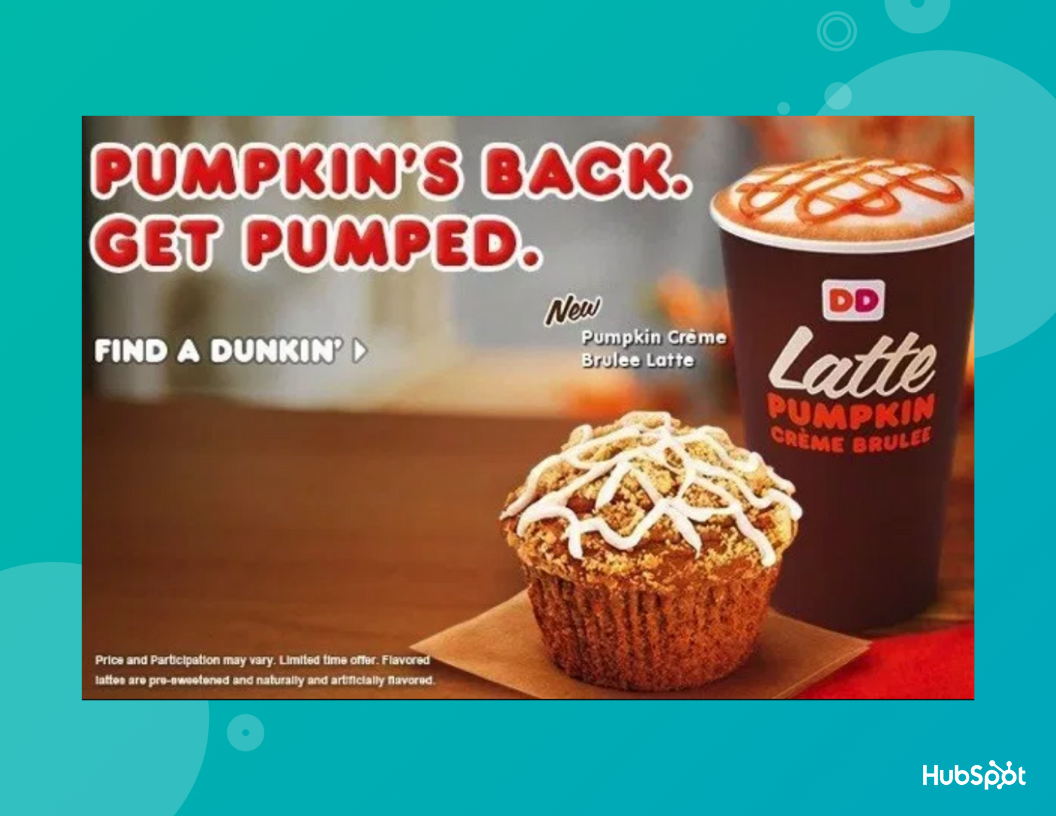
Image courtesy of Theimpulsivebuy.com.
3. Target’s Video Game Offer
Target often offers limited time two-for-one deals on their products — in fact, they have a “Buy 2 Get 1 Free” landing page for their video games. Additionally, they temporarily offered a $10 gift card to incentivize customers to pre-order Borderlands 3 before April 9. For your own offer, you might try offering added value, like a gift card, on a product to encourage initial interest.

Image courtesy of Target.
4. Tobi’s 60% Off Denim Deal
Tobi, an e-commerce clothing store, does an impressive job regularly attracting visitors to its site through deals and limited offers. For instance, take a look at this “60% Off Denim Sitewide” email from Tobi. The use of emojis helps the offer stand out in the user’s inbox, and could even help a user more easily spot the email again after she opened it.
Similar to Tobi, you might also consider offering an all-encompassing sale on a specific product category, like ‘Denim’. Whether a user is interested in shopping for denim or not, the offer will likely peak users interest enough to attract more traffic to your site.

5. Macy’s Lowest Prices of the Season Sale
Not going to lie — the ticking clock at the top of their web page even incentivized me to peruse some of Macy’s temporarily on-sale products. Additionally, the “lowest of the season” messaging could urge hesitant shoppers to purchase products today from Macy’s, rather than waiting to compare competitor’s prices. Perhaps you offer your own “Lowest Prices” deal, which could motivate shoppers to purchase your products immediately.
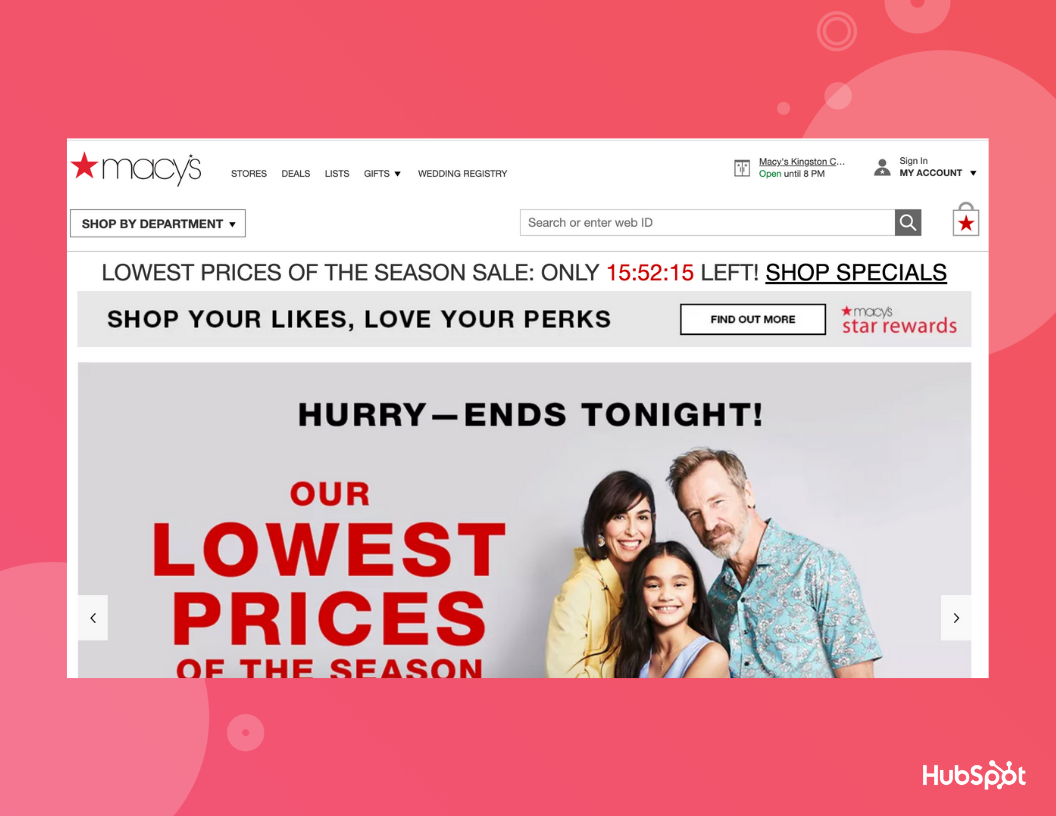
Image courtesy of Macy’s.
To sum up, there are plenty of strategies you can employ to find success with your own limited offer deal. Here are a few suggestions, inspired by the deals listed above:
- Create a landing page for your offer.
- Use video, not just text, to convey the deal.
- Get clever with your wording.
- Offer a seasonal product.
- Give away a gift card in exchange for a specific purchase.
- Use emojis in your email blast.
- Offer sales on certain product categories.
- Put a ticking clock at the top of your web page, so users feel an added sense of urgency.
Next, let’s consider what type of wording you’ll want to use in your limited time offer to truly motivate users to purchase immediately.
Limited Time Offer Wording
Hurry.
Last chance.
Don’t wait!
These are the types of phrases you’ll see accompanying limited time offers, and for good reason — all of these phrases convey a sense of urgency, and even inspire a sense of anxiety in viewers.
When you see “Don’t wait!” in your inbox, for instance, you’re more likely to pause and consider your options right away, since the messaging is clear — you don’t have the luxury to consider your options tomorrow.
Of course, you want to be cautious with your limited time offer wording. If you’re too aggressive or pushy, you risk frustrating viewers into deleting the message completely.
When wording your limited time offer, you’ll want to consider why this deal is special, and how long the deal lasts. Additionally, it’s critical you include an exciting and compelling CTA.
Remember how Bath & Body Works mentioned “The biggest sale of the year”? It’s necessary to tell viewers why your deal in particular is special. If it isn’t the biggest sale of the year, maybe it’s the first deal you’ve ever offered on a specific product, or a new seasonal product only offered for a limited time.
Ultimately, users need to know why they should care about this deal over all the other deals flooding their inbox.
Additionally, it’s vital you clarify the time period of the deal. “Hurry, deal ends tonight!” is helpful, as is, “Offer valid through April 31” or “Today only”. You’ll need to let your viewers know how long they have to act on your offer.
Finally, you’ll want to include a compelling CTA. For instance, when I click on Tobi’s “60% Off Denim” link, the CTA says, “Get 60% Off Now”. Who wouldn’t want that?
Alternatively, you might try “Sign Up for Savings”, “Claim Your Free Wallet”, or “Send Me The Coupon”.
Take a look at “31 Call-to-Action Examples You Can’t Help But Click” for more CTA inspiration.

How to Use Social Proof in Your Marketing
Looking for ways to boost your credibility using social media? Wondering how to capitalize on positive company mentions? In this article, you’ll discover how to incorporate social proof into your social media marketing. Why Include Social Proof in Your Social Media Marketing? The term social proof was coined by prominent psychologist and author Robert Cialdini. […]
The post How to Use Social Proof in Your Marketing appeared first on Social Media Marketing | Social Media Examiner.
from Social Media Marketing | Social Media Examiner http://bit.ly/2D82Xch
via socialmediaexaminer