
Welcome to My Blog
5 Clues You Micromanage and How to Stop [Quiz]
Ever heard the term “helicopter parents”? They’re the hyper-present, overbearing moms and dads who take pay excessively close attention to their kids’ experiences and problems.
Well, helicopter parents are to their kids what micromanagers are to their direct reports. While being engaged in your colleagues’ lives is important, micromanaging their every move can backfire.
Micromanage Definition
To micromanage is to assume control over a task, project, or operation to a very particular degree. Micromanaging people isn’t just the act of controlling their work, but also the decisions they make and their execution of that work. It’s generally frowned up in the modern workplace, as it can inhibit a person’s initiative and creativity.
Over-involvement often sends the underlying message that you don’t trust that they can successfully accomplish anything on their own. That can take a serious toll on an employee’s self-confidence.
Other consequences of micromanaging include inhibiting their growth, slowing their productivity, increasing their anxiety, and making them feel like they need to wait to be told what to do.

You might be wondering if your own manager — or you, yourself — micromanages. Luckily, Wrike, a collaboration platform for businesses, has a free and easy quiz you can take to help you find out, which we’ve shared below. But before we dive into those questions, take a look at some common examples of micromanagement for context around what this work style even looks like today:
Micromanagement Examples and Telltale Clues
Micromanagement can look different depending on the work, the size of the team, and of course, the manager. Here are some common signs that you might be the “helicopter parent” of your team.
1. Your team doesn’t ask you questions.
This is a fairly common byproduct of micromanaging. If it seems like your colleagues don’t have any questions for you, it could be because you work with them so closely that they don’t have anything left to ask you.
No questions sounds like a good thing, right? Not necessarily. Just because your team has nothing to ask you doesn’t mean they know everything. Questions from your team are a sign that your team feels like it has something to contribute to the project. If they’re not asking questions, you might be walking them through too much of their own work — and that’s not a good thing in the long run.
2. Your coworkers don’t volunteer to take on new tasks.
The road to becoming a manager involves taking initiative and being bold, both of which you learn by having to make various decisions on your own. If your coworkers aren’t taking the ball on new tasks, it might mean you’re making too many decisions for them — discouraging them from taking shots on certain tasks by themselves.
3. You have more to say about a project during its development than its final review.
Managers often review a product extensively when employees finish making it. Naturally, you want to see if the work your employees did meets your (or the company’s) expectations.
But if most of your criticism took place during the product’s development, rather than at the end (or after certain checkpoints), you might’ve had too much oversight on the project. Of course you didn’t have anything to say about it at the end; the product was formed under your strict guidance.
Although this, too, might sound like a good thing, it can actually prevent you from seeing value in other people’s approaches — and prevent them from solving problems on their own. It feels reassuring to see work get done exactly the way you wanted it to, but having nothing to review at the end but a product dictated by you will ultimately make the product weaker.
4. You find yourself checking up on a coworker at their desk several times a day.
How often are you wheeling yourself over to an employee’s desk to “help” them with something? It’s one thing if you’re being invited over to your colleagues’ workstations to sharpshoot an issue — if so, keep it up; people obviously value your input — but it’s another if you’re simply visiting them to check up on progress.
“Checking up” is the operative term, here. According to Harvard Business Review, there’s a small but important difference between checking “up” and checking “in” with an employee, and it has everything to do with the questions you ask when visiting with them. While “how’s that report coming?” is a quintessential checking-up question, “is there anything I can do to help you?” is a more constructive check-in question that passes less judgment and keeps an employee motivated to keep working.
5. You feel like nothing is getting done on time.
As the expression goes, “a watch-pot never boils.” Micromanagers can be especially prone to feeling as if a task is taking forever to complete. But if you’re simply watching your team as they work on it, time can pass awfully slowly.
At the same time, there’s a difference between micromanaging and simply taking a hands-on approach to a team effort. So, what do you think? Are you a micromanager? Take the quiz below from Wrike, and then total your points to find out whether you’re a micromanager, a team player, or someone who’s being micromanaged yourself.


How’d you do? If Wrike’s quiz gave you startling news about your management style, don’t panic. Seeing evidence that you need to loosen the reins on your team a little is the necessary first step. So, where do you start?
How to Stop Micromanaging
Consider all the examples and questions you resonated with above, and address them one by one. To get you started, here are a few easy ways to curb your tendency to micromanage:
Solicit Questions From Your Team
Do employees tend to ask you very few questions during the week? Carve out a few minutes at the end of every team meeting — or at one-on-ones with individual employees — to solicit questions from them. The more questions you have the opportunity to answer for your staff, the more trusting of their work you’ll become and the less likely you’ll feel the need to watch their every move.
Set Project Check-in Meetings
If you’re constantly “checking up” on employees, rather than “checking in” with them, you might just need to organize your team’s work a bit better. Set up regular (but infrequent) meetings with your team to answer questions, troubleshoot, and take a look at a project’s progress. This gives you something to look forward to, so you’re not making impromptu visits to others’ desks out of worry that their work isn’t staying on track.
Write Up Best Practices and Instructions
This can be especially helpful for on-boarding new employees. Putting your performance expectations in writing prevents you from hand-holding new hires for too long before letting them get started by themselves. Written instructions also allow staff to solve problems and refer to your tips on their schedule, so the management you do have over your reports doesn’t interrupt them when they’re just trying to crush their next big assignment.



JAMF Now adds custom .pkg deployment and in-house applications
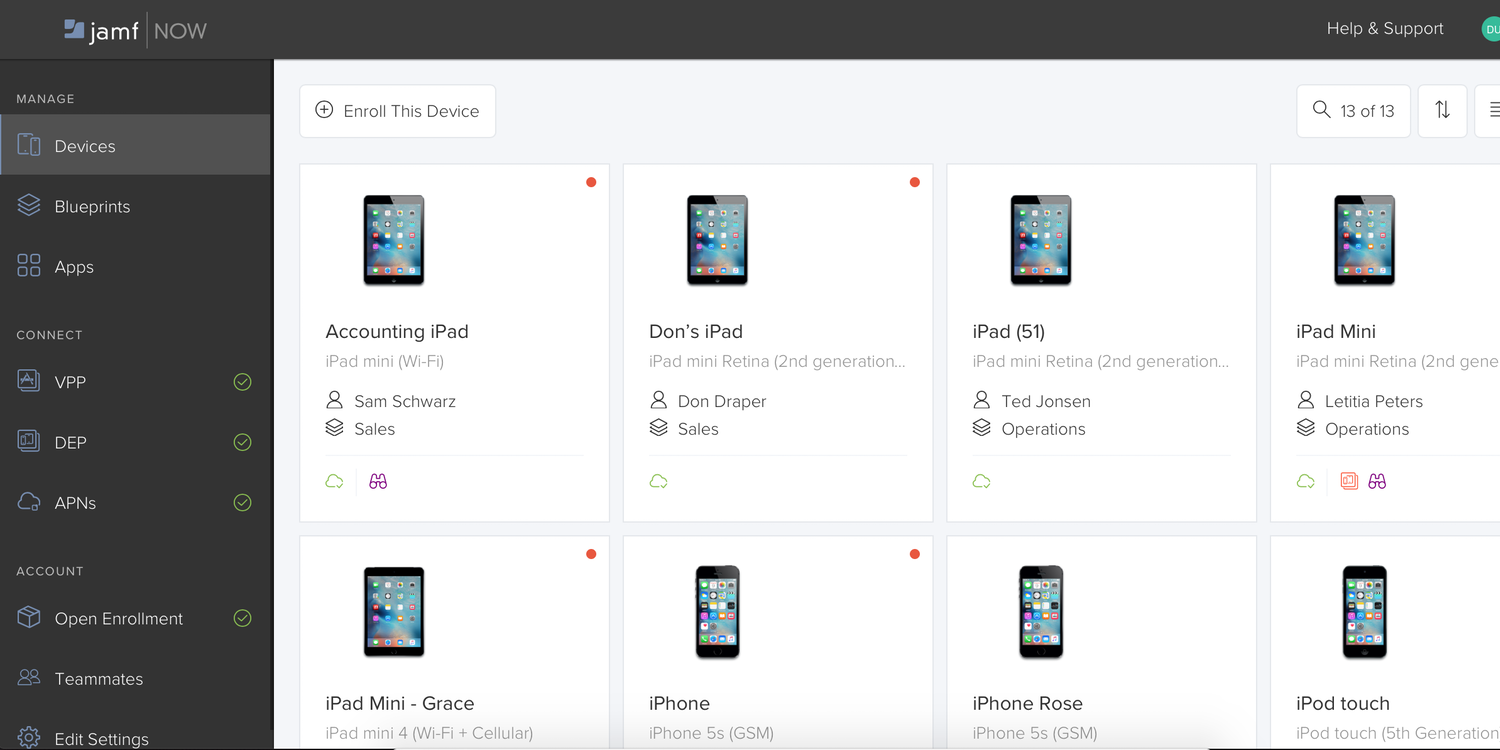
JAMF is the maker of the Apple-focused mobile device management platform. They have two products: JAMF Now and JAMF Pro. I am actually a JAMF Pro customer, but JAMF Now is a really great platform as well. JAMF Now is aimed at businesses without an IT department, while JAMF Pro has a number of bells and whistles that IT departments often require.
These are the top reasons users switch from Android to iOS, according to a new survey

iPhone: How to customize transit directions in Apple Maps

While Apple is continuously rolling out the feature, Transit for Apple Maps is a pretty nifty tool if it’s available in your city, and if you rely on public transportation heavily.
Just in time for 2018 iPhones, T-Mobile users can now join the iPhone Upgrade Program online

T-Mobile is making life much easier for customers looking to upgrade their iPhone on a yearly basis. Starting this month, the Uncarrier is allowing customers to enroll in the iPhone Upgrade Program online or via the Apple Store app.
Tesla responds to ongoing poaching war with Apple: ‘We have 100 times less money than Apple’

Following a report earlier this month indicating that Doug Field was back at Apple after a brief stint at Tesla, CNBC is out today with a broad look at the ongoing poaching war between Apple and Tesla. The report highlights that so far in 2018, some 46 Tesla employees have jumped ship to join Apple.
Apple releases iOS 12 beta 10 for iPhone and iPad

Three days after the last iOS 12 beta for developers, Apple has released an updated build. iOS 12 developer beta 10 is now available.
Why Facebook Removed 5,000 Ad Targeting Options (And What to Expect Next)
Facebook announced this week that it will remove more than 5,000 targeting options from its custom audience ad tools.
Advertisers on Facebook can use these targeting tools to customize (and personalize) who sees their ads; for example, women in a certain age group, in a certain region, who are interested in a certain category of products.
In the coming weeks, Facebook said in a blog post, many of those targeting options will no longer be available, such as those related to ethnicity, religion, and national origin.
Source: Facebook
The announcement comes after the U.S. Department of Housing and Urban Development filed a complaint against Facebook for allowing discrimination in targeted ads related to housing.
These targeting tools, the complaint says, allow advertisers to violate the Fair Housing Act, which prohibits the discrimination of potential renters or homebuyers by landlords and sellers.
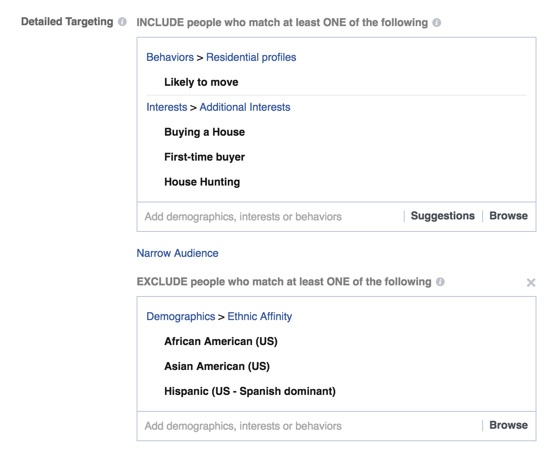
In 2016, ProPublica also identified the ability within Facebook’s targeting tools to exclude ads from certain “Ethnic Affinities.”
Source: ProPublica
What This Means for Advertisers
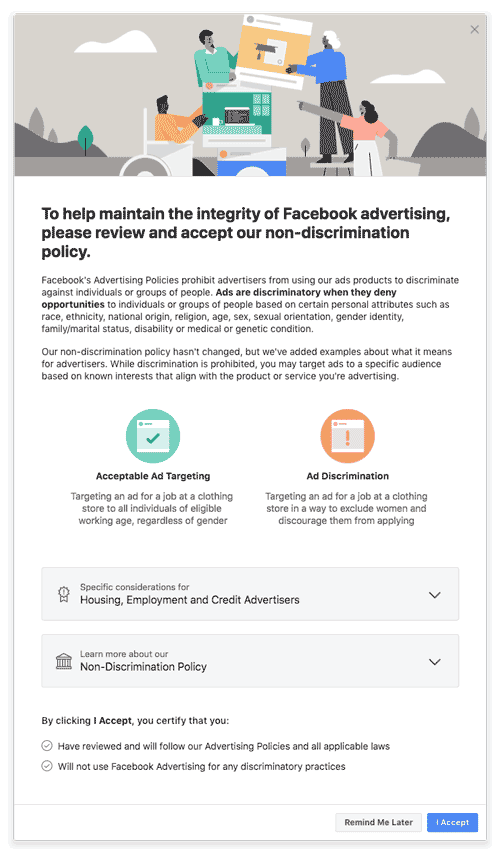
Facebook says that it already requires advertisers within the categories of housing, employment, and credit to complete a compliance certification on its non-discrimination policy.
With these changes, all U.S. advertisers will be required to complete that certification, which they will find in the Ads Manager tool. And until they do, they won’t be able to continue to advertise on Facebook.
Eventually, that certification requirement will be rolled out to other countries and advertisers using such other Facebook tools as its APIs.
One of the factors that makes Facebook so valuable to advertisers is the amount of data it owns on its users, from their lifestyle preferences to their political beliefs. (Here’s what happened when I downloaded my Facebook data file.)
And while that data isn’t personally identifiable to advertisers — unless it’s misused, which is what happened in the Cambridge Analytica scandal that took place earlier this year — it allows for an arguably unrivaled level of ad personalization.
But to many, the removal of these targeting options is likely to have a generally favorable outcome.
“These changes seem to be aimed at limiting particularly unethical targeting,” says HubSpot VP of Marketing Jon Dick, “which will have nothing but positive implications on the user experience.”
But How Effective Will It Be?
We started to think about some of the broader problems that could potentially be solved by the removal of targeting options. One of them was the presence of echo chambers on social media: a term describing what happens when users are exposed only to content and conversations that reflect their current points of view or belief systems.
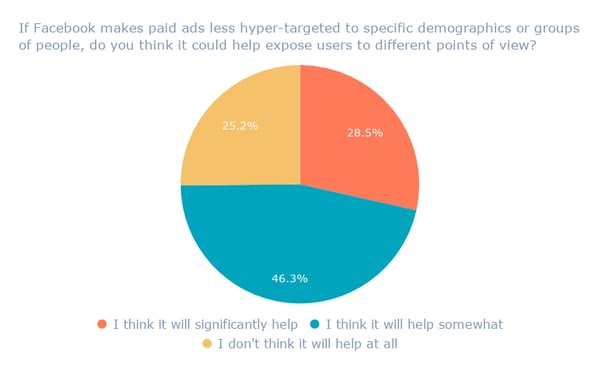
We asked 708 internet users across the U.S., UK, and Canada: If Facebook makes paid ads less hyper-targeted to specific demographics or groups of people, do you think it could help expose users to different points of view?
For the most part, people believe that the removal of these targeting options could solve some problems — but not all of them.
Data collected with Lucid
The highest amount of optimism came from the U.S., where 37% of respondents indicated that they believe these changes will make significant improvements.
.png?t=1535050830373&width=600&name=Responses%20by%20Region%20(17).png)
Data collected with Lucid
But in terms of prioritizing the issues Facebook says it’s looking to address, discriminatory ads seems to fall to the bottom of the list, with only 4% of respondents on average citing it as the problem to fix first.
.png?t=1535050830373&width=600&name=Which%20issue%20do%20you%20think%20Facebook%20should%20fix%20first_%20(1).png)
Data collected with Lucid
Instead, it seems, data privacy is a top priority across all regions surveyed.
.png?t=1535050830373&width=600&name=Responses%20by%20Region%20(18).png)
Data collected with Lucid
Still, says Dick, addressing the issue of discriminatory ads is relevant to Facebook’s broader scope of issues.
“Advertising on Facebook has been the wild west for a decade. Never before have marketers had so much access to such personal and granular data,” he explains. “And just like the wild west, there are ‘good guys’ and ‘bad guys’ in its advertising ecosystem.”

watchOS 5: How to add sports updates to the Siri watch face

The Siri watch face arrived last year and offers a nice mix of smart recommendations and alerts from weather, calendar, reminders, Apple Music, and more. But what about sports scores and updates? Fortunately for sports fans, Apple is bringing this functionality to the Siri watch face with watchOS 5, here’s how to turn it on.
Back to the Mac 011: Are longer Thunderbolt 3 cables slower? [Video]
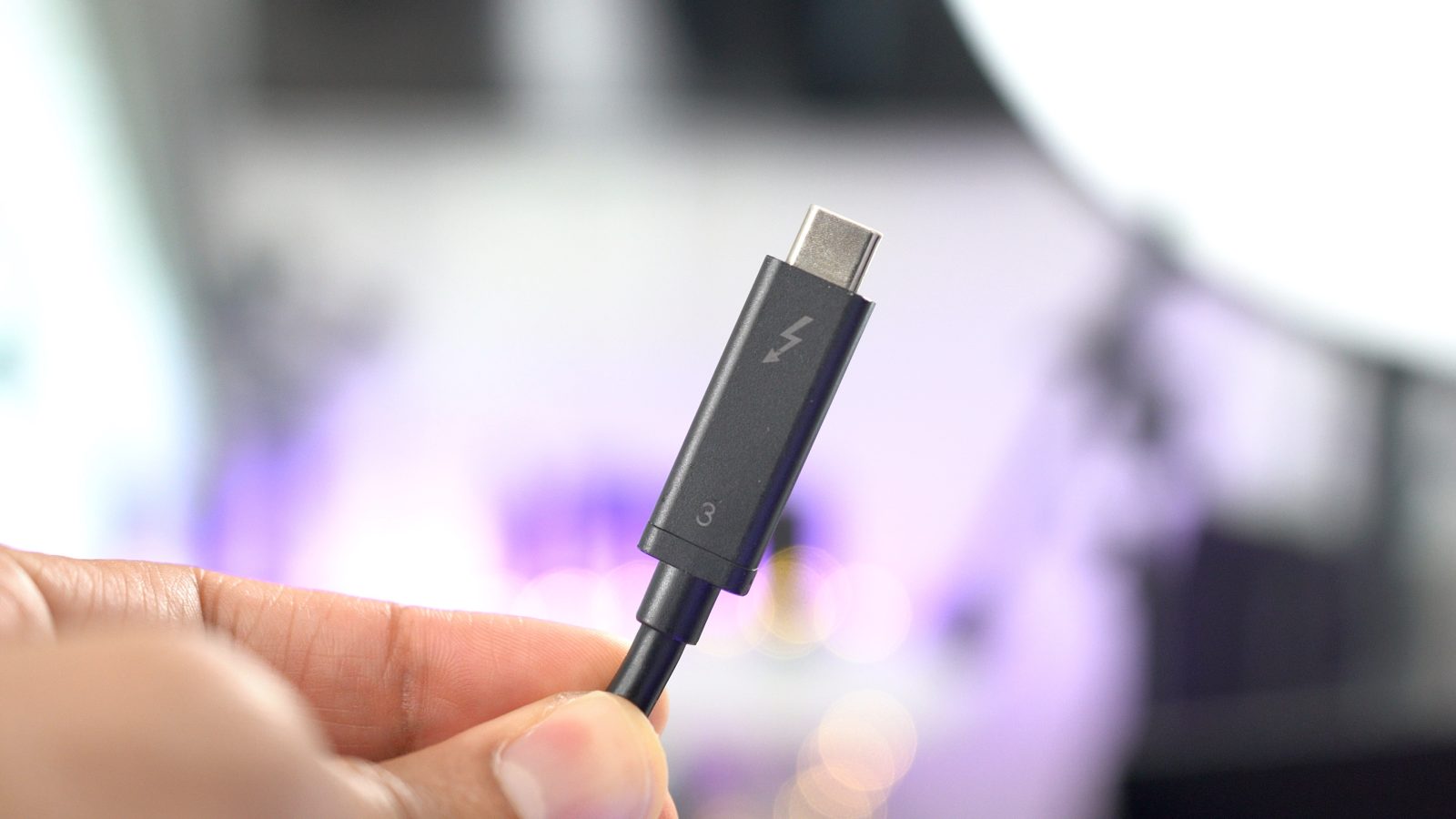
Whenever I complain about how companies tend to ship 0.5-meter cables with their Thunderbolt 3-enabled products, I sometimes encounter pushback reminding me that longer cables noticeably hinder performance. But is that really the case? more…
Tim Cook co-signs letter to Trump administration asking for more consistent and streamlined immigration laws

Tim Cook is anything but shy when it comes to human rights issues, diversity, and to an extent — immigration.
9to5Toys Lunch Break: Elago Apple Watch Stand $9, Beats Studio3 $205, Kenwood CarPlay Receiver $500, more

Keep up with the best gear and deals on the web by signing up for the 9to5Toys Newsletter. Also, be sure to check us out on: Twitter, RSS Feed, Facebook, Google+ and Safari push notifications.
Listen to the new 9to5Toys Daily Podcast:
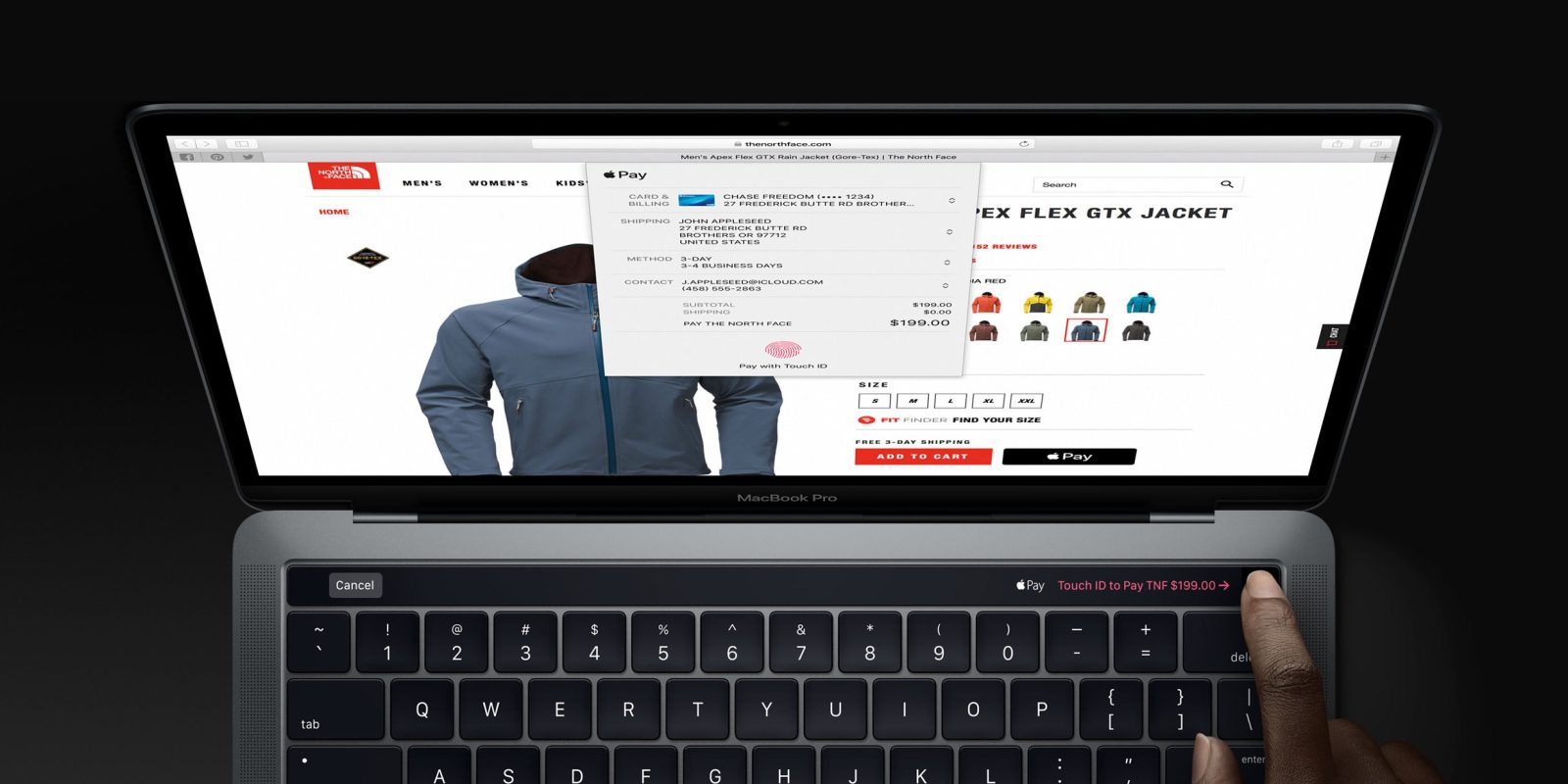
Apple Pay adds 39 more banks across the US and China
DJI unveils Mavic 2 Zoom & Pro drones: Hasselblad camera, 2x optical zoom, more

If you’re a fan of stunning aerial footage around Apple Park, DJI just made it easier to capture your own. Our sister-site DroneDJ is on location at DJI’s latest product unveiling in New York City where the drone maker is launching two new consumer quadcopters with some serious specs.
Mavic 2 Zoom packs a 2x optical zoom lens for capturing hard-to-reach scenes from the sky. If optics are your focus, Mavic 2 Pro touts an onboard Hasselblad L1D-20c camera with a 20 MP shooter and 10-bit HDR video capture.
Working Apple-1 with no modifications going up for auction next month

Going up for sale next month at RR Auction is a rare, fully operational Apple-1. Notably, the computer has no modifications to the physical board and was restored and evaluated by expert Corey Cohen.
Twelve South launches PlugBug Duo, charges two devices in addition to your MacBook

Twelve South has unveiled its latest Apple accessory today, PlugBug Duo. Building on the popularity of its PlugBug World, the new release offers the same benefits like five international adapters, but now adds two USB-A ports to your MacBook charger.
Apple again running Apple Pay promo with donations to the National Park Foundation

How to Create SMART Goals
