
Welcome to My Blog
The Ultimate Guide to Marketing and Business Books
My parents, teachers, and coaches all instilled in me the importance of reading. Fiction or non-fiction, self-improvement or fantasy, reading supposedly makes us all smarter … right?
Reading promotes creativity, gives us refuge from the “real” world, provides us with knowledge about any topic we want to know more about, makes us better writers, and inspires us.
It just so happens that some of the most powerful business magnates in the world are also avid readers.
Mark Zuckerberg, Oprah Winfrey, and Bill Gates are all self-proclaimed bookworms who attribute their success to reading.
Even billionaire Warren Buffett is said to read about 500 pages per day.
If some of the most successful people in the world credit their success to something as simple as reading, then why wouldn’t you give it a try?
Whether or not you aspire to become a billionaire, there are thousands of business and marketing books to help propel you towards your career goals. These books may just provide you with the inspiration you need to make your next — big or small — career move.
Business Classics and Fundamentals
These books provide an overview of broad business topics and give context for the way business is done today.
Business Adventures by John Brooks
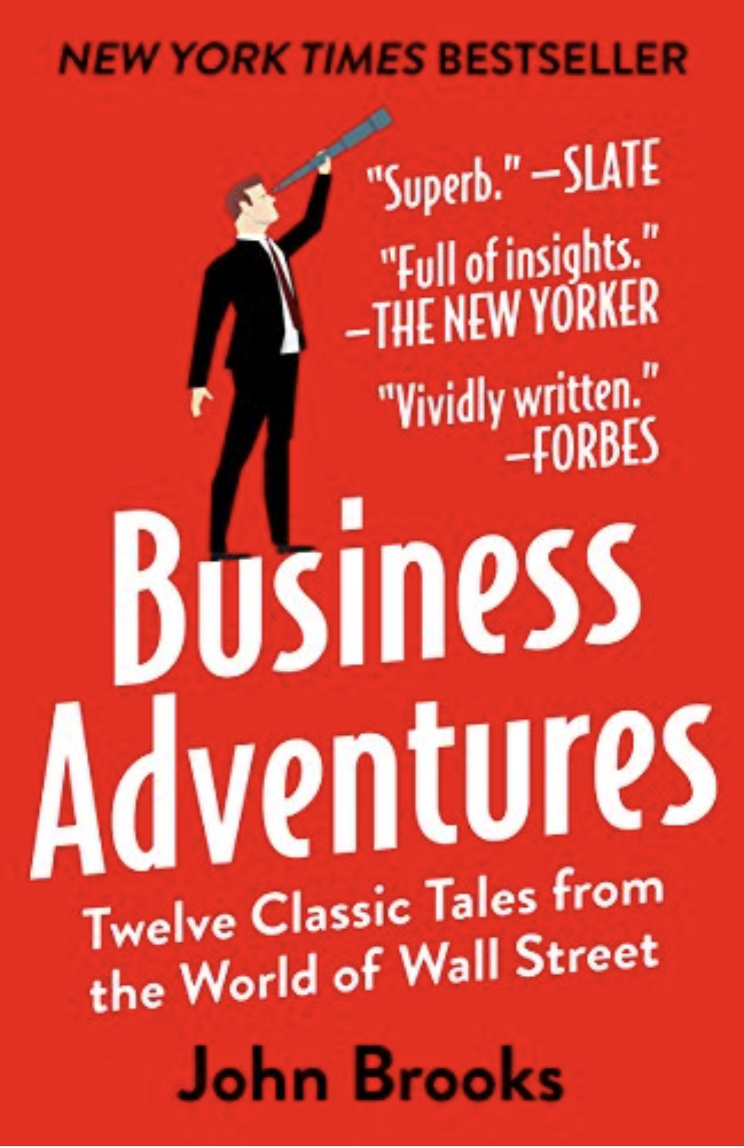
Businesses need the right people on their team to successfully plan, implement, and carry out short- and long-term goals. The way team members and leaders react in both times of success and hardship will make or break their companies.
Circling back to the influential billionaires I mentioned above, Bill Gates calls Business Adventures — which was a gift from Warren Buffet — one of the best business books he has ever read.
The book tells the crisis and triumph of several prominent companies, including Ford Motor Company’s Edsel disaster, the rise of Xerox, and the GE and Texas Gulf Sulphur scandals. Brooks also details the stock market crash in 1962 and the chaos that ensued on Wall Street.
Business Adventures is a must-read for anyone who is currently running, or aspires to run, a resilient business.
Radical Candor: Be a Kick-Ass Boss Without Losing Your Humanity by Kim Scott
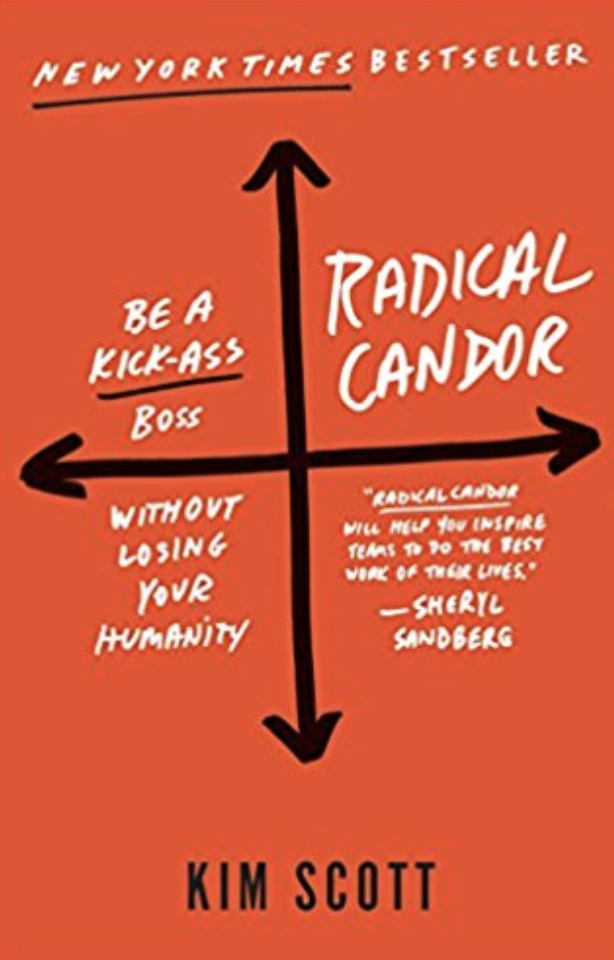
If you’re looking for a lighter read that provides applicable information on how to be a successful boss and colleague, then this New York Times Bestseller is for you. Scott uses her own experiences at Google, Apple, and other tech companies to provide examples of how to be a respected leader and encourage others to do their best work.
Radical Candor shows readers how to build strong relationships in a work environment, create a culture of feedback, shape a connected team, and achieve goals everyone can be excited about. Scott is engaging, humorous, and provides readers with entertaining illustrations throughout the book.
Den of Thieves by James B. Stewart
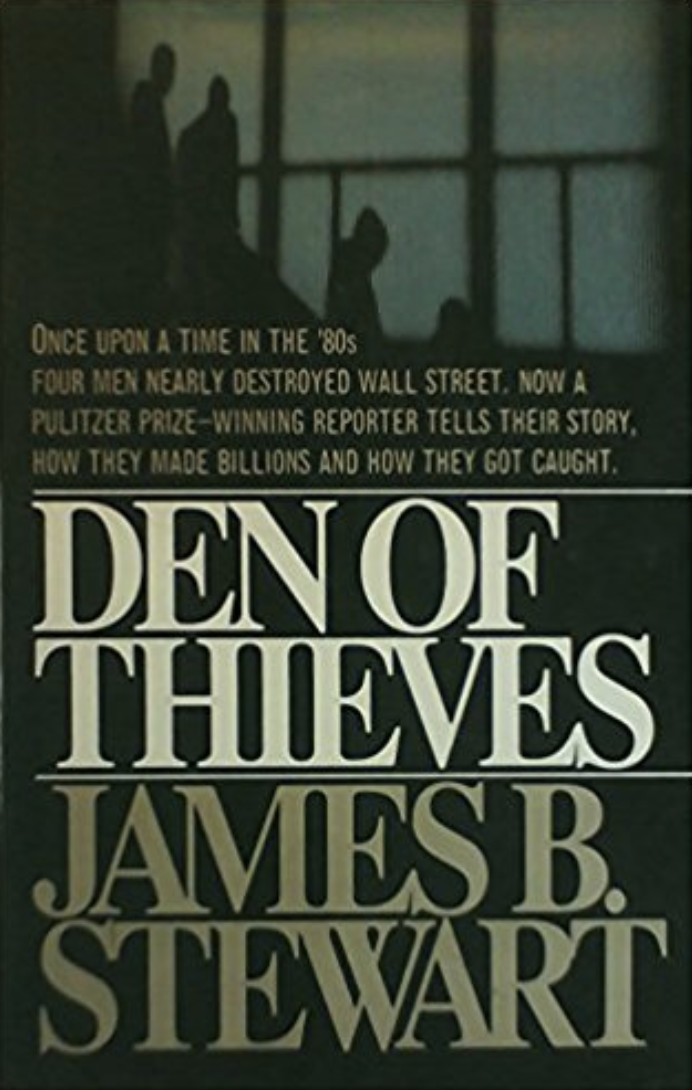
Ever hear that saying, “Money and power corrupt”? That’s what happened in the 1980’s when a group of elite Wall Street financiers were involved in one of the biggest insider-trading scandals in history. Stewart recounts the damage done and the punishments the criminals received after nearly destroying Wall Street.
This book is a great option if you’re looking to read something informational but with some added drama and excitement. Den of Thieves is not a typical “how to” business narrative about ways to stay in control of your finances. It’s a real story about the dangers of greed and arrogance in business.
Pivot by Jenny Blake
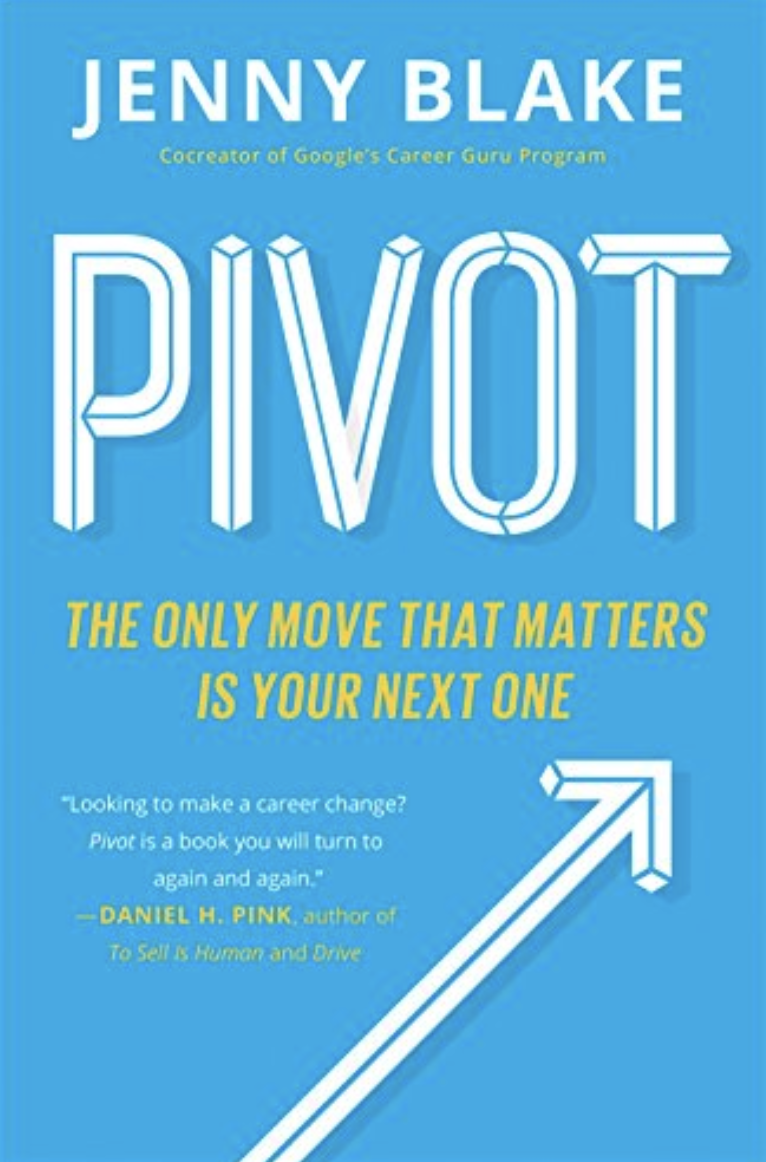
Today, our careers are longer and a lot less predictable than they once were. Most people realize they won’t be doing the exact same type of work throughout their career. Additionally, many companies strive to help their employees find their career path even if it leads them elsewhere.
Blake’s book helps readers arrive at the answer to the often complicated question, “What’s next in my career?” She describes her own career “pivot” and explains the importance of being adaptable, flexible, and patient when moving into a new role or company. Whether or not you know exactly what you want to do in the future, Pivot will teach you how to be smart about your next move.
Check out this blog to learn about another classic business read.
Management
CEOs, directors, managers, and even employees just beginning their careers can use these books to learn how to become strong and respected leaders in the workplace.
The Innovator’s Dilemma: When New Technologies Cause Great Firms to Fail by Clayton M. Christensen
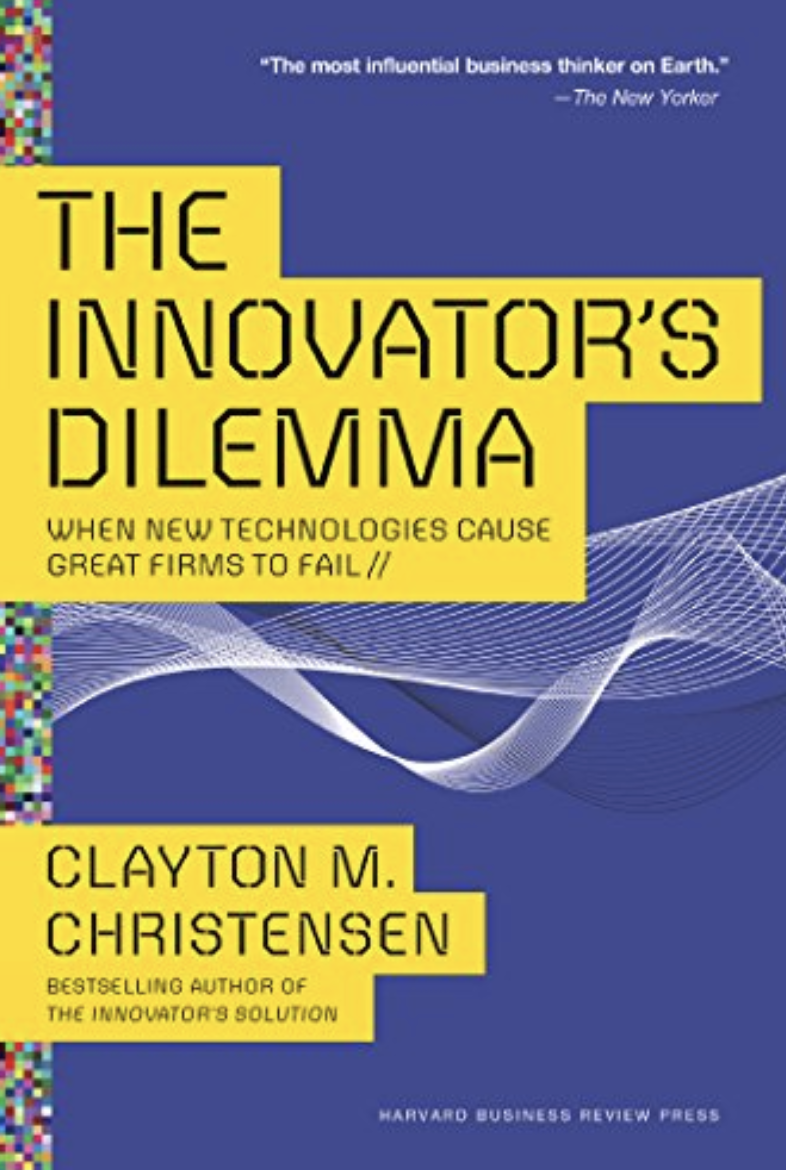
Christensen drives his point home about the importance of strong leadership by citing some of the most successful CEOs and managers in history — such as Jeff Bezos and Steve Jobs. He argues that no matter what resources a company has, chances are it’s going to be hard to achieve business goals without the right people leading.
The Innovator’s Dilemma brings to light the issues that come with ever-changing technology and the impact it has on the leaders who cannot accept or keep up with these developments.
Act Like a Leader, Think Like a Leader by Herminia Ibarra
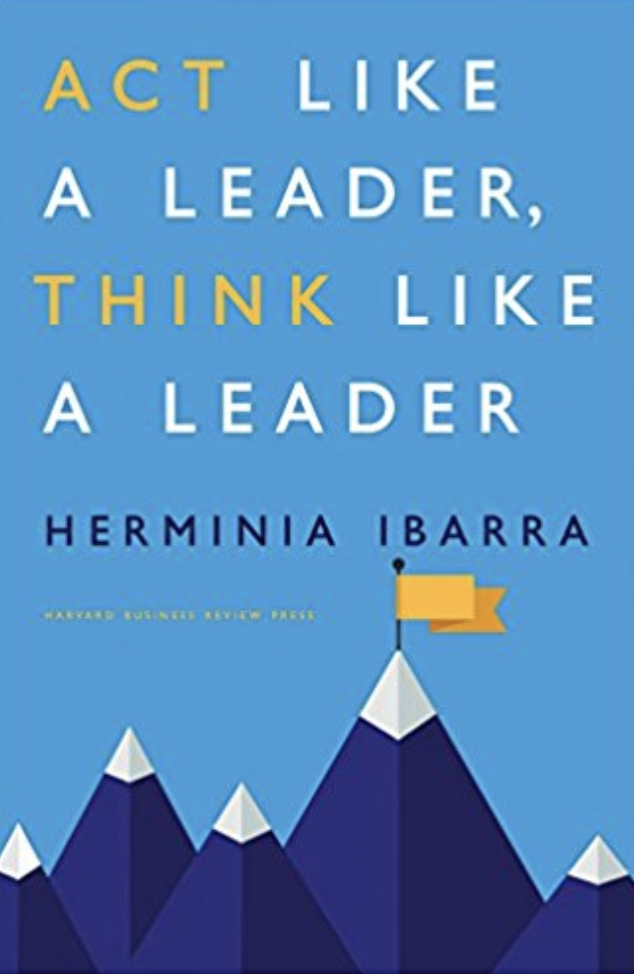
Successful CEOs, directors, managers, and leaders aspire to be respected, liked, and impactful among other things. The issue is finding the balance between being a skillful leader that supports colleagues and employees and being able to complete their day-to-day work.
Ibarra draws on her own experience and explains how managers of all levels can make small changes to become successful, adaptable leaders. Most importantly, she teaches the reader to “think before you act.” This will allow you to create what she calls “outsight,” which is perspective gained from our own experiences. Ibarra will help you become a stronger leader through self-assessment and by creating a plan of action to learn through doing.
Good to Great: Why Some Companies Make the Leap and Others Don’t by Jim Collins
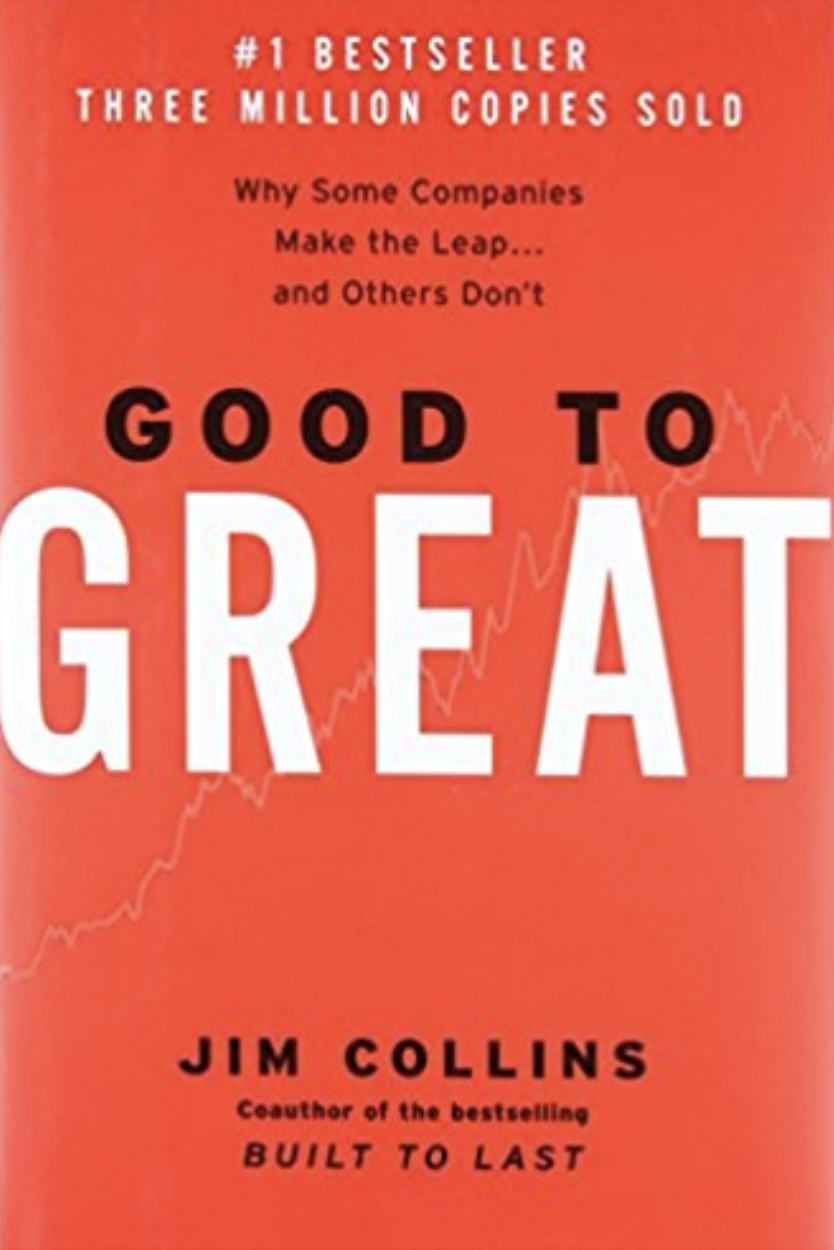
There are plenty of companies out there that are considered successful. They may have good investors, a solid group of promoters who love their brand and make enough money to sustain their existence. But what about the companies that are really killing it? Raking in the cash and growing exponentially in all forms? How did they get to where they are? How did they go from good to great?
This is the question that kept Jim Collins up at night. So he created an experiment — that lasted five years — to find out the common characteristics of 28 successful companies that made that leap from good to great.
I won’t tell you his exact findings … that’s for you to find out on your own. But I will share something Collin’s said at the end of his experiment: “The key concepts discerned in the study fly in the face of our modern business culture and will, quite frankly, upset some people.”
The Myth of the Nice Girl: Achieving a Career You Love Without Becoming a Person You Hate by Fran Hauser
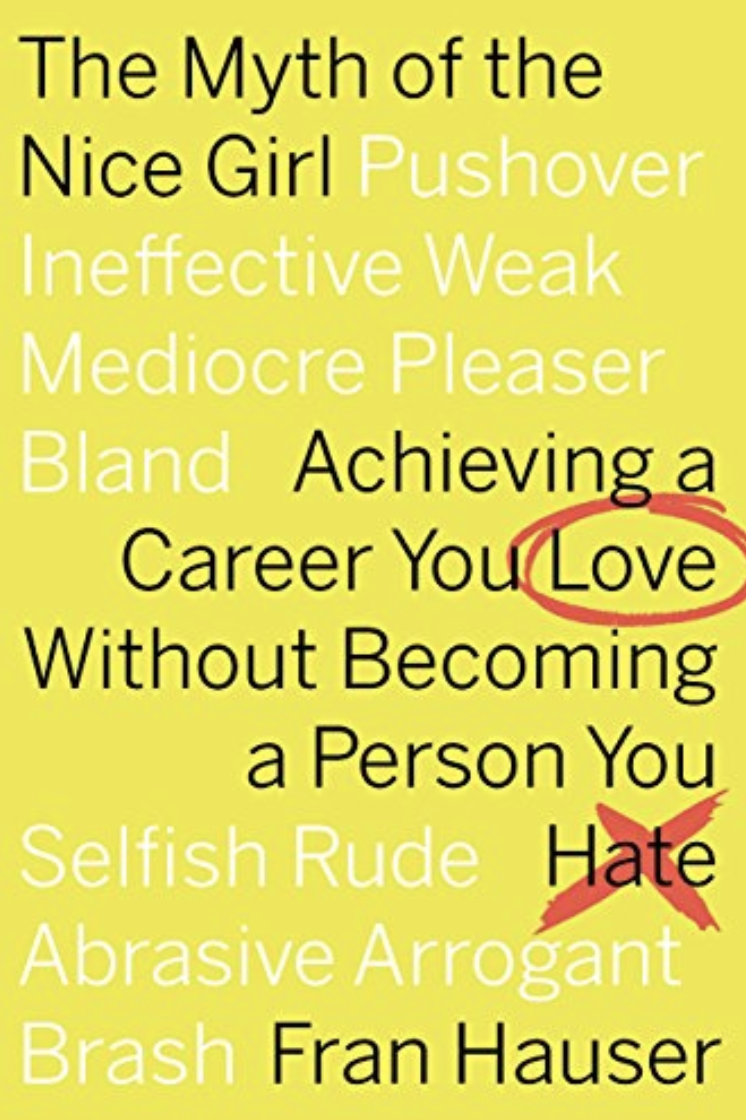
OK, ladies — this one’s for you.
Hauser realized two things prior to writing this book: 1. There are few books available for women in business that detail the badass accomplishments other women are making on a daily basis, especially in positions that are stereotypically male-driven, and 2. There is a lot of misguided information about professional women that says, “if you want to be a female powerhouse in business, you have to be mean.”
Enter: Miranda Priestly from The Devil Wears Prada.

And if you’re not mean, you must be a weak pushover … right? Not anymore!
Hauser teaches women that they don’t need to sacrifice their values, hide their real personalities, or be mean to become an impactful leader. She refers to her own experiences working in high-level leadership positions at major companies — such as Coca-Cola, Time Inc., and Moviefone — to explain these points.
The book gives readers real examples of Hauser and other successful businesswomen using kindness and authenticity to achieve greatness. Intelligent, driven, professional women of all ages will find this book refreshing and uplifting.
Managing your money doesn’t have to be scary or difficult. There are thousands of books that can help you learn to make better financial decisions no matter where you are in your career or financial journey. Here are a few to get you started.
The Intelligent Investor: The Definitive Book on Value Investing. A Book of Practical Counsel by Benjamin Graham
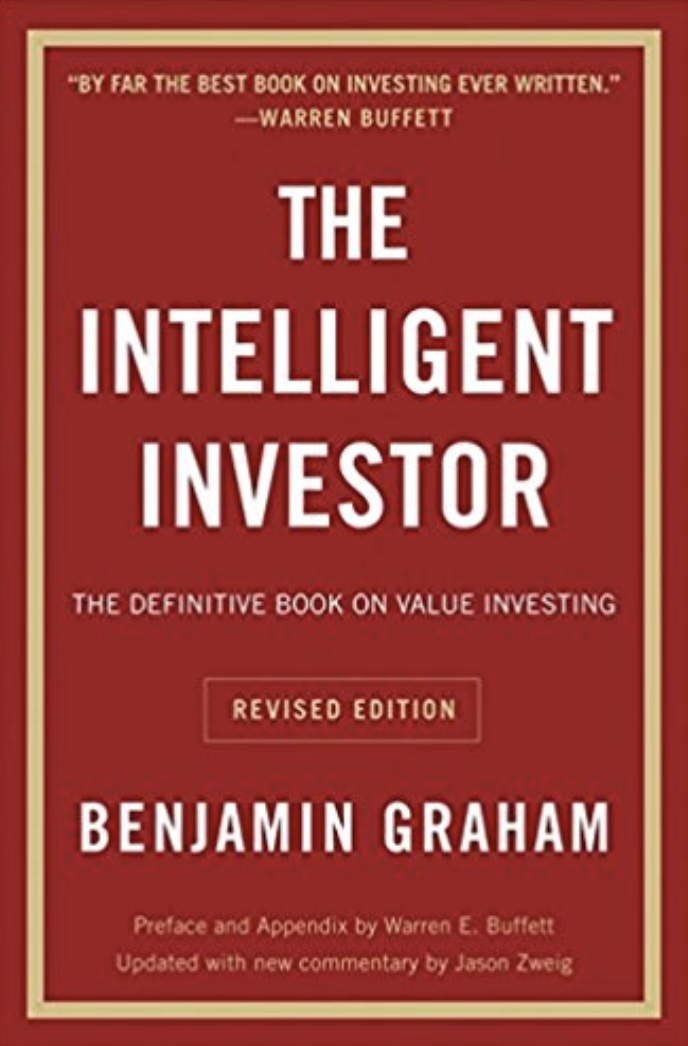
The Intelligent Investor, also known as the “stock market bible,” is considered a classic in the finance and investing field. It was published in 1949 and original copies can be found on used book sites for upwards of $1,500 a piece.
If you’ve heard of a technique called “value investing,” then you already know something about Graham’s book. The strategy encourages investors to create long-term plans to shelter them from significant error or damage.
The book has been updated since its original date of publication to keep it relevant for those picking up their first copy in the 21st century. Now, there is plenty of information on today’s markets that readers can mix with Graham’s classic lessons to stay on top of their finances and better understand the market.
Live It, Love It, Earn It: A Woman’s Guide to Financial Freedom by Marianna Olszewski
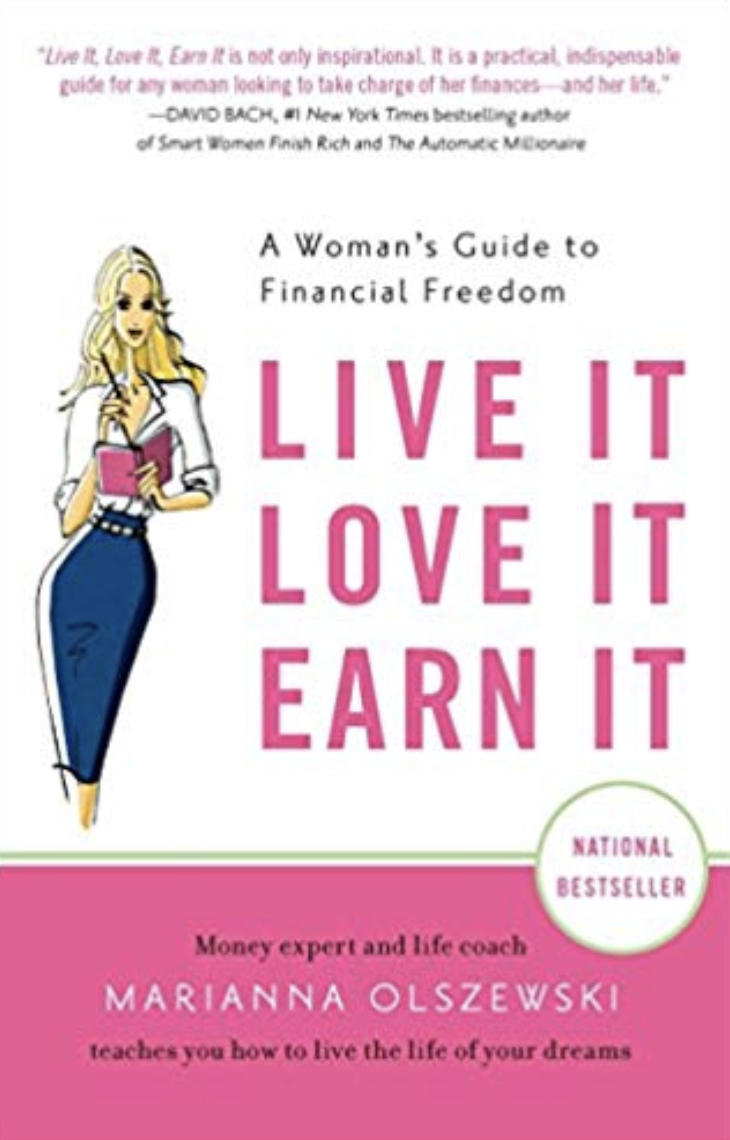
Olszewski makes lessons about personal finance more interesting and fun by describing her own journey to financial security. Although this book is tailored towards the female reader, men and women can both learn something from savvy strategies that she and other powerful women mention — including designer Diane Von Furstenberg and Congressman Marsha Blackburn — used to reach financial success.
There are three main goals mentioned throughout the book for readers to focus on: 1. Say yes to yourself. 2. Fall in love with your money. 3. Act as if. This is a light read that gives readers applicable advice on how to achieve financial independence paired with relatable experiences to help them through the process.
Thinking Fast and Slow by Daniel Kahneman
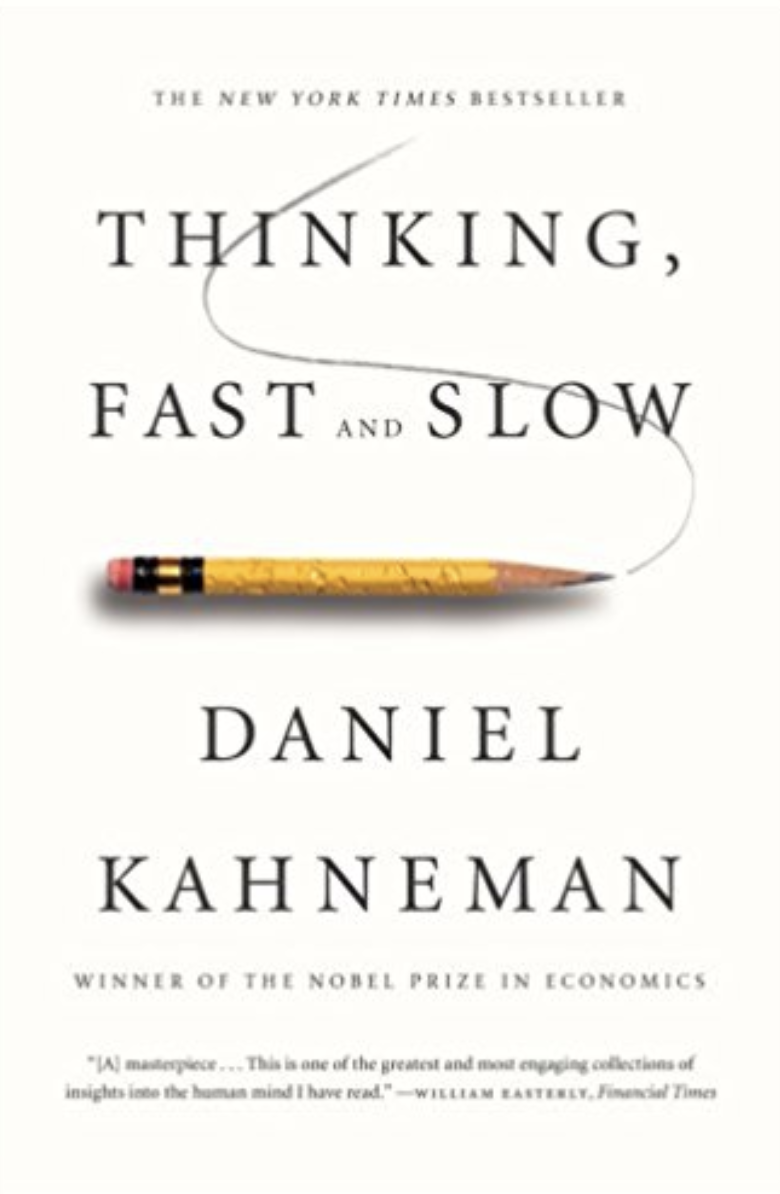
An international bestseller and the winner of more than five notable awards, Thinking Fast and Slow takes a hard look at two ways that humans think, which he calls systems. According to the author, system 1 is “fast, emotional, and intuitive.” System 2 is a bit slower, more deliberate, and logical. By understanding these systems, Kahneman tells readers about the ways we can take information and use it to shape our personal and work-related decisions.
There are certain aspects of the two systems that should be focused on or avoided based on the environment and situation. Thinking Fast and Slow takes you through practical techniques that will help you uncover best practices in all situations.
Afterall, how are we supposed to successfully lead and help the people around us if we cannot first understand ourselves and the way we think?
Creativity
Everyone has a level of creativity — it’s just a matter of learning how to harness and apply yours. These books will teach you how to unlock and leverage your creativity in all aspects of your life.
Originals: How Non-Conformists Move the World by Adam Grant
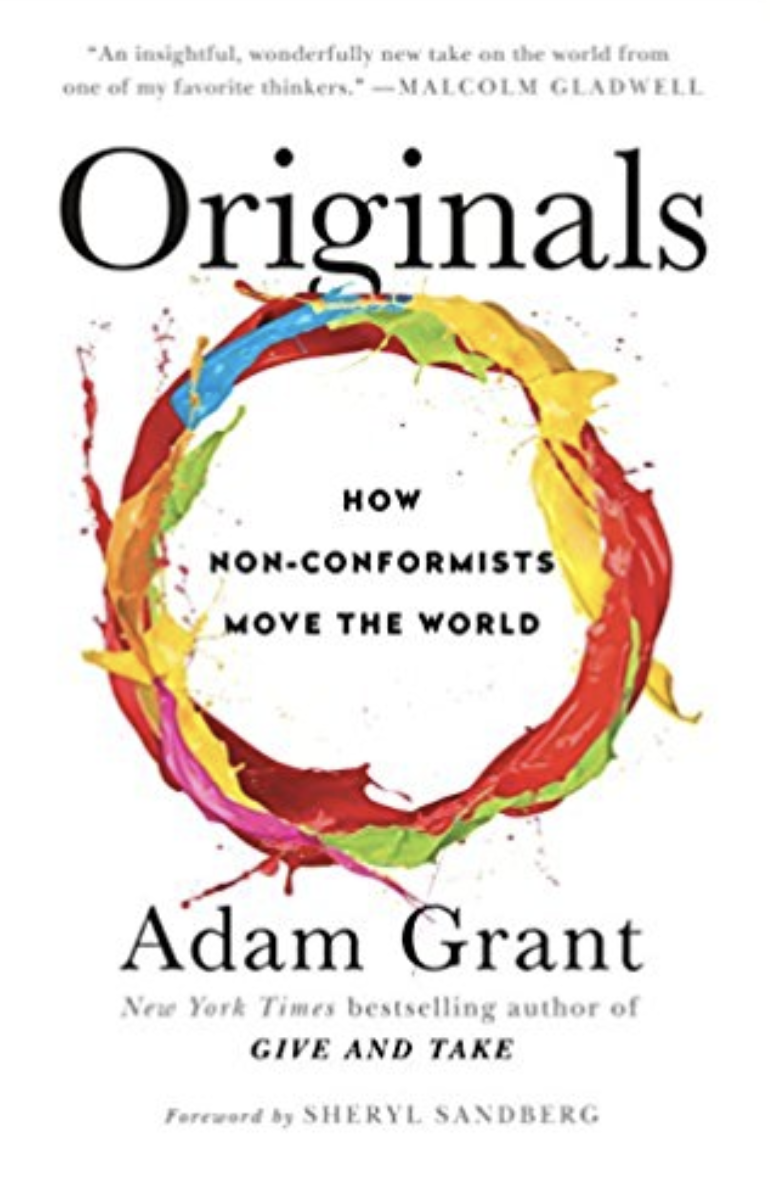
Grant’s book is all about taking the road less traveled. How can you improve the world around you and become the most successful version of yourself by going against the grain and trying something new? He also asks the question: “Can you really create and implement new ideas and policies regularly without risking your career, reputation, and more?”
Grant’s answer is “yes.”
His ideas about how to take a new idea, find people to support you, and implement your plan in a successful way are all backed by studies, experiments, and real stories. He even tells parents and teachers how they can work with children on ways to apply this method.
Originals reminds us all that being “different” can be scary at times, but pushing the status quo can also be what propels us towards our greatest successes.
Imagine: How Creativity Works by Jonah Lehrer
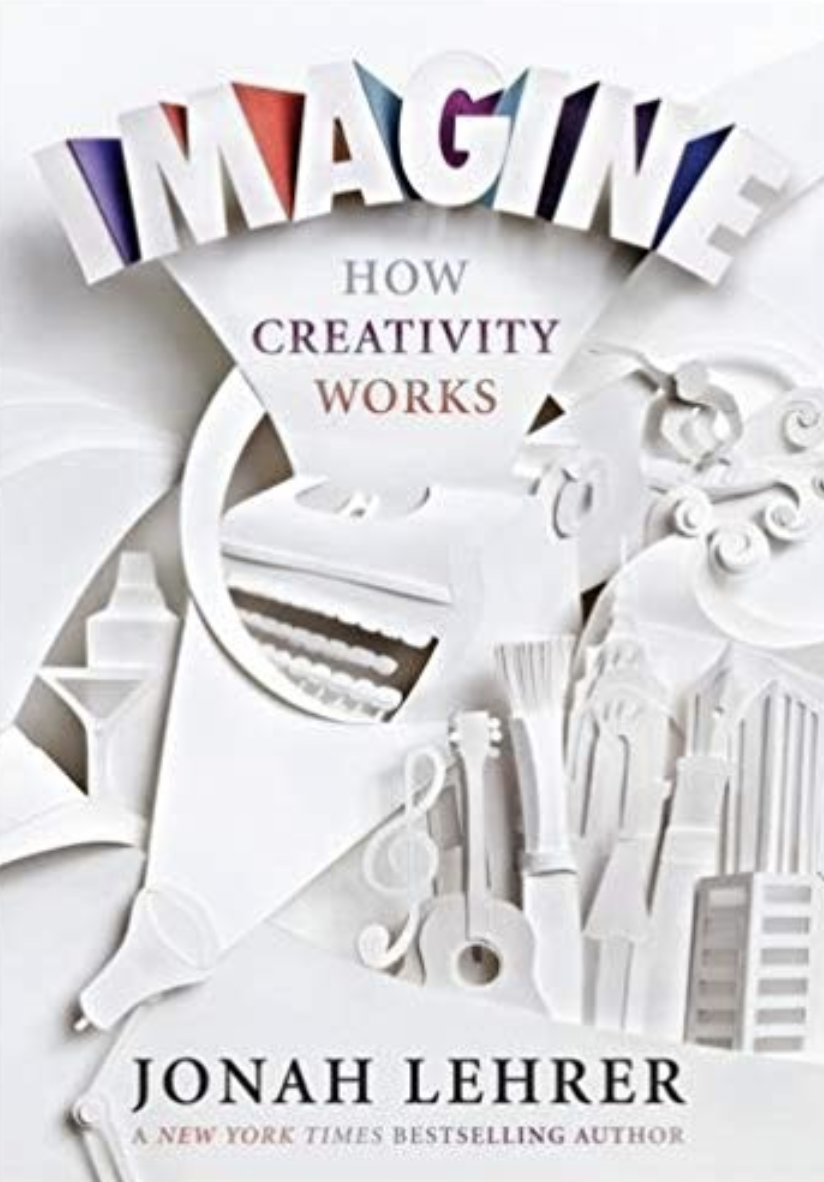
When I was applying to jobs out of school, I noticed how many descriptions said something along the lines of “creative-thinker required,” or “must be able to think outside of the box.” But these were such arbitrary ideas. And frankly, “think outside of the box” is such a cliché term without real meaning.
Author John Leher helps the reader define creativity. He asks deeper level, thought-provoking questions about how both imagination and epiphanies are measured. The book provides readers with ideas about how to apply creative strategy to any task.
My favorite point the book makes is that everyone possesses creativity. It’s a way of thinking, not a gene we are born with, or even a skill that we acquire. Some of us just need help uncovering and applying our creativity, which is exactly what Imagine will help you accomplish.
The Power of Onlyness: Make Your Wild Ideas Mighty Enough to Dent the World by Nilofer Merchant

Merchant tells readers to stop making excuses about not being able to make a mark on the world. Yes, there is a seat at the table for you.
Thanks to innovation and technology, we all have the ability to mobilize new ideas almost instantly. The issue is that plenty of people push those thoughts to the side, or convince themselves that they are incapable of being successful at them.
The Power of Onlyness explains why this is a false notion and gives readers information on how to get their ideas rolling. Anyone can make a difference. The question is whether or not you’re willing to take that first step toward achieving your goal.
The Tipping Point: How Little Things Can Make a Big Difference by Malcolm Gladwell
Remember when Kylie Jenner decided she was no longer a fan of Snapchat? This information spread like wildfire, and Snapchat’s stock lost over $1 billion in one day? All because Kylie’s fans care about her opinion oh so much.
That’s the tipping point — when a trend, idea, or behavior builds to a certain point until it essentially “tips” or causes a big change.
Businesses need to account for this phenomenon by buffering their sales and marketing tactics to avoid major disruption. Gladwell gives readers tactical ideas on how to buffer their businesses to avoid hitting a detrimental tipping point.
Biographies and Memoirs
Sometimes we just need a little bit of inspiration. These biographies and memoirs recount the lives of some of the most successful businessmen and women and how they reached their greatest achievements.
Success Never Smelled So Sweet: How I Followed My Nose and Found My Passion by Lisa Price
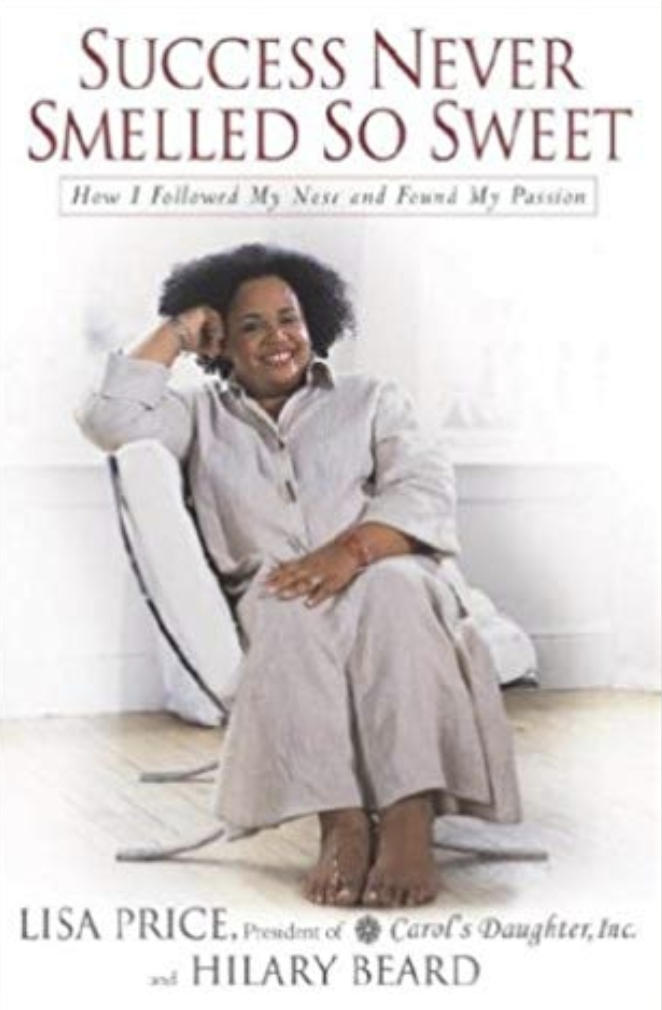
Price’s rags to riches memoir is an inspiring tale of a woman who was nearly bankrupt, took a leap of faith by starting her own business, and began grossing more than $2 million per year.
As a child, Lisa loved fragrances and beauty products. When she hit her all-time low and only had $100 to her name, she realized that her love for these products could be her way out of debt. She created her own line of all-natural bath and beauty products that ultimately made her successful. But, more importantly, Price was successful because she loved what she was doing and was good at it.
This is an inspiring and uplifting story about a woman who took action and changed her life forever — all from her home in Brooklyn. In her memoir, Price tells readers how difficult times do not define us, but rather it’s how we handle those times.
Shoe Dog: A Memoir by the Creator of Nike by Phil Knight
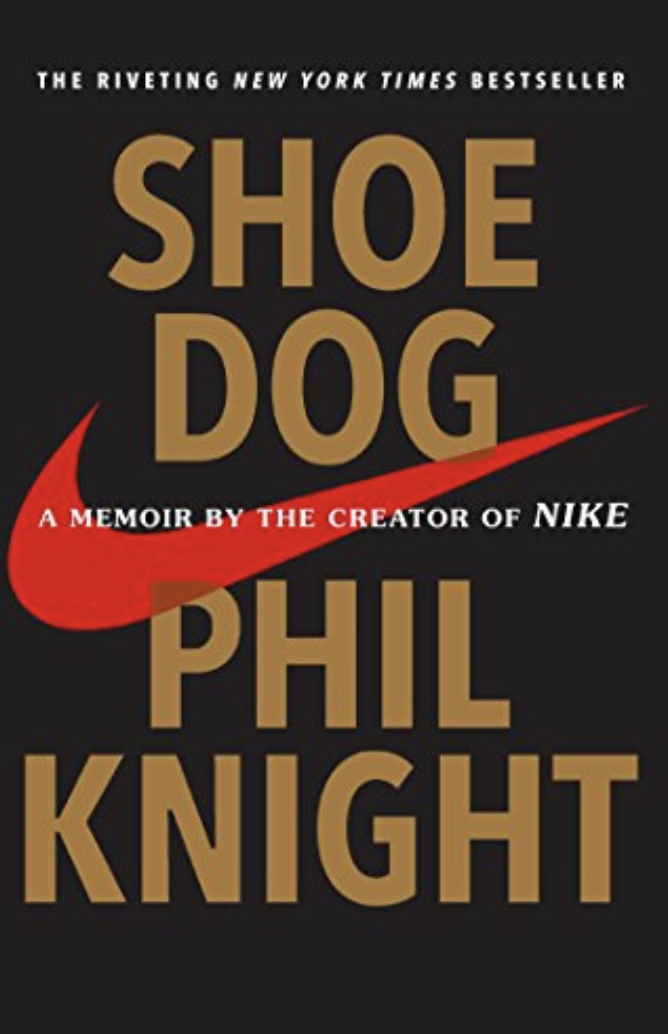
Nike is an internationally recognized brand, but would you recognize Nike’s founder, Phil Knight, if he was walking down the street?
He’s known as a shy man who isn’t necessarily a fan of the spotlight. The level of mystery behind the creator of the brand may be the reason Knight’s memoir became a New York Times Bestseller so quickly.
The book details Knight’s beginnings as an entrepreneur when he set out with only $50 to try and import inexpensive, high-quality running shoes from Japan. He sold the shoes out of the trunk of his car while trying to kickstart his brand.
The book reminds readers of the ups and downs that come with starting and growing a business. There are people who will doubt you and try to sabotage you, and there are roadblocks that will make you wonder if it’s even worth trying to grow your company. But there are also times of triumph when you overcome your competitors and see the fruits of your labor. Knight’s memoir shows readers why it’s worth pushing through the tough, dark times to reach success.
Shark Tales: How I Turned $1,000 into a Billion Dollar Business by Barbara Corcoran
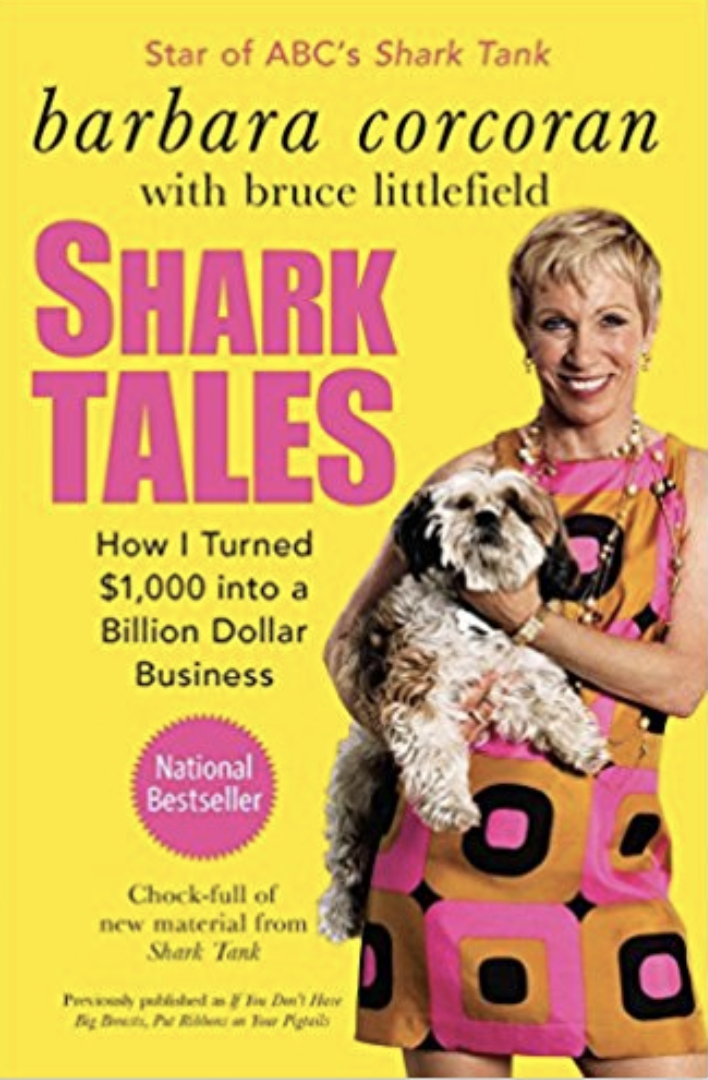
If you’re a fan of the show Shark Tank, then you’ll know exactly who this next memoir is about. Corcoran tells her story of how she made it big. And it definitely wasn’t a walk in the park for this investor. She describes failing at 22 different jobs — yes, you read that number right.

When she found herself waitressing, she decided something needed to change. Corcoran borrowed $1,000 from her boyfriend and started a small real estate office in New York. She tells readers about the ways she built this tiny office into a $6 billion business using the lessons her mom taught her while growing up (moms really do know everything don’t they?).
Corcoran built her business from nothing, and now she’s a“shark” on a hit show. She wrote this book to highlight that anyone can have a success story.
Steve Jobs by Walter Isaacson

Walter Isaacson uncovered the truth behind the man who created one of the biggest brands in history: Apple. In a series of over 40 interviews — which took place over the course of two years — Isaacson wrote the story of what made Jobs such a force for change.
Jobs had no control over what was written in the book and was not able to read it before it was published, which ensured that the information is accurate and raw. Isaacson also interviewed Jobs’ family members, friends, competitors, adversaries, coworkers, and acquaintances.
Jobs’ exceptionally strong personality, often unpleasant leadership style, and intense way of life shines through in Isaacson’s writing. Readers get a microscopic view into his day-to-day and thought processes. The book also has little-known stories about this entrepreneur who transformed computers, laptops, phones, and so many other devices into what we know them as today.
Have you always dreamed of starting your own company? There are countless books available to those who aspire to own their own businesses, as well as some for those who already do.
The Lean Startup: How Today’s Entrepreneurs Use Continuous Innovation to Create Radically Successful Businesses by Eric Ries
Everywhere you turn, a new startup is popping up on the market. People all over the world are finding investors and starting their dream companies. Unfortunately, not all of them succeed. In fact, plenty of startups simply fail.
Ries takes a look at why so many startups fail and how a lot of these failures are preventable. The Lean Startup offers a new approach to the way startups are built and launched to avoid failure.
The approach gives startups a way to test their vision and business plan continuously throughout the building process, adapt it to the feedback they are getting from real customers, and then adjust it before they reach the point of failure. This is a great book for anyone who has recently started a new business or has plans to start a business. The Lean Startup is a simple yet disruptive approach that will increase any new company’s chances of success.
Grit: The Power of Passion and Perseverance by Angela Duckworth
Have you ever noticed that the most successful people in life are often the ones that work hard, persist, and are also extremely passionate about what they do? Well, that winning combination is what New York Times bestselling author and psychologist Angela Duckworth calls “grit.”
Duckworth is a firm believer that anyone striving to succeed, no matter their age or professional status, needs a blend of long-term persistence and passion — not talent. She adds her own personal story to the book and mentions what it was like growing up with her father, a scientist, who often mentioned her “lack of genius.” Duckworth adds to the intrigue of the book by taking readers into the world of cadets working through their first days at West Point, teachers in some of the toughest schools in the country, and other inspirational anecdotes.
Duckworth gives readers insight on how to be persistent and find what they are most passionate about. And she shows readers that no matter who they are or where they come from, anyone can have grit.
Act Like a Success, Think Like a Success: Discovering Your Gift and the Way to Life’s Riches by Steve Harvey
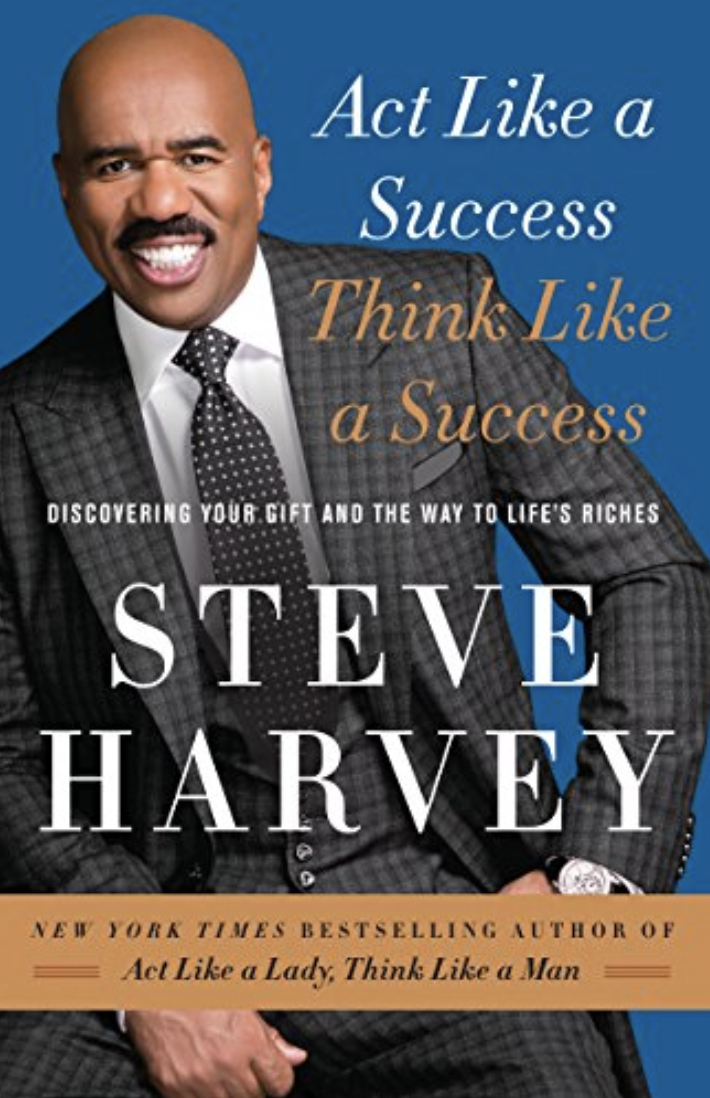
Thanks to my brother, I have watched a lot of Family Feud. Although the game show is a bit goofy at times, I often find myself laughing at the comments made by the larger-than-life personality of host Steve Harvey. His outgoing, happy, and playful demeanor makes the show. But who is Steve Harvey? TV personality, millionaire, comedian? How did he become a household name?

is a book for aspiring entrepreneurs. It gives readers insight into how anyone can achieve financial freedom and happiness. Harvey truly believes everyone has a gift given to them at birth and that we all just need to find ours.
The Power of Broke: How Empty Pockets, a Tight Budget, and a Hunger for Success Can Become Your Greatest Competitive Advantage by Daymond John
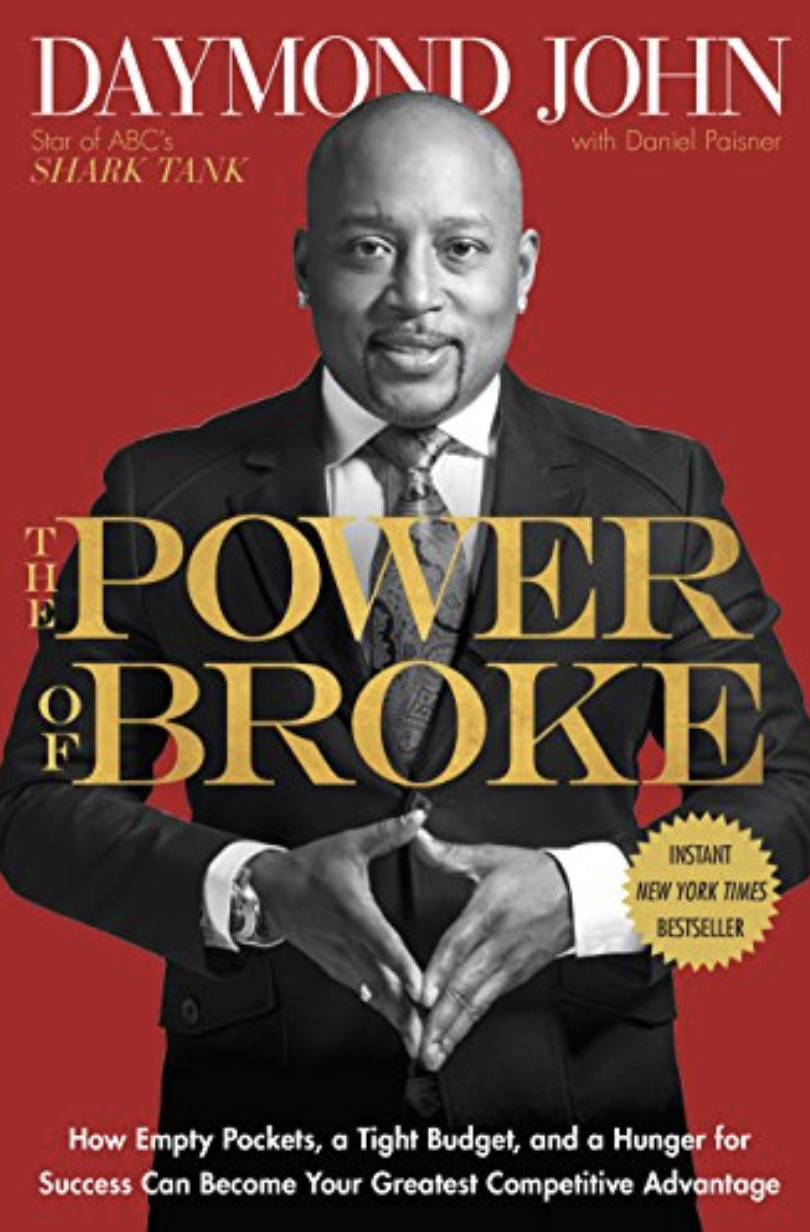
And here’s another one for my fellow Shark Tank fans. John is one of the show’s hosts and the CEO of FUBU. He’s another entrepreneur who started with little money and successfully turned his company into a billion-dollar business.

The Power of Broke takes readers through the story of John selling and promoting home-sewn shirts on the streets in Queens all on a $40 budget.
John draws on his own experience and the experience of other highly successful entrepreneurs who started their businesses with nothing. He explains why the best time to start your next venture may actually be when you have the fewest resources available — you’ll be forced to learn “the power of broke” quickly as success is your only option.
Tools of Titans by Tim Ferriss
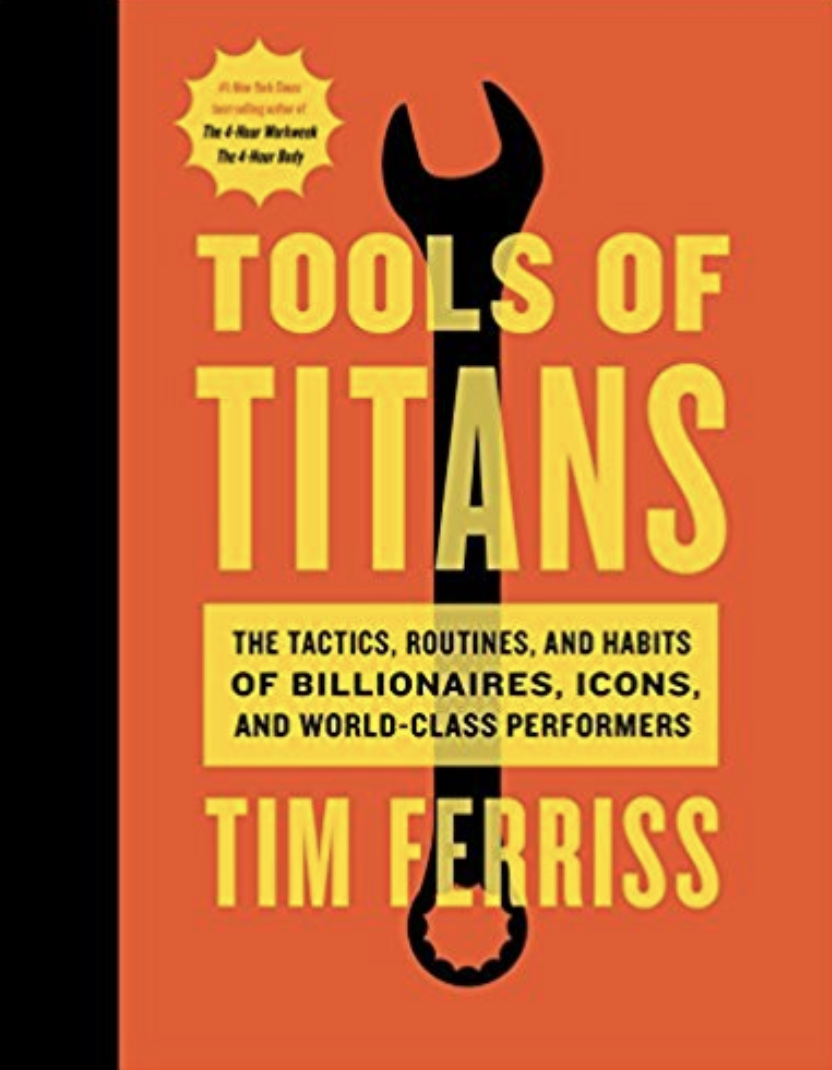
Author and podcast producer Tim Ferriss is known for his extremely in-depth, two-to-three hour interviews. During these interviews, he dives deep into the minds of some of the world’s most successful business people, scientists, doctors, athletes, celebrities, and others.
Tools of Titans describes the best tactics, lessons, and tools that Ferriss learned from his interview subjects over the years. Ferriss says he has applied every tactic and method mentioned in the book to his own life to see what works for him — and what doesn’t.
Some of the questions Ferriss asks during his interviews include: What do you do in the first hour you’re awake in the morning? What is your workout routine and why? What books do you share with others? What supplements do you take daily?
Interviewing some of the world’s smartest and most talented people has provided Ferriss with life-changing information that he shares in this book to try and help improve others’ lives as well.
In a time where technology is ever-changing, marketers need to find new ways to target customers. These books provide marketers with a guide to some of the most classic tactics that are still relevant, as well as innovative ways to reach your target audience.
Selling the Invisible: A Field Guide to Modern Marketing by Harry Beckwith
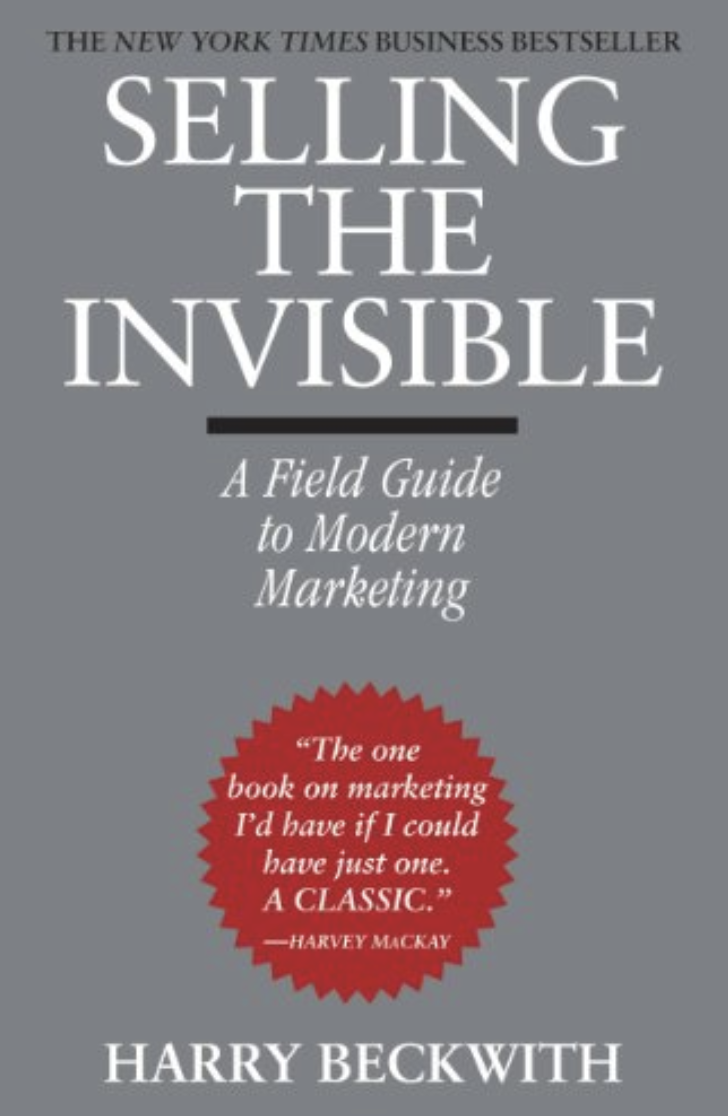
Selling the Invisible a is straightforward, fluff-free marketing book that covers the specific tactics that help businesses to turn a prospect into a customer. The book describes how service marketing works to retain customers and turn them into promoters of a brand. The key lessons are: How to remain succinct and accessible to customers, how to keep an eye on the prize, and how to stay focused on the final goal of the customer.
Inbound Marketing: Attract, Engage, and Delight Customers Online by Brian Halligan and Dharmesh Shah
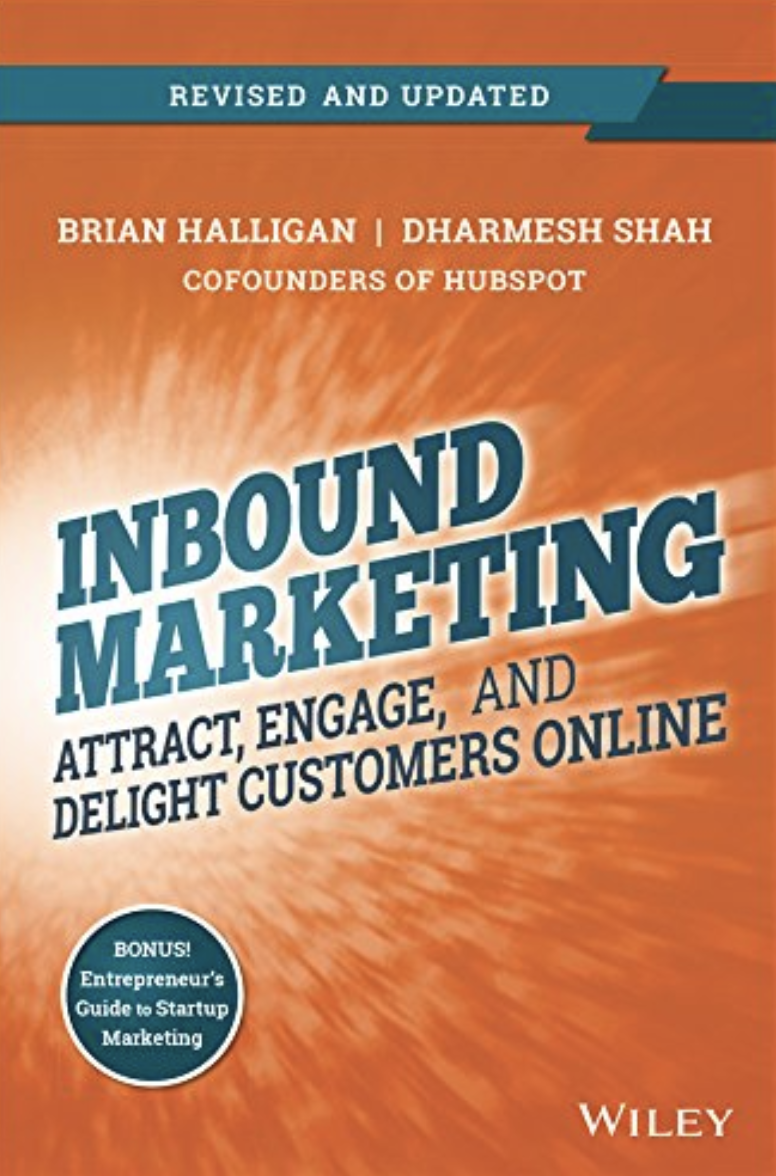
*Insert clap for HubSpot’s talented co-founders here.*
As technology has changed over the years, so has the best way to market to customers. People have little tolerance for interruptive ads. Instead, you need to attract your target audience through helpful content that adds value to the relationship and builds trust.
Detailing the core tenets of the inbound marketing methodology, Halligan and Shah show you how to attract, engage, and delight your customers to increase engagement and grow your customer base. The book outlines important tactics, such as lead nurturing, blogging, email marketing, and others, and shows you exactly what you need to do to build a successful marketing strategy that turns strangers into promoters.
Blue Ocean Strategy: How to Create Uncontested Market Space and Make Competition Irrelevant by W. Chan Kim and Renee Mauborgne
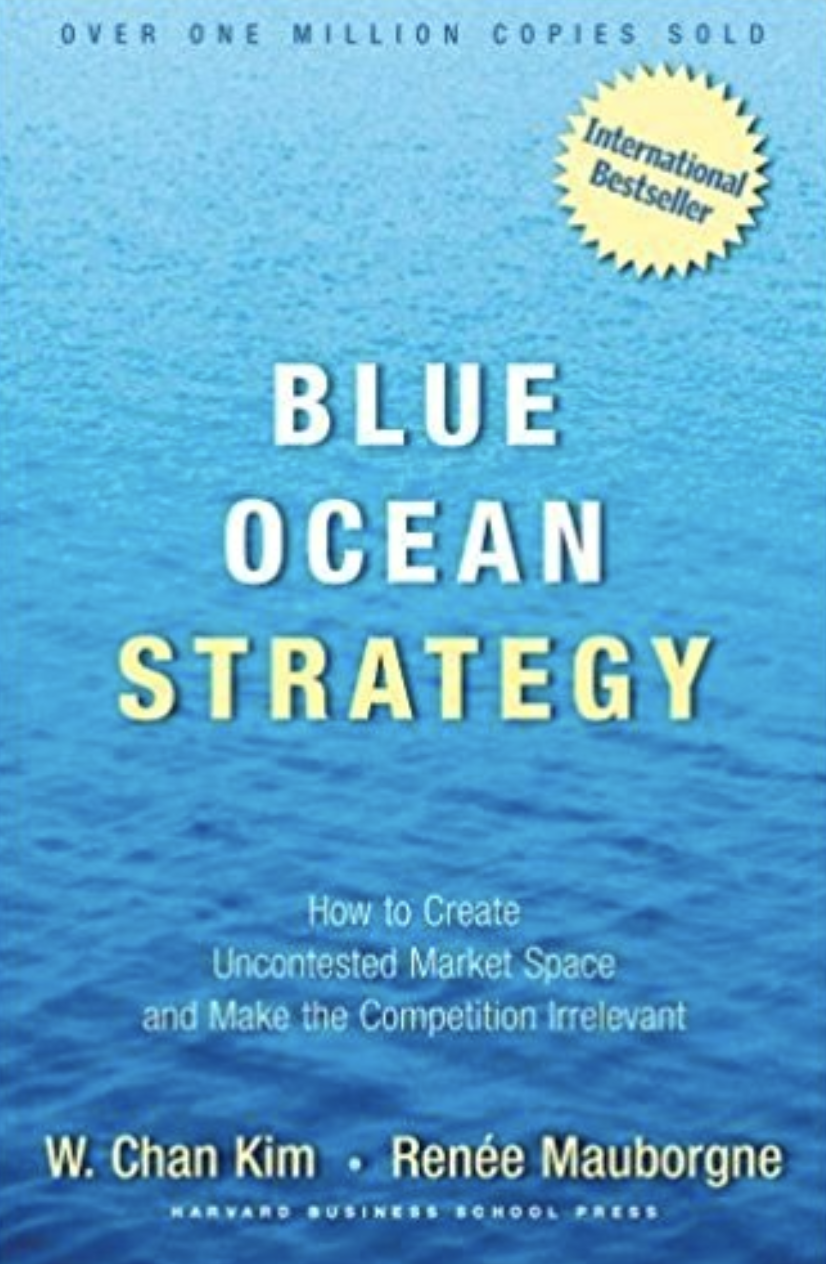
To succeed as a business, you must eliminate your competitors. You also need a new idea that nobody has — something that really separates you from other brands. In other words, you need clear waters … a blue ocean.
This is exactly what the authors of Blue Ocean Strategy argue. Lasting success for a company means customers aren’t confusing your business with your competitors’ who have similar products and structures to your own. Your goal is to avoid being in the “shark-infested, bloody waters” and instead find your own calm and quiet blue ocean.

Kim and Mauborgne give readers tips on how to find new market space and make competitors insignificant.
Conclusion
Reading about other’s successes and failures will help you follow their example and avoid their mistakes. These books — and so many more — have the potential to help you advance your career, find your passion, and stay motivated.
Just because you graduated from college, think you landed your dream job, or even retired doesn’t mean you should stop learning. So, log onto Amazon, hit up your local Barnes and Noble, or turn on that Kindle to find a book that peaks your interest and start reading.

How to Repurpose Your Video Content Across Many Platforms

Is video a part of your marketing mix? Looking for tools to help you get more mileage out of each video you create? In this article, you’ll discover how to repurpose one video into content that can populate your blog, podcast, and multiple social channels. Repurposing Helps You Deliver Quality Content Consistently You may have […]
The post How to Repurpose Your Video Content Across Many Platforms appeared first on Social Media Examiner.
from Social Media Examiner https://ift.tt/2L2tnC9
via socialmediaexaminer
Samsung touts Galaxy S9 LTE speeds, mocks iPhone X and Genius Bar in new ad

Samsung is back today with its latest Apple-bashing ad for its Galaxy S9 flagship. This time around, the ad takes it straight to an Apple Store, where a customer inquires about the difference in LTE speeds between the iPhone X and Galaxy S9…
Hands-on: iOS 12 beta 4 changes and features [Video]
The fourth iOS 12 developer beta was released earlier today for iPhones and iPads, and we’ve compared it with the previous beta to help identify new changes and features. Watch our hands-on video comparison for the lowdown. iOS 12 beta 4 changes and features covered: App Store search now displays developers and stories Ellipsis button […]
2018 iPhone 18W USB-C fast charger may not be sold separately at launch, limited to new iPhone purchases

A report last month suggested that Apple this year will bundle USB-C charge cables with the iPhone for the first time, including a USB-C charging block. Now, Macotakara reports that while the new 18W USB-C fast charger will be available with the new iPhones, it won’t be sold separately at first…
30 of the Funniest Tweets About Social Media We’ve Ever Seen
There are a lot of things to be negative about on the internet today.
And between cyberbullying on Twitter, fake news on Facebook, and too many weight loss tea ads on Instagram, it’s easy to feel jaded about social media in particular.
In fact, we surveyed more than 3,000 people around the world, and one-third responded that they feel “awful” after browsing social media — with Facebook taking the crown for most awful feelings induced.
So, in an effort to combat these feelings of awfulness, we’ve compiled 30 of the funniest tweets about social media we could find. And with a healthy mix of snark, mockery, and memes, we think they sum up what it’s like to be a social media user — the good, the bad, and the ugly.
30 of the Funniest Tweets About Social Media We’ve Ever Seen
1) On Optimism
Instagram: My life is a party.
Snapchat: My life is a quirky tv show
Facebook: My life turned out great!
Twitter: We’re all going to die.
— Mikel Jollett (@Mikel_Jollett)
January 8, 2017
2) Life Imitates Twitter
“describe your Twitter feed” pic.twitter.com/ifp6izdVCz
— Casey Newton (@CaseyNewton)
September 28, 2016
3) Just Keep Mowing …
how it feels to log off twitter in 2017 pic.twitter.com/PsGAAPI7GN
— Ziwe (@ziwe)
June 5, 2017
4) Hot Dog Bae
A photographer took pictures of people before and after she called them beautiful pic.twitter.com/Ef5tLvFcd5
— Memes 😈 (@memesl0rd)
July 8, 2017
5) Take the Good with the Bad
Twitter: your jokes suck
Instagram: your face sucks
Snapchat: your life sucks
Facebook: your family misses you and is also racist— Adrienne Airhart (@craydrienne)
October 29, 2015
6) Social Media Gods Don’t Give with Both Hands
it’s super annoying to me when people are very good at twitter and also really good at instagram come on you can’t have both
— Marissa Emanuele (@HiThisIsMarissa)
April 25, 2017
7) You Had One Job
twitter users: let us edit tweets
twitter: the stars are now hearts
twitter users: an edit button please
twitter: we made everything round— Haley Byrd (@byrdinator)
June 15, 2017
8) On Twitter Expanding its Character Limit
This account has been asked to test Twitter’s new 280 character limit, but as a 100-year-old brand, we believe our fans most enjoy traditional tweets with brevity, so we declined. We hope to continue to provide a fun, positive place to discuss MoonPies moving forward. Thank you.
— MoonPie (@MoonPie)
September 27, 2017
9) Seriously, Though
I would love to start an interview series with random people from Instagram called “How Do You Afford Your Life?”
— Sam Lansky (@samlansky)
September 25, 2017
10) Time to Check-In on Facebook
When you notice someone using your app and you watch closely to make sure everything works well pic.twitter.com/MWLWsvE4je
— Or Arbel (@orarbel)
September 5, 2017
11) Please, Don’t Auto-Play Videos with Sound
I want an app for each website I visit. And I want all of them to have loud videos that play automatically. This is my ideal user experience
— Shuja Haider (@shujaxhaider)
August 28, 2017
12) Change Your Passwords, People
how i’ll feel if my DMs ever leak pic.twitter.com/Re6UH60EtV
— corey kindberg (@coreykindberg)
August 28, 2017
13) Personal Branding Is Everything
This is my Twitter brand. pic.twitter.com/I0D19IJ6EJ
— liz (@eedollmeyer)
August 27, 2017
14) At Least They’re Honest
I’m a:
⚪️ man
⚪️ woman
🔘 brandSeeking:
⚪️ men
⚪️ women
🔘 retweets and attention— MoonPie (@MoonPie)
August 23, 2017
15) Total Eclipse of the Tweet
it’s a big day for circular foods pic.twitter.com/qMWfLs0dsS
— [halloween name] (@arb)
August 21, 2017
16) We All Have One
my aunts running to the comment section every time I post a picture on Facebook pic.twitter.com/kdZLNG0SdM
— Makeup (@MakeupSuppIier)
September 12, 2017
17) It’s Important to Keep Things in Perspective
Facebook: Essential oils.
Snapchat: I’m a bunny!
Instagram: I ate a hamburger.
Twitter: THIS COUNTRY IS BURNING TO THE GROUND.— Jeanne Hulme (@jeannes_jargon)
July 28, 2017
18) Short, Sweet, and To the Point (1/47)
The 280-character limit is a terrible idea. The whole beauty of Twitter is that it forces you to express your ideas concisely (1/47)
— James Poniewozik (@poniewozik)
September 26, 2017
19) Seriously, Twitter Users Are Salty About This One
139 characters pic.twitter.com/WkfdXL8oLh
— Caitlin Kelly (@caitlin__kelly)
September 26, 2017
20) Caution: Parents on Facebook
Thanks for the clarification, Dad. pic.twitter.com/Y2ulMh7sJV
— Ray (@rayy_baybay)
July 21, 2017
21) Hindsight Is 20/20
What was I smoking… pic.twitter.com/xZareCENLM
— Eric Peters (@EricPeters0)
July 12, 2017
22) When You Gotta Tweet, You Gotta Tweet
[detective inspecting my body at the bottom of the grand canyon] looks like the victim was tweeting “more like the bland canyon” and fell in
— Bob Vulfov (@bobvulfov)
July 7, 2017
23) Life Comes At You Fast
Me every morning v. me after five minutes on Twitter pic.twitter.com/KBEzzVZ9i6
— Sady Doyle (@sadydoyle)
June 21, 2017
24) In a World Where You Can Be Anything, Be Kind
Being on Twitter pic.twitter.com/sQbDWShv4i
— clicky but scary (@djclickbait)
June 11, 2017
25) You’re Amazing. Yes, You.
Me looking at my own snapchat stories, selfies and tweets after a long day, just reflecting on how great I am. pic.twitter.com/x6002kyihv
— MaKayla MaShelle (@MakaylaMashelle)
June 8, 2017
26) I Wish I Knew How to Quit You
Me: I should do a three day social media detox
Also me: I should ask Twitter what they think of that idea— M. Keaney Anderson (@meghkeaney)
June 3, 2017
27) We All Have Guilty Pleasures
me: twitter is a cesspool
also me: twitter has provided 98% of my entertainment for the day
— keithlaw (@keithlaw)
June 2, 2017
28) On Technical Difficulties
It’s reassuring that even Mark Zuckerberg’s crew can’t overcome the awkward moments that linger while ending a Facebook Live pic.twitter.com/VVqRHKS9iv
— Brian Ries (@moneyries)
September 21, 2017
29) Because I Miss Vine and These Are Hysterical
ok im gonna do a thread of vines tht made me actually lol here we go
— alex 😉 (@firedupbby)
June 7, 2017
30) See? I Told You
8. I HAVE NEVER NOT LAUGHED AT THIS https://t.co/wDVoABKgUN
— alex 😉 (@firedupbby)
June 7, 2017

9 Cover Letter Templates to Perfect Your Next Job Application
No one seems to agree on cover letters. How much time do you need to spend perfecting them? Do hiring managers even read them? Is it better to just send in your resume and call it a day?
I’m not in HR, but I’ve been approached by applicants who wondered whether their cover letter would actually be read. My answer is one not many of them wanted to hear: “sometimes.” Sometimes it will be read. Other times, you can get away with just sending in your resume — like when you network your way into applying for a position.

The truth is, you can’t really predict on a case-by-case basis — and you’re better safe than sorry. For the most part, having a cover letter will give you an upper hand in ways your resume doesn’t. It allows you to show off your writing skills, provide details that you couldn’t fit on your resume, demonstrate your passion, and show your willingness to put in as much time and effort as possible.
But if your cover letter is sloppy, you might as well have not applied at all. Grammatical errors could mean your application is thrown in the trash. Using a generic “one-size-fits-all” cover letter — especially if you forgot to change the name of the company — will definitely hurt your chances. So if you take the time to write a cover letter, take special care that it reflects you in the best possible light.
Let’s take a look at an example cover letter template, what makes it effective, along with eight more cover letters you can download or draw inspiration from.
9 Free Cover Letter Templates for Your Next Job Application
Template 1: Basic

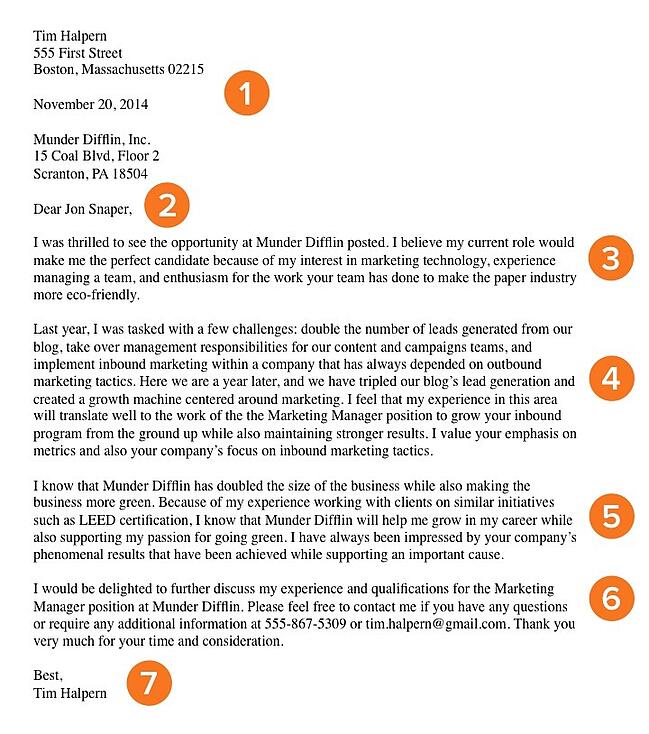
The example above is a basic (but great) cover letter. The numbered sections are explained in more detail below.
Why This Cover Letter Works
1. Header
The level of formality your header has will depend on the company to which you apply. If you’re applying to a formal business, it’s important to use a formal header to open your cover letter, like in the sample above. Put your address, the date, and the company’s address. But if you’re applying to a company that isn’t as formal, you don’t need to include yours and the company’s addresses. You can still include the date, though.
2. Greeting
Using “To Whom It May Concern” is okay, but you may want to take the time to research the name of the recruiter or hiring manager online. If you do your research and aren’t confident you found the right name, then you should definitely use the generic greeting — but if you are sure, then it shows you put in the effort to find their name and it will catch the recruiter’s eye.
If you have the recruiter’s name, do you greet them by their full name, or by their courtesy title (i.e. Mr., Ms., or Mrs.)? Similar to the header, it depends on the company’s level of formality. If you’re applying to a corporate business, you may want to consider using “Mr. Snaper” instead of “Jon Snaper.” If you’re applying to a start-up or a business with a more casual culture, you can use “Jon Snaper,” as shown in the example.
3. Introduction
Your opening paragraph should, in 1-3 sentences, state why you’re excited to apply and what makes you the perfect candidate. Get right to the point, and don’t worry about explaining where you found the posting or who you know at the company. This isn’t a place to go into detail about why you’re a great candidate — that’s for the second paragraph. Here, simply list a few key reasons in one sentence to set up the rest of your letter. Keep in mind that the recruiter may cross-reference your cover letter with your resume, so make sure the two sync up.
4. Paragraph 2: Why You’re a Great Fit for the Job
Next, sell yourself and your experience by choosing one or two concrete examples that show why you’re a great fit for the position. What did you do at a previous company that gave you relevant experience? Which projects have you worked on that would benefit the new company? How will your prior experience help this company grow? Stay humble in your explanation of credentials while still showing that you would be an asset to the team. Use this paragraph to show you’re genuinely excited and interested in the position.
5. Third Paragraph: Why the Company Is a Great Fit for You
While it’s certainly important you’re a good fit for the job, it’s also important that the company is a good fit for you. “A cover letter typically describes why you’re great for a company — but how will you benefit from getting hired?” asks Emily MacIntyre, a Team Development Manager at HubSpot. “We want to know why our company appeals to you, and how it will be a mutually beneficial working relationship.”
In the third paragraph, show you’re serious about growing and developing your career at this new company. What impresses and excites you about the company? Is there something that you feel strongly about that aligns with the company’s goals? For example, the candidate in the sample letter used this space to show his personal commitment to environmental causes aligns with the company’s green initiatives.
6. Strong Closer and Signature
Don’t get lazy in the final few sentences of your cover letter — it’s important to finish strong. Be straightforward about your interest and enthusiasm about the new position, and tell them you’re available to talk about the opportunity at any time. Be sure to include your phone number and email address. At this point, the ball is (rightly) in the recruiter’s court to decide how to follow up.
Last but certainly not least, thank them for their time and consideration. Use a formal sign-off like “Best,” “All the best,” or “Sincerely,” and finish by typing out your full name. You don’t need to sign it with a pen.
Template 2. Straight-to-the-Point Cover Letter
Get it here.
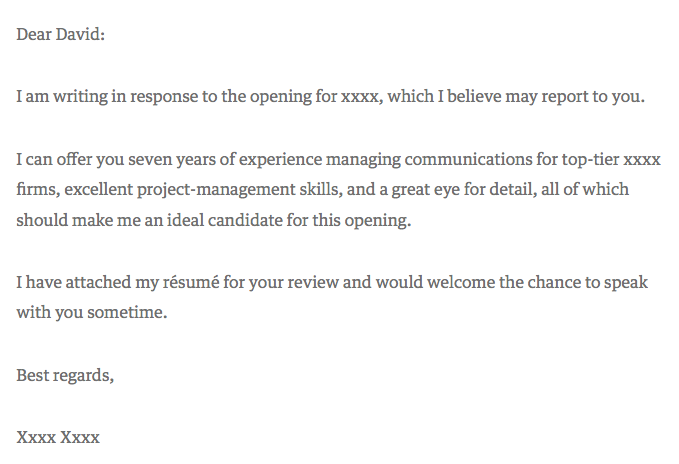
Harvard Business Review contributor David Silverman hailed the above cover letter example as “The Best Cover Letter I Ever Received.” For context, Silverman believes there are only a handful of times when writing a cover letter is actually necessary:
- When you know the name of the hiring manager.
- When you know something about what the job requires.
- When you’ve been referred to the job personally.
Under those three circumstances, a straight-to-the-point cover letter like the one above could be your best bet. Because it’s so concise, however, make a point to add your own letterhead above the message itself. It might be easy for a recruiter to sift through a short and sweet cover letter like the one above, but it’s just as easy for it to get lost in the shuffle of their application list without a unique design or format.
Template 3. Referral Cover Letter
Get it here.
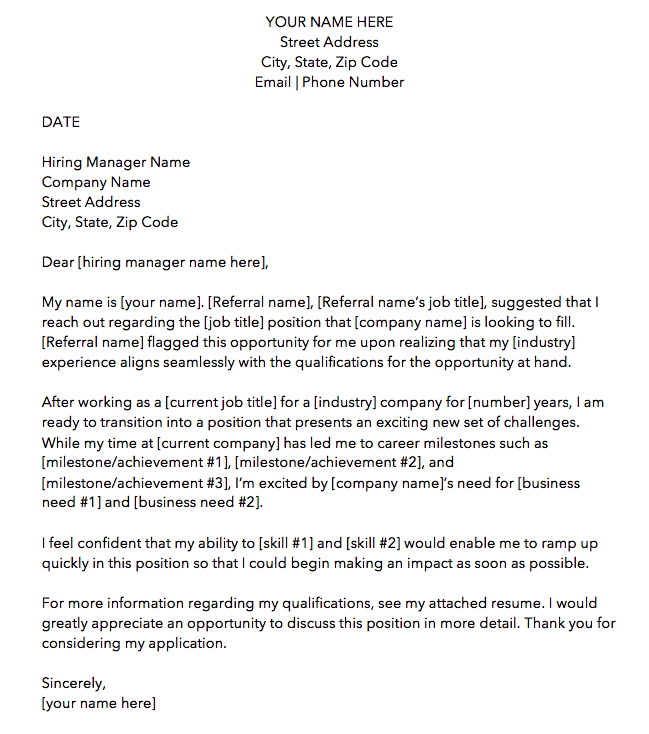
Just because a friend or colleague recommended you for a job doesn’t mean the company is all set to hire you. Therefore, the cover letter template above is written specifically for referrals. We made this one here at HubSpot. Download it here (it comes with four other cover letter templates, too).
As you can see in the picture above, the first paragraph of the cover letter is dedicated entirely to acknowledging the circumstances of your applying: You know someone who works there — no harm in that. But there might be harm in not mentioning it to the hiring manager. Telling the reader about your connection at the company shows you’re aware and confident of the actions you take to get the opportunities you’re interested it.
Ultimately, it’s better than the recruiter hearing about your employee connection from somebody else.
As for the rest of the cover letter, treat your message the same way you would if you had applied with no connection from within. Your skills and successes are no less important because of your internal referral.
Template 4. Photo Letterhead Cover Letter
Get it here.
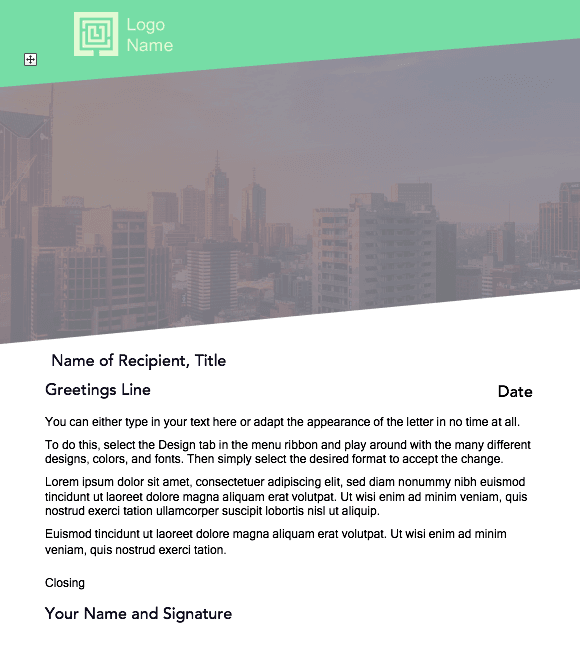
The cover letter template above was designed by Microsoft Office, and as comprehensive as it looks, it’s completely free to download and modify.
As it looks right now, this cover letter contains about half photo, half text. Feel free to shrink (and change) the image to give yourself more room to tell your story. Of course, a nice washed-out image that expresses who you are can be part of that story …
Template 5. Social Media Cover Letter
Get it here.
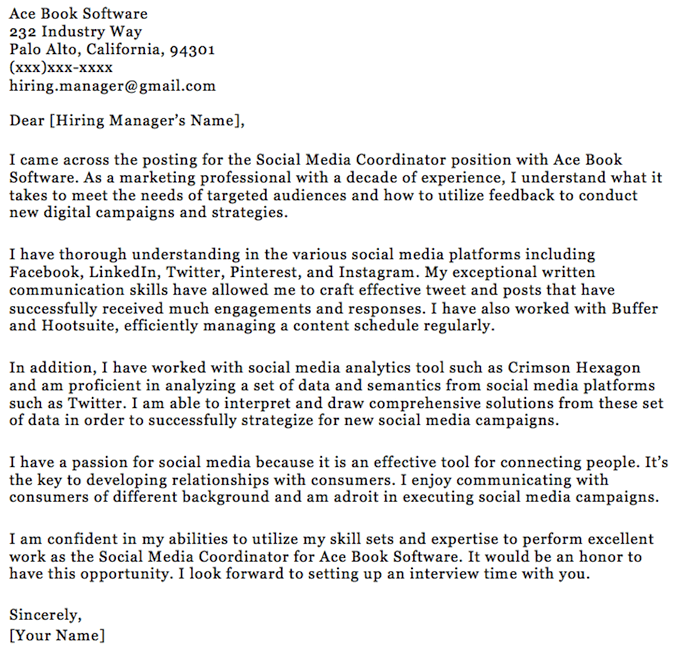
This fourth template gets even more specific within the marketing industry: It’s a cover letter just for social media professionals.
As you personalize this letter with your own experience, make note of the social networks and industry software included in this template. You’ll see that Facebook, LinkedIn, Twitter, Pinterest, and Instagram are all mentioned the letter for your reference, making it easy to write about your focus and expertise in each one.
The fourth paragraph in the above template allows you to express the value that your social media expertise delivers to the larger organization: “It’s the key to developing relationships with consumers.” Businesses use social media in diverse ways, and remarks like the one above help your potential employer imagine how you’ll benefit their marketing campaigns.
Template 6. Marketing-Specific Cover Letter
Get it here.
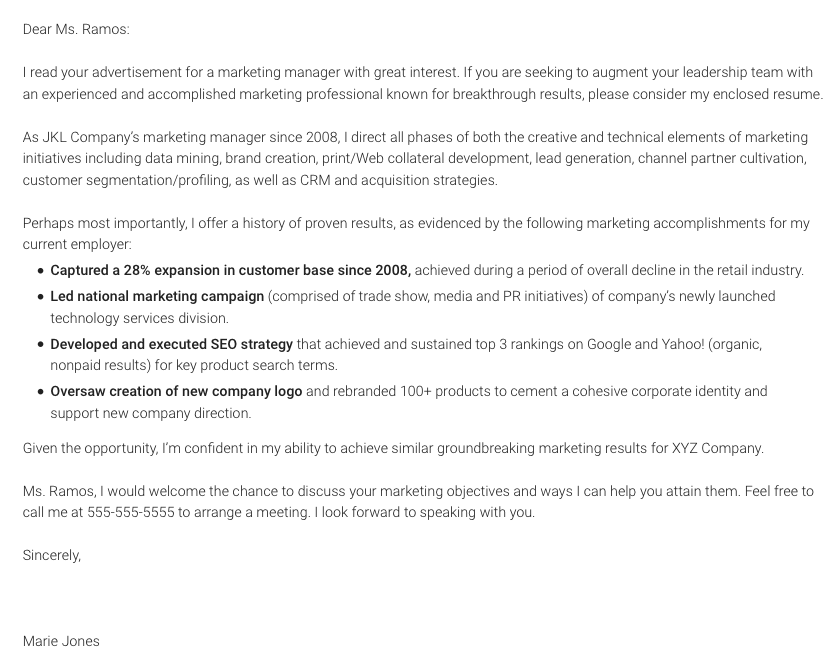
Our fourth cover letter comes from Monster.com. This cover letter, shown above, is focused specifically on a marketing role.
Notice how the writer includes references to important marketing metrics and terminology. If you’re applying to a data-driven role, you might not want to fill the page with a story of your experience in paragraph form, like Template 1 does at the beginning of this article. Instead, consider highlighting three (or four, or five) of your successes that you believe the hiring manager would resonate most with, in bulleted form.
As a marketing professional, breaking up your letter with bulleted details like the ones above shows a respect for the hiring manager’s limited time — a mentality that all marketers must understand when communicating with a brand’s audience.
Template 7: Career Day Follow-Up Cover Letter
Get it here.
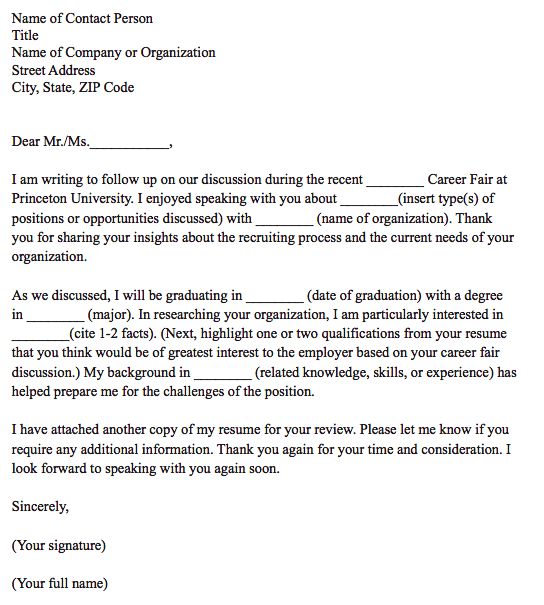
This is a unique kind of cover letter from Princeton University.
CareerBuilder, Monster, and Indeed might take the lion’s share of your job searches online, but still some employment opportunities come out of a trade show, job fair, or similar networking event. For those occurrences, you have the follow-up cover letter template above.
This cover letter has everything you need to help an employer recall a conversation you had with him/her at a career fair. As you can see in the second paragraph, the letter is particularly useful to people who are about to graduate college.
Template 8. Logo and Watermarked Cover Letter
Get it here.
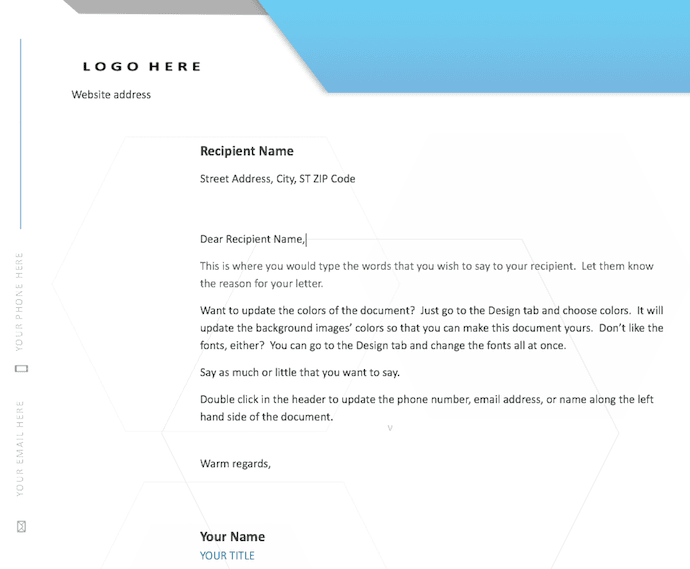
Here’s another cover letter template from Microsoft Office. This one has a light touch of color in the design just above the letterhead, but make no mistake — the template caters to any professional looking to make a good first impression on their future employer.
Don’t let the logo space on the top-right of the page confuse you. This can be the logo of the company to which you’re applying — to quickly get the attention of the recruiter — or your own logo. Perhaps you freelance on the side or simply like branding yourself. This cover letter template is meant for customization.
Writing a cover letter is easier said than done. Don’t hesitate to spend a lot of time writing and editing it. Or, ask a friend or family member to read it over and give you feedback. If the recruiter does end up reading it, you’ll be thankful you did.


6 Business Challenges Every Small Business Struggles With (And How to Fix Them)
In the first few years of business, small companies come up against a lot of different challenges. Some are harder than others to overcome — and according to the U.S. Bureau of Labor Statistics, about 20% of small businesses fail by the end of their first year. By the end of their fifth year, 50% go under; and by the tenth year, that number rises to 80%.
With survival rates like that, it’s easy to understand why folks face the first few years of business with trepidation. But in fact, many common business problems and challenges are actually fixable, from difficulty finding customers, generating leads, and building an email list, all the way to hiring the right people and balancing quality and growth. Many times, you’ll find you need to take a step back, take the time to understand the pain points you’re feeling, and re-think your strategy.
Here are six challenges every small business faces, along with some tactical advice about how to fix them. (And if one of the challenges you’re facing is growing your email lists and generating leads, then be sure to watch our workshop on how to do just that.)
6 Small Business Problems & How to Fix Them
1) Finding Customers
This first one isn’t just a small business problem. The marketers at well-known companies like Apple and Toyota and McDonald’s don’t just sit around waiting for the leads to come in: Even the biggest, most successful companies have people working hard every single day to find new customers.
But for small businesses that aren’t a household name, finding customers can be particularly difficult. For example, there seem to be so many channels you can choose to focus on … how do you know what to prioritize and where to allocate resources?
How to Fix It:
Finding customers starts with figuring how who your ideal customer actually is. Spraying and praying doesn’t work for anybody — you need to make sure you’re spreading the word to the right people.
Craft an idea of what your target customers look like, what they do, where they spend time online by building your buyer personas. (Here are some free buyer persona templates to get you started.) Creating very specific ones can dramatically improve your business results. Once you’ve built your buyer personas, you can start creating content and getting in front of your target customers in the places they spend time online and with the messages that they care about.
2) Hiring Talented People
Hiring is often one of the biggest challenges for small businesses, especially since small business executives tend to feel under-resourced to begin with. Hiring new employees is a big deal and a complex process, and the cost of onboarding is an average of over $4,000 per new employee for most companies. And if you don’t hire well, employee turnover can be very, very expensive.
But, as CEO of 2020 On-site Optometry Howard Bernstein said in our panel on how to start a business, it’s impossible to know everything yourself. That’s why finding and hiring the right people — and the people who are really excited about what you’re doing — matters.
How to Fix It:
It’s easy to hire with a short-term mindset: send out a job description, screen applicants, and make a decision. But because of the high costs of hiring right, it’s important to invest a significant amount of time in the hiring process. Don’t settle for good employees when you can find great ones, even if it takes longer. It’s the great employees that will help your company get to the next level.
Just like you create buyer personas for your customers, create candidate personas for your job candidates. Your personas should be different for each new role that you’re hiring for, but will share some underlying traits around company culture.
Next, take ownership of attracting candidates to your company’s brand and make them interested in learning more. This will help you build a recruiting pipeline that will give hiring the same predictability as sales. Then, turn those leads into applicants.
3) Spreading Brand Awareness
It can sometimes seem like today’s biggest brands seemed to have popped up out of nowhere. How did they become a household name? How did they grow that quickly? Can your business grow like that, too?
Of course, most of these companies’ hard work, failures, and rejections happened behind the scenes. But there are strategies for spreading the word about your brand and building a great reputation that you can start right away.
How to Fix It:
There are many ways to spread brand awareness, but the three I’ll touch on here are PR, co-marketing, and blogging.
- PR: Public relations is less about paying for a spot in a news blog, and more about focusing your voice and finding your place in the market. I recommend reading this great post from FirstRound Capital on what startups and small businesses often get wrong about PR, which also includes some great, tactical tips on how to figure out who’s covering your industry, building relationships, and working with reporters. You can also download our free public relations kit to learn how to maximize your public relations efforts with inbound marketing and social media.
- Co-marketing: Partnering with another brand will help you inherit some of their image and reputation and create brand evangelists outside your circle. It’s a fantastic way to gain a large volume of new contacts alongside your organic marketing efforts. You can read our ebook on how to get started with co-marketing for more helpful information.
- Blogging: Running a consistently high-quality blog will also help you build brand awareness. Not only does a blog help drive traffic to your website and convert that traffic into leads, but it also helps you establish authority in your industry and trust among your prospects. Many people find out about HubSpot because of our blog posts. It’ll also help you build an email list, which brings us to our next point …
4) Building an Email List
As if it isn’t hard enough to build an email list, did you know your email marketing database degrades by about 22.5% every year? That means you have to increase your email list by almost a quarter to just maintain it, never mind grow it. It’s the marketing team’s job to find ways to constantly add fresh, new email contacts to your lists.
But what many people call “building an email list” is actually buying an email list — and buying an email list is never a good idea. I repeat: Never a good idea. Not only will your email deliverability and IP reputation be harmed, but it’s also a waste of money. If your current strategy is to buy or rent email lists, then it’s time to regroup and find better places to put those resources.
How to Fix It:
Instead of buying or renting lists, build opt-in email lists. An opt-in email list is made up of subscribers who voluntarily give you their email address so you can send them emails. One great way to build an opt-in list is by creating great blog content and making it easy for people to subscribe — which, at the same time, will help you increase your online presence, build up search authority, and create evangelists from your content.
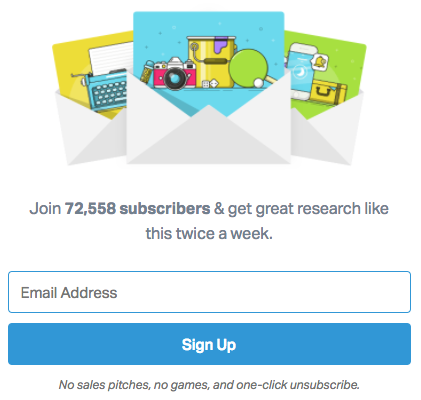
[Example of a subscribe CTA on Help Scout’s blog.]
You can also revive older lists that you think are mostly decayed by creating an engaging opt-in message and sending it to your old list encouraging contacts who wish to re-opt-in and promising to remove all contacts who don’t respond.
To learn more strategies and tips, watch our live workshop here on growing your email subscribers.
5) Lead Generation
Another problem most small businesses share is lead generation — specifically, generating enough leads to keep the sales team happy. If that sounds like you, you’re not alone: Only 1 in 10 marketers feel their lead generation campaigns are effective.
But generating leads that are both high quantity and high quality is a marketing team’s most important objective. A successful lead generation engine is what turns website visitors into prospective customers and keeps the funnel full of sales prospects while you sleep.
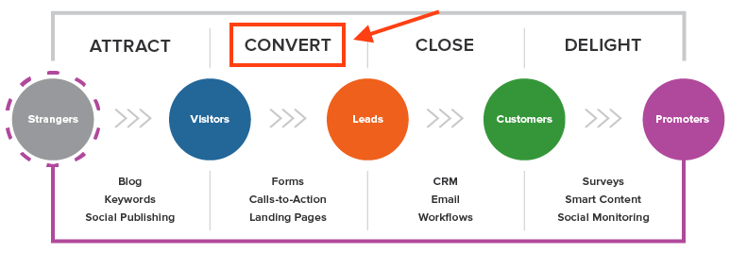
[Lead generation is part of the “convert” stage of the inbound methodology.]
How to Fix It:
To make the lead generation process work for your business, you need to first optimize your existing website for leads. Your website is the most important tool you have for turning prospects into customers. Look through your website and ask yourself:
- Do each of your webpages clearly guide visitors to take action, or do they leave them wondering what to do next?
- Do you use a tool that automatically pulls the submissions from your forms and puts them into your contact database, like HubSpot’s free lead generation tool?
- Are you creating custom landing pages for every single campaign that you run?
- Do you have lead generation CTAs on each of your blog posts? (Do you have a blog at all?)
Prioritize the most popular pages on your website first. Most businesses have a few, specific pages that bring in the majority of their traffic — often the homepage, “About” page, “Contact Us” page, and maybe one or two of your most popular blog posts. Read this blog post to learn how to figure out which pages to prioritize, and how to optimize them.
Finally, be sure to take advantage of free lead management software and apps for startups. Affording marketing in general is a big challenge in and of itself, so finding and implementing the most robust free marketing tools can be a game changer. HubSpot’s free marketing tools, for example, has features like a form-scraping tool that scrapes any pre-existing forms you have on your website and adds those contacts to your existing contact database. It also lets you new pop-ups, hello bars, or slide-ins — called “lead flows” — that’ll help you turn website visitors into leads immediately.
6) Balancing Quality and Growth
“There’s this mix of building scalability early, versus doing what you have to do to get it all done,” Nick Rellas, co-founder and CEO of Drizly, told our panel of startup executives about starting his own business.
This is a tricky one, especially since every situation is different. You’ll see this problem arise in all areas of business: in product development, in marketing and content creation, in hiring, and so on. For example, many business executives will push growth at all costs. But if you grow your company too quickly, you’ll find yourself having to hire quickly. This can overwhelm your experienced team members because it takes a while to train people. And if you don’t train people well, it can end up backfiring.
How to Fix It:
Unfortunately, there’s no perfect answer here. “Depending where you are in your business’ lifecycle,” says Rellas, “the scale will tip one way or the other, but I do think you need both at different times.”
What it comes down to is not obsessing over every detail, but obsessing over the right details. Obsessing over product perfection, for example, might not be as important as obsessing over customer service. It’s better to put your fears aside and launch a product that isn’t perfect because you can always update and improve it. After all, once your products are in the hands of your customers, you can learn much more quickly what’s working and what isn’t.
Obsessing over customer service, however, is worth the extra effort. Amazon CEO Jeff Bezos puts it well in his 2016 letter to shareholders: “There are many ways to center a business. You can be competitor focused, you can be product focused, you can be technology focused, you can be business model focused, and there are more. But in my view, obsessive customer focus is by far the most protective of Day 1 vitality.” (“Day 1” is what he refers to as a period of growth and innovation, whereas “Day 2” is stasis, irrelevance, and slow demise.)
While these are just a few of the many business challenges facing small businesses every day, there are many others out there. Are there other challenges your small business is facing that you want to bring up? Share with us in the comments below — and don’t forget to share your ideas for solutions, too!


New photos detail possible construction of second Taiwanese Apple retail store

Construction of Apple’s second retail store in Taiwan may be well underway, new photos show. The country’s first official Apple store opened in the Taipei 101 skyscraper last June with 130 employees.
Video raises concerns about excessive thermal throttling on 2018 MacBook Pro w/ Intel Core i9

Last week, Apple announced new versions of its 13-inch and 15-inch MacBook Pro models with Touch Bar. Perhaps most notable is the new power that is now available with the 15-inch, including the Intel Core i9 processor.
A new video, however, raises concerns about whether or not the MacBook Pro can handle the heat of the i9 processor…
Apple stops signing iOS 11.4 following the release of iOS 11.4.1
On the heels of last week’s release of iOS 11.4.1, Apple today has stopped signing iOS 11.4. This means that users are no longer able to downgrade to the previous version of iOS, whether it be for a jailbreak or other reasons…
Instagram says it’s planning non-SMS two-factor in response to SIM hackers

While two-factor authentication has become a necessity, Instagram currently only offers the added security layer in the form of SMS two-factor – which has its own share of concerns. According to TechCrunch, however, Instagram is planning to rollout non-SMS two-factor authentication…
macOS Mojave: How to use new screenshot and screencast tools without Grab

With some similarities to last year’s screenshot updates that came with iOS 11, macOS Mojave offers up some handy new functionality and changes to taking screenshots. Follow along for what’s new and how to use the new features.
9to5Mac Daily: July 17, 2018

Listen to a recap of the top stories of the day from 9to5Mac. 9to5Mac Daily is available on iTunes and Apple’s Podcasts app, Stitcher, TuneIn, Google Play, or through our dedicated RSS feed for Overcast and other podcast players.
Apple gains ground on Samsung & Android as iOS activations rise in Q2, CIRP says

CIRP today has released its latest report covering the smartphone industry during Q2 of 2018. The data highlights Apple’s growing share of smartphone activations, though it still trails far behind Android…
Get the treat-tossing Furbo 1080p Dog Camera for its lowest price yet $139 (Reg. $249)

Thanks to our sponsor Furbo, you can get its popular Furbo Dog Camera– best selling dog camera on Amazon– for its lowest price yet with the company offering $110 off for a limited time. That brings the original $249 price tag down to just $139 while supplies last.
Get the Furbo Dog Camera for $139 for a limited time (Reg. $249)
Furbo is a Wi-Fi connected 1080p camera with 160º wide-angle lens. It is designed specifically to let you see, talk to and give your dog treats remotely using an iPhone app. It includes built-in microphones, speakers, night vision, and it holds around 100 small round treats to dispense remotely using the app. It also conveniently doubles as a security camera with motion detection and more…
more…
Flir unveils One Pro LT thermal image camera for iPhone with more affordable price

Flir has released its newest professional-grade thermal image camera for iPhone today, the One Pro LT. This new model features the same core benefits of the popular One Pro model but at a more affordable price.
watchOS 5 developer beta 4 for Apple Watch now available

watchOS 5 developer beta 4 for Apple Watch is now available for testing. As always, we’ll dig through the latest beta version and highlight all the changes between the previous beta and the latest beta below.