
Welcome to My Blog
Help! My Brand Went Viral: 12 Small Brands That Made It Big
When you think of viral marketing, your mind probably wanders to that Oreos “You can still dunk in the dark” tweet, which garnered an enviable 40,000 retweets and Facebook likes during 2013’s Super Bowl power outage. Or perhaps you think of the Dove “Real Beauty Sketches,” a video with more than 67 million views to date.
When these global brands go viral, it’s not a huge surprise.
They have agencies and well-staffed marketing teams standing by to handle the good, the bad, and the ugly that can result when brands go viral. But what happens to the little guys? What happens to small brands that hit on marketing gold, kind of by accident?
Below, we’re taking a look at how small brands have handled their 15 minutes of viral fame. Some struggled, some succeeded, but all of them earned a spot on this elusive roster. Here’s what they did, and what you can learn from their stories.
12 Small Brands That Went Viral
1) Dominique Ansel Bakery (The Cronut)
Image Credit: CNN Traveler
Pastry chef Dominique Ansel was not a doughnut devotee. The French-born, New York-based bakery owner had tasted a few, but he was far more familiar with the croissants he had grown up eating. When someone pointed out that he didn’t have a donut on the menu of his New York bakery, Ansel decided to head back to his roots and invent a new kind of pastry.
Enter: the Cronut.
Ansel’s new confection really gained steam after a food blogger from Grub Street tried a Cronut and documented the experience. Traffic to the bakery website rose by more than 300 percent, and hundreds would line up every day to get their hands on the trendiest pastry around.
Viral Best Practice: Focus on Quality, Not Quantity
Each batch of Cronuts took Ansel’s team three days to prepare. They could make about 350 Cronuts every day in their bakery, which meant the numbers were limited.
By managing the output of his pastries and avoiding the draw of producing more than his team and facility could manage, Ansel created controlled demand that he could meet without sacrificing the quality of his product.
Four years later, you’ll still find a line outside of Ansel’s bakery before their 8:00 A.M. opening. But the true secret to his success? Ansel claims that he’s had one Cronut every day since their invention. I’m really hoping that’s the key to my next promotion as well.
2) ALSA (The Ice Bucket Challenge)
Image Credit: Iconosquare Blog
In 2014, the Amyotrophic Lateral Sclerosis (ALS) Association launched one of the most successful viral campaigns of all time. Justin Bieber, Oprah Winfrey, and Bill Gates were a handful of the celebrities who took the challenge and dumped buckets of ice over their heads to raise funds and awareness for ALS research.
By the time the videos had stopped filling newsfeeds around the world, the campaign had raised more than $220 million for ALS organizations worldwide. Awareness of the disease rose and it reached the fifth most popular Google search for all of 2014.
In 2015, a year after the the ice bucket challenge went viral, money from the campaign was said to fund research that identified a new gene, NEK1, that contributes to the disease.
Viral Best Practice: They Looked Outside Their Target Audience
True, most of those who made a donation during the video craze have never made a second. But overall A.L.S. contributions have stayed about 25 percent higher than the year before the challenge, and the average donor age has dropped from above 50 to 35.
By shooting outside of their target demographic and trying alternative marketing tactics (video) that might normally take a backseat to more traditional fundraising efforts (galas, email marketing, etc … ) A.L.S.A. was able to bring in millions in one-time donations, raise brand awareness, and gain an overall contribution baseline of 25 percent. I’d say that’s enough incentive to shake things up in your next campaign.
3) Roman Originals (The Dress)
Image Credit: Wired
What happens when your company isn’t even the one behind a viral sensation?
“We woke up one morning and had the world and media coming down upon us,” says Peter Christodoulou, the co-founder of Roman Originals. It started with a wedding photo posted online. A young woman was pictured standing next to a bride, and no one could agree on what color her dress was.
What followed was an international debate dubbed #DressGate.
Christodoulou explained that his company had hoped to sell 200 of the lace-detailed dresses per week, but the UK-based retailer sold 3,000 in just 10 days. Celebrities, global brands, and just about everyone else was tweeting, sharing, and talking about “The Dress.” At its height, the controversy sparked 10,000 tweets per minute.
Viral Best Practice: Other Brands Can and Will Capitalize on Your Success
Brands around the world capitalized on the craze and amplified the popularity of “The Dress.” Dunkin’ Donuts, Legos, and Tide were just a few of the brands that came out with clever dress-themed ads of their own.
A few months later, Christodoulou said his company “won the social media lottery. We’ve had a brilliant year … Hopefully our spring/summer 2016 range will be well-received.”
While the line might not have sparked the global frenzy the original $74 dress had, Roman Originals showed the marketing world that virality can happen to anyone. And retailers everywhere showed that jumping on trending topics can do as much for you as it does for the company that originated the trend.
4) Metro Trains Melbourne (Dumb Ways to Die)
Screen Capture from DWTD on YouTube
Are you already humming that catchy little song in your head? You’re welcome for that all day.
Melbourne’s metro system didn’t have a safety campaign in market before “Dumb Ways to Die” (DWTD). They had information at stations, but nothing that was really influencing safe behavior or showing that the company cared, so they brought agency McCann Melbourne on to help.
Metro Trains’ Chloe Alsop explained, “We kept coming back to the same thing: it’s really hard to get hit by a train. A wrong or careless behaviour is required.” Without a serious tone or tugging at heartstrings, an impactful, memorable, and shareable campaign was built.
By April 2014, the campaign had been viewed 77 million times on YouTube. The accompanying game became the No. 1 free app in 101 countries, and in six weeks, DWTD had garnered an estimated $60 million in earned media. The most important stat that came out of the campaign? A 21% reduction in railway accidents and near misses following the campaign.
Viral Best Practice: Launch Outside Your Target Market to Build Buzz
McCann created the original campaign using North American voices and characters because “the video had to go viral first, later it would catch the attention of the real target audience.”
Today, the campaign has become a franchise used by metro transit around the world. The takeaway for us? As McCann spokesperson John Mescall says, “It used to be ‘Think global, act local.’ That’s no longer true; we need to think and act global.”
The next time you launch a campaign, try thinking about where you might launch outside of your target market to build buzz.
5) Invisible Children (Kony 2012)
Image Credit: NPR
Invisible Children was around for eight years before Kony 2012 turned them into a household name. They got their start by showing a short film called “The Rough Cut” at high schools and community centers around the United States.
The goal was to raise awareness of Joseph Kony, a war criminal responsible for a decades-long civil war in Uganda and surrounding countries, and most maligned for his kidnapping and use of children as sex slaves and soldiers.
The group flipped Kony 2012, a 30-minute YouTube video, to public on March 5, 2012. It was not their first or their last video but it was their loudest. In six days, it garnered more than 100 million views becoming (for the moment) the fastest growing viral video of all time. As the days passed, however, criticism of the video, the organization, and its founders grew.
The San Diego-based company wasn’t ready for the deluge of attention, traffic, or critique the video brought upon them. Invisible Children’s co-founder and star of Kony 2012 received the brunt of the criticism, culminating in a public mental health breakdown a few days after the video’s infamous launch.
Viral Best Practice: Have a PR Plan in Place
In 2015, three years after Kony 2012 ignited the internet’s attention, the company shuttered most of its US operations. Joseph Kony is still at large, and Invisible Children’s downsized African programs have honed their focus to early warning systems and defection messaging.
Kony 2012 is still a divisive subject, but it’s also a cautionary tale for organizations whose aims to go viral may not match their infrastructure or readiness. Site traffic, man-power, and the lack of a PR agency/strategy all contributed to the chaos in the days following Kony 2012’s launch.
6) Sphero (Makers of BB-8)
Image Credit: Shorty Awards
How did a small, Boulder, Colorado-based robotics company become the creator of spherical droid BB-8? Sphero was part of the inaugural class of Disney’s Accelerator tech-development program, which helps companies expand creatively using Disney’s impressive resources.
They happened to be in a meeting with Disney CEO Bob Iger as he was scrolling through offerings for Force Friday, a September 2015 toy and merchandising event held in anticipation of Star Wars: The Force Awakens. Iger asked the crew if they could make the rolling droid, BB-8, and they spent the next 10 months working on the product in time for a Force Friday launch. They sold more than a million robots in 2015 alone, more than doubling their all-time selling record.
Viral Best Practice: Use Social Media in New Ways (and it doesn’t hurt to have Disney on your side)
Sphero hit the jackpot with their Snapchat marketing campaign for Force Friday. The droid’s creators waited in lines with throngs of Force Friday patrons, snapping the hype and excitement of fellow fans.
They leveraged the cast of The Force Awakens, along with Snapchat influencers at five flagship Disney stores around the world to build buzz about the movie and their robot.
It’s been labeled the first global product launch using Snapchat, and the results were impressive with 10.3 million views, 4.76 thousand screenshots, 69.1 million seconds watched, and 411 thousand social engagements.
Sphero also handled media requests and newfound attention with Brandfolder, a Digital Asset Management (DAM) platform that kept their product photos, company information, and tech specs easily accessible and accurate. For your next product launch, how could you leverage social media in unexpected or nontraditional ways?
7) Niantic Inc. (Pokemon Go)
Image Credit: Niantic
Are you still recovering? Is it still too fresh to talk about?
Niantic Inc. was as surprised as you likely were when Pokemon Go became a global obsession. The company had prepared their server load for game launch with a ‘worst case’ estimate of five times the normal volume.
What they got was an astounding 50 times the expected traffic — within 24 hours of the game’s launch. But frustrated players and downed servers eventually gave way to 2016’s hottest trend.
Viral Best Practice: Focus on Quality and Innovation
After launch, the creators of Pokemon Go ironed out those kinks and continued to innovate on their product. They still release special, limited-time offerings like their ghost-themed Halloween event which saw a 1.3 billion increase in Pokemon caught by players, and a user spike of 13.2 percent globally.
Niantic also resisted the urge to monetize things too soon on a large scale. Instead, they focused on “core game mechanics, learning things on the technical side, the ops and customer support side, the community and marketing side.”
A more natural way for them to monetize early on? Quigley says, “We’re encouraging people to get out and about in their neighborhoods, their cities, their communities — what more natural way to integrate someone into the game than to have these paid sponsor locations that are interleaved among their other locations?”
Pokemon Go is a success story of a company that wasn’t expecting success but, by focusing on creating a quality product and resisting the urge to monetize too soon, was able to create not only a global sensation but a lasting one.
8) Cards Against Humanity
Image Credit: Cards Against Humanity
You know it, you love it, and you’re embarrassed by it when your mom asks what it is. Your answer is invariably, “It’s like Apples to Apples … but different.”
This self-proclaimed “party game for horrible people” did not come from some hip Silicon Valley incubator. Instead, it was the brainchild of eight friends who’d known each other since grade school in their hometown of Chicago. They had no major outside investment, unless you count their one small crowdfunding campaign on Kickstarter, and it took them a while to even have a business address. “Our main priority is to be funny — and to have people like us,” says game co-creator Max Temkin.
Viral Best Practice: Know Your Brand Voice (and Stand By It)
Cards Against Humanity has always taken an unorthodox approach to marketing. You can download the full game for free on their website (something more than 1.5 million people have done). They once ran an anti-sale for Black Friday where they priced the game, normally $25, at $30 a box. With a tagline of “Today only! Cards Against Humanity products are $5 more. Consume!” the company inexplicably sold more cards. Their marketing strategy (or anti-strategy) would make most marketers cringe, but it works for them.
2016’s Black Friday campaign featured live video of the company “digging a holiday hole” and asking people to donate to its “cause.” They raised close to $30,000 with the stunt. Most recently, they launched their first-ever Super Bowl ad featuring nothing but a potato and a clever article about why the ad “failed.”
Cards Against Humanity is one of the clearest cases of knowing your brand voice and sticking with it. Their copy, creative, and campaigns are uniquely their own, and uniquely unapologetic about it, just like their game.
9) Chubbies
Image Credit: Chubbies on Instagram
Love ’em, hate ’em, or loathe ’em, Chubbies is here to stay. The founders were four Stanford buddies who bonded over their mutual love of short shorts. Says co-founder Tom Montgomery, we noticed that “If you had a really cool pair of shorts, people would talk about it.” They decided to test their idea for Chubbies out at a Fourth of July beach party before going all in. They donned their “Chubbies,” headed to Lake Tahoe, and quickly found “the shorts struck the same emotional chord with other people that it struck with us.”
Their website launched in September 2011, just a few months before winter, giving them time to prepare for the busy spring months. Chubbies’ team spent that time building up inventory and marketing to their target audience: fraternities.
Witty emails, unapologetic copy, and bro-friendly photography set them apart, and their guerilla-style email tactics spread their name and their product through college towns everywhere.
Viral Best Practice: Build a Strong Narrative Before You Go Viral
In 2014 they raised a $4.4 million round of funding and a steady growth curve followed. They’ve expanded beyond their signature shorts but continue to build the brand around what made them successful in the first place — the weekend. “We’re constantly building this brand around the weekend and the feeling you get around Friday at 5 p.m. When a guy throws them on, the stress and rigors of the work week can be put on hold for a bit.”
That connection to their brand identity creates a strong narrative in their marketing efforts across channels. They speak to their audience unwaveringly, and their audience responds.
10) James Frey (A Million Little Pieces)
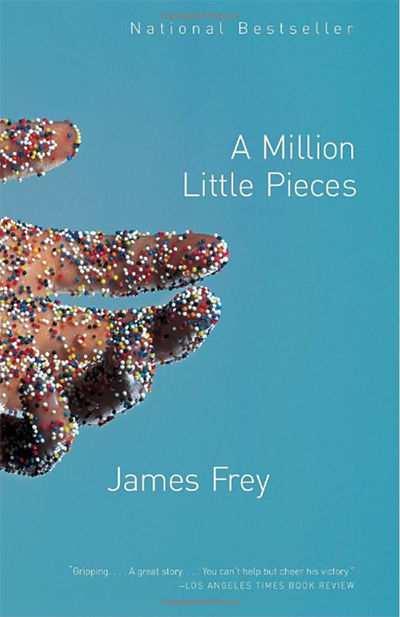
Image via: Amazon
Author James Frey had an explosive product launch in 2005. His book, A Million Little Pieces originally marketed as his memoir, was catapulted to overnight success after being named on Oprah’s television book club.
Two million copies were sold, making it the fastest-selling book in the club’s 10-year history. It topped the New York Times Best Seller list for 15 straight weeks and was published in 28 languages by 30 different publishers all over the world.
Unfortunately, months after Oprah lauded his bravery as well as his book, it was revealed that his memoir was more fiction than fact. Winfrey publically chastised Frey on her show, famously asking “Why would you lie?” Frey was dropped from his publishing house and he was hit with lawsuits from many readers.
Viral Best Practice: It’s Never Too Late to Refresh Your Brand
Frey continues to write books, with successes like I Am Number Four being made into movies. Even Oprah apologized for how she turned on him so suddenly. While he enjoys renewed success, Frey maintains a life decidedly out of the spotlight. The lesson here? Well, make sure your marketing isn’t full of lies, and be prepared to stand by your content if Oprah ever picks it up. But it’s also never too late to reinvent yourself and still have a successful career, even after a bad viral moment.
11) Dollar Shave Club
Image Credit: Dollar Shave Club on Instagram
At this point, Dollar Shave Club‘s (DSC) inaugural video is legendary. My first reaction to a shaving subscription service was, “huh?” But with a single video, DSC flawlessly spoke to shaver pain points, poked fun at themselves, and announced to the world that they were ready to shake up a previously forgettable industry
Co-founder Michael Dubin wrote the video, starred in it, and had a friend shoot it in a single day for less than $4,500. It crashed the company’s servers 90 minutes after it went live and catapulted the company to become the second-largest men’s razor seller in America.
Viral Best Practice: Don’t Be Afraid to Poke Fun at Yourself
That video has been viewed over 22 million times, and DSC has 1.1 million subscribers and growing. They earned a $615 million valuation in 2015, and in 2016 they were acquired by Unilever for $1 billion dollars cash. They continue with successful marketing, expertly branded packaging, and a unique presence in an industry that has finally been woken up. All thanks (in part) to a video that poked fun at the company while educating their consumer.
12) Chatbooks
Screen Capture from Chatbooks on YouTube
A four-minute viral video? It goes against every 15-, 30-, and 45-second best practice in the book, but boy did it pay off for Utah-based subscription photo service Chatbooks. The video educates its viewer on how to use a relatively new app that turns your photos into albums so you don’t have to.
Why was it so successful? They nail their buyer persona. The video features a busy, realistic mom. She speaks to the audience with all the advice, sarcasm, and “I get it, I’ve been there” relatability that you’d look for from a fellow cool mom. It closes with a catchy tagline: “done is better than perfect.”
Chatbooks sold 1 million subscriptions in its first 18 months. It’s racked up over 1 million views on YouTube and the company is pushing 200,000 “likes” on Facebook. They continue to put out honest, pain-point driven videos featuring the same now-recognizable mom.
Viral Best Practice: Get Detailed and Personal with Your Personas
It’s easy to phone in your user personas. Instead of just targeting “moms,” Chatbooks clearly thought through how that mom thinks, what she worries about during the day, how she’s spending her time, and how photos figure into her hectic schedule. The result? A video their target audience couldn’t help but share.
The Next Time Your Boss Asks for a Viral Campaign …
It’s nearly impossible to know what will go viral, and trying for that elusive result will usually come across as forced and futile.
Instead, research your target audience, decide if you can expand that audience, and create campaigns that are thoughtful, actionable, and relevant. But before you launch, make sure you’re prepared for the maelstrom that could follow. It’s always smart to have a PR plan in place should the worst (or the best) happen.
And finally, don’t expect for every piece of content you release thereafter to be equally as successful. Continue to create content that resonates with your audience and you’ll do just fine.
This guy built a (kind of) working Lego Macintosh, and now you can too …
Apple considers teaching Siri to recognize your voice & only your voice
Allowing Siri access from the lock screen is a potential security threat that has, in the past, allowed someone to access personal data like photos. Additionally, Siri will respond to any command given by anyone when your device is unlocked.
Apple thinks it has a solution, using a combination of special phrase to ensure that Siri responds to you and only to you …
Filed under: Apple
The Emotional Intelligence Test: What’s Your Emotional IQ? [Quiz]
There’s been a lot of chatter lately about the power of emotional intelligence. And it’s not undeserved — multiple studies have shown there’s a significant correlation between emotional intelligence and workplace success.
People with high emotional intelligence levels are even more likely to succeed than those with higher IQs or more work experience.
So what exactly is emotional intelligence? And, more importantly, how can you measure it?
|
What is Emotional Intelligence?
In short, people with high emotional intelligence have an deep awareness of their own emotions — and the emotions of others — and they can use this information to guide their thinking and actions.
According to psychologist Daniel Goleman, there are five main components of emotional intelligence, these are:
1) Self-awareness
Self-awareness is understanding yourself and your effect on others. Self-aware individuals know their abilities and play to their strengths, can admit to their mistakes, and can laugh at themselves when they make a mistake.
2) Self-management
Self-management is controlling disruptive impulses and thinking before acting. People who have good self-management are able to take a step back when they feel they are becoming overwhelmed with emotion. This prevents them from doing or saying things they might regret later.
3) Motivation
Emotionally intelligent people are constantly challenging themselves, and are driven by their passion, rather than status or money. They also remain optimistic about their future, even when their situation can sometimes be tough.
4) Empathy
Empathetic people don’t just listen to what people say, they try to understand more about what’s being said. Empathic people consider other people’s feelings when making decisions. Empathic people can gain knowledge through body language and other nonverbal cues.
5) Social Communication
People who have well-developed social communication skills can express their emotions to others appropriately and really listen to other people when they express theirs. They also seek feedback and give constructive feedback to others when needed. People with strong social communication skills are valuable because they are able to manage relationships effectively to move people forward towards a common goal.
The Emotional Intelligence Test: Take the Quiz
Emotional intelligence isn’t a fixed trait — it’s something everyone can improve with time and perseverance.
If you’re interested in developing your emotional intelligence, take our short emotional intelligence test below, which will show you how emotionally intelligent you are, and give you five actionable strategies you can use improve it.
Disclaimer: Bare in mind that this test isn’t a comprehensive scientific assessment — it’s just a fun way to get a gauge of your emotional intelligence levels and start becomming more emotionally intelligent.
|
What do you think: Does emotional intelligence play a part in success? What other skills do you think help with business success? Share your thoughts with us in the comments.
How to Set Up an Effective Facebook Ad Campaign
Are you considering Facebook ads? Wondering how to set up a successful Facebook ad campaign? Understanding the fundamentals of Facebook advertising can help you avoid common mistakes that cost time and money. In this article, you’ll discover how to create an effective Facebook advertising campaign. Decide Where Facebook Ads Fit Into Your Marketing Before you spend […]
This post How to Set Up an Effective Facebook Ad Campaign first appeared on .
– Your Guide to the Social Media Jungle
from http://ift.tt/2oHs6BF
via socialmediaexaminer
Launch of next-generation iPhone 8 may be pushed to October or November, says report
The iPhone 8 may debut later than we have been used to, according to a new report. For the last few years, Apple has announced its new iPhone lineup at a September event in the fall with a release date a couple weeks later. For example, the iPhone 7 was announced on September 7th and released on September 16th.
This year, Economic Daily News (via Digitimes) is suggesting that the launch may be pushed back to October or November, as production of the radical new iPhone has faced challenges …
Filed under: Apple
Are Agencies missing the inbound opportunity?
The perennial complaint made by agency leaders when talking about their own new business and marketing efforts, is that they suffer from cobbler’s children syndrome – all the great minds are busy on client work and the agency brand has to come second (but good work begets good clients – or it used to).
What Kristian Gough, Managing Partner of Incite New Business, a sales and marketing consultancy for marketing agencies, brought to light in his talk was that this situation needs to change, and change quickly.
If agencies don’t start taking their own marketing more seriously then they will continue to lose ground to large technology and consulting firms. It is not a coincidence that the top 5 digital agencies in the UK include: IBM, Accenture, BAE Systems and Deloitte. When it comes to leading the debate and taking share of voice, agencies are falling seriously behind.
You can download a copy of the full presentation here, which contains some eye-opening stats that every agency MD should read. However, for the time poor (and that’s half the problem), here’s my top five take-outs of the talk:
- Clients contact agency suppliers much later in the buying process, many are 50-60% of the way into the buying cycle before they will even make contact with an agency.
- Clients use Google and social media to self-educate and they buy from those that educated them. 50% of agency selection searches involve online research. In January this year there were over 60,000 searches for the 400 keywords incite monitors to track agency purchase intent. If you are not creating content that reflects your clients’ needs and interests, (and 78% are looking for information around their business challenge), you will not be found, considered or contacted.
- Recognise that clients are not often in a buying mode and buying cycles are long. If your only call to action is: Contact us if you want to buy it; if your only content are case studies showing you can do it, then you are only communicating content that a client will find interesting once in a blue moon – when they are actively buying. When 75% of buyers say they want vendors to curb the sales messages, you can see why.
- Decide what you are good at and stick to it – clients pay a premium for specialists and having an agency brand is critical to that. Using content that educates clients as to consumer insights and trends presents an agency as an expert and a peer. This is critical to generating a premium partner led relationship and building a valued agency brand.
- You need structure, tools and processes to manage an effective agency marketing program. Once the brand works is done you need: personas, an editorial plan, content, workflows an inbound platform, a CRM. Waiting for people to find your content won’t work, promote it, use your owned, earned and paid channels and follow up interested subscribers, not cold leads.
インバウンドマーケティングがニッチビジネスに完璧にマッチする理由
皆さんの会社はニッチ戦略を採っていますか?もしそうなら、インバウンドマーケティングは必ず重視する必要があると思います。
その理由とは実に明確です。
テレビコマーシャルや広告掲示板、新聞などを利用して大規模なアウトバウンドマーケティングを展開したとしても、ニッチな業界の場合リーチできるオーディエンスのうち99%はそのニッチな製品やサービスにまったく関心のない人たちです。
そのため、インバウンドマーケティングを利用すれば(むしろ利用しないと)、ニッチビジネスが質の高い潜在見込み客を獲得することは難しくなります。
逆に言えば、ネットで検索をされた時に見つけてもらうことによって、どのような場所からでも潜在見込み客を企業の方へ惹きつけることが可能になります。
実際、インバウンドマーケティングで劇的な成功を収めた企業が、ニッチであるケースは少なくありません。このことを皆さんに納得していただくために、今回の記事ではインバウンドマーケティングがニッチな企業に最適である理由について、6つの観点から説明したいと思います。
インバウンドマーケティングとは?
インバウンドマーケティングとは、ブログやeBookなどの見込み客にとって有益な情報を準備することによって、デジタル情報を自ら消費する見込み客をウェブ上に惹きつけ、見込み客化し、さらには顧客化していく流れを作る戦略的マーケティング手法です。
インバウンドマーケティングの基本には以下のようなプロセスがあります。
- コンテンツ作成:顧客の基本的な質問やニーズに応えているペルソナ向けのコンテンツを作成し、そのターゲット層に向けて情報を共有します。
- ライフサイクルマーケティング:理想の顧客像であるペルソナの各購買のステージに合わせて、最適な形のコンテンツを用意し、さらなる購買意欲を促します。
- パーソナリゼーション:時間の経過などによって変化する購買へのニーズに合わせてパーソナライズされた情報を発信します。
- マルチチャネル:ペルソナごとに異なる情報の消費行動に合わせてチャネルを選び、情報を適切な形で発信するように努めます。
このようなプロセスに従い、インバウンドマーケティングの手法を行うことによって、より質の高い見込み客を獲得することにつながります。
1:自社の専門性をアピールできる
ニッチな企業であれば、当然ながら何か非常に特別な専門性を有しているはずですので、誰かれかまわずアプローチするのではなく、関連の高い業種や役割の人たち、つまり問題解決のために自社の専門性を必要としている人たちにアプローチする方が効率的です。
人々は、とりわけニッチな情報を集めたい場合には、限られた手段しか選ぼうとしません。B2Bバイヤーの71%が、購入先の情報をインターネットから入手するそうです。したがって、自社の専門性をどこでアピールするべきかは、もうお分かりだと思います。
自社が専門とするニッチなトピックでコンテンツを作成し、その情報を探しているバイヤーに見つけてもらいましょう。またそのコンテンツを、潜在見込み客やカスタマーが使用するであろうキーワードに対して最適化することによって、自社の製品に興味のある数少ない人々に、検索結果のページで見つけてもらえる可能性はさらに高くなります。
導入事例: 地方の造園業者のウェブサイトが検索順位でトップに表示されるために採った施策
米国の地方造園業者であるDistinctive Landscaping社は、サービス提供エリアをニッチと捉えてマーケティングを展開しました。つまり、ターゲットカスタマーを定義する際、マサチューセッツ州のノース・アトルボロという地名をそこに追加したのです。
Distinctive Landscaping社の社長であるJason Scott氏は、潜在顧客が検索に使用するであろうキーワードを特定し、それと地名とを合わせてターゲットキーワードに選んで、ウェブサイトのコンテンツ作成を開始しました。
Distinctive Landscaping社はこれらの主要なキーワードにおいて、わずか1年で検索結果ページのトップ4を獲得し、ウェブサイトへのトラフィックを2倍に増やすことにも成功しました。Jason氏は、このエリアの造園業者、つまり競合する会社がいずれもブログを行っていないこと、そして、潜在見込み客やカスタマーがオンライン検索を利用して情報を集めていることを知り、そこに大きなチャンスを見出しました。
現在、Distinctive Landscaping社は検索エンジンで、すべての競合企業を抑えてトップに表示されています。Distinctive Landscaping社のサクセスストーリについて、詳しくはこちら(英語)をご覧ください。
2:ソーシャルメディアで特定のオーディエンスとつながりを持つことができる
検索エンジンだけではありません。Facebook、Twitter、LinkedInなどのソーシャルメディアや、特定の業界の人が集まるソーシャルネットワークを利用することでも、数少ないオーディエンスに自社を見つけてもらうことができます。また、ソーシャルのサイトでは、ターゲットオーディエンスと直接つながりを持つことができます。
オーディエンスが限定されればされるほど、ソーシャルネットワークでその業界にエンゲージしているコンタクトの識別は容易になります。このように、ソーシャルネットワークを利用すれば、企業のウェブサイト以外でも、また、実際に会いに行ったりセールスの電話をかけたりしなくても、潜在見込み客とエンゲージすることが可能なのです。
自社のニッチなオーディエンスに対し、どのソーシャルネットワークを利用するのが適切かを判断したい場合は、次の質問について考えてみてください。なお、これらの質問については、HubSpotによる日本語ブログ記事、「新しいソーシャルメディアを利用する理由と、利用すべきか決定するための8つの質問」に詳しく解説されています。
- 利用しているユーザーは誰か
- 口コミマーケティングが可能か
- トレンドになりやすいトピックは何か
- ネットワークで他の多くの人にコンテンツを見てもらえるか
- 斬新なソーシャルネットワークに合わせて、新しいタイプのコンテンツを作成できるか
- そのソーシャルネットワークを利用するために必要な時間やリソースはどのくらいか
- ROIの向上に期待が持てるか
Facebookを企業が活用する方法、Twitterを企業が活用する方法、Instagramを企業が活用する方法を解説した無料eBookもございますので是非ご覧ください。
3:場所や時間の制限なく潜在見込み客を惹きつけることができる
ローカルビジネスの場合を除けば、オフィスの半径15km圏内にエリアを限定して質の高い潜在見込み客の数を調べると、非常に少なくなる企業がほとんどだと思います、ですが、この範囲を県内、国内、そして世界中へと拡大すれば、質の高い潜在見込み客の数はどんどん増えていくでしょう。
インバウンドマーケティングでは、オンラインでのプレゼンスを簡単に構築し、潜在見込み客がどれほど離れた場所にいようと、自社に惹きつけることが可能です。しかも、インバウンドマーケティングの効果は長期間持続します。したがって、ある土曜日の昼下がりにマーケターがポーチで書いたブログ記事を、1年後の火曜日の朝に潜在見込み客がオフィスで読むといったことも珍しくありません。
4:ソートリーダーとして自社をアピールできる
ニッチな業界の専門的な知識を潜在見込み客にコンテンツで提供することによって、自社の専門性をアピールし、潜在見込み客からの信頼を得ることができます。ビジネスブログを利用すれば、自社についてまだ何も知らない人に対しても、その業界の専門性を示すことによって、長期的に関係を構築していくことが可能です。また、ブログが自社の豊富な知識を公開する専門の報道機関として機能するため、業界のエキスパートやソートリーダーとして認めてもらうのに役立ちます。
ブログで専門性をアピールすると、潜在見込み客だけでなく、ジャーナリストや他のブロガーにも見つけてもらえる可能性が高くなります。そうすれば、その人たちのブログで自社を紹介してもらったり、リンクを張ってもらったりすることも期待できます。
私たちHubSpotも、ブログを作成してソーシャルメディアでプロモーションすることにより、数年間で多くのPRのチャンスを得ることができましたが、これは、ブログによってHubSpotがソートリーダーとしての地位を確立しただけでなく、私たちの作成するコンテンツが、パブリッシャーによる記事内で補足情報として紹介するのに適していたからだと思います。
成功するブログ記事の書き方についての調査レポートはこちらから無料ダウンロードできます。
導入事例:Palomar Technologiesがブログを利用してトラフィックの増加と認知度の向上に成功
Palomar Technologiesは先進のマイクロエレクトロニック、およびオプトエレクトロニックのパッケージング システム サプライヤーです。したがって、1つではなく2つのニッチなトピックで、主にブログを作成しています。同社はウェブサイトのボリューム(ページ数)を増やすこと、検索エンジンで見つけてもらえる可能性を高めること、そしてこれらの特殊なトピックで信頼性を確立することを目的にブログを開始しました。
「私たちのビジネスはニッチであり、世界でも同じ仕事をしている企業はあまり多くありません。そのため、マイクロエレクトロニック、およびオプトエレクトロニックのパッケージングの最新技術について情報を得たい人の多くが、私たちのサイトを訪問します」とPalomarのマーケティング コミュニケーション スペシャリスト、Rich Hueners氏は言います。
ブログの開始からわずか4か月後、ウェブサイトへのGoogle検索によるトラフィックの量は、一か月あたりで実に20倍近くまで跳ね上がり、SEOにおいて非常に重要なインバウンドリンクの数も1,000を超えました。Palomar Technologies社のサクセスストーリーについて詳しくは、こちら(英語)をご覧ください。
5)質の高いコンバージョンを獲得できる
インバウンドマーケティングを本当に成功させるためには、質の高い訪問者をサイトに引き寄せるだけでなく、それらの訪問者が誰なのかを知ること、そして、訪問者の質を評価したり、フォローアップしたりできるようにすることが必要です。インバウンドマーケティングの重要な要素の1つが、潜在顧客にとって価値の高いオファーを、ターゲットを定めて作成することであるのはそのためです。
そのようなオファーをウェブサイトのランディングページでプロモーションできれば、訪問者に個人情報をフォームに入力してもらうことができ、質の高いリードを獲得して、それを効果的にフォローアップすることが可能になるでしょう。
見込み客獲得のコツ30個をまとめた無料eBookはこちらからダウンロードできます。
導入事例:TotalMobile社がターゲットの定まったランディングページをカスタマーごとに作成
TotalMobile社は地方自治体、政府機関、住宅協会の職員の業務フローを管理して生産性を高めたり、運営費を節約したりするためのモバイルソリューションを提供しています。同社はニッチ市場にいることだけでなく、ターゲットのペルソナがバラエティに富んことに対しても、非常に上手に対策を講じました。
以前は、ブランドの認知度を高める目的でウェブサイトを作成し、ページを更新することはほとんどありませんでしたが、ランディングページを作成してリードナーチャリング(育成)をセットアップし、潜在見込み客の行動についてモニタリングを行ったことで、ウェブサイトをリード ジェネレーション ツールへと進化させることに成功したのです。
同社は、アプリケーション製品ごとにランディングページを作成し、それぞれを上手にターゲティングすることで、適切な潜在見込み客に適切な方法でリーチできるようにしました。また、獲得したリードの質を正しく評価することも可能になりました。TotalMobile社のマーケティングディレクターであるSunniya Saleemは、BostInnovationとのインタビューの中で、マーケターに向けて次のようにアドバイスを送りました。
「ウェブサイトのどこかにスペースを確保して、効果的なランディングページをセットアップすることが重要です。つまり、ウェブサイトでリードを獲得したいなら、リード獲得のチャンスを得るための専用スペースを、ウェブサイトに用意する必要があります。」TotalMobile社のサクセスストーリーについて詳しくは、こちら(英語)をご覧ください。
6)結果をどのようにでも分析できる
ニッチ企業の予算は多くの場合(ニッチ企業に限らないと思いますが)、かなり制限されています。幸い、インバウンドマーケティングには結果の分析がしやすいという利点もあります。
訪問者の流入元や、ダウンロードしたコンテンツ、あるいはどのマーケティングキャンペーンが顧客の獲得に大きく貢献しているかなどを分析することにより、インバウンドマーケティングの施策について、どれが上手く機能し、どれが機能していないかを理解することができます。そして、マーケティングにおける判断をより的確に下すことや、どの施策に時間や費用を投資すれば、より高い効果が得られるかを理解することが可能になります。
ニッチ企業の方へ、インバウンドマーケティングを利用したことはありますか? どのような効果が得られましたか?
編集メモ:この記事は、2012年6月に投稿した内容に加筆・訂正したものです。Ellie Mirmanによる元の記事はこちらからご覧いただけます。
画像クレジット:jonespointfilm
Apple granted patent for Griffin BreakSafe-like adapter for a possible USB-C MagSafe future
One of the most common complaints about Apple’s recent MacBook Pro lineup has been the lack of MagSafe. Apple’s magnetic charging solution was a staple of MacBooks for many years, but the company did away with it with the switch to USB-C. Now, however, a patent hints that Apple is working on a way to integrate MagSafe with USB-C.
Filed under: Apple
Dropbox rolling out all-new user interface on the web
Apple tells users iOS 10.3 may mistakingly re-enable iCloud features that had been turned off
Apple last week released iOS 10.3 to the public after a lengthy beta process. The update includes a handful of new features such as Find My AirPods. One issue related to the update that is just now emerging, however, relates to iCloud. Some users have apparently had iCloud services they once turned off, automatically come back on…
Filed under: Apple
Spring Cleaning! Let us buy your old Apple devices for easy, quick cash
We are officially two weeks into Spring and it’s inevitable that the yearly cleaning spree is right around the corner. Closets will be emptied, garages will be reorganized and old iPhones, iPads and MacBooks will be unearthed in “junk drawers” around the country. Now is the perfect time to sell your old or broken devices to 9to5Mac’s quick and easy buyback program.
Filed under: Apple
New report claims the iPhone 8 will actually cost less than $1,000
It has been widely reported that the upcoming iPhone 8 will cost consumers over $1000 at retail because of new features such as the OLED display and new 3D sensors. A new investor note from UBS analyst Steven Milunovich, however, disputes earlier reports and says the iPhone 8 will come in for less than $1000.
Filed under: Apple
Review: Sonos Playbase delivers hi-fi audio quality for movies and TV shows with a unique form factor
Last month Sonos unveiled its new Playbase hi-fi speaker that fits under your TV, and now the premium TV and music speaker is available to purchase in white or black. Playbase is an interesting alternative to the typical sound bar form factor and has benefits like accommodating more living room setups. Check out our hands-on with the new Sonos Playbase for much more.
Is Apple’s pre-announcement for new Mac Pros enough to address pro concerns? [Poll]
In a very uncharacteristic move for Apple, the company today decided to address recent concerns among its pro market and pre-announce an all-new, rethought Mac Pro in the cards for next year. Less exciting is the spec bumps that make the current lineup more affordable in the meantime, and the company also added in confirmation that new iMac models are coming later this year. But is Apple’s pre-announcement for new Mac Pros enough to address pro concerns?
Filed under: Apple
Apple Music for Android gets first major update with iOS 10-style redesign, lyrics
Apple Music for Android has received a huge revamp today to match the release of iOS 10 for iPhone and iPad last September. That redesign is now making its way to the streaming service’s Android app. The interface is nearly identical with features like iOS 10-specific features including lyrics and an improved Library available on Android for the first time.
Filed under: Apple
Hands-on: CalDigit Tuff Drive 1TB SSD – a solid portable drive for MacBook Pro users [Video]
Back in October we reviewed the spinning hard disk version of the CalDigit Tuff Drive. While it was nice from a build quality perspective, the HDD speeds left us anticipating the soon-to-come SSD model.
Last week we received the 1TB SSD version of CalDigit’s Tuff Drive (coming later this month), and as expected, it’s much faster. Watch our brief hands-on video walkthrough as we unbox the CalDigit Tuff 1TB SSD, and test its speeds. more…
Filed under: Apple
Starbucks for iPhone adds iMessage app for sending gift cards with Apple Pay & more
Starbuck today updated its iPhone app to add a new “Starbucks Gifts” iMessage app, allowing users send gift cards through Apple’s iMessage and pay for them using Apple Pay.
Filed under: Apple